 EN
EN


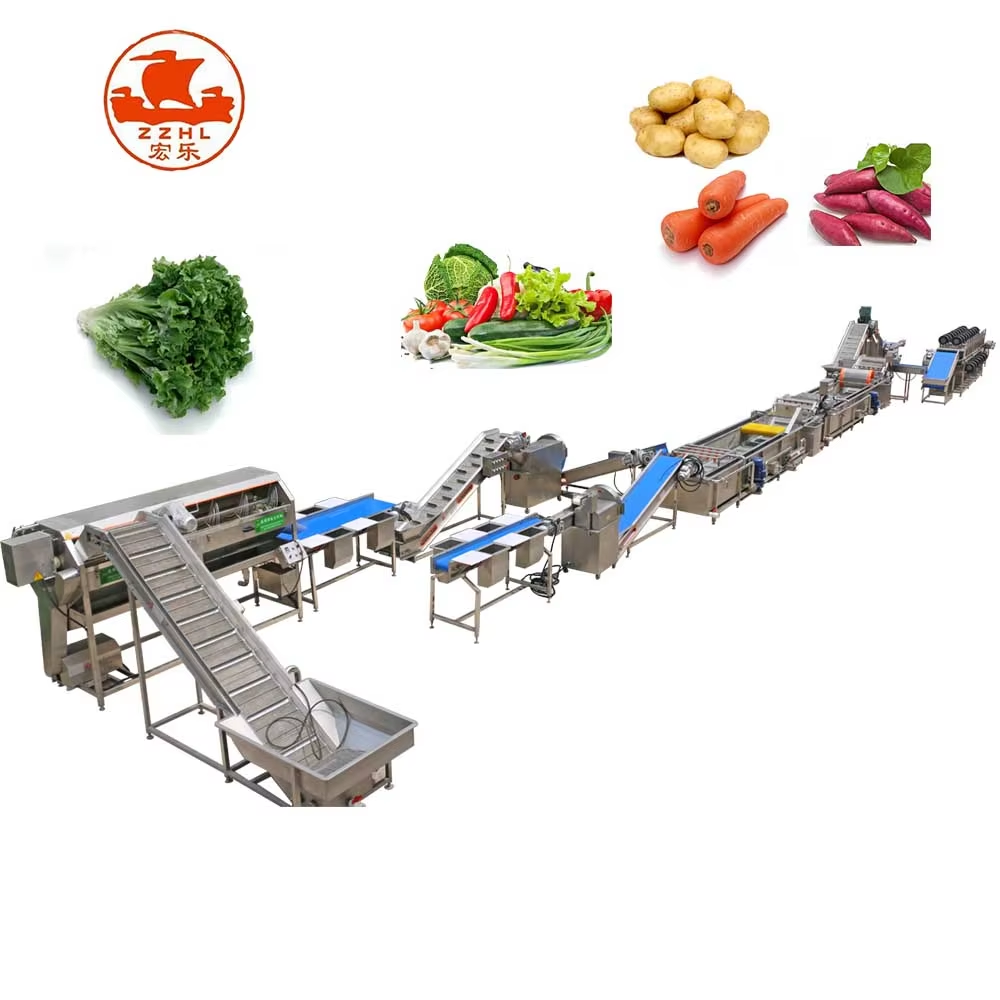
Vegetable Processing Workflow:Harvest Reception and Pre-Processing Quality Control
Critical time windows and quality decay metrics post-harvest
The moment vegetables come off the plant, they start losing quality fast. The respiration rate doubles with each 10 degree Celsius jump in temperature, which is why getting them cooled down quickly matters so much. Take leafy greens for instance, they can shed anywhere from 15 to 20 percent of their weight in just one day if kept above 10 degrees Celsius because of water loss through leaves. Tomatoes aren't far behind either, showing noticeable softening within four hours at room temperature alone. Modern processing facilities now rely on several quality checks to monitor this decay process. Ethylene sensors help spot early signs of yellowing in cabbage family veggies, while spectrophotometers measure how green stays green in leafy produce. Some systems even watch weight changes in real time and send warnings when moisture drops past 3%. This allows different handling priorities based on what needs cooling fastest. Asparagus requires action within half an hour, but root vegetables generally have about two hours before quality starts slipping away. When these timing targets get missed, up to 40% more spoilage occurs before anything gets processed, something industry research has consistently shown over many years.
Automated sorting, washing, and grading for consistency and food safety
Modern reception lines are starting to use AI driven optical sorters these days. These machines can check around 300 items every minute thanks to hyperspectral imaging technology. They spot internal damage such as browning and bruising that regular eyes miss, which cuts down on manual inspections by about three quarters. The washing process has also gotten smarter with triple stage systems combining ultrasonic waves and water treated with ozone at 0.5 parts per million concentration. This approach knocks down surface pathogens by nearly 99 percent without harming the cell structure of fruits and veggies, something traditional chlorine washes just cant match when it comes to effectiveness or keeping vitamins intact. After cleaning comes grading done automatically where produce gets sorted based on weight with plus minus 5 grams accuracy, color consistency measured through LAB value analysis, and size checks performed using laser profiling techniques. All this ensures everything meets GlobalGAP standards for certification. Putting all these automated steps together means there's much less direct human handling throughout the process. For sensitive crops like spinach and sprouts where contamination is a big concern, this drops touchpoints by roughly 8 out of 10 instances. Plus, most importantly, it keeps vitamin C levels above 95 percent despite all the processing involved.
Core Transformation: Peeling, Cutting, and Preservation
Peeling and cutting technologies: Yield optimization and equipment selection
Steam peelers paired with optical sorting reduce microbial load while preserving texture—especially critical for root vegetables. Operators calibrate blade sharpness and feed rates hourly to maintain <2% variance in cut dimensions, a key metric for packaging efficiency and retail presentation.
Blanching and preservation methods: Balancing shelf life, nutrition, and sensory quality
Keeping temperatures under control during blanching matters a lot for preserving nutrients. If things get above 90 degrees Celsius, we lose around 15% of those water soluble vitamins according to research from the Institute of Food Technologists back in 2022. Flash freezing at minus 35 degrees works wonders for maintaining cell structures compared to regular chilling methods. This approach cuts down ice crystal damage by about 40 percent. Pair these techniques with modified atmosphere packaging or MAP as it's known in the industry, and products last longer without needing artificial preservatives that can mess with taste. Getting moisture levels below six percent prior to packaging is really important too. Otherwise textures start breaking down when stored over time, which nobody wants seeing their product quality drop off.
Packaging and Waste Valorization in the Vegetable Processing Workflow
Modified atmosphere packaging (MAP) standards and performance validation
Modified Atmosphere Packaging or MAP helps vegetables last longer on store shelves by swapping out regular air for special mixtures of gases. These mixes usually contain around 5 to 10 percent oxygen and 15 to 20 percent carbon dioxide. The idea is to slow down how veggies breathe while keeping them fresh looking and colorful. To check if MAP works properly, companies need to test packages under conditions similar to actual shipping and storage situations. They look at whether the gases stay inside the packaging and if bacteria growth gets controlled effectively. Studies from various agricultural institutions indicate that when the right gas combination matches what different vegetables naturally need, food waste drops significantly - somewhere between 30% and 40%. This makes a big difference for grocery stores trying to manage inventory better and reduce spoilage costs.
Turning peels and pomace into biodegradable packaging materials
When vegetables get processed, there's quite a bit of leftover stuff - think about all those peels and pomace lying around after production. These scraps actually make up between 30 to 60 percent of what gets used as raw material. Now, thanks to some clever circular economy ideas, companies are turning this waste into real products. Tomato peels become packaging materials loaded with lycopene that naturally blocks UV rays. Carrot pomace works great too, adding strength to composite films and trays when mixed in. What makes these materials so appealing is that they don't depend on plastic made from oil, plus they break down completely in just six months compared to regular plastic which takes over four hundred years. Tests show these new packages perform just as well as traditional ones regarding moisture and oxygen barriers for foods stored long term. According to recent industry research from 2024, food processors using these alternatives have managed to send 28% less waste to landfills.
FAQ
What is the significance of quick cooling for harvested vegetables?
Quick cooling is essential as it helps slow down the respiration rate and quality decay of vegetables post-harvest. This prevents significant moisture and weight loss, especially in sensitive produce like leafy greens and tomatoes.
How do automated sorting systems improve food safety?
Automated sorting systems equipped with AI and hyperspectral imaging can detect internal damage and reduce manual inspection, consequently minimizing human handling and contamination risks while ensuring consistent quality.
Why is Modified Atmosphere Packaging (MAP) important?
MAP helps prolong the shelf life of vegetables by using specific gas mixtures to slow down the respiration rate, allowing vegetables to stay fresh longer, reducing food waste, and improving inventory management.
How are vegetable peels and pomace utilized in packaging?
Vegetable waste like peels and pomace are converted into biodegradable packaging materials. These materials provide environmental benefits by breaking down more quickly than fossil fuel-based plastics and maintaining effective moisture and oxygen barriers.
