 EN
EN


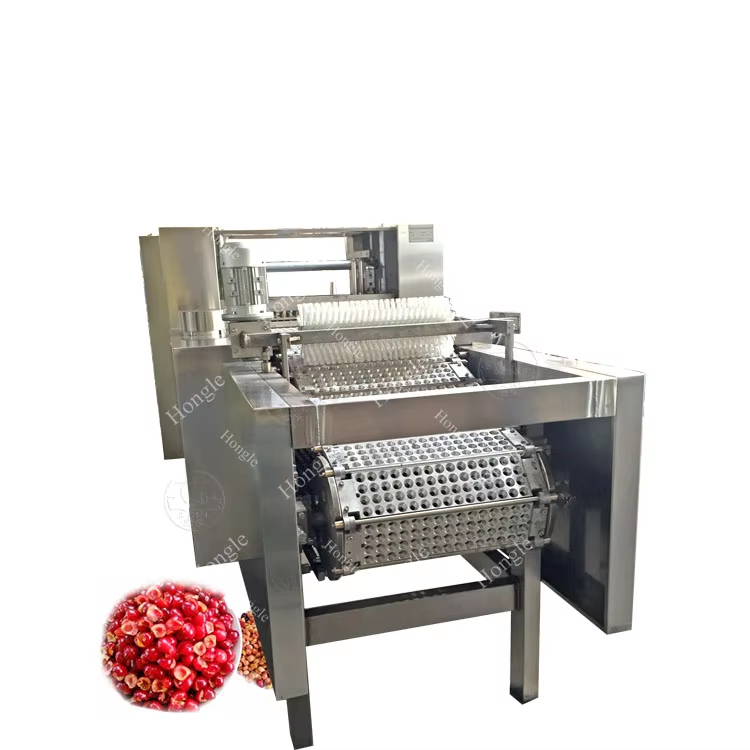
Daily Hygiene Protocol: Cleaning and Disinfection for Fruit Cutting Machine Safety
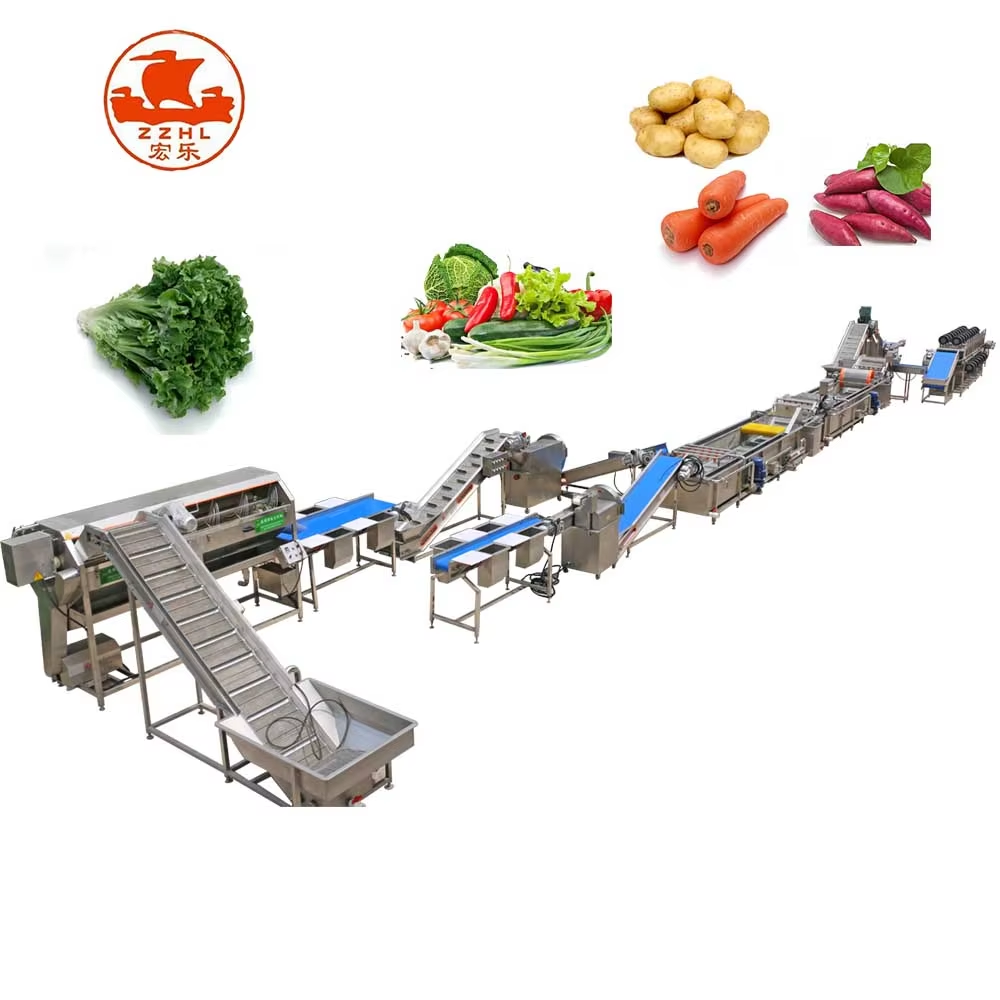
Step-by-step cleaning sequence: pre-rinse, food-grade detergent soak, non-scratch scrubbing, and NSF-certified sanitizer application
Follow this 4-stage hygiene cycle after every shift to ensure consistent pathogen control:
- Pre-rinse with water at 60°C or higher to remove visible fruit particles and prevent residue hardening
- 30-minute soak in a food-grade alkaline detergent—formulated to break down sugars, pectins, and organic films without corroding stainless steel
- Manual scrubbing using non-abrasive pads on all food-contact surfaces, including blade housings, feed chutes, and conveyor belts
- Final application of an NSF-certified quaternary ammonium sanitizer, applied with full surface coverage and allowed to dwell for at least 2 minutes before air-drying
When executed correctly and consistently, this sequence removes 99.8% of common foodborne pathogens—including Listeria monocytogenes and Salmonella enterica—as validated by third-party microbiological testing (NSF/ANSI Standard 169, 2022).
Why microbial buildup accelerates after 4 hours—and how consistent daily disinfection reduces cross-contamination risk by 92%
Biofilm formation begins within 2 hours on moist, sugary residues—but enters exponential growth at the 4-hour mark. This structured microbial community:
- Shields embedded pathogens from routine cleaning agents
- Supports persistent colonization by Listeria, Salmonella, and spoilage organisms
- Increases cross-contamination likelihood by over 300% beyond 8 hours of uncleaned operation
Sticking to the complete cleaning routine every day stops biofilms from developing and cuts down on contamination problems quite a bit. Recent food safety audits across twelve major US meat processing plants in 2023 found something pretty impressive: facilities that kept up with their cleaning schedules saw around 92% fewer positive results from environmental swab tests. The numbers tell the story, but what really matters happens behind the scenes. Make sure everything gets completely dry before putting it all back together. Leftover water creates perfect conditions for bacteria to bounce back fast, sometimes undoing all the good work done during proper sanitation efforts.
Blade Integrity Management: Sharpening, Alignment, and Safe Handling of Fruit Cutting Machine Blades
Optimal sharpening intervals by fruit type: citrus (every 8–10 hrs) vs. stone fruits (every 4–6 hrs)
How quickly blades wear down depends a lot on what kind of fruit we're dealing with. It's not just about how hard the fruit is, but also things like acidity levels, how dense those fibers are inside, and whether there are pits involved. Take citrus fruits for instance—those oranges and grapefruits don't put nearly as much stress on our equipment. We can usually go 8 to 10 hours between sharpenings before the cuts start looking bad. Stone fruits tell a different story though. Peaches, plums, nectarines really take their toll on blade edges because of those tiny abrasive pit pieces and all that fibrous meat inside them. With these guys, most folks find they need to sharpen every 4 to 6 hours if they want to keep making clean cuts without forcing the machine too hard. Letting blades get dull costs extra in several ways. The cutting force goes up around 40% when blades aren't sharp enough, which means higher energy bills and more wear and tear on everything else connected to the motor system. Keeping track of when each type of fruit requires sharpening helps everyone stay consistent no matter who happens to be working that shift.
Manual honing vs. automated resharpening: OEE and TCO comparison for high-volume fruit cutting machine operations
Manual honing gives operators more flexibility and requires little upfront money, though it does come with real running costs. The problem is that manual methods can actually lower Overall Equipment Effectiveness (or OEE for short) somewhere between 15 to 20 percent because workers spend so much time down waiting for tools and the edges just don't stay consistent across pieces. On the flip side, automated resharpening systems especially when built right into the production line itself tend to hold tighter specifications, keep things moving at steady rates, and produce parts that look almost identical every single time. Plants that handle over two tons an hour typically see their investment pay off within about 18 months thanks to blades lasting around 30% longer, cuts repeating themselves about 92% accurately, plus less hassle training new staff members. When looking at Total Cost of Ownership (TCO), plant managers need to consider way more than just what the machines cost and how much electricity they guzzle during operation. They should factor in all those extra hours spent on labor, the waste generated from imperfect cuts, and unexpected repairs needed when blades get out of alignment.
Preventive Maintenance Schedule: Aligning Daily, Weekly, and Monthly Tasks with Manufacturer Standards
Having a good maintenance plan for fruit cutting machines makes all the difference when it comes to keeping things running smoothly, staying safe, and meeting regulations. Every day operators need to clean off any leftover bits from previous runs, check blades visually for damage, and make sure guards are intact and properly positioned. These simple steps stop buildup that can really stress out motors, bearings, and those drive chains over time. Once a week, applying NSF H1 certified oil to conveyors, pivot points, and linear guides cuts down on wear caused by friction by around 40 percent according to reliability data from dozens of fresh cut operations nationwide. For monthly checks, technicians run calibration tests based on what manufacturers specify regarding torque settings and size tolerances. This keeps cutting accuracy within about half a millimeter, which means better consistency in finished products and less waste due to rejects. Plants that stick with this kind of regular maintenance see roughly 57 fewer days of unexpected shutdowns than places that only fix problems after they happen. Plus, this routine work helps meet NSF/ANSI 169 standards for sanitation systems while also ticking boxes for FDA's FSMA requirements on food safety controls in the long run.
Lubrication, Inspection, and Storage Strategies to Extend Fruit Cutting Machine Lifespan
NSF H1-certified lubricants: selecting food-grade oils for conveyors vs. synthetic esters for high-speed cutting shafts
Choosing the right lubricants involves balancing functionality with food safety needs. For conveyor belts, NSF H1 certified mineral or white oils work well since they stand up to fruit juice runoff without posing risks if there's accidental contact. Things get trickier with high speed cutting shafts that face intense heat and mechanical stress. Synthetic ester based lubes are better suited here because they maintain their properties even when dealing with tough jobs like slicing through pineapples, mangos, or kiwis. Regular checks matter too. Look at conveyor oils every week for any thinning or color changes. Cutting shaft esters need monthly inspections for signs something's wrong like darkening oil or sludge buildup. When equipment sits idle for over three days straight, it pays to clean out those lubrication lines completely, give metal parts a good wipe down, then apply a thin layer of food safe rust inhibitor. This kind of targeted maintenance strategy cuts bearing failures around 40 percent and keeps operations compliant with important regulations like NSF H1, ISO 21469, and the EU's 1935/2004 rules on food contact materials.
FAQ
Why is it important to maintain a daily cleaning routine for fruit cutting machines?
A daily cleaning routine helps prevent the formation of biofilms, thereby reducing the risk of cross-contamination and foodborne illnesses. Consistent cleaning ensures that pathogens like Listeria and Salmonella are effectively controlled, as evidenced by significant reductions in positive results from environmental swab tests.
How does the type of fruit affect blade sharpening intervals?
Fruits with pits or dense fibrous content, like stone fruits, cause more wear on blades, necessitating more frequent sharpening (every 4–6 hours). In contrast, softer fruits like citrus require less frequent sharpening (every 8–10 hours).
What are the advantages of automated resharpening systems over manual honing?
Automated resharpening systems offer more consistent blade edges, improved OEE, and reduced labor costs. They maintain tighter specifications and produce consistent cuts, making them a cost-effective choice for high-volume operations.
Why is regular lubrication critical for fruit cutting machines?
Regular lubrication prevents excessive wear and tear on machine components, reducing the risk of mechanical failures. Using the right type of lubricant for conveyors and cutting shafts ensures compliance with safety standards and extends machine life.
Table of Contents
- Daily Hygiene Protocol: Cleaning and Disinfection for Fruit Cutting Machine Safety
- Blade Integrity Management: Sharpening, Alignment, and Safe Handling of Fruit Cutting Machine Blades
- Preventive Maintenance Schedule: Aligning Daily, Weekly, and Monthly Tasks with Manufacturer Standards
- Lubrication, Inspection, and Storage Strategies to Extend Fruit Cutting Machine Lifespan
