 EN
EN


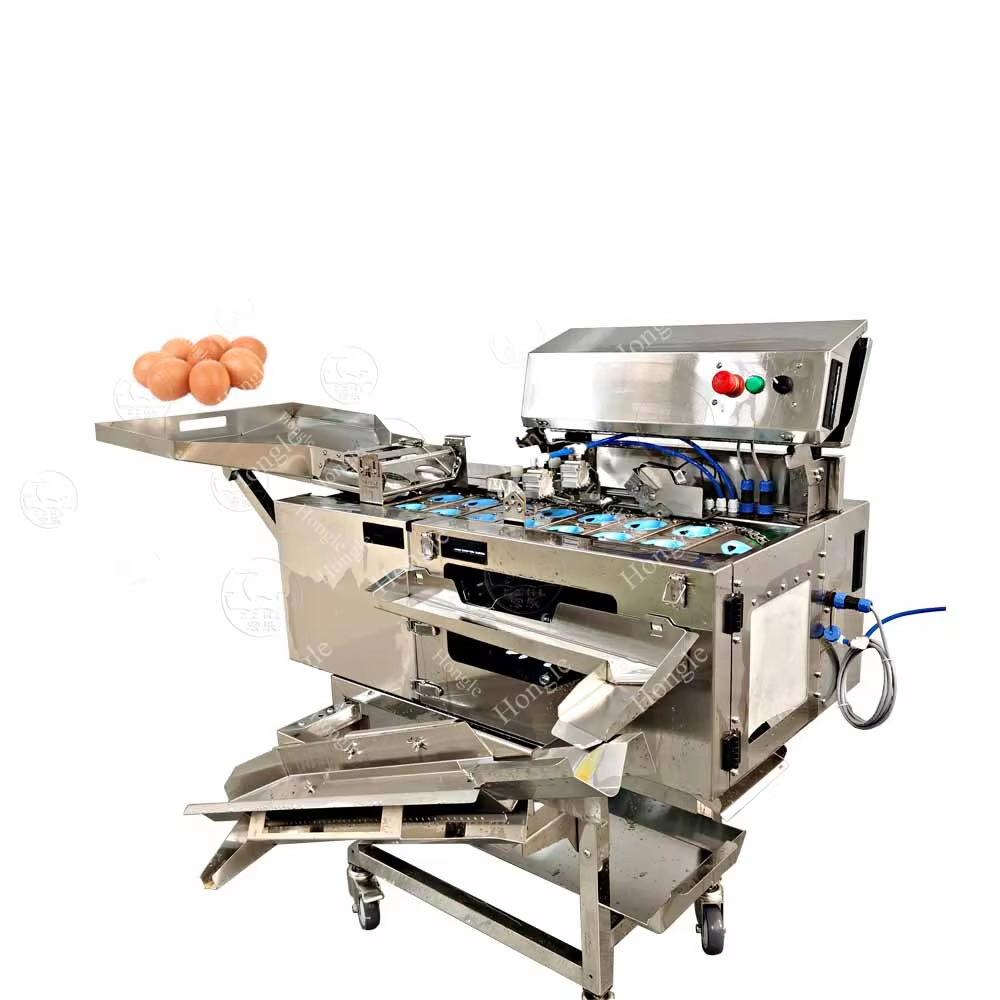
Align Egg Processing Line Capacity with Your Current and Projected Output
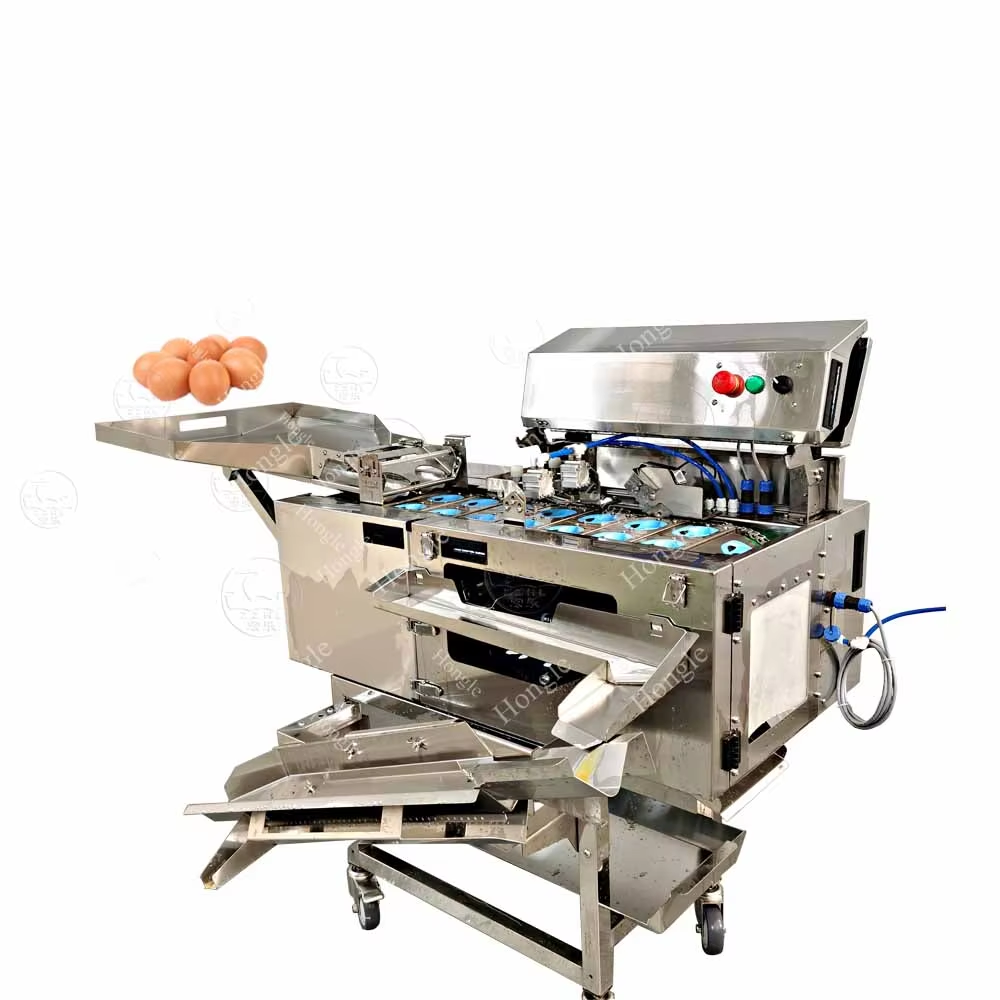
When choosing an egg processing line, matching it to current throughput while allowing room for future growth prevents wasted investment or production slowdowns down the road. Looking at past output numbers and what's happening in local markets gives a better picture when planning for capacity needs. Equipment built with scalability in mind can push off big capital expenditures for several years, maybe even three to five depending on how things develop. The poultry industry has seen some pretty good results from going modular too. According to recent studies from PoultryTech, these kinds of systems cut down on unexpected downtime by around a quarter, which makes a real difference in day-to-day operations.
Small-Scale Producers: Modular Egg Processing Line for <5,000 Eggs/Day
Compact, flexible lines suit farm-gate sales and local markets where full automation is unnecessary. Manual loading and transfer points keep initial investment under $20,000 while maintaining compliance and food safety rigor. Key components include:
- Single-lane washers using chlorine-free sanitation (aligned with FDA 21 CFR Part 118)
- Hand-cranked grading racks for manual size sorting
- Ambient-air drying tunnels to minimize energy use
Table: Small-Scale System Specifications
Medium-Scale Operations: Semi-Automated Egg Processing Line (5,000–30,000 Eggs/Day)
Semi-automated lines deliver optimal balance between speed, cost, and control for regional distributors. Integrated conveyors and weight-based graders achieve up to 240 eggs/minute. Critical features include:
- Multi-stage sanitizing washes with timed chemical injectors
- Optical candlers detecting blood spots at 99.1% accuracy (EuroTier 2024)
- Energy-recovery dryers reducing power consumption by 18%
Commercial Producers: Fully Automated Egg Processing Line (30,000–100,000+ Eggs/Day)
High-throughput operations require industrial-grade reliability and real-time performance visibility. Prioritize systems with:
- Vision-based grading at 30 eggs/second using AI-powered flaw detection
- Redundant pasteurization modules maintaining precise temperature control (134°F ±2°F)
- Scalable layouts engineered to support 15% annual volume growth without structural reconfiguration
Assess Critical Egg Processing Line Components for Performance and Compliance
Egg Grading Equipment and Systems: Vision-Based Sorting vs. Weight-Based Calibration
The way products get graded affects everything from quality control to where they stand in the marketplace and whether they meet regulations. For egg grading specifically, vision based systems are becoming really popular these days. These setups use detailed images captured by cameras along with smart software to spot things like cracked shells, blood specks, and dirt on surfaces. Some claim they can detect defects at around 99.5 percent accuracy which makes them great choice for businesses selling top quality eggs or those exporting internationally. On the other hand, weight sorting relies on accurate scales to categorize eggs according to standard sizes set by organizations like USDA ranging from small all the way up to jumbo sizes. This method tends to process more eggs per hour while costing less upfront compared to visual inspection alone. Most facilities actually combine both approaches though. Running the eggs through a visual check first helps catch bad ones early on before they even reach the weighing stage. This saves money later down the line when damaged goods wouldn't otherwise make it into packages destined for stores. Plus, this dual approach ensures compliance with standards such as USDA Grade AA requirements here in America and similar Class A specifications across Europe.
Washing, Drying, and Sanitization Modules: Meeting USDA/FDA Pathogen Reduction Standards
Sanitization is foundational to food safety—and non-negotiable for regulatory compliance. Modern egg processing lines implement validated three-stage protocols:
- Washing: Temperature-controlled brushes (42–48°C) paired with food-grade detergents remove 98% of surface contaminants
- Drying: High-velocity air knives eliminate residual moisture within 15 seconds—critical to inhibit post-wash bacterial regrowth
- Sanitization: UV-C irradiation or EPA-registered chlorine-based sprays deliver ≥5-log reduction of Salmonella and other pathogens
All modules must be validated quarterly against 21 CFR Part 118 and USDA AMS 56.200 standards. Real-time sensors monitor sanitizer concentration, water pH, and rinse temperature, while fully stainless-steel construction prevents biofilm accumulation. Top-performing systems maintain breakage rates below 2% and incorporate energy recovery to support both safety and sustainability goals.
Ensure Long-Term Value with Scalable and Future-Proof Egg Processing Line Design
When it comes to investing in egg processing facilities, scalability is really what matters most for long term success. Sure, current production levels are important, but forward thinking operators need to plan for future growth too. That's where modular design comes into play. With this setup, processors can gradually upgrade their systems as needed. Maybe start with basic automated egg sorting equipment when operations are small scale, then later expand washing capabilities as demand increases. Some plants even integrate pasteurization units once they reach around 50,000 eggs processed daily. The beauty of this staged approach? It means companies don't have to replace entire lines all at once, which saves money while still keeping up with growing market demands. Most owners find this method makes financial sense over time since capital expenditures stay manageable through different growth stages.
Looking ahead, AI-driven defect detection and IoT-enabled predictive maintenance are no longer emerging—they’re expected by 2025. Choose equipment built on open communication standards (e.g., OPC UA, MQTT) to ensure seamless integration with future software platforms and enterprise systems.
The real money saver comes down to how well something uses energy and water over time. Modern production lines can slash those monthly bills anywhere from around 15% up to maybe 30% or so when they incorporate heat recovery during the drying process and recycle water in a closed loop system. These kinds of features are becoming pretty much standard now thanks to all the green regulations coming down from both state and federal governments. Sure, getting started with these advanced systems costs more initially, but looking at the big picture makes sense. Over a decade or more, these installations tend to pay for themselves because they last longer, require less maintenance, save on utilities, and already meet most environmental standards without needing retrofitting later on.
Finally, vendor partnership matters: verify that your supplier provides comprehensive operator training, responsive technical support, and guaranteed access to spare parts—key enablers of consistent uptime and peak performance across the equipment lifecycle.
FAQ
1. What are the key considerations when choosing an egg processing line? Opt for a line that matches current throughput with room for growth, considers past output and market trends, and focuses on scalability to delay major capital expenditures.
2. How can small-scale producers benefit from modular egg processing lines? Modular systems offer flexibility, allow manual operations at lower costs, and maintain compliance while minimizing initial investment.
3. What are critical features of medium-scale semi-automated lines? These lines balance speed and cost with integrated conveyors, weight-based graders, multi-stage sanitizing washes, optical candling, and energy-efficient solutions.
4. How do commercial operations ensure reliability in high-throughput lines? Prioritize systems with AI-powered vision grading, precise pasteurization, and scalable designs for seamless annual growth.
5. What technologies enhance egg grading systems? Vision-based sorting detects defects with high accuracy, while weight-based calibration focuses on categorizing eggs into standard sizes.
6. What are the sanitation protocols to meet USDA/FDA standards? Implement three-stage cleaning—using temperature-controlled washing, high-velocity drying, and effective sanitization to reduce pathogens.
7. How does modular design provide long-term value in processing facilities? It offers scalable growth, reduces upfront costs by upgrading gradually, and integrates advanced technologies like AI and IoT.
