 EN
EN


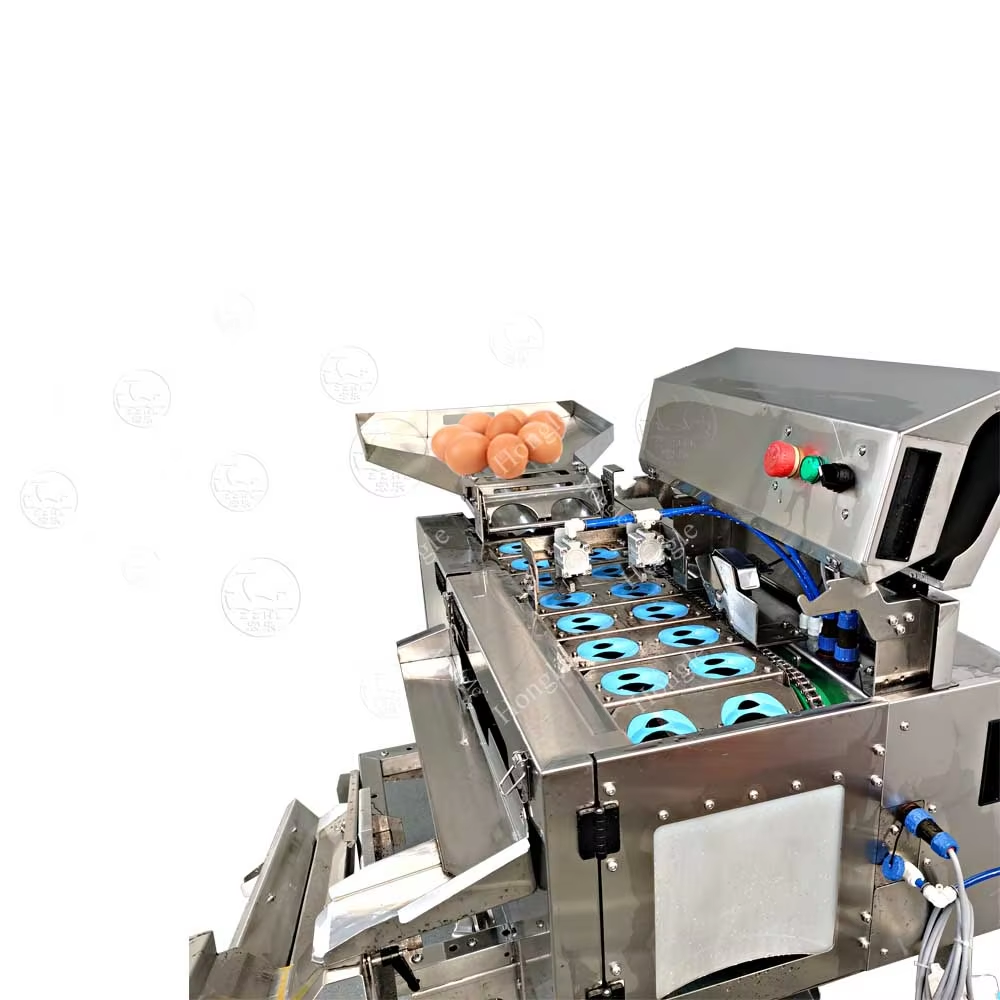
USDA Regulatory Oversight and Pasteurization Requirements for Egg Processing Lines
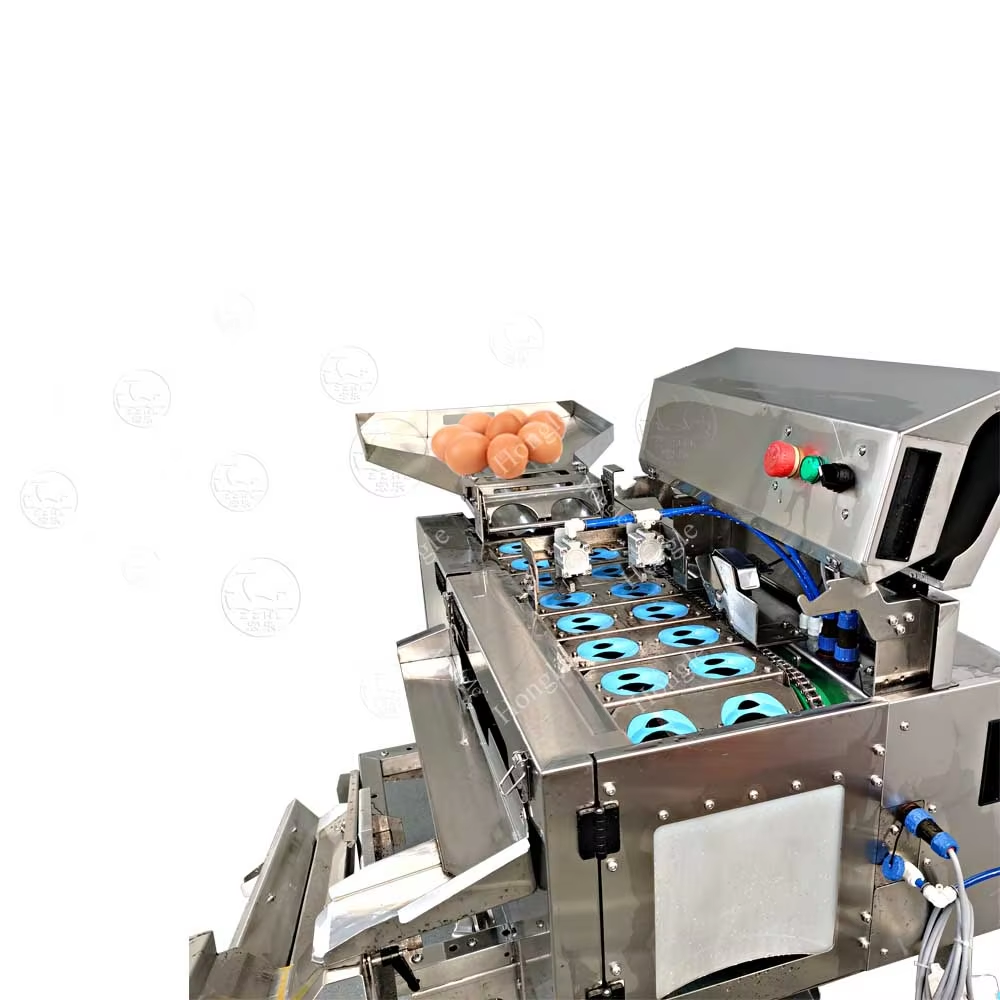
Compliance with the Egg Products Inspection Act (EPIA) and FSIS Verification Protocols
Facilities that process eggs need to follow rules set out in the Egg Products Inspection Act, which is managed day to day by the Food Safety and Inspection Service. Under these regulations, the USDA keeps a close eye on everything from how pasteurization works to cleaning procedures and whether plants are properly registered. Audits happen without warning, checking things like the HACCP plans that identify food safety risks, records showing test results for microbes, and how easy it is to clean equipment thoroughly. When facilities don't meet standards, there can be serious consequences. Sometimes operations get shut down until problems with cleanliness are fixed. Whenever tests find harmful bacteria in the environment, companies have to write down exactly what steps they took to fix the issue and prevent it happening again.
Validated Critical Control Points in Liquid and Shell Egg Pasteurization
The pasteurization process serves as the main line of defense against Salmonella contamination in both liquid and shell egg products according to food safety regulations. The Food Safety Inspection Service mandates that processors confirm their time and temperature settings actually work through special testing called pathogen challenge studies. When it comes to liquid eggs, manufacturers need to keep them flowing through heating systems at exactly 140 degrees Fahrenheit (or 60 Celsius) for at least 3 and a half minutes straight. For shell eggs, they have to submerge them in warm water baths maintained around 130 degrees Fahrenheit (about 54.4 Celsius) for anywhere between 45 to 90 minutes based on how big the eggs are. Companies use digital recorders to make sure everything stays within spec, and these records get checked every week by government inspectors. After pasteurization, proper handling remains essential too. Facilities create special areas with controlled airflow to stop bacteria from getting back into the product, plus they seal everything tightly before shipping out to market.
Salmonella Enteritidis Prevention Across the Egg Processing Line
Integrating FDA Egg Safety Rule Traceability from Farm to Egg Processing Line
Under the FDA's Egg Safety Rule (21 CFR Part 118), egg processors need to track every step from farm to facility. They have to document where the flock came from, when they did their SE tests, and what temperature the eggs stayed at during storage. This whole chain helps pin down exactly where contamination happened if Salmonella Enteritidis shows up in any batch. Processing plants check that all incoming eggs come from flocks that regularly test for SE, meet specific requirements for young hens, and were kept cold at or below 45 degrees Fahrenheit (about 7 Celsius) within 36 hours after being laid. Many operations now use automated systems that connect farm information directly to processing batches. These digital records cut down on how long it takes to trace back problems during outbreaks by around 80 percent compared to old fashioned paper logs.
Environmental Monitoring and SE Testing Frequency per FSIS Directive 7120.1
According to FSIS Directive 7120.1, they want environmental tests done for Salmonella Enteritidis in poultry houses about once every 15 weeks while eggs are being produced. If just one of those environmental tests comes back positive, then the rules say we have to start testing eggs themselves every other week until we get four straight negatives in a row. The processing plants need to make sure their suppliers follow all this stuff too because studies show that dirty dust or contaminated equipment inside the hen houses actually causes around 72 percent of SE getting into the egg processing lines (this data from FSIS in 2023). After everything gets processed, there's also this sanitation check where they do ATP swabs on the conveyor belts and grading machines at the end of each work shift. And if those readings go over 200 RLU, well then it's time to take some corrective action steps right away.
Sanitary Design and Operational Hygiene for Egg Processing Line Equipment
Applying 3-A and E-3-A Sanitary Standards to Conveyors, Breakers, and Separators
Many top equipment makers now design elevators with rounded corners so they don't become little traps for leftover bits of product. They also insist on using FDA approved seals when it comes to pumps that handle liquid egg products. These changes have been shown to cut down on biofilm buildup by around 70 percent compared to older designs that didn't follow these standards. Separators come equipped with built in Clean-in-Place or CIP systems that automatically clean everything thoroughly after each production run. For day to day operations, surfaces that touch food need to hold up under hot water cleaning at temperatures over 180 degrees Fahrenheit without warping or breaking down. This kind of durability makes a real difference in fighting against Salmonella contamination throughout processing facilities across the country.
Cleaning, Temperature Management, and Sanitation Protocols on the Egg Processing Line
Keeping egg processing lines free from Salmonella Enteritidis requires strict attention to cleaning practices, careful temperature management, and proper sanitation procedures throughout the facility. Most operations follow a basic cleaning routine that starts with soaking equipment, then scrubbing surfaces with approved food safe detergents. After that comes disinfection either through chemical sanitizers that meet FDA standards or exposure to germ killing UV-C lights. Finally, everything gets dried thoroughly with hot air since damp spots are breeding grounds for harmful microbes. Validation of these steps is critical not just for removing stubborn biofilms but also ensuring the eggshells themselves aren't damaged during the process. Even small cracks can become entry points for contamination later down the line.
Keeping temperatures under control matters just as much. Eggs need to go into refrigeration at less than 7 degrees Celsius (that's about 45 Fahrenheit) right after they come out of processing. When facilities maintain this cold chain properly, it stops Salmonella from growing by around 90 percent compared to what happens when eggs sit at room temperature. Sanitation isn't just about the eggs themselves either. The whole operation needs regular cleaning too. Most plants use CIP systems for their enclosed equipment while conveyor belts and breaking machines get taken apart periodically for deep cleaning. They also run ATP swabs on surfaces to check if everything is really clean. Looking at FSIS recall numbers from 2021 through 2023 tells us something important: nearly three quarters of all egg contamination problems started because someone missed a cleaning step somewhere in the processing area. That makes good hygiene throughout the entire facility absolutely critical for food safety.
FAQ
Why is pasteurization important in egg processing?
Pasteurization is crucial as it serves as the primary defense against Salmonella contamination in both liquid and shell egg products.
What is the role of FSIS in egg processing?
FSIS oversees compliance with regulations like the Egg Products Inspection Act, ensuring food safety protocols are followed, including pasteurization processes and facility cleanliness.
How does the FDA Egg Safety Rule impact processing facilities?
Facilities must track each step from farm to processing, documenting flock origin and storage conditions, to swiftly trace and address contamination from Salmonella Enteritidis.
How often should environmental monitoring for Salmonella Enteritidis occur?
FSIS Directive 7120.1 recommends environmental tests every 15 weeks, with more frequent testing if a positive result occurs until four consecutive negative tests are achieved.
What standards are applied to egg processing equipment design?
Equipment must comply with 3-A and E-3-A Sanitary Standards, ensuring hygienic performance and ease of cleaning to prevent bacterial contamination.
How does temperature management affect egg safety?
Maintaining eggs under refrigeration at less than 7 degrees Celsius right after processing significantly reduces Salmonella growth compared to room temperature storage.
Table of Contents
- USDA Regulatory Oversight and Pasteurization Requirements for Egg Processing Lines
- Salmonella Enteritidis Prevention Across the Egg Processing Line
- Sanitary Design and Operational Hygiene for Egg Processing Line Equipment
- Cleaning, Temperature Management, and Sanitation Protocols on the Egg Processing Line
-
FAQ
- Why is pasteurization important in egg processing?
- What is the role of FSIS in egg processing?
- How does the FDA Egg Safety Rule impact processing facilities?
- How often should environmental monitoring for Salmonella Enteritidis occur?
- What standards are applied to egg processing equipment design?
- How does temperature management affect egg safety?
