 EN
EN


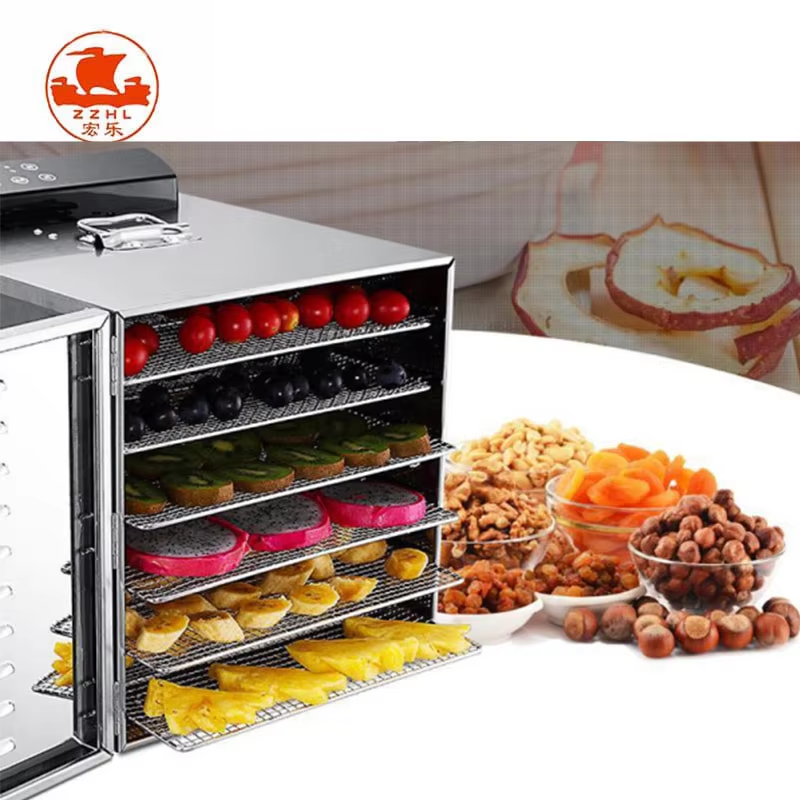
Nutrient Retention: How Air Dryer Performance Compares to Freeze Dryer
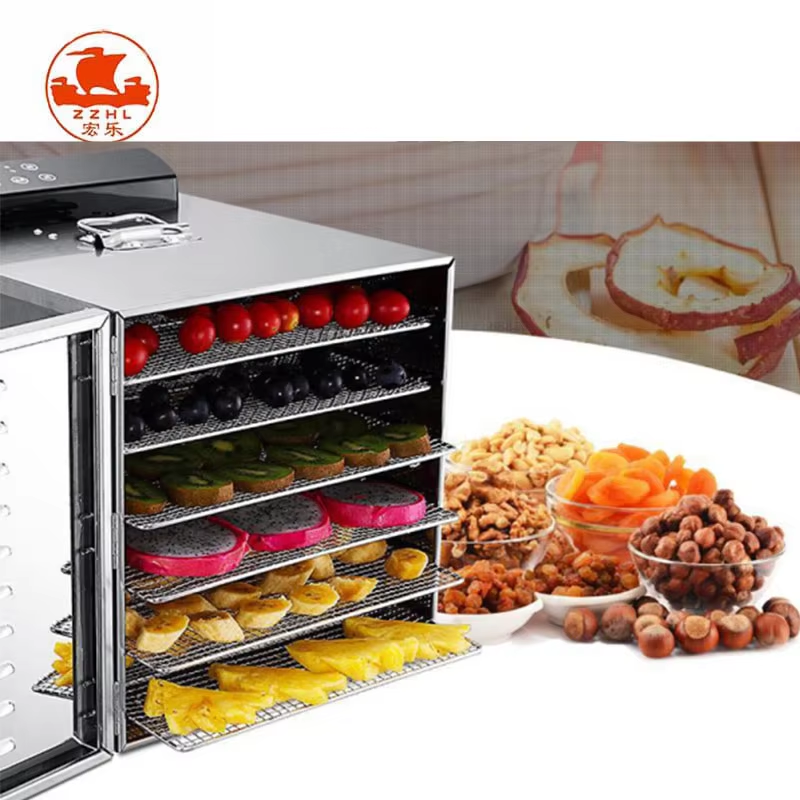
Vitamin C and Heat-Sensitive Phytonutrient Loss in Air Drying
When vegetables get air dried, they often face temperatures above 70 degrees Celsius or around 158 Fahrenheit. This heat speeds up oxidation processes and breaks down those temperature sensitive compounds inside the veggies. A study in Food Chemistry last year found that air drying can lead to about 60 percent less vitamin C compared to fresh produce. The main culprits? Those chemical reactions between amino acids and sugars plus the loss of delicate plant chemicals during drying. We also see flavonoids and carotenoids dropping somewhere between 40 to maybe even 55 percent. What happens is the cells basically fall apart when water leaves too quickly, which makes whatever nutrients are left even more vulnerable to getting damaged by oxygen. All this means not only do we lose out on nutrition, but food manufacturers might struggle to meet those health claim requirements on packaging as well.
Freeze-Drying Preservation of Antioxidants and Enzyme Activity
Freeze drying works at really cold temps around -30 to -50 degrees Celsius inside a vacuum chamber. This special setup lets water turn directly from ice to vapor without messing up the cells structure. According to some recent studies published last year in the Journal of Food Engineering, freeze drying keeps about 90 to almost 97 percent of those delicate nutrients that get destroyed by heat. The trick is how it locks antioxidants safely inside the cell walls while getting rid of oxygen which normally causes breakdown over time. What makes this method stand out is that it maintains enzyme activity too, something super important when food needs to soak back up water properly after being dried and still deliver all its nutritional benefits once consumed. Looking at actual numbers comparing different preservation methods shows just how effective freeze drying truly is.
Sensory & Functional Quality: Texture, Flavor, and Rehydration with Air Dryer and Freeze Dryer
Maillard Reactions, Aroma Loss, and Structural Collapse in Air Dryer Systems
When air drying occurs between 50 to 80 degrees Celsius, it starts those chemical reactions we call non enzymatic browning while also cooking off many of the delicate smell molecules. Studies show around 70 percent of the terpenes in herbs just vanish during regular drying processes. As water leaves the product, cells start to break down completely, creating this tough leather like texture that makes them hard to soak back up later on. Sometimes it takes over half an hour for these dried goods to absorb water again, and they tend to shrink quite a bit too. The heat from drying also messes with the pectin in plant cell walls, which changes how things feel when eaten and looks overall. This degradation means such products don't work well for high end restaurants or pre packaged foods where appearance and texture matter most.
Cellular Integrity and Rapid Rehydration Advantages of Freeze Dryer Output
The freeze drying process keeps food structures intact because it uses sublimation at low temperatures. This method preserves those tiny pores in the food matrix so things can fully rehydrate within about two minutes. The cell walls stay whole during this process, which means most of the flavors don't get lost. Take tomatoes for instance, they hold onto around 90 percent of their hexanal content. Plus, there's no caramelization happening here, so we avoid those unpleasant cooked smells. After getting water back into them, bell peppers still have that nice crunch to them, and green beans will actually snap just like fresh ones do. When done right, these rehydrated foods taste almost exactly like what we'd expect from something freshly picked.
Commercial Feasibility: Capital Cost, Throughput, and ROI for Air Dryer vs Freeze Dryer
Upfront Investment, Energy Use, and Labor Requirements by Technology
When it comes to upfront costs, air drying systems generally cost around half to two thirds less than freeze dryers right off the bat. They also don't guzzle nearly as much power since they mainly just need heat and some airflow management to get the job done. Freeze dryers tell a different story though. These machines chew through roughly three to five times more electricity because they have to keep running those cooling systems and maintain vacuum conditions. Plus there's all that extra work involved in keeping the condensers clear of ice buildup and making sure the pressure settings stay spot on. Looking at labor stats paints another picture too. On average, freeze drying operations need about 35 percent more man hours for every ton produced compared to air drying methods. This makes sense when we think about how complicated these systems are to run properly day after day.
Scalability for Mid-Size Processors: Case Benchmark from Zhengzhou HongLe Machinery
Zhengzhou HongLe Machinery conducted a comparative analysis looking at daily throughput of around 500 kilograms using these two different drying methods. Both approaches managed to hit the desired moisture content below 5 percent, but freeze drying came with significantly higher running costs because it needs so much energy for the sublimation process. Air drying paid back its initial investment within just 18 months, while freeze drying took nearly twice as long at 42 months before breaking even. Still worth noting though, products dried through freezing sold for anywhere between 40 to 60 percent more in international markets, especially when talking about things like functional foods or nutritional supplements used in clinical settings. Most facilities had trouble keeping up too since about eight out of ten businesses installing freeze dryers needed major electrical upgrades for three phase power, whereas air dryers generally work fine with what most places already have installed.
Shelf Life, Stability, and Storage Economics: Air Dryer Versus Freeze Dryer Outputs
When vegetables go through the freeze drying process, they can last an amazing amount of time on shelves sometimes even more than 25 years when stored normally because most of their moisture (over 95%) gets removed while keeping the cell structure intact. This helps keep nutrients from breaking down and means no need for extra preservatives or special cooling requirements. Regular air dried veggies are different though. They still have about 8 to 12 percent water left inside them, so they don't stay fresh nearly as long maybe just one or two years at best. And those need careful storage in controlled environments otherwise mold might grow or the texture could get ruined. From a business standpoint, freeze drying cuts transportation and warehouse costs dramatically around 70 to 90 percent because the product weighs so much less after processing. While freeze drying does cost more upfront, many companies find it pays off eventually especially if they want to market high quality products worldwide or need supplies that can sit in storage for extended periods without going bad.
FAQ
What are the main differences between air drying and freeze drying?
Air drying typically uses higher temperatures, resulting in nutrient loss and changes in texture, while freeze drying preserves nutrients by drying at low temperatures and under vacuum conditions.
Why is freeze drying more expensive than air drying?
Freeze drying requires more energy and complex equipment to maintain vacuum conditions and cold temperatures, leading to higher operational costs.
How does freeze drying affect shelf life?
Freeze-dried products can last significantly longer, up to 25 years, due to effective moisture removal and preservation of cellular structure.
Which drying method retains more nutrients?
Freeze drying retains significantly more nutrients like vitamin C and polyphenols compared to air drying.
Table of Contents
- Nutrient Retention: How Air Dryer Performance Compares to Freeze Dryer
- Sensory & Functional Quality: Texture, Flavor, and Rehydration with Air Dryer and Freeze Dryer
- Commercial Feasibility: Capital Cost, Throughput, and ROI for Air Dryer vs Freeze Dryer
- Shelf Life, Stability, and Storage Economics: Air Dryer Versus Freeze Dryer Outputs
