 EN
EN


How Modern Onion Peeling Line Technology Maximizes Yield and Minimizes Waste
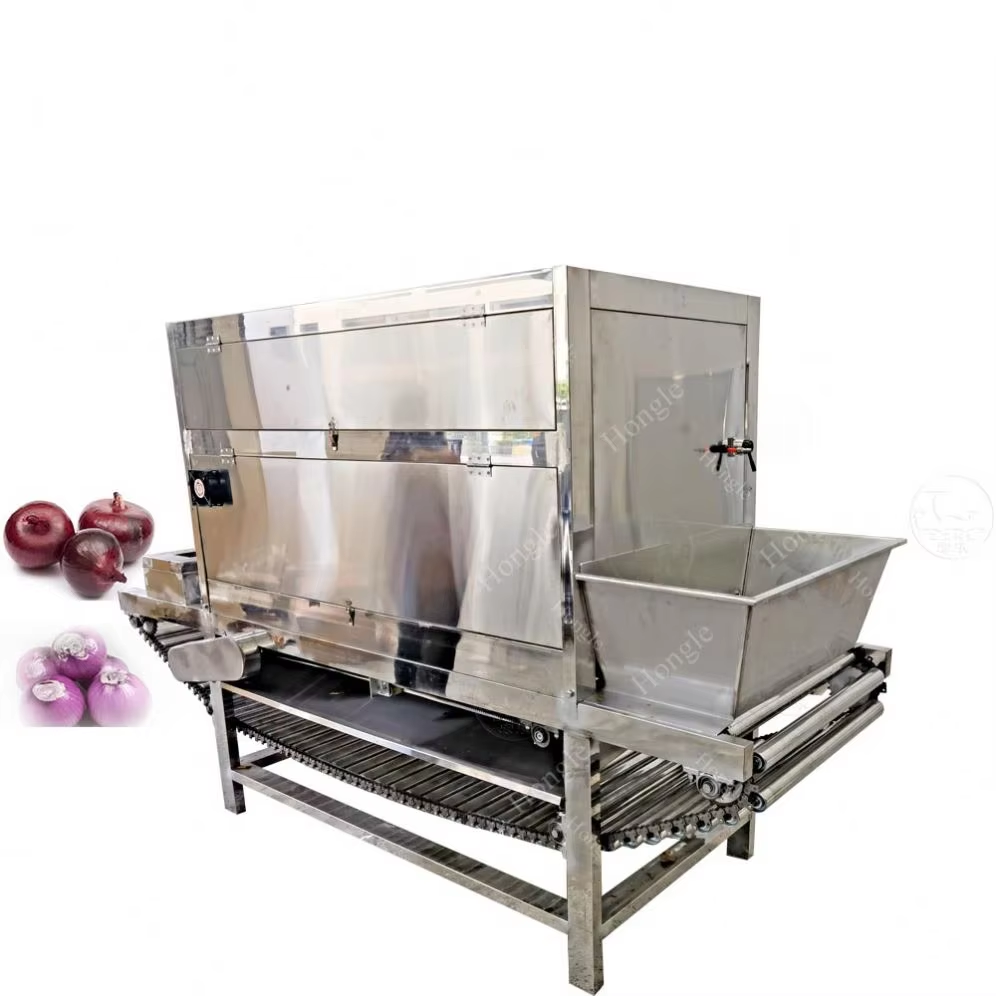
Abrasive Drum vs. Pneumatic-Vortex Systems: Performance Comparison for Skin Removal Efficiency
Today's onion peeling operations typically use one of two main methods: abrasive drums or pneumatic vortex systems, each suited to different production needs. The abrasive drum approach works by spinning rough textured rollers that basically rub the skin off onions through friction. This method gets the job done fast, which makes it great for processing tougher root veggies in bulk quantities. On the other hand, pneumatic vortex systems take a gentler approach. They create controlled air currents that literally blow the outer layers away without touching the actual vegetable flesh. This reduces wear and tear on the equipment while keeping the onion bulbs intact and looking good for packaging. Many processors prefer this method when quality presentation matters most.
For processors prioritizing yield preservation—especially with delicate or high-value varieties—the pneumatic-vortex system delivers superior skin removal with significantly lower flesh loss, directly supporting waste reduction goals.
Achieving >95% Peel Removal with <3% Flesh Loss: Engineering Precision and Real-Time Feedback Control
The best onion peeling systems now use infrared sensors to measure peel thickness combined with smart control software that adjusts things like roller pressure or air jet speed on the fly. This kind of responsive system works well even when dealing with different sized onions, varying moisture levels, and how tightly the skins stick. Operators typically get over 95% of the peel off without losing more than 3% of the actual onion flesh, no matter what type they're working with. The improved accuracy saves money too many plants have seen their yearly raw material costs drop between 15 to 20 percent simply because they waste less product. Plus, when the peels come off evenly, it makes the washing process work better downstream. There's also less chance of contamination since there's no need for workers to handle the onions manually after peeling, which means cleaner surfaces overall.
Integrated Onion Peeling Line Workflow: Seamless Washing, Drying, and Hygiene Assurance
Synchronized Peeling–Washing–Dehydration: Reducing Cross-Contamination and Manual Handling
Today's onion peeling operations combine peeling, cleaning, and drying all in one automated system, which cuts down on those spots where contamination usually happens when products get moved around. According to recent FDA figures from 2023, nearly half of all food recalls come from pathogens introduced during these transfer stages, so having everything happen in one place makes a big difference for safety. After peeling, onions go straight into several wash stations with either ozone treated water or antimicrobial solutions before hitting centrifugal dryers that knock off almost all surface moisture in just under two minutes flat. These systems operate in a completely sealed space aligned with HACCP standards, cutting human interaction by roughly three quarters. Sensors throughout constantly check water quality, temps, and air movement patterns, automatically adjusting settings whenever something goes outside acceptable ranges.
Critical Hygiene Gates: CIP-Compatible Design and NSF/ISO-Food Grade Compliance
Good hygiene starts right at the building stage. Product contact areas are made from either electropolished 304 or 316L stainless steel. The welding is done so there are no crevices where bacteria can hide, and the surfaces slope downward for proper drainage. We've got these automated CIP systems that run food grade detergents through built-in spray nozzles on a regular schedule. They knock out around 99.9% of biofilms without needing anyone to take anything apart. Our designs meet NSF/ISO 22000 standards too. That means we include electrical parts rated IP69K and floors sloped just right for those intense pressure and heat wash downs. All these things together cut down on cleaning time by about 40 hours each week. After cleaning, pathogens stay well under 10 CFU per swab test, which beats most international food safety requirements hands down.
Data-Driven Output Optimization in Onion Peeling Line Operations
Throughput Gains, Labor Reduction, and OEE Uplift: Lessons from a 42% Output Increase Case Study
Putting IoT monitoring systems into place during the peeling, washing, and sorting processes at our plant led to some impressive results: output jumped by 42% while we cut back on manual labor by 30%. The sensors told us something interesting - the feed rates going into those abrasive drums were all over the place, causing regular jams that wasted around 12 hours every week just sitting there fixing things. We fixed this by syncing up the conveyor speeds using these programmable logic controllers, which boosted our throughput from 3.2 tons per hour to a solid 4.5 tons per hour. At the same time, we swapped out the old manual quality checks for AI vision inspection systems. This freed up our workers to focus on predictive maintenance and keeping everything calibrated properly instead of spending their days looking for defects. Another big win came from vibration analysis that slashed unexpected downtime by 40%, pushing our Overall Equipment Effectiveness (OEE) metric from 65% up to 82%. The whole project cost about $220k, but we got our money back within 14 months thanks mainly to less rework needed, less waste overall, and lower labor costs since people weren't stuck doing repetitive quality checks anymore.
Material Integrity and Regulatory Compliance: Why Stainless Steel and Automation Are Non-Negotiable
For onion peeling lines, getting past regulatory hurdles and keeping things running smoothly really comes down to two main factors: using proper food grade stainless steel throughout and having full automation from start to finish. The electropolished 304 or 316L stainless steel we see in good quality systems doesn't just look clean either. It actually fights off corrosion pretty well, stops those pesky biofilms from forming, and can take whatever harsh cleaners get thrown at it during sanitation cycles. This makes all the difference when trying to meet those strict NSF and ISO 22000 standards most plants have to follow. According to recent food safety checks across the industry, switching to this type of material cuts down equipment breakdowns by roughly 60% compared to cheaper alternatives. Then there's automation itself which plays another big role. Studies show that when facilities automate their processes, they cut contamination problems caused by people handling vegetables by about 34%, according to FDA data from last year. When both these elements work together properly, operators get ready made traceability records whenever auditors come knocking. And let's not forget how much money gets saved too. A single recall incident costs around $740,000 on average according to Ponemon Institute research from 2023. These combined advantages create a solid foundation for any plant looking to produce safely while scaling up operations without compromising compliance standards.
FAQ
What are the main methods of onion peeling?
The main methods of onion peeling are the abrasive drum technique and the pneumatic-vortex system. Each method suits different production needs depending on speed, flesh loss, and the quality of peel removal.
Why is stainless steel important for onion peeling lines?
Stainless steel is crucial for ensuring hygiene, fighting corrosion, and preventing biofilm formation in onion peeling lines. It helps meet NSF and ISO 22000 standards that most plants need to follow.
How does automation improve the efficiency of onion peeling operations?
Automation reduces manual handling, decreases contamination risks, and increases throughput by synchronizing operations. It also aids in better data management for improved process control and optimization.
Table of Contents
- How Modern Onion Peeling Line Technology Maximizes Yield and Minimizes Waste
- Integrated Onion Peeling Line Workflow: Seamless Washing, Drying, and Hygiene Assurance
- Data-Driven Output Optimization in Onion Peeling Line Operations
- Material Integrity and Regulatory Compliance: Why Stainless Steel and Automation Are Non-Negotiable
- FAQ
