 EN
EN


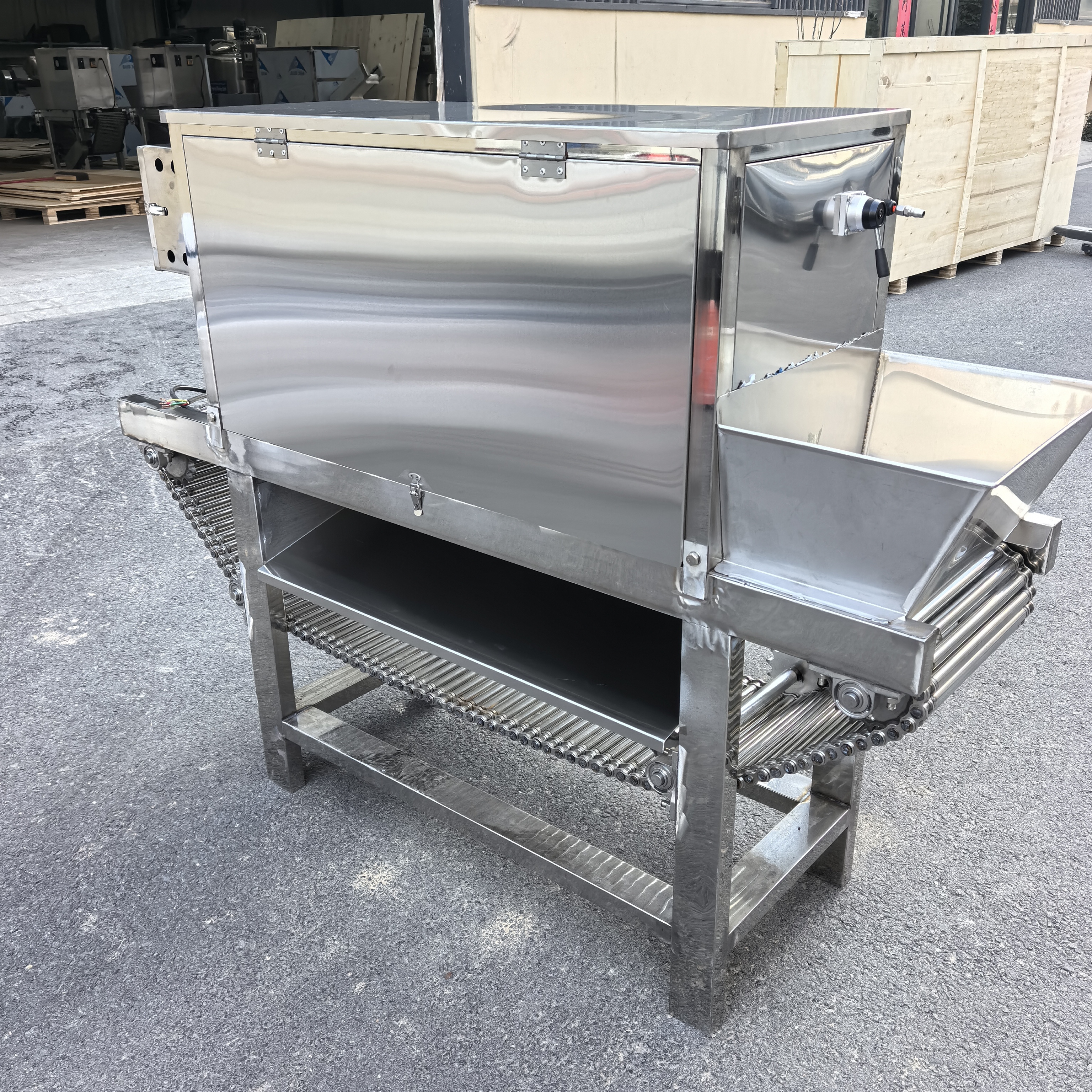
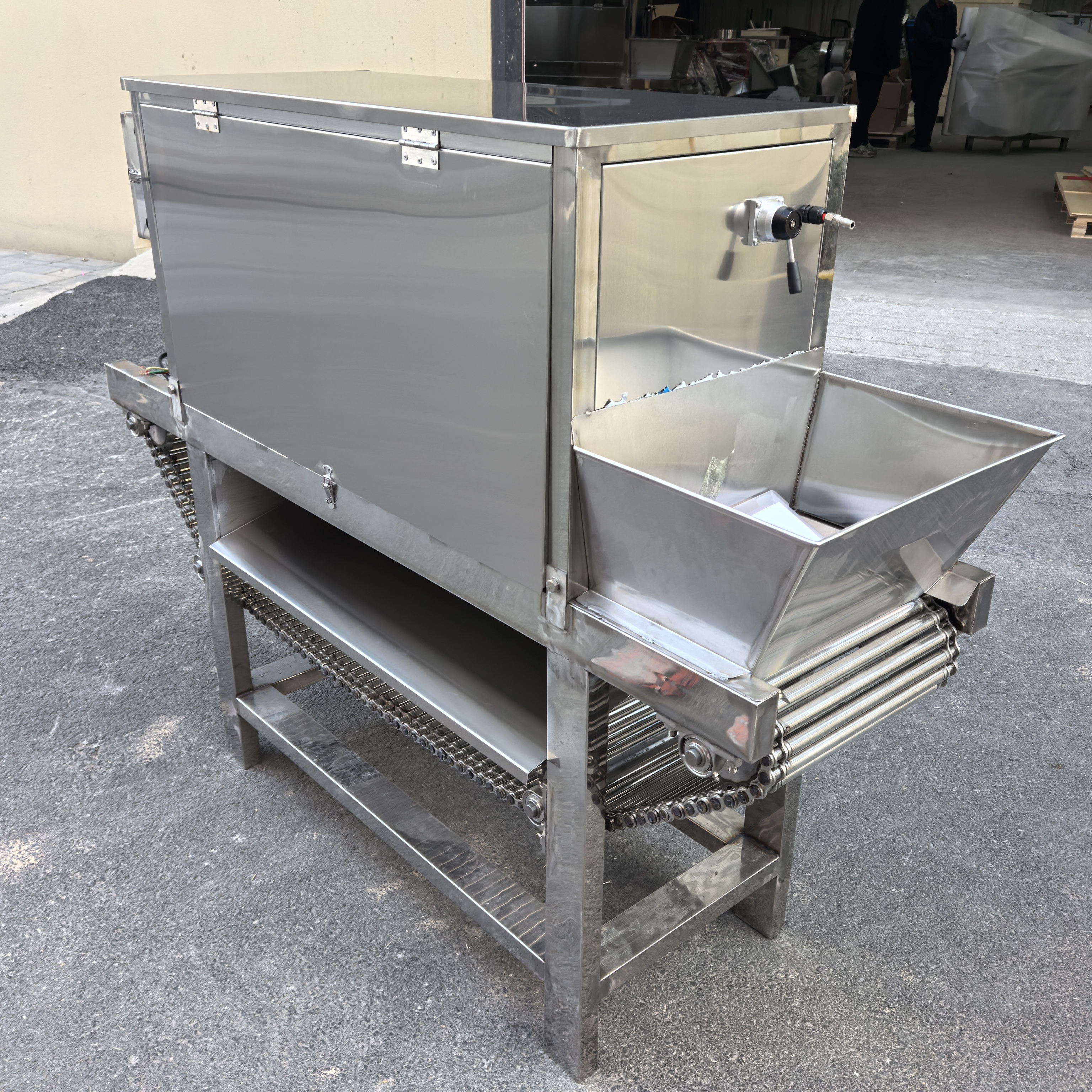
Why Peeling Precision Determines Yield, Quality, and ROI in Commercial Garlic Peeling Machines
The Cost of Imprecision: How Skin residue and clove damage trigger rejection, rework, and yield loss
When garlic isn't peeled properly during processing, it starts a whole mess of problems for commercial operations. Leftover skin bits get rejected by quality control right away, particularly at facilities where appearance matters a lot. This means having to reprocess batches, which takes about 20 to 30 percent more labor time and wastes extra water and energy. The real kicker comes when cloves get bruised because workers apply too much pressure. These damaged cloves release allicin faster, causing them to spoil quicker and reducing how long they stay fresh on shelves. Take a medium sized facility handling around 5 tons each day as an example. If just 7% gets lost due to damage or leftover skins, that adds up to roughly $40k disappearing from annual profits. All these little inefficiencies pile up over time, making machines take longer to pay for themselves and hurting overall profitability.
The physics behind precision: Force differentiation between skin adhesion and clove tensile strength
Getting precise peeling right depends on understanding the difference between how tightly skin sticks to cloves (about 0.08 to 0.12 MPa) versus how strong the cloves themselves are when pulled apart (around 1.2 to 1.8 MPa). Good machinery works by applying just enough force through methods like gentle rubbing or pressurized air so it breaks those skin bonds but doesn't crush the actual clove structure underneath. The tricky part comes from the fact that this sticking power can change by as much as 30% depending on what type of clove we're dealing with and when it was harvested. That's why top performing systems need to constantly tweak their settings to remain under the critical 0.5 N per square millimeter mark where cells start breaking down and everything falls apart. When done correctly, this scientific approach means we no longer have to choose between getting rid of all the skin and keeping most of the clove intact.
How Modern Garlic Peeling Machines Achieve Adaptive Precision Across Variable Inputs
Sensor-driven adjustment: Real-time air pressure, RPM, and torque feedback for dynamic calibration
The latest commercial garlic peeling machines come equipped with built-in sensors that keep track of things like air pressure, how fast the drum spins, and the amount of force needed to push through garlic skins all at a rate of about 200 readings every second. What makes these machines stand out is their ability to tell the difference between the stickiness of the outer layer (around 0.2 to 0.5 MPa) versus the actual strength of the clove itself (typically around 1.8 to 2.3 MPa). This kind of fine tuning represents a major improvement compared to older models that relied on fixed settings. These smart systems adjust themselves constantly based on factors such as how wet the garlic is, variations in size among different batches, and even which type of garlic they're dealing with. As a result, most operations report keeping peel removal rates above 99% no matter what comes off the farm, and importantly, they avoid those frustrating situations where garlic gets either too little peeling or ends up damaged. For a mid-sized processor, cutting down bruised cloves just by 5% translates into roughly $12 thousand extra profit each year according to industry estimates.
Design evolution: From fixed-clearance cylinders to modular, variety-specific peeling chambers
Moving away from those old school rigid cylinders toward modular peeling chambers represents something pretty significant for garlic peelers. Modern designs come with parts that can be swapped out depending on what kind of garlic needs processing. The bigger baffles work better for Rocambole's oddly shaped cloves while the gentler rubber surfaces protect Porcelain bulbs that tend to bruise easily. Some studies done after harvest in 2023 found these adaptable systems cut down mechanical stress by around forty percent compared to older fixed clearance models. What makes these new systems stand out? Let's take a look at some of the main improvements that have changed how we process different garlic types.
- Quick-swap chamber inserts accommodating 15–50 mm clove dimensions
- Adjustable airflow ducts directing compressed air at optimized angles
- Replaceable impact surfaces with tunable friction coefficients
This configurability allows one machine to process hardneck and softneck garlic without recalibration downtime—addressing the $740,000 in annual losses linked to inflexible equipment (Ponemon Institute, 2023).
Validating and Sustaining Precision: Calibration Protocols and Quality Control Integration
Keeping things precise requires strict calibration that meets industry standards along with built-in quality checks throughout production. Most top manufacturers stick to protocols aligned with ISO/IEC 17025 standards. They adjust factors like air pressure, RPMs, and torque depending on what kind of product they're making and how different each batch turns out. This helps them tell apart the stickiness of skins from the strength needed for cloves. At the same time, quality control systems watch over two main numbers using automated cameras: skin sticking rate needs to stay under half a percent, and clove structure must remain intact. When measurements drift beyond 2.3% off target, statistical controls kick in and automatically reset equipment settings. Research published last year in the Food Processing Journal backs this up. Putting all these together actually reduces yearly waste by about 18% without slowing down production below 1.2 tons per hour. Training employees properly on how to run calibrations and read live data changes everything. Instead of just catching problems after they happen, teams can now spot issues before they become big headaches. This makes for better long term results across precision levels, output volumes, and overall return on investment.
FAQ
Why is peeling precision critical in garlic processing?
Peeling precision is crucial because improper peeling leads to rejected products, increased labor and reprocessing time, clove damage, and significant profit loss.
What technological advancements help modern machines adjust for precision?
Modern machines use sensor-driven adjustments, real-time feedback, and modular design to adapt to different garlic types and batch variations.
How do calibration protocols affect garlic peeling machines?
Strict calibration ensures machines operate at optimal settings for different product types, maintaining high precision and reducing waste without affecting production speed.
