 EN
EN


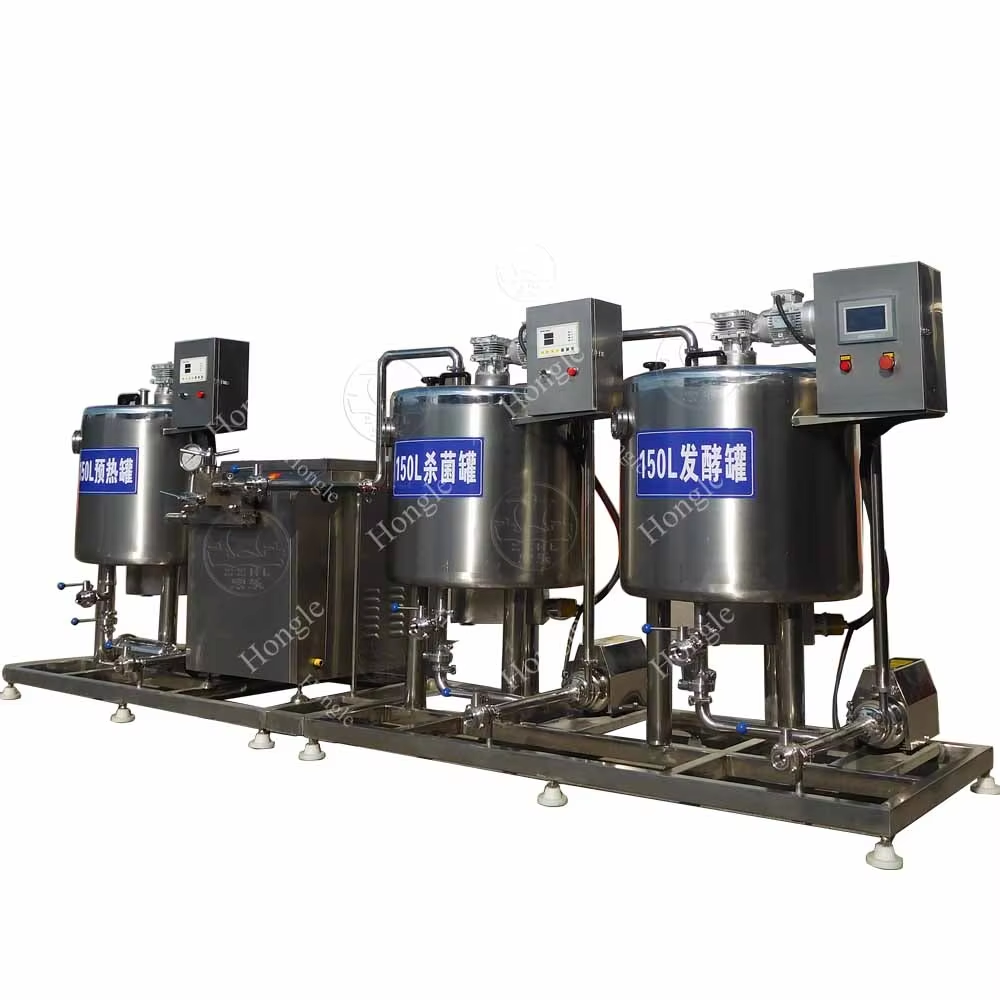
The Role of Automation in Enhancing Dairy Production Efficiency about Dairy Milk Pasteurizer
Understanding automation in dairy production and its evolving significance
The dairy industry is getting pretty automated these days. Farmers are bringing in things like robotic milking machines, programmable controllers, and all sorts of sensors that monitor everything automatically so people don't have to do as much hands-on work. Back in the day, most automation was just about making things run smoother mechanically. But now we're talking full digital systems that handle almost every step of the process right from when cows get milked until those products hit store shelves. Why? Well, there's this huge increase in worldwide milk consumption, plus regulators keep tightening up their rules about cleanliness, and farms really need to stay operational even during tough times. What started off as something nice to have for efficiency has become absolutely essential for anyone running a serious dairy operation today. For folks actually managing these farms, automation lets them grow their businesses without compromising on quality standards or safety requirements set by authorities.
Key drivers: Labor cost reduction and operational consistency
Cutting down on labor costs is still one of the main reasons farms adopt automation technology. Automated systems can reduce the need for manual work by around half according to Farmonaut research from 2025. But there are other advantages too beyond just saving money on wages. When machines take over tasks like milking schedules, barn cleaning routines, and how milk gets handled, it cuts out all those little differences that happen when people do things differently each day. The result? Better quality products overall, less waste from spoiled goods, and much easier compliance with food safety rules that everyone must follow. With ongoing problems finding enough workers and customers wanting higher standards than ever before, going automated isn't just helpful anymore it's becoming something dairy operations simply cannot afford to ignore if they want to stay competitive in today's fast changing agricultural landscape.
Reducing human error through automated milk handling systems
When people handle milk manually, there are several problems that come up regularly. The temperature might change too much during transport, different products could mix together by accident, and someone might forget to write down important details about each batch. All these things can really hurt both safety and how much good milk actually gets produced. That's where automated systems make a big difference. These setups work with much greater accuracy because they have sensors constantly checking the milk quality while it moves through the system. Valves open and close automatically based on what's needed at any given moment, and all the information gets recorded digitally without needing anyone to type it in later. Take pasteurization equipment for example. Modern machines keep track of heat levels so precisely that they hit exactly the right temperatures needed to kill harmful bacteria every single time. Less human contact means cleaner operations overall. Milk stays fresher longer and companies can track exactly where each batch went from farm to store shelf. Some dairy farms report up to 30% fewer quality issues after switching to automation.
Core Technologies Powering Smart Dairy Automation
PLC-controlled processes for precision in dairy processing
In today's dairy industry, Programmable Logic Controllers or PLCs act like the brain behind many operations, giving extremely accurate control over things like when pasteurization happens, how much pressure is used for homogenization, and the order valves open and close. The level of detail these controllers provide makes sure milk products stay consistently good quality throughout processing. Plus, they cut down on energy usage significantly compared to older manual methods, sometimes saving around 25%. These smart controllers tie together all sorts of equipment including pumps, temperature monitoring devices, and flow meters into one working system. What this means for dairy plants is smoother running processes with less wasted product, fewer stoppages in production lines, and ultimately better output from their facilities day after day.
Sensors, actuators, and controllers: The foundation of dairy automation technologies
In modern dairy operations, sensors, actuators, and controllers work together like puzzle pieces to create smart automation systems throughout the facility. Temperature sensors keep tabs on milk quality during storage, transport, and processing stages while flow meters watch how fast liquids move between tanks. The pH sensors are particularly important for cheese makers who need just the right environment for their cultures to thrive. All these measurements feed into pneumatic actuators that control valves and VFDs (variable frequency drives) which tweak motor speeds as needed. What does this mean in practice? More consistent product quality day after day, fewer surprises during inspections from regulators, and detailed records that help managers spot inefficiencies in their processes. Many dairy plants have found these integrated systems pay for themselves within a year through reduced waste and better resource management.
The role of the Dairy Milk Pasteurizer in automated thermal processing workflows
Today's dairy milk pasteurizers represent cutting edge thermal processing tech that works seamlessly with production lines. The best models can tweak their heating and cooling speeds as they go, responding to what's actually in the milk at any given moment. This means bad bacteria get wiped out but all those important nutrients and flavors stay intact. Most modern units come with built in cleaning routines too. When maintenance is needed, these machines have clever bypass systems so operations don't stop cold mid batch. Food safety remains rock solid even when technicians are running diagnostics or replacing parts.
Robotics and Industry 4.0 Integration in Modern Dairy Farms
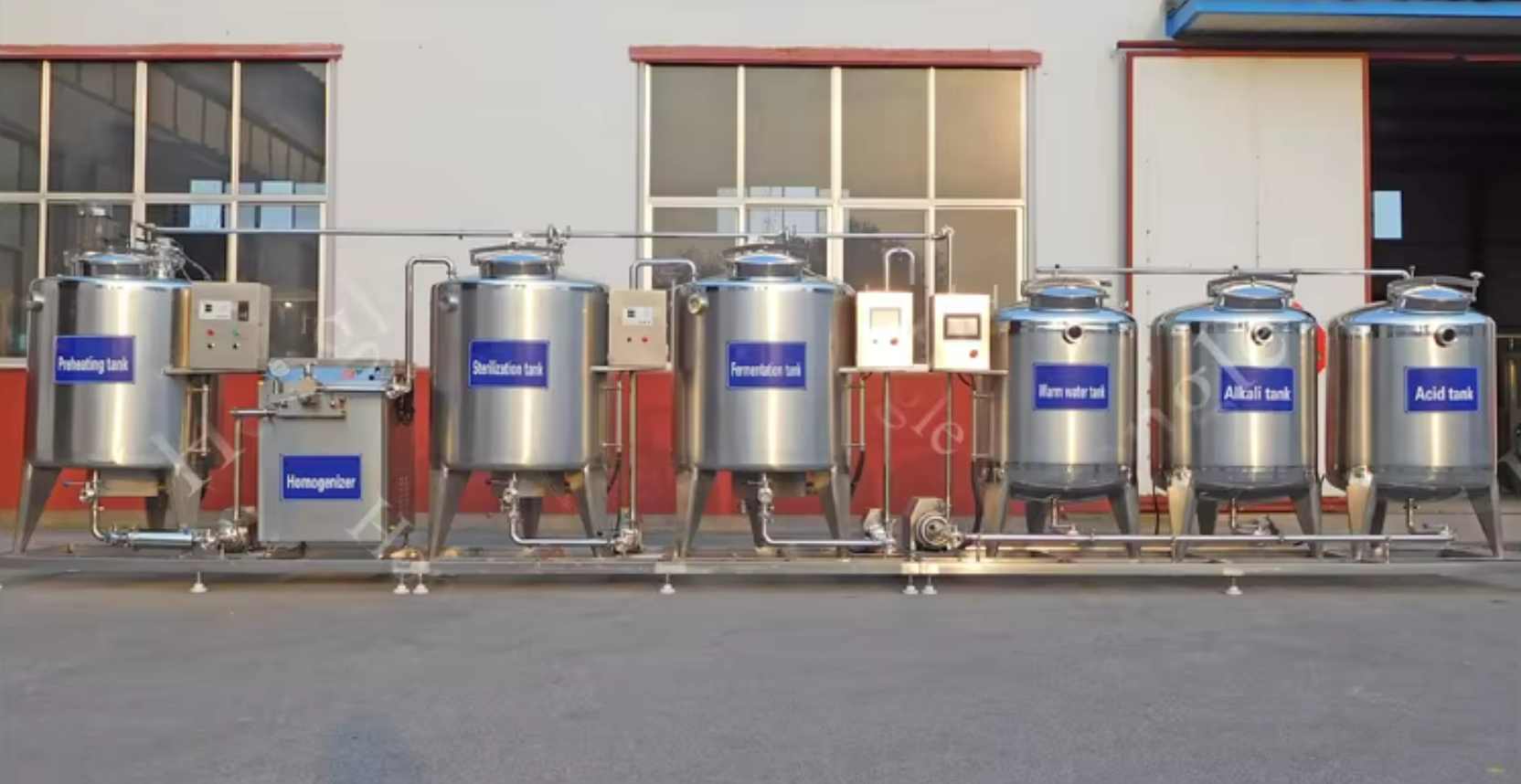
Robotic Milking Systems and Their Impact on Herd Management
The rise of Robotic Milking Systems (RMS) marks a major step forward for Industry 4.0 in dairy operations. These systems let cows choose when they want to be milked, which actually works better with how they naturally behave. Farmers have noticed something interesting too – stress levels drop significantly, and some farms report milk production going up around 12% since switching to robots, based on recent agricultural reports from 2024. Every time a cow uses the machine, it collects all sorts of information like how much milk came out, what the conductivity readings show, and checks on udder health conditions. All this collected info helps spot potential health issues before they become serious problems. The result? Better care for individual animals and ultimately higher output over time. Many dairy owners find these benefits make the investment worthwhile despite the initial costs.
Robotic Feeding Machines: Improving Feed Accuracy and Animal Health
Modern robotic feeders rely on sensors and data analysis to give each animal exactly what it needs nutritionally. These smart systems watch how much each creature eats throughout the day and tweak the mix accordingly, which means less wasted grain overall. Some farms report cutting down on wasted feed by about 15 to maybe even 20 percent when using these automated systems instead of old school methods. Pair them with health tracking devices and suddenly farmers get early warnings about potential issues. For instance, if a cow starts eating differently, the system can flag that before sickness sets in. The result? Better productivity across the board plus healthier livestock populations in the long run.
AI-Powered Data Analytics for Predictive Maintenance and Milk Yield Optimization
Smart tech is changing how dairy farms operate, giving farmers foresight into both machinery issues and animal health trends. The AI systems crunch through all sorts of information collected by automated milking machines, weather monitoring devices, and feed dispensers. They spot when something might break down long before it actually happens, which cuts unexpected repair time by around 40% according to recent industry reports from last year. When it comes to milk production itself, these algorithms pick up on subtle changes in temperature fluctuations, dietary needs, and even how cows behave during milking sessions. Based on this analysis, recommendations come in for tweaking things like feed composition or adjusting milking schedules to boost output while keeping milk standards high. Farmers who adopt this approach find themselves making informed choices ahead of problems instead of constantly putting out fires after the fact.
Real-Time Monitoring and Traceability in Dairy Processing Lines
Sensors connected through the Internet of Things are transforming how dairy plants monitor their operations in real time and keep track of products throughout processing. These smart devices constantly check things like temperatures, pressures, and how fast liquids move through pipes, and they will alert staff when something goes off track while keeping detailed logs for food safety requirements. The whole system gives plant managers complete sight into every step from when milk first arrives at the facility until it gets packed for shipment. This means problems can be spotted and fixed much quicker, and if there's ever an issue that requires recalling products, the necessary information is already available. Plus, consumers these days want to know where their food comes from and how it was handled, so having actual proof of this along with each batch helps build trust with customers who care about such details.
Digital Transformation and Operational Gains in the Dairy Sector
Mapping the dairy industry's digital transformation journey post-2020
The dairy industry really kicked things into high gear after 2020 when it started moving away from old school automation toward complete digital integration across operations. What we're seeing now is basically smart sensors working together with cloud computing and artificial intelligence throughout every step of milk processing. The main reason for this big switch? Well, companies needed better ways to handle supply chain issues and keep tabs on product quality in real time. Take pasteurization equipment for instance – many dairy plants now have their milk pasteurizers hooked up to central computer systems so technicians can monitor temperatures remotely and adjust heating as needed without being physically present. Industry reports suggest that dairy processors who went all in on these digital upgrades typically see around a 30% boost in production speeds while also cutting down machine breakdowns by about 25%. Plus there's the added benefit of tracking where products come from and how they're handled, which helps satisfy those strict food safety rules and makes consumers feel better knowing exactly what goes into their morning coffee.
FAQ
What are the primary benefits of automation in the dairy industry?
Automation in the dairy industry enhances efficiency by reducing labor costs and minimizing human error. It leads to consistent product quality, streamlined processes, and enhanced food safety compliance.
How do robotic milking systems affect dairy production?
Robotic milking systems allow cows to be milked according to their natural rhythms, reducing stress and potentially increasing milk production by up to 12%.
How does digital transformation benefit the dairy sector post-2020?
Post-2020, digital transformation in the dairy sector has resulted in enhanced production efficiency, reduced machine downtime, and improved traceability, contributing to better food quality management.
What role does AI play in modern dairy farming about dairy milk pasteurizer?
AI in dairy farming aids in predictive maintenance and milk yield optimization by analyzing data from various sources, allowing farmers to make informed decisions to prevent issues before they occur.
