 EN
EN


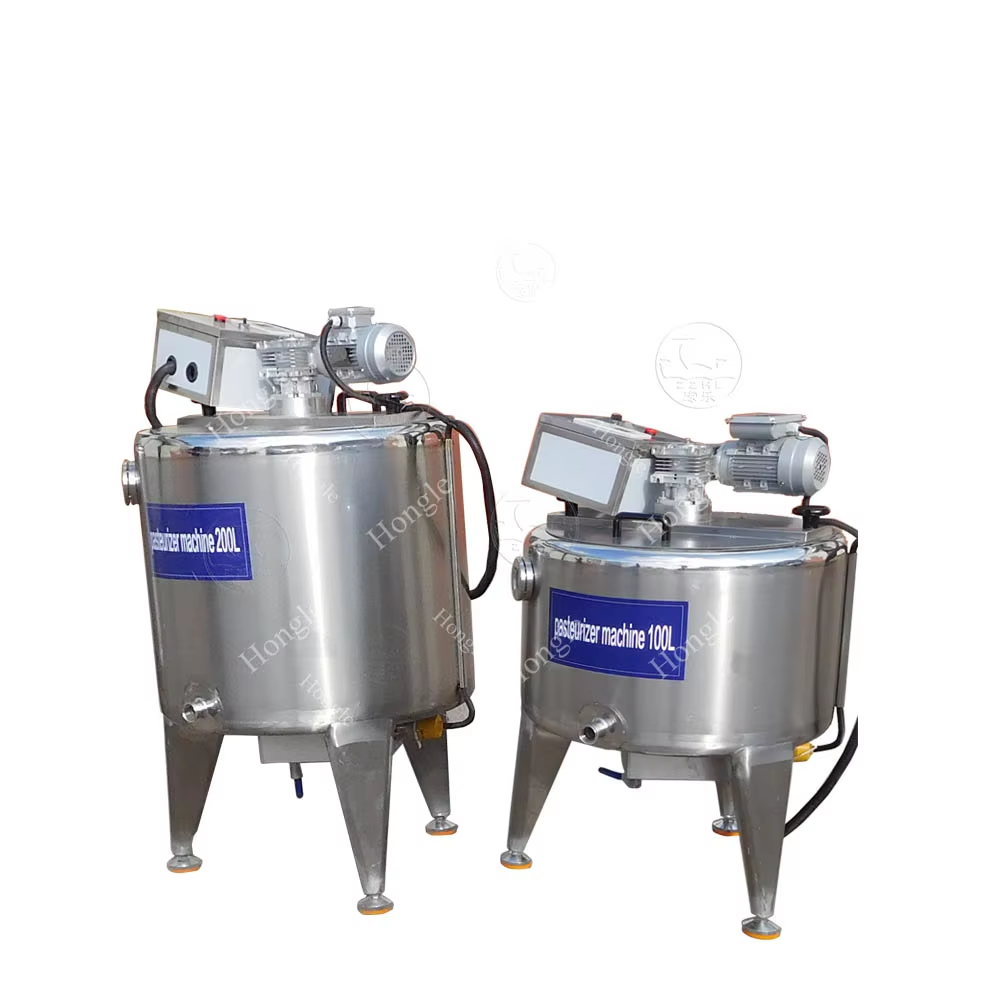
Understanding the Difference Between Cleaning and Sanitization in Dairy Dairy Milk Pasteurizer Processing
Sanitization vs cleaning in dairy processing: defining critical distinctions
In dairy milk pasteurizer operations, cleaning and sanitizing actually do very different jobs. When we talk about cleaning, we're basically scrubbing away all the dirt, bits of organic stuff, and any visible gunk stuck on equipment surfaces. This gets rid of the food source that bacteria would otherwise feed on. Sanitizing works differently though. It's either done with chemicals or heat treatment to knock down harmful microbes until they hit those safety levels set by health authorities. Understanding this difference matters a lot because good cleaning alone takes care of around 90% of bacteria present. But what about the rest? That's where proper sanitization steps in. The catch here is that most sanitizers just won't work through leftover soils or milk residue. So if there's still grime hanging around after cleaning, the sanitizer simply can't reach those hidden spots. That makes effective cleaning absolutely necessary before trying to sanitize anything.
The role of surface preparation in effective sanitization
How well surfaces get cleaned before processing has a huge impact on whether sanitization works properly in dairy operations. Both chemical and heat-based sanitizers need actual physical contact with bacteria to work effectively against them. Leftover proteins, fat residues, and mineral buildup basically form protective shields around microorganisms that stop sanitizers from doing their job right. The problem gets worse in places like plate heat exchangers and long stretches of pipeline where tiny surface irregularities become breeding grounds for stubborn biofilm growth. When facilities maintain thorough cleaning protocols, they ensure surfaces respond properly to sanitation treatments. This allows cleaners to reach proper concentrations, maintain adequate contact periods, and operate at correct temperatures needed to hit industry standards for pathogen reduction typically measured as a 5-log decrease in harmful organisms.
Why inadequate cleaning compromises sterilization of dairy milk pasteurizer systems
Poor cleaning practices create problems for proper sterilization because they leave behind spots where microbes can hide in dairy pasteurizer systems. Leftover soil builds up on heat exchange surfaces and along pipe walls, forming layers that act like insulation and lower how well heat works during pasteurization. What matters most though? These deposits actually protect harmful bacteria from getting killed off by either heat treatment or chemical cleaners, letting them survive and possibly contaminate the milk we process. The danger gets worse in those high temperature short time (HTST) systems where getting temperatures just right makes all the difference for killing pathogens. If cleaning doesn't happen properly, even small mistakes can result in contamination after pasteurization takes place, which raises chances of spoilage or making people sick. Cleaning isn't just something to do before processing starts it forms the very basis of keeping dairy products safe throughout the whole operation.
Heat-Based and Chemical Sanitization Methods for Dairy Milk Pasteurizer Systems
Heat-based sanitization methods (steam and hot water): principles and applications
When it comes to killing microbes, heat works wonders by breaking down proteins and messing with cell membranes through either steam or hot water. Steam cleaning typically hits around 170 to 212 degrees Fahrenheit (that's about 77 to 100 Celsius). What makes steam so effective? The condensation process actually transfers heat deep into those hard-to-reach corners of pasteurizers and storage tanks. Hot water sanitizing runs slightly cooler at approximately 180 to 200 degrees Fahrenheit (around 82 to 93 Celsius) and works great on parts that come into direct contact during processing such as fillers and homogenizers. These approaches eliminate bacteria without chemicals, which is a big plus for many facilities. But there's a catch they need about 15 to 30 minutes at just the right temperature to knock out pathogens effectively. Most food processors find these methods work best when dealing with equipment that can handle the heat, especially when chemical residue is something they want to avoid entirely.
Optimizing temperature and contact time in thermal sanitization
Thermal sanitization efficacy depends on the balance between temperature and exposure duration. Research shows that holding water at 185°F (85°C) for 20 minutes achieves similar microbial kill rates as 200°F (93°C) for 5 minutes in dairy systems. Key factors include:
- Maintaining minimum thresholds (e.g., 165°F/74°C for most pathogens)
- Ensuring uniform heat distribution
- Eliminating cold spots via proper circulation
- Validating results with temperature data loggers at critical points
Insufficient contact time is the leading cause of failure, particularly in complex piping networks where flow dynamics affect heat delivery.
Chemical sanitizers (chlorine, iodophors, QACs, amphoteric surfactants): mechanisms and efficacy
For those parts of dairy processing equipment that can't handle high heat, chemical sanitizers offer a good alternative solution. Chlorine based products work between 100 to 200 parts per million by breaking down cell structures, which helps fight off all sorts of bacteria and viruses across the board. Then there are iodophors at around 12.5 to 25 ppm concentration level. These guys get pretty deep into stubborn biofilms but watch out for stains on surfaces unless everything gets thoroughly rinsed after application. Quats, or quaternary ammonium compounds as they're officially called, attack microbial membranes directly and actually stick around afterward providing continued protection against contaminants. That makes them especially useful for keeping environments clean throughout operations. Amphoteric surfactants stand out because they adjust nicely to different pH conditions and play well with various types of materials used in food processing facilities. Industry standards say proper chemical sanitization involves several key factors including...
- Accurate concentration checks using test strips
- Adequate contact times (30 seconds to 10 minutes)
- Optimal temperatures (75–120°F/24–49°C)
- Thorough rinsing to prevent product taint
Comparative analysis of chlorine and iodophor performance in dairy environments
Chlorine and iodophors are two widely used chemical sanitizers, each with distinct advantages and limitations in dairy milk pasteurizer settings:
| Parameter | Chlorine Compounds | Iodophors |
|---|---|---|
| Effective Concentration | 100–200 ppm | 12.5–25 ppm |
| Contact Time | 30 sec – 2 min | 1–2 min |
| pH Sensitivity | High (>pH 8 reduces efficacy) | Moderate (pH 2–5 optimal) |
| Organic Material Interference | High | Moderate |
| Corrosion Potential | Moderate to high | Low |
| Biofilm Penetration | Poor | Excellent |
| Cost Efficiency | $0.02–0.05/gal | $0.08–0.12/gal |
While chlorine offers rapid action and lower cost, it degrades quickly in organic-rich environments. Iodophors provide superior biofilm penetration and stability but come at a higher price and require careful rinsing to avoid sensory impacts.
Advantages of quaternary ammonium compounds (QACs) in packaging line sanitization
Quat compounds, or QACs for short, bring some pretty good advantages when it comes to keeping packaging lines clean in dairy plants. What makes them special is how they stick to surfaces thanks to their positive charge, so they keep working even after regular cleaning sessions. This sticking power matters a lot on things like conveyor belts, filling nozzles, and wherever packages actually touch during processing. Unlike chlorine based cleaners, these quats don't break down easily in hard water or get knocked out by all the milk residue and other stuff floating around. Plus, they won't eat away at stainless steel equipment or damage plastic parts and rubber seals that make up modern dairy machinery. Another neat thing about quats? They come with built-in cleaning properties too. That means operators can tackle both dirt removal and disinfection at once on areas that aren't super critical, which cuts down on time spent scrubbing and chemicals needed overall while still meeting those tough hygiene requirements across the whole packaging zone.
Critical Factors Influencing Sanitizer Effectiveness in Dairy Operations
There are four main factors that affect how well sanitizers work in dairy settings: concentration levels, contact time, temperature conditions, and pH balance. Dairy processors need to keep these parameters under close watch as specified by both manufacturers and food safety regulations. Take chlorine based products for instance they generally need between 50 to 200 parts per million strength and enough time sitting on surfaces to actually get through those pesky bacterial defenses. Warmer temperatures speed up how fast chemicals react, so most cleaning solutions perform better when applied within their recommended temperature window. The acidity level makes a big difference too. Acidic options such as peracetic acid work best when things are quite acidic, whereas chlorine just doesn't cut it anymore once the environment becomes too neutral or alkaline. Even small mistakes with any single parameter can slash effectiveness by around 70 percent, which means all that hard work during cleaning gets wasted.
Critical factors: concentration, contact time, temperature, and pH balance
Getting the concentration right matters a lot. If there's not enough sanitizer, microbes survive. Too much creates problems like corrosion, build up of residue, and even breaking regulations. The contact time needs to match how the sanitizer works. Some products actually need several minutes to do their job properly, not just a quick swipe. Temperature plays a role too. Quaternary ammonium compounds (QACs) tend to work better when things are warm, but iodophors start to break down if they get too hot. Then there's pH levels which determine how stable chemicals stay. Acidic conditions help some oxidizers work better, while others prefer more alkaline settings. Regular checks and tests are necessary to make sure all these factors come together correctly so we get consistent results every time.
The impact of biofilm formation on sanitizer penetration
Biofilms remain one of the biggest headaches for anyone working in dairy processing plants. What makes them so problematic is how these sticky microbial colonies form protective coatings made from sugars, proteins, and even bits of genetic material that keep cleaning agents from getting through. Research indicates that bacteria living inside these biofilms can actually withstand disinfectant concentrations hundreds or even thousands of times higher than what would normally kill free swimming microbes. We tend to see these stubborn films growing in places where water doesn't flow properly within pasteurization equipment like around rubber seals, in pipe sections where liquid just sits, and all sorts of tiny gaps throughout the system. The worst part? Once they take hold, these biofilms constantly release microscopic contaminants back into the milk stream, which means problems keep coming up again and again no matter how thoroughly we clean. To tackle this issue effectively, plant operators need to combine physical scrubbing methods with high velocity water flows to break apart the protective layer first, then apply specialized cleaners that can actually reach what remains after mechanical cleaning.
Industry Paradox: Overuse of sanitizers leading to microbial resistance
Many dairy producers are worried about something counterintuitive happening with all those sanitizers they're using. Instead of stopping bad microbes, too much sanitizer might actually be making them stronger over time. When bacteria get hit repeatedly with just enough sanitizer to hurt but not kill them, they start developing defenses. Some build better ways to pump out chemicals, others change their cell walls so less gets inside, and some even make enzymes that literally eat away at the cleaning products. We see this adaptation clearly in troublemakers like Listeria and various Pseudomonas species. Things get really tricky when plants depend only on spraying chemicals rather than doing proper physical cleaning first. Leftover milk proteins and fats from processing stick around and basically act like shields against the sanitizers. What happens next? Well, workers tend to respond by cranking up how often and how strong they apply these cleaners, which ironically makes the problem worse because it pushes evolution in the wrong direction, favoring those hardier bacterial strains that survive despite everything thrown at them.
Preventing microbial resistance through systematic sanitizer rotation
The best way to fight against resistant microbes is through rotating different types of sanitizers so bacteria face various killing methods over time. Good cleaning programs switch between different chemical classes like oxidizers such as chlorine or peracetic acid, those that break down cell membranes including quaternary ammonium compounds, and others that inhibit enzymes found in iodophors. This approach makes it harder for microorganisms to adapt since they can't develop resistance to all these different approaches at once. How often to rotate depends largely on what the lab tests show about microbial presence and trends in contamination levels. Many facilities go with a quarterly schedule for regular areas but some locations needing extra protection might change their sanitizers even more frequently. Of course, none of this works unless workers actually follow the concentration guidelines and let each cleaner sit long enough to do its job properly. Some operations also incorporate heat treatment cycles periodically as an additional defense strategy. Keeping detailed records helps maintain consistency across shifts while allowing adjustments when new strains appear or current protocols start showing signs of reduced effectiveness.
Sanitization Protocols for Specific Milk Processing Equipment
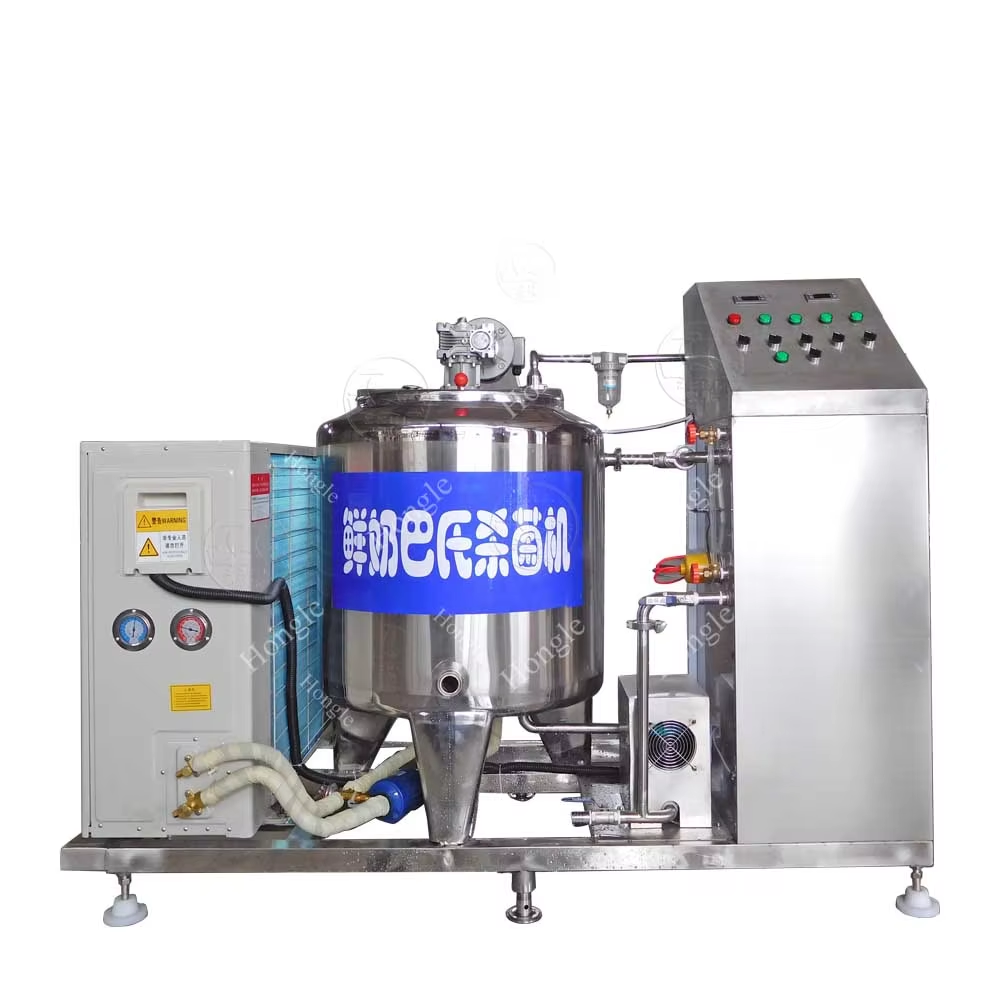
Sanitization of specific equipment: processing tanks, pipelines, and heat exchangers
The way we sanitize equipment really depends on what each component does and how it's built. For processing tanks, getting those sanitizers circulating properly at the right strength is essential. We need to pay extra close attention to those tricky spots inside like baffles and agitator shafts because that's where stuff tends to stick around. When dealing with pipeline systems, creating some turbulence when applying the sanitizer helps cover all surfaces thoroughly, especially around those connection points and valves which are notorious for hiding contamination. Heat exchangers are another story altogether. Their narrow passages and plate arrangements make them tough nuts to crack. These usually need chemical CIP treatments plus regular manual take apart checks just to be safe. Most industry guidelines suggest letting chemical sanitizers sit for at least 5 to 10 minutes in closed systems, though adjustments should be made based on actual temperature conditions and what concentration works best for the situation.
Sterilization challenges in aseptic packaging systems
The complex nature of aseptic packaging systems requires special approaches for sterilization because they contain delicate components that can't handle high temperatures. Most facilities turn to hydrogen peroxide vapor or peracetic acid when cleaning those critical areas like filling heads and seals. These methods work well since they won't mess with sensitive electronics or compromise the quality of packaging materials. The goal here is pretty specific though - getting rid of at least 99.9999% of microbes while keeping everything else in good shape. To make sure all this works as intended, companies run regular checks using biological indicators and keep tabs on their environment continuously. This helps them know for certain that those sterile conditions stay consistent throughout production runs.
Best practices for storage tank hygiene in continuous-operation dairies
Keeping storage tanks clean in continuous operation dairies needs good protocols without causing too much downtime. A good approach works by switching between different cleaning methods over time. For example, alternate quaternary ammonium compounds with heat treatments to stop bacteria from getting used to just one method. When checking tanks visually, make sure all inside areas can be seen properly. Pay special attention to those tricky spots where problems often start building up: dome lids, manway openings, and outlet valves tend to collect stubborn biofilms. Most facilities find it works best to do a complete cleaning cycle somewhere between once a day to three days apart based on how heavily they're being used. Between these thorough cleanings, running some chlorinated water through at around 3-5 parts per million helps keep things sanitary while waiting for the next full treatment.
Monitoring and Verification of Sanitization Effectiveness in Dairy Milk Pasteurizer Systems
Monitoring and verification of sanitization effectiveness using ATP swab testing
ATP or Adenosine Triphosphate swab tests let workers check how clean equipment really is right there at the site, since they pick up organic leftovers from surfaces. The test gives results almost instantly, so if something isn't quite clean enough, fixes can happen fast rather than waiting around. For dairy plants working with milk pasteurizers specifically, these tests become super important before starting production again after cleaning. They help make sure no microbes get into the system that might otherwise ruin the whole batch of milk products later on down the line.
Microbial plate counts and PCR-based detection in post-sanitation validation
ATP testing spots organic material, but when it comes to confirming microbes are actually present, we need better tools. Standard plate count methods do tell us about living organisms, though they require anywhere from one to two days to give answers. PCR technology offers quicker results and can detect even small amounts of harmful bacteria, which helps plant operators know their equipment is clean enough to restart operations safely. Dairy plants often combine several approaches like these to make sure everything stays sanitary across all processing stages.
Trend: Adoption of real-time sensors in dairy milk pasteurizer sanitation monitoring
Dairy plants today are getting serious about real time monitoring systems that keep tabs on sanitizer levels, temperatures, and contact times during every cleaning cycle. The sensors basically watch everything all day long and will send alerts when something goes off track from what it should be. Moving away from those old fashioned spot checks makes a big difference. Not only does it cut down on mistakes people might make manually checking things, but it also gives plant managers peace of mind knowing their pasteurizers are getting properly sanitized. Many farms report fewer contamination issues since switching to these continuous monitoring setups.
FAQ
Why is effective cleaning important before sanitization?
Effective cleaning is necessary to remove residues that can shield microbes, allowing sanitizers to work effectively and reach all surfaces.
What are the common methods for sanitizing dairy equipment?
Common methods include heat-based processes using steam or hot water, and chemical sanitizers like chlorine, iodophors, and quats.
How do biofilms affect sanitizer effectiveness?
Biofilms create protective barriers making it difficult for sanitizers to penetrate and kill the microbes hiding within these structures.
Can improper use of sanitizers lead to microbial resistance?
Yes, overuse or misuse of sanitizers can encourage bacteria to develop resistance, making them harder to kill over time.
What is the main difference between cleaning and sanitizing in dairy milk pasteurizer processing?
Cleaning involves removing dirt and residues from surfaces, while sanitizing targets reducing harmful microbes with chemicals or heat treatment after cleaning.
Table of Contents
- Understanding the Difference Between Cleaning and Sanitization in Dairy Dairy Milk Pasteurizer Processing
-
Heat-Based and Chemical Sanitization Methods for Dairy Milk Pasteurizer Systems
- Heat-based sanitization methods (steam and hot water): principles and applications
- Optimizing temperature and contact time in thermal sanitization
- Chemical sanitizers (chlorine, iodophors, QACs, amphoteric surfactants): mechanisms and efficacy
- Comparative analysis of chlorine and iodophor performance in dairy environments
- Advantages of quaternary ammonium compounds (QACs) in packaging line sanitization
- Critical Factors Influencing Sanitizer Effectiveness in Dairy Operations
- Sanitization Protocols for Specific Milk Processing Equipment
- Monitoring and Verification of Sanitization Effectiveness in Dairy Milk Pasteurizer Systems
-
FAQ
- Why is effective cleaning important before sanitization?
- What are the common methods for sanitizing dairy equipment?
- How do biofilms affect sanitizer effectiveness?
- Can improper use of sanitizers lead to microbial resistance?
- What is the main difference between cleaning and sanitizing in dairy milk pasteurizer processing?
