 EN
EN


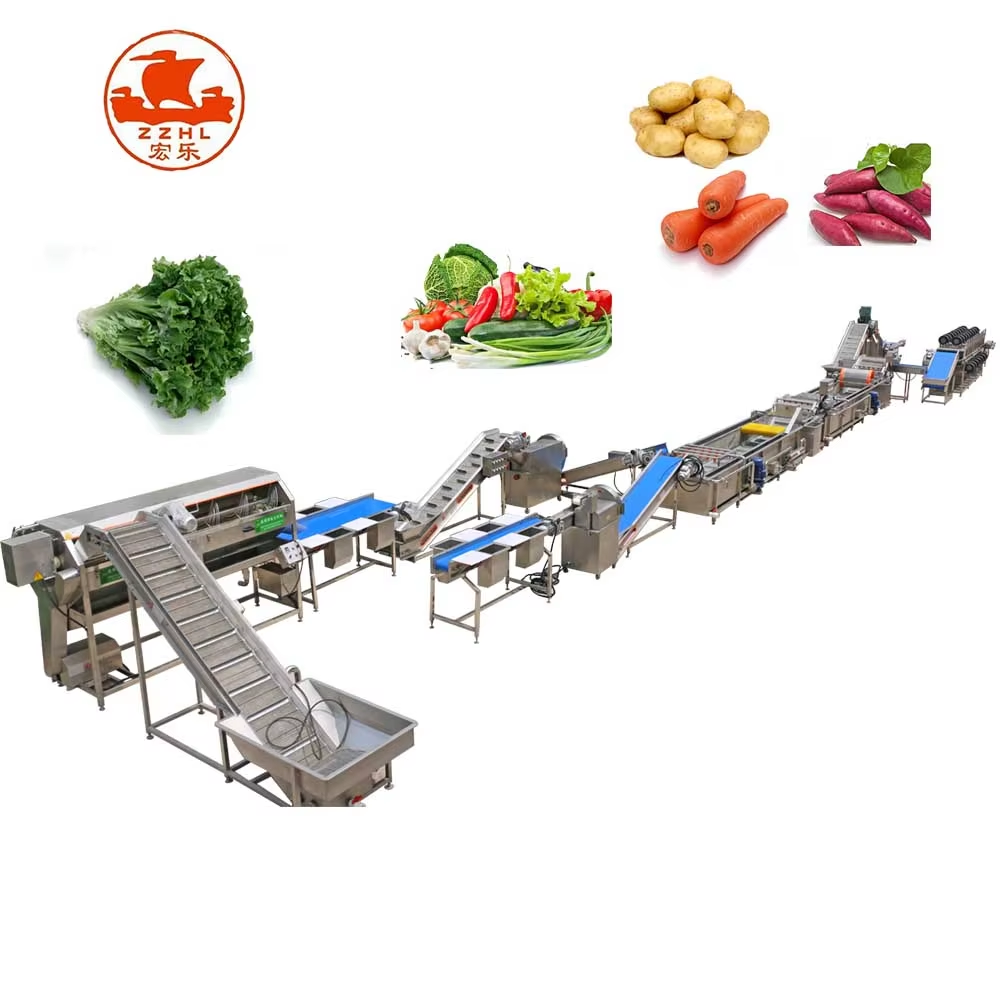
Understanding the Integrated Workflow of Fruits and Vegetables Washing Production
Good fruit and vegetable washing production lines work best when they follow a closely connected sequence that boosts efficiency while keeping produce quality intact. Most operations start at the intake stage, where fresh fruits and veggies get placed on conveyor belts or feeding mechanisms. After that comes the cutting phase, which might involve slicing, dicing, or shredding depending on what's needed. Then there are various washing stations that employ different methods like spraying water, creating bubbles, or fully immersing items to clean away dirt and other unwanted stuff. At the end of the line, automatic sorters kick in to categorize everything based on size, color differences, or visible flaws prior to packaging or moving to next steps. Putting all these elements together creates a streamlined workflow that cuts down on hands-on work and significantly lowers chances of cross-contamination or product damage during processing.
The core stages: from intake, cutting, and washing to sorting and output
Every step along the production line matters quite a bit. The intake system needs to manage all sorts of volume changes without getting backed up, otherwise everything comes to a grinding halt. Cutting equipment requires blades that can adapt when switching between different fruits and vegetables throughout the day. For washing stations, there's this tricky balance between getting things really clean but not so rough that it bruises the produce. Then we get to those fancy sorting machines these days, many equipped with cameras and smart software that actually recognize quality differences in real time. When each part connects smoothly to the next, the whole operation runs better and keeps output steady across batches.
How automation enhances consistency and throughput in Fruits and Vegetables Washing Production
Bringing automation into fruit and veg washing operations really speeds things up and makes everything more dependable. The cutting machines now produce slices that are all pretty much the same thickness, something humans just can't match consistently. And these smart washing units actually change how hard they spray and how long they run depending on whether they're dealing with leafy greens or root vegetables. Sorting systems have gotten amazing too – some plants can handle over 5,000 pieces an hour with hardly any mistakes slipping through. What this means for producers is higher volumes coming out the other end, plus every item looks good enough to meet those tough grocery store specs. Less food ends up getting tossed away because of size inconsistencies, which helps keep production costs down across the board.
Benefits of seamless integration across cutting, washing, and sorting stages
Full integration of cutting, washing, and sorting machinery makes operations run smoother and saves money in the long run. Less need to move products manually from one stage to another cuts down on labor expenses and keeps things cleaner since there's less chance of cross contamination during handling. The best part? These connected systems share information instantly. Imagine this scenario: when the sorting machine detects something off quality wise, it tells the cutting unit to slow down or change settings right away. Such smart coordination means less waste overall, smarter use of materials, and factories that can grow without breaking the bank on new equipment every time demand goes up.
Evaluating Key Machinery: Cutters, Washers, and Sorters for Optimal Performance
Types of fruit and vegetable cutting machines: slicers, dicers, julienne, and shredders
In today's food processing facilities, specialized cutting gear has become essential for handling all sorts of produce demands. Slicers give us those even slices we need for apples or potatoes, something that matters a lot when consistency is key. Dicers come into play when making those uniform cubes for veggie mixes, ensuring everything fits together just right. Then there are julienne machines which cut veggies into those thin strips perfect for salads and fancy garnishes. Shredders take over when dealing with cabbage or carrots, turning them into fine strands for coleslaw or stir fries. These different machines aren't just kitchen gadgets they actually serve very specific purposes across various stages of fruit and vegetable washing production lines throughout the industry.
Blade options, interchangeability, and customization for diverse produce needs
What kind of blades get used makes all the difference when it comes to how fast things process and what the final products look like. Most folks still stick with stainless steel because it doesn't rust easily, but there are these ceramic blades out there now that stay sharp way longer, especially good for slicing up soft fruits without bruising them. Big equipment makers have started putting together these quick change systems so workers can swap out blades pretty much on the fly, sometimes within just a few minutes flat. And let's not forget about those special custom blades either. Some companies need specific cuts for their products - think waffle shaped carrot slices or those curly potato chips we all love. These specialty blades mean factories can handle whatever crops come through the door season after season without having to completely overhaul their setup every time.
Washing systems: spray, bubble, and immersion technologies for hygiene and efficiency
Good cleaning systems combine several different methods to get rid of dirt and grime without damaging what's being cleaned. The high pressure sprays blast away stuff stuck on surfaces using powerful water jets, whereas those bubbly machines generate all sorts of turbulence in the water which helps clean fragile items like strawberries or lettuce without bruising them. For tougher jobs like washing potatoes or carrots, immersion tanks come into play where produce gets submerged and scrubbed clean, sometimes mixed with approved sanitizers to kill off bad bacteria. All these components fit together nicely in fruit and veg washing lines so they meet health requirements but still manage to save water by reusing it after filtering out impurities.
Advancements in sorting machines: AI, vision-based detection, and defect recognition
The latest sorting machines have really changed how we handle quality checks thanks to their advanced sensing tech. These computer vision setups take super detailed pictures faster than most people can count, probably around 100 items every second or so, while smart software looks at all sorts of quality factors at once. What makes these systems stand out is their ability to spot tiny flaws that even experienced workers often overlook. We're talking about things like slight color differences, odd shapes, or those pesky surface marks that just don't look right. When something doesn't meet standards, the machine sends it off to another part of the production line rather than letting it go through. This approach cuts down on wasted materials quite a bit and keeps the final product looking good across the board.
Matching Equipment to Production Volume and Operational Scale
Assessing production volume and capacity requirements to avoid bottlenecks
Getting clear on what kind of throughput is needed forms the base for picking out fruit and veg processing gear. Businesses should figure out how much product they want to handle each hour, measured either by weight or number of items, and match that against what different machines can actually do. Take it from experience: operations that deal with massive volumes every day, say processing several thousand kg worth of produce, absolutely need heavy duty industrial machines capable of keeping pace without slowing things down. Compare that to smaller setups like local farm stands where maybe just a basic countertop unit would suffice for their needs. Making these calculations at the start saves money in the long run and keeps everything running smoothly through each part of the production line without unexpected holdups later on.
Countertop vs. industrial models: scalability, space efficiency, and durability
When deciding between countertop and industrial equipment, most businesses look at how big their operations are and what they want to achieve over time. Countertop versions take up less room and don't cost as much upfront, so many small businesses or those testing new products find these work well. They fit nicely into kitchens where space matters and budgets are tight. Industrial models tell a different story altogether. These beasts are built to handle serious workloads day after day. Manufacturers construct them with tough stuff like food safe stainless steel because they need to survive constant cleaning and run nonstop without breaking down. For bigger operations that produce tons of product daily, investing in industrial grade equipment pays off in the long run despite the higher price tag.
Structural design and material quality for continuous-operation environments
When facilities operate across multiple shifts day after day, there's really no room for compromise when it comes to how sturdy and durable the equipment actually is. Most industrial machinery these days comes with heavy duty frames, those big commercial strength motors we all know and love, plus parts designed specifically to handle the constant shaking and scrubbing that goes along with regular maintenance routines. The whole setup usually relies on food grade stainless steel, mostly grades 304 or 316 if memory serves right. This kind of metal stands up remarkably well against rust and corrosion, meets all the necessary health codes, and just plain holds together better in places where moisture builds up fast and chemical cleaners get used constantly throughout the day.
Prioritizing Hygiene, Safety, and Cleanability in Food Processing Equipment
Material standards (e.g., food-grade stainless steel) and sanitation compliance
Food-grade stainless steel remains the industry standard due to its corrosion resistance, non-reactivity, and regulatory compliance. Equipment surfaces must be smooth, crevice-free, and easily cleanable to prevent bacterial growth. Proper material selection directly impacts food safety outcomes and equipment longevity in Fruits and Vegetables Washing Production environments.
Design features that enable rapid cleaning and minimize contamination risks
Hygienic design principles reduce cleaning time and contamination potential. Features such as tool-free disassembly, self-draining surfaces, and removable conveyor belts enable thorough sanitation between runs. These elements enhance food safety and minimize downtime, with some facilities reporting up to 40% reduction in cleaning time compared to traditional designs.
Worker safety mechanisms and maintenance accessibility in high-throughput lines
Operators working in busy industrial settings rely on safety mechanisms like interlock systems, emergency stops, and properly guarded machinery components to stay protected. When equipment is built with serviceability in mind - think front mounted controls and readily accessible parts - workers face fewer risks while performing regular maintenance tasks. For plants running around the clock, these safety measures matter a lot. They keep staff safe from accidents but also help maintain steady production flow without unexpected shutdowns caused by preventable incidents.
Choosing Integrated Processing Lines for Efficiency and Future-Readiness
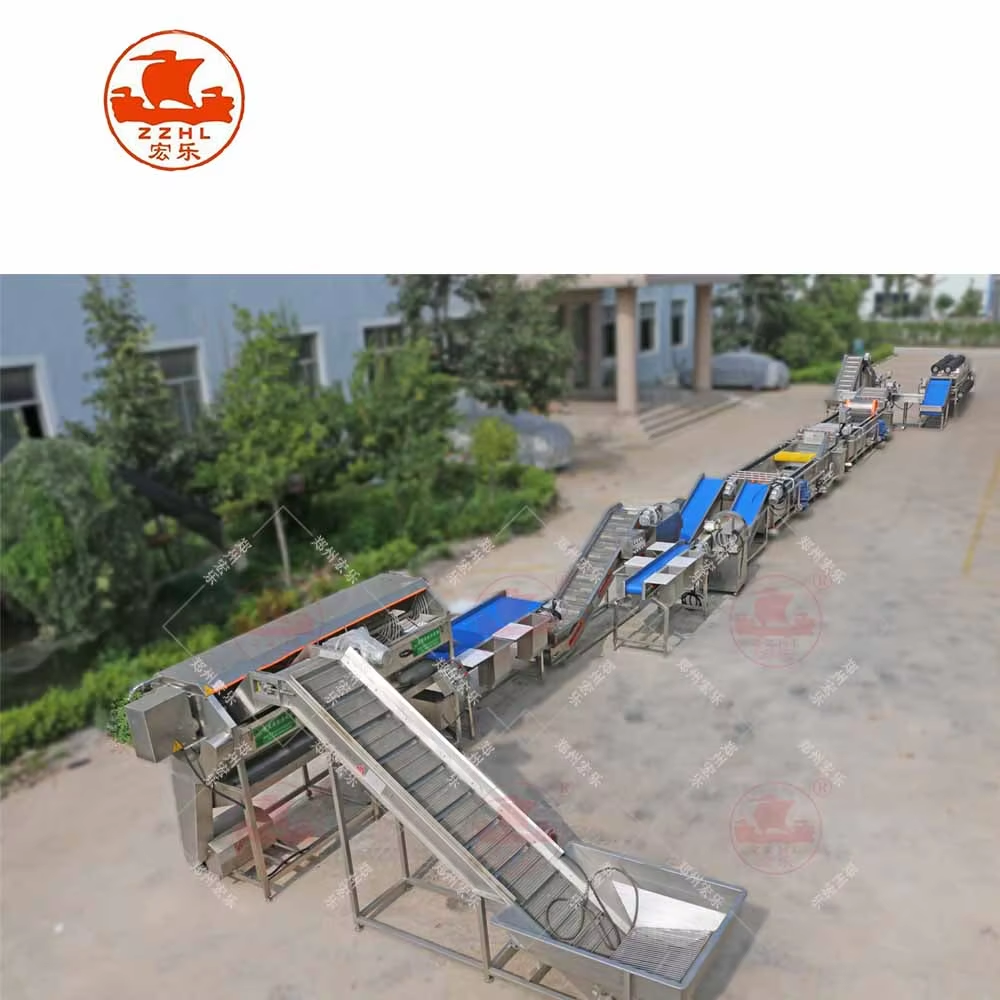
Advantages of Integrated Cutting, Washing, and Sorting Systems in Fruits and Vegetables Washing Production
When factories put together processing lines that handle cutting, washing, and sorting all in one go, they basically make their whole operation run smoother. These combined systems cut down on how much workers need to touch things manually, which lowers the chance of getting contaminants into the products. Plus, everything comes out looking pretty much the same quality throughout. Plants that have gone full automation with these integrated setups are seeing some impressive numbers too. Some report almost double the output rate compared to older plants where each step was separate. The main reasons? Machines work together without waiting for transfers between stations, so there's just less downtime overall.
Cost and Labor Savings Through End-to-End Automation
Full automation cuts down on manual work and saves money for fruit and veg washing operations. These automated systems run non-stop with hardly anyone needed to watch them, which means businesses spend way less on staff wages – maybe around half what they used to pay. Plus, the produce comes out looking just as clean every time. What's more, these smart machines actually use less water and electricity than traditional methods. Some companies report saving thousands monthly on utilities alone. For growers concerned about going green, this kind of setup makes sense both economically and environmentally. Many are finding that investing in automation pays off in multiple ways over time.
Future Trends: IoT-Enabled Monitoring, Smart Factories, and Predictive Maintenance
Integrated manufacturing lines today are moving into the realm of smart factories thanks to sensors connected via the Internet of Things and data analysis happening right now as things happen. What these setups do is keep an eye on how well everything runs, follow along with production numbers, and actually figure out when something might break down before it actually does. Plants that have implemented this kind of maintenance approach typically see around 35 percent less downtime and their machines tend to last longer too. Looking ahead, systems designed for tomorrow already let people watch operations from afar and tweak controls as conditions change throughout the day. Operators can make adjustments while watching live data coming in, responding to whatever comes next without missing a beat.
FAQ
What are the primary stages in a fruit and vegetable washing production line?
The main stages include intake and conveyance, cutting, washing, sorting, and output. Each stage contributes to maintaining quality and efficiency.
What types of cutting machinery are used in these operations?
Common types include slicers, dicers, julienne cutters, and shredders, each designed for specific produce and end product requirements.
What are the benefits of integrating cutting, washing, and sorting systems?
Integrated systems reduce manual handling, streamline operations, and maintain quality across the production line, leading to cost savings and efficiency improvements.
Why is food-grade stainless steel preferred for production equipment?
Food-grade stainless steel is corrosion-resistant, non-reactive, and compliant with sanitation regulations, ensuring safety and durability in production environments.
How does automation improve fruit and vegetable washing production operations?
Automation enhances consistency, speeds up processing, and reduces human error. It leads to higher throughput, more uniform results, and lowers operational costs by reducing labor requirements.
Table of Contents
- Understanding the Integrated Workflow of Fruits and Vegetables Washing Production
-
Evaluating Key Machinery: Cutters, Washers, and Sorters for Optimal Performance
- Types of fruit and vegetable cutting machines: slicers, dicers, julienne, and shredders
- Blade options, interchangeability, and customization for diverse produce needs
- Washing systems: spray, bubble, and immersion technologies for hygiene and efficiency
- Advancements in sorting machines: AI, vision-based detection, and defect recognition
- Matching Equipment to Production Volume and Operational Scale
- Prioritizing Hygiene, Safety, and Cleanability in Food Processing Equipment
- Choosing Integrated Processing Lines for Efficiency and Future-Readiness
-
FAQ
- What are the primary stages in a fruit and vegetable washing production line?
- What types of cutting machinery are used in these operations?
- What are the benefits of integrating cutting, washing, and sorting systems?
- Why is food-grade stainless steel preferred for production equipment?
- How does automation improve fruit and vegetable washing production operations?
