 EN
EN


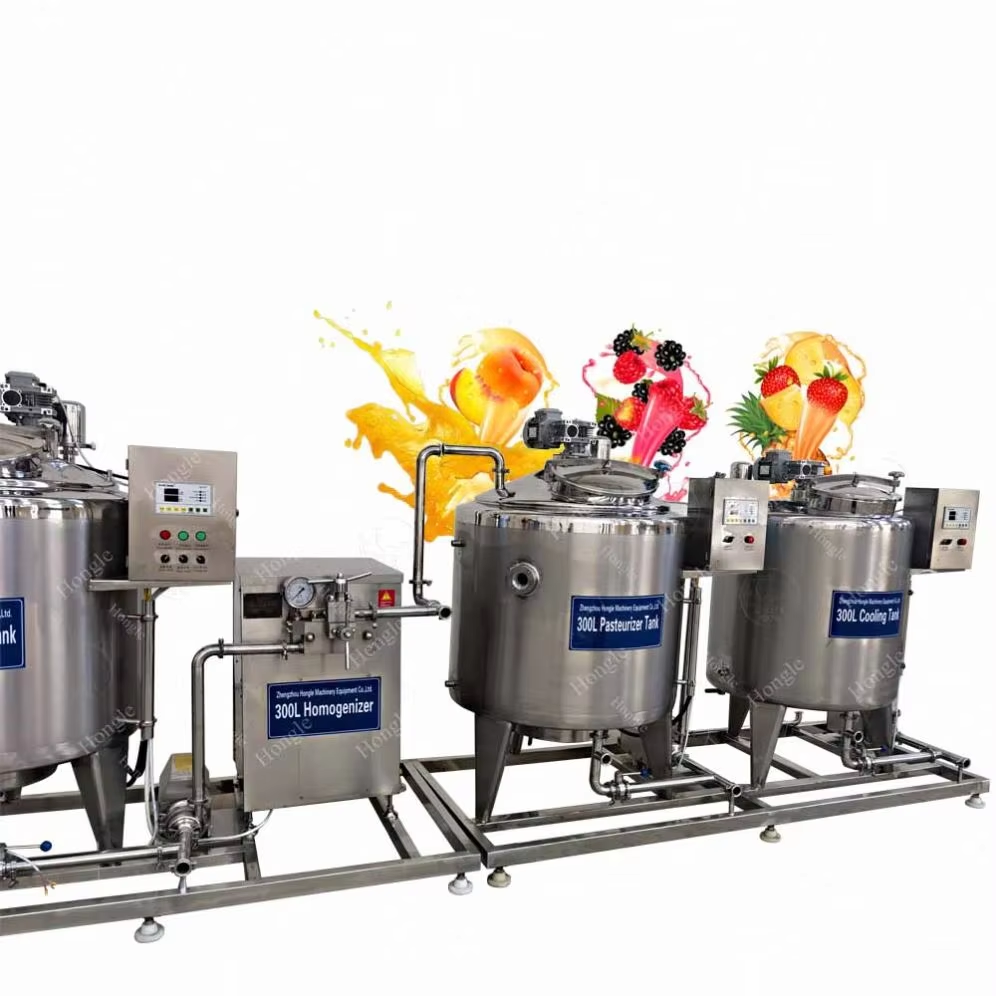
Core Milk Pasteurization Line Technologies: HTST, UHT, and Batch Systems Compared
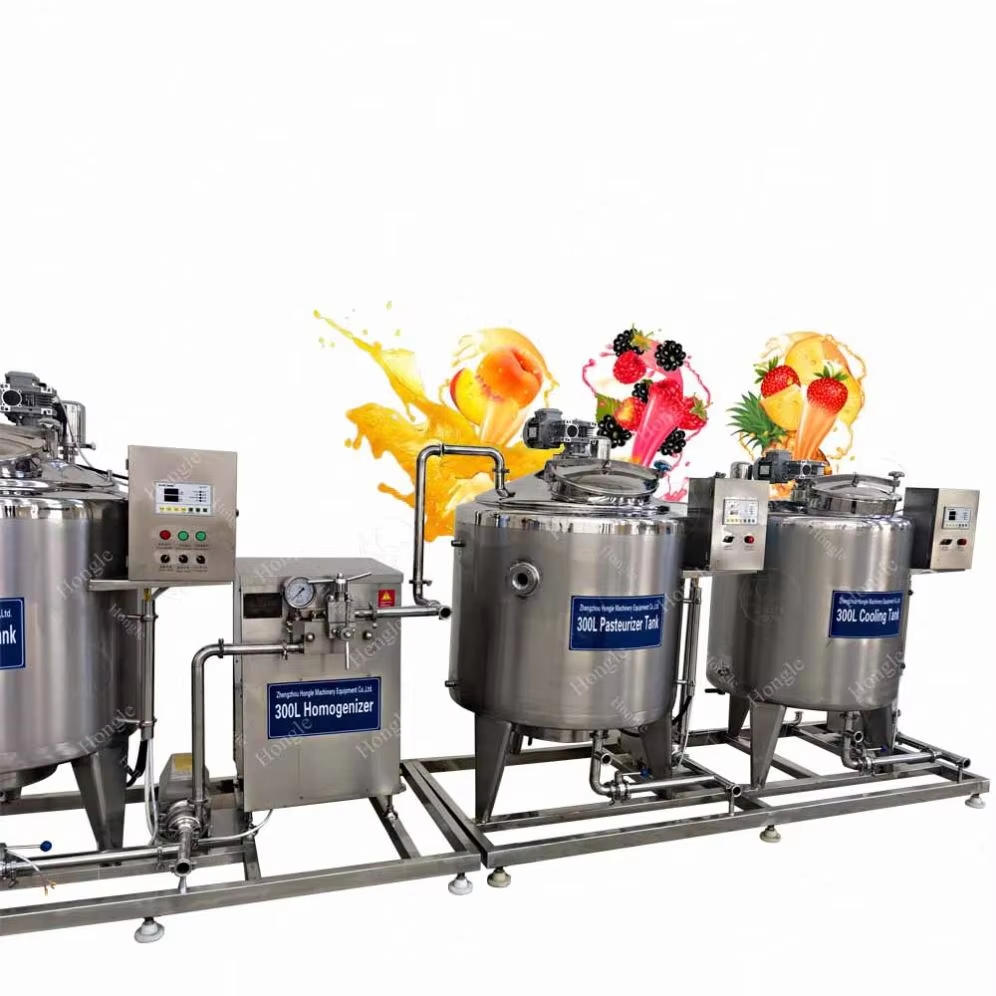
Functional Differences, Throughput Capacity, and Product Quality Implications
The High-Temperature Short-Time method, commonly known as HTST pasteurization, warms milk up to around 72 degrees Celsius or 161 Fahrenheit for about 15 seconds using those continuous flow systems we see in big dairy plants. These industrial setups can handle over 10 thousand liters every hour. The process keeps milk tasting fresh and retains most of its nutritional value, though it does need to be kept cold during transportation and storage. Then there's Ultra-High Temperature processing where milk gets blasted to 138 degrees Celsius (that's 280 Fahrenheit) for just two seconds flat. This creates products that last on shelves without refrigeration for anywhere between six to nine months. But here's the catch: subjecting milk to such extreme heat often gives it that slightly cooked taste and knocks out some important vitamins like B12 and folate. For small operations, batch pasteurization remains popular. This involves keeping milk at approximately 63 degrees Celsius (about 145 Fahrenheit) for half an hour in stationary tanks. Great for tiny dairies making no more than 500 liters daily, but scaling up becomes problematic and consumes significantly more energy compared to other methods. All these techniques manage to kill off harmful pathogens according to standards set by regulations like the Pasteurized Milk Ordinance. Still, each approach comes with different costs and benefits that influence how producers position their products in the market. HTST stands out with roughly 92 percent energy efficiency when running continuously, whereas traditional batch systems typically eat up about 30 percent more energy per liter processed.
When to Choose Modular Automation: Scalability and Integration Benefits in Modern Milk Pasteurization Line Designs
Dairy farms looking to grow gradually or handle different types of products often find modular automation systems work best for them. When dairy processors need to expand their capacity, they can install pre-made HTST or UHT processing units instead of replacing entire production lines. This approach saves about 40% on installation time compared to building everything from scratch. The systems come equipped with sensors and those fancy PLC controllers that adjust things like flow rates, temperatures, and pressure throughout the whole setup. What this means in practice is that operations can scale smoothly from handling around 5,000 liters per day up to 50,000 liters daily without stopping production. Another big plus is built-in record keeping features that meet FDA requirements under 21 CFR Part 117, so audits aren't such a headache anymore. Mid-sized dairy businesses aiming at expanding into local markets benefit especially well since these modular setups cost less upfront but still leave room for adding new capabilities down the road. That makes them smart investments both now and in the long term.
Matching Milk Pasteurization Line Scale to Your Production Strategy and Market Goals
Micro-Dairy (≤500 L/day) vs. Regional Plant (≥10,000 L/day): Throughput, Footprint, and ROI Considerations
Getting the right size scale for milk pasteurization really matters when it comes to running things efficiently and making money down the road. Small dairies handling around 500 liters per day or less tend to focus on being able to adjust operations easily, keeping initial expenses low, and needing minimal space often under 50 square meters these work great for small farms or specialty local markets. On the flip side bigger regional facilities processing at least 10 thousand liters daily need continuous high volume systems that take up much more room over 500 square meters typically to house all the equipment needed for processing, cooling, cleaning in place systems, and packaging setup. There are several important differences between these approaches worth noting.
- Throughput: Micro-dairies typically use batch systems (≤100 L/hr); regional facilities deploy HTST or UHT lines operating at 2,000–20,000 L/hr.
- Footprint: Compact batch or small-scale HTST units fit into existing barns or repurposed spaces; regional lines require purpose-built, climate-controlled environments.
- ROI: Micro-dairies often reach breakeven in 6–12 months due to premium pricing and lean overhead; regional plants require 3–5 years to recoup investment but gain significant economies of scale in logistics, labor, and bulk ingredient sourcing.
Misalignment between capacity and market goals carries real risk: non-modular micro-dairy systems hinder regional expansion, while oversized lines in small operations inflate idle capacity, maintenance costs, and energy waste.
Regulatory Compliance Built In: Designing Your Milk Pasteurization Line for PMO and FDA 21 CFR Part 117
Critical Control Points (CCPs) Embedded Directly into Milk Pasteurization Line Architecture
Compliance really starts with the actual equipment rather than just filling out forms. These days, most modern milk pasteurization systems have built-in Critical Control Points or CCPs right into their design. This means they automatically follow requirements from both the Pasteurized Milk Ordinance and FDA regulation 21 CFR Part 117 without needing constant checks. The big advantage here is that it cuts down on all those paper logs people used to keep track of things manually. According to some research published last year in the Journal of Dairy Science, this kind of automated approach actually reduces mistakes made by workers by around 70%. Some important safety features that come standard in these systems include:
- Precision temperature sensors (±0.5°C tolerance) positioned at holding tube inlets and outlets
- Magnetic flow meters synchronized with PLC timers to enforce minimum hold times
- Fail-safe valve logic that diverts under-processed product before it reaches packaging
Pressure transducers that are sealed along with valves designed for hygiene help stop cross contamination when cleaning takes place. These aren't just extra parts bolted on later either. They come built right into how thermal kill steps get validated and work within Clean-in-Place systems. The sanitation protocols have already been checked off against FDA regulations found in 21 CFR Part 117 about surface cleanliness standards. When manufacturers build this kind of infrastructure from day one, it actually protects them as food safety rules keep getting stricter under FSMA. Plus, having everything logged digitally in real time makes those pesky third party inspections go much smoother since there's clear evidence nothing got tampered with during the process.
Preserving Quality Post-Pasteurization: Cooling, Contamination Control, and Packaging Zone Integrity
Chiller Sizing, Temperature Ramp Standards, and Shelf-Stability Assurance
Post pasteurization cooling really matters because the FDA says milk needs to hit 4 degrees Celsius within half an hour after processing. If this doesn't happen properly, bacteria can start growing again, especially when temperatures stay above 7 degrees, which is considered dangerous territory. Spoilage happens faster too. Chillers that aren't big enough will shorten how long products last on shelves, affect taste and appearance, and create safety issues for consumers. A good rule of thumb is about 500 kilowatts needed for each 10,000 liters processed per hour. The speed at which temperature drops matters just as much. Going over 0.5 degrees per minute while cooling causes proteins to break down, resulting in problems like bad texture and cream separating from the milk. Modern dairy plants are installing automated chillers with real time temperature monitoring these days. These systems help meet regulations and studies show they cut down spoilage by around 40 percent compared to older methods.
Why Packaging Zone Airflow Is the Leading Cause of Post-Pasteurization Failures
Pasteurization efforts tend to falter right at the packaging stage. Studies indicate around two thirds of all contamination after processing actually happens during packaging operations, not because the heating wasn't sufficient, but due to poor control over the surrounding environment. What's happening here? When there's improper pressure balance, outside air gets sucked in through gaps, bringing along troublemakers like Bacillus cereus spores and other microbes that survive even high temperatures. To really tackle this problem, facilities need to maintain ISO Class 7 cleanroom standards. That means keeping airflow moving downward at least 0.3 meters per second, installing HEPA filters that catch nearly all particles down to 0.3 microns, and regularly checking how air moves around the area. Plants that have put these measures in place see roughly half as many issues after pasteurization compared to places that just focus on worker cleanliness and occasional cleaning routines.
FAQ Section
What is the main advantage of HTST pasteurization?
The main advantage is that it maintains milk's freshness and nutritional value while being efficient, processing over 10,000 liters per hour.
Why might UHT pasteurization affect the taste of milk?
UHT pasteurization applies extreme heat, which can result in a slightly cooked taste and the loss of some vitamins like B12 and folate.
Why choose modular automation systems?
They allow for scalable production, save installation time, and come equipped with technology to monitor and adjust production processes efficiently.
What regulatory requirements must milk pasteurization lines comply with?
They must comply with the Pasteurized Milk Ordinance (PMO) and FDA regulation 21 CFR Part 117, including having critical control points embedded in their design.
How important is post-pasteurization cooling?
Very important. Poor cooling can lead to bacterial growth and spoilage, impacting product shelf life and safety.
Table of Contents
- Core Milk Pasteurization Line Technologies: HTST, UHT, and Batch Systems Compared
- Matching Milk Pasteurization Line Scale to Your Production Strategy and Market Goals
- Regulatory Compliance Built In: Designing Your Milk Pasteurization Line for PMO and FDA 21 CFR Part 117
- Preserving Quality Post-Pasteurization: Cooling, Contamination Control, and Packaging Zone Integrity
