 EN
EN


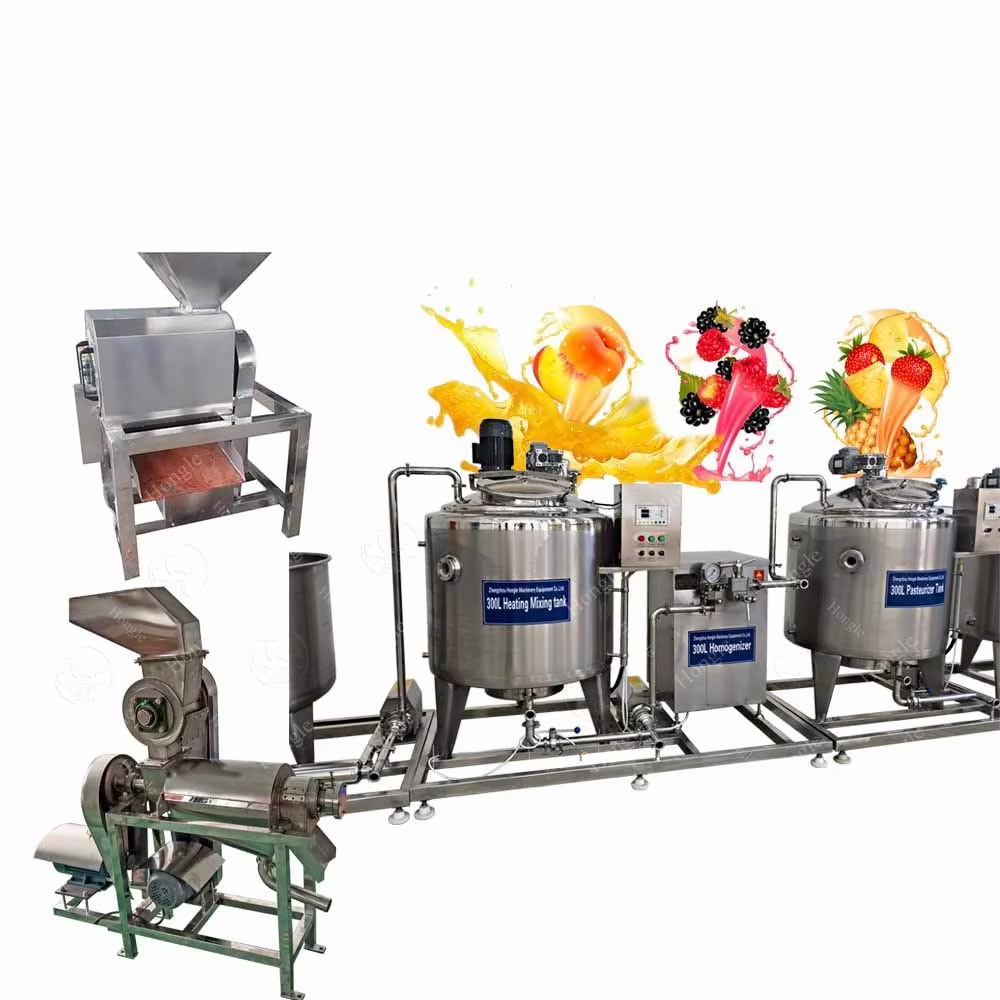
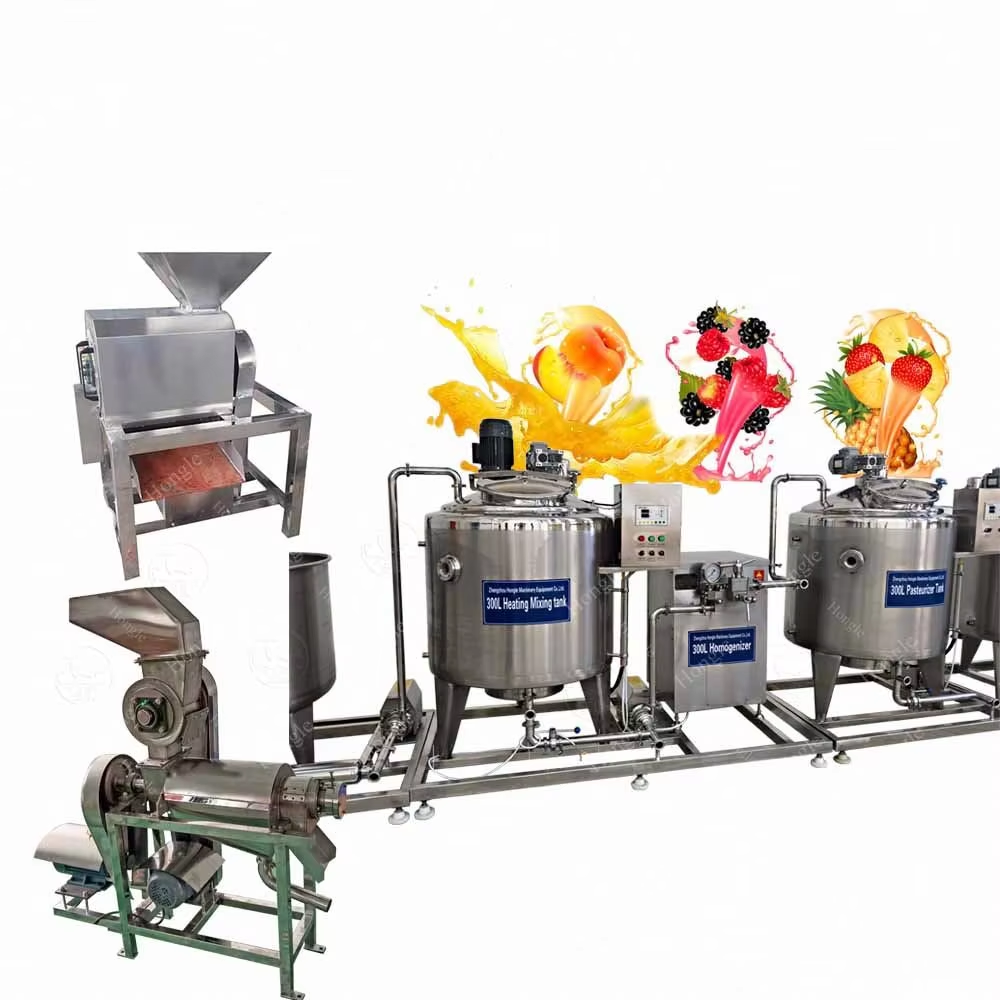
In milk pasteurization lines, equipment design directly determines microbial control effectiveness. Critical flaws create persistent contamination risks that cleaning processes cannot resolve.
Dead Legs, Inadequate Drainage Slope, and Substandard Welds as Microbial Harborages
Unused pipeline sections known as dead legs, along with pipe slopes that fall short of the recommended 0.5 to 2 percent gradient, plus poorly executed welds all contribute to areas where water stagnates and bacteria multiply. What happens next is pretty straightforward really - these problem spots collect leftover organic material from processing operations, which then becomes the foundation for stubborn biofilm growth that won't budge even after chemical cleaning treatments. Take a look at those unfinished welds with their rough surfaces (anything over 0.8 micrometers roughness counts) and you'll find perfect hiding places for dangerous microbes like Listeria. These microscopic sanctuaries allow pathogens to survive cleaning procedures only to return later, creating recurring contamination issues that plague food processing facilities time and again.
Non-Compliance with PMO and 3-A Standards Undermining CIP Efficacy
When equipment doesn't meet requirements from the Pasteurized Milk Ordinance (PMO) or falls short of 3-A Sanitary Standards, it really messes with how well Clean-in-Place (CIP) systems work. The problems usually come from using materials that don't play nice together, those awkward sharp corners everywhere, or when gaskets aren't seated properly. These design flaws create issues with the turbulent flow needed during CIP cycles, which means organic stuff sticks around instead of getting cleaned away. And this residue becomes a breeding ground for bacteria that can actually survive pasteurization temperatures. Studies have found that surfaces not meeting standards hold onto about 38 percent more milk solids after cleaning compared to ones that pass validation tests. This kind of leftover contamination makes it impossible to prove sanitation effectiveness through standard validation procedures.
Temperature & Hold Time Failures in HTST Milk Pasteurization Lines
Flow Turbulence and Velocity Errors Invalidating Required Hold Time
Getting laminar flow right is absolutely essential for HTST milk pasteurization systems if they need to meet that required 15 second hold at 72 degrees Celsius. When pumps are too big, pipes don't match up properly, or there are sudden bends in the system, this creates turbulence problems. What happens then? Some parts of the milk move through faster than others, creating these velocity differences where certain portions exit before their time while other bits hang around too long. And this messes up everything when it comes to killing pathogens. According to research from the Journal of Dairy Science last year, even a mere two second deviation in holding time makes Salmonella survival rates jump eight times higher. These kinds of flow issues aren't just theoretical concerns either. They actually explain about 37 percent of all FDA warning letters concerning pasteurization failures, and were behind no fewer than fourteen dairy product recalls across the country in 2023 alone.
Real-Time Temperature Monitoring Gaps and Sensor Calibration Drift
Gaps in thermal profiling continue to be one of the main reasons HTST systems fail. When sensors aren't properly calibrated, they tend to drift around 0.5 degrees Celsius per month, which accounts for roughly a quarter of all pasteurization issues. The biggest problems we see? Many facilities rely on just one monitoring point, with about two thirds not having backup sensors in those critical holding tubes. Temperature readings often take longer than eight seconds to register too, and only about four out of ten plants actually check their thermocouples every three months as recommended. Manual calibration methods can lead to errors as high as plus or minus 1.2 degrees Celsius, almost half what's needed to kill off dangerous bacteria like Listeria. Automated systems that use NIST traceable references are much better at keeping things within tight parameters, typically maintaining accuracy within 0.1 degree Celsius and cutting down on thermal failures by nearly ninety percent compared to traditional methods.
Post-Pasteurization Contamination in Milk Pasteurization Lines
Leaking Heat Exchangers, Cracked Holding Tanks, and Contaminated Compressed Air
The problem of microbial recontamination often starts right after pasteurization when physical issues creep into the system. Tiny cracks forming on those plate heat exchangers, poor quality welds in storage tanks, and dirty compressed air systems that power everything from control valves to packaging machines create constant risks for gram-negative bacteria invasion. Industry data from last year's dairy safety review shows something alarming: nearly two thirds of all confirmed contamination cases after pasteurization were actually linked back to these kinds of equipment problems. To prevent this mess, regular pressure checks become absolutely necessary. Choosing the right materials matters too – 316 stainless steel stands out as a good choice for many applications. And let's not forget about air filtration standards like ISO 8573 compliance which plays a critical role in keeping those pesky microbes at bay throughout production lines.
QMI Stress Testing and Aseptic Sampling for Early Contamination Detection
The key to proactive detection lies in what's called quantitative microbial identification or QMI stress testing at those crucial control points throughout production. Lab technicians usually grab samples ranging from about 2 to 5 liters, placing them in special sterile bags that let just enough oxygen through to help grow those tricky gram-negative bacteria. These samples then sit in incubators set around 21 degrees Celsius (which is roughly 70 Fahrenheit) for almost two full days before getting plated onto stuff like Violet Red Bile Agar. What makes this approach so valuable is that it can spot contamination down to just one colony forming unit per liter, way below levels where actual spoilage would occur or regulators would get involved. Companies that stick with monthly aseptic sampling tend to see around half again fewer contamination problems compared to others, which means they can address issues locally instead of waiting until whole batches might be compromised.
Preventive Maintenance and Operational Discipline Gaps
When companies let their preventive maintenance (PM) programs slide or fail to maintain proper operational discipline, it puts the entire milk pasteurization line at risk and creates problems with regulatory compliance. Corrective maintenance only deals with issues after something breaks down, whereas a good proactive PM approach means scheduling regular inspections, replacing parts when needed, and calibrating systems before things start to go wrong. This includes keeping an eye on wear patterns across pumps, valves, and those heat exchangers so we catch potential issues before they become real problems. Many operational shortfalls build up over time without anyone noticing. Think about what happens when sensor calibrations get skipped, valve checks aren't properly documented, or workers don't follow CIP protocols consistently. These small oversights add up to hidden dangers. Take heat exchanger plates that sit too long without replacement or gaskets in filler heads that haven't been inspected recently. Both situations can allow contaminants to slip through after pasteurization, often going unnoticed until routine microbiological tests finally flag them. Implementing digital PM tracking that follows 3-A Sanitary Standards helps keep sensor validations, seal integrity tests, and flow meter checks consistent across operations. When combined with proper staff training on standard operating procedures (SOPs), this approach shifts the focus from constantly fixing breakdowns to creating a reliable process that stands up during audits.
FAQ
What is a "dead leg" in milk pasteurization equipment?
A "dead leg" refers to an unused piping section or a pipe that does not get drained effectively, often leading to water stagnation where bacteria can multiply.
How does poor equipment design affect microbial control?
Poor design can create areas where organic material collects and allows bacteria like Listeria to grow, overriding cleaning processes.
Why are PMO and 3-A standards crucial for CIP systems?
These standards ensure that equipment design aids effective Clean-in-Place procedures that remove all contaminants, maintaining hygiene.
What causes temperature monitoring issues in HTST pasteurization?
Sensor calibration drifts and lack of backup monitoring points lead to potential temperature profiling errors, affecting pasteurization efficacy.
What risks arise from post-pasteurization equipment failures?
Leaking heat exchangers and contaminated compressed air can introduce bacteria post-pasteurization, leading to potential contamination.
How can preventive maintenance improve pasteurization lines?
Regular inspections and proactive care prevent breakdowns, helping maintain regulatory compliance and microbial control.
Table of Contents
- Temperature & Hold Time Failures in HTST Milk Pasteurization Lines
- Post-Pasteurization Contamination in Milk Pasteurization Lines
- Preventive Maintenance and Operational Discipline Gaps
-
FAQ
- What is a "dead leg" in milk pasteurization equipment?
- How does poor equipment design affect microbial control?
- Why are PMO and 3-A standards crucial for CIP systems?
- What causes temperature monitoring issues in HTST pasteurization?
- What risks arise from post-pasteurization equipment failures?
- How can preventive maintenance improve pasteurization lines?
