 EN
EN


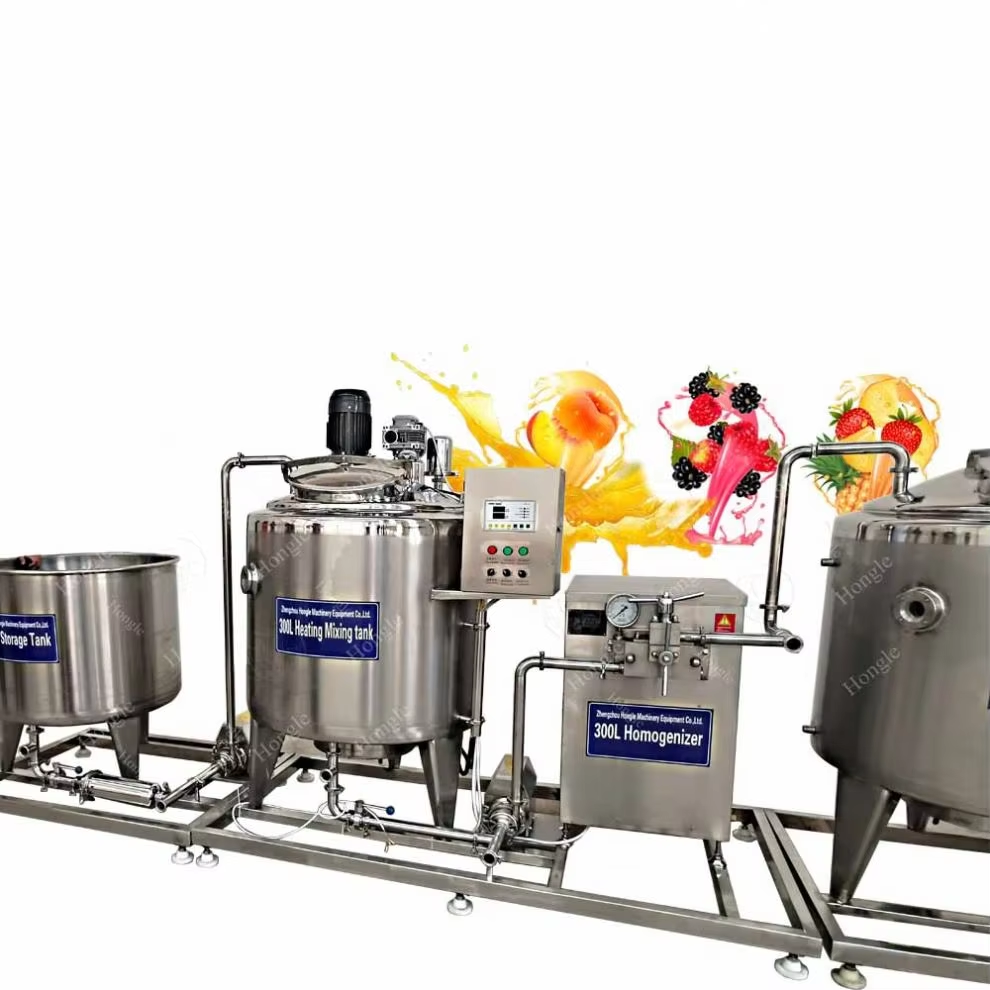
Managing Raw Material Perishability and Cold Chain Integrity about Dairy Milk Pasteurizer
Understanding the perishability of raw milk and its impact on processing efficiency
Raw milk goes bad really fast once it warms up past 4°C or so (about 39°F on the Fahrenheit scale). The quality starts dropping right away after it comes out of the cow, which makes processing less efficient overall. If temperatures get messed up during those first few hours, we're looking at around a 15% drop in what actually ends up as usable product because things start spoiling and breaking down. Milk processors know this all too well when cold storage rules aren't followed properly. Suddenly there's only a short time window left for getting everything done right, and companies have no choice but to settle for worse quality stuff or spend extra money fixing problems they should have prevented in the first place.
How temperature fluctuations compromise milk quality before pasteurization
When milk sits at temperatures over 4°C (about 39°F), even for short periods, it starts breaking down through processes called lipolysis and proteolysis. This leads to those unpleasant flavors we all know and love, plus makes the product less functional overall something no pasteurization method can fix once it happens. For every extra hour milk spends outside proper cold storage, its shelf life drops roughly a day, and these losses just keep stacking up until quality takes a serious hit and profits follow suit. What's worse, these problems show up before pasteurization even begins, making Dairy Milk Pasteurizer systems basically helpless against what's already happened to the milk components during those critical early stages.
Best practices for rapid intake, storage, and cold chain optimization
Managing the cold chain properly needs good coordination all along the way from farms right into processing facilities. Some important steps are getting milk processed quickly after it's collected, ideally within about two hours. Then it should be cooled down fast to around 4 degrees Celsius or 39 Fahrenheit using those plate heat exchangers we see at many dairy plants. Keeping that cool temperature during transportation is crucial too, which is why most trucks now have special insulation and monitoring equipment built in. The really advanced dairy operations go one step further with their tracking systems that watch everything in real time. These systems help catch problems before they get bad, cutting down on wasted product by maybe as much as thirty percent according to industry reports. How facilities are laid out matters a lot as well. Putting where milk comes in close to where processing happens reduces waiting time between steps. And when records are kept automatically throughout the process, it makes sure everything stays trackable and meets those strict food safety standards everyone has to follow these days.
Pasteurization Challenges and Solutions with Dairy Milk Pasteurizer Systems
The critical role of pasteurization in ensuring food safety and pathogen control
Pasteurization stands as our main defense line against nasty bugs such as Listeria, Salmonella, and that dreaded E. coli bacteria that leads to serious food poisoning cases. Most dairy plants these days rely on what's called HTST pasteurization, where milk gets heated quickly at high temps to kill off bad microbes. This method works pretty well actually, killing most harmful germs while also making products last longer on store shelves. The system keeps raw milk completely separate from processed milk throughout production, which makes all those dairy items we consume daily much safer. Especially important for people whose immune systems aren't quite up to snuff, like elderly folks or young children who get sick easier when exposed to contaminated foods.
Common malfunctions in Dairy Milk Pasteurizer units and how to troubleshoot them
The usual headaches we see on site tend to revolve around temperature swings caused by bad heaters or sensors that just aren't reading right anymore. Flow rates often go wonky when pumps start acting up or filters get clogged over time. And then there are those pressure drops that scream "leak somewhere" in the plate heat exchanger. For regular maintenance, most facilities stick to checking temps every day, run through their flow tests once a week, and do pressure checks about once a month. When things break down, technicians typically start by double checking if the sensors are properly calibrated, look for any seals or gaskets showing wear and tear, and give those filters a good cleaning out. These basic steps keep most equipment running smoothly without constant breakdowns.
Balancing effective pasteurization with nutrient and flavor retention
Getting the timing and temperature just right matters a lot when it comes to killing harmful bacteria while keeping all those good nutrients intact and the taste from going off track. When milk gets pasteurized too much, some important vitamins like B12 and vitamin C start breaking down, plus the milk ends up tasting kind of cooked or flat. That's why today's dairy pasteurizers come equipped with smart sensors and automated controls that apply only what's needed for safety without overdoing it. These systems help maintain the delicate proteins, enzymes, and flavor molecules that make quality dairy products taste so good and stay nutritious.
Emerging trends: HTST vs. UHT technologies in modern dairy processing
Heating milk to around 72 degrees Celsius or roughly 161 Fahrenheit for just 15 seconds is what HTST does best, keeping most of the original flavors intact while still maintaining nutritional value for products stored in refrigerators. The other approach called Ultra High Temperature Processing, or UHT as it's commonly known, takes things much further by heating milk between 135 and 140 degrees Celsius, which translates to about 275 to 284 Fahrenheit, but only for 2 to 5 seconds. This creates milk that can sit on store shelves without needing refrigeration until someone actually opens the package. Although many consumers still prefer HTST treated milk for its fresher taste profile, we're seeing UHT become increasingly popular in regions where maintaining proper cold storage during transportation isn't always feasible. The tradeoff here is slightly altered flavors compared to HTST, but manufacturers argue this comes with significant advantages when trying to get their products to remote areas.
Achieving Hygienic Design and Regulatory Compliance in Processing Facilities
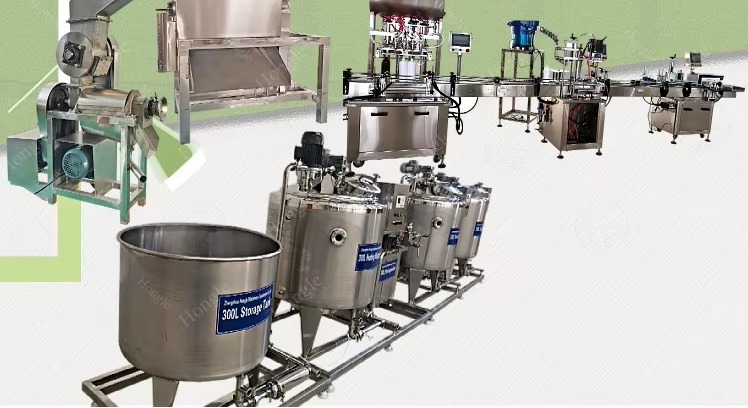
Preventing contamination hotspots through hygienic equipment design
Equipment built with cleanliness in mind helps cut down on contamination dangers and keeps microbes at bay. The core ideas behind hygienic design focus on things like surfaces that don't trap dirt, rounded edges instead of sharp corners, and fewer places where bacteria can hide between components. Research from the European Hygienic Engineering group suggests good design practices might actually lower food safety incidents by around half. What really matters in practice? Surfaces that drain properly without pooling water, no hidden spots where stuff gets stuck, and parts that come apart easily when it's time to give everything a deep clean. These aren't just nice-to-have features but actual game changers for facilities dealing with food production daily.
Selecting compliant materials and layouts to meet food safety regulations
When it comes to food contact surfaces, grades 304 and 316 of austenitic stainless steel have become pretty much the gold standard across the industry. These materials stand up well against corrosion and make cleaning much easier than other options. For facility design, proper separation between where raw ingredients are handled versus finished products is absolutely essential. The floors need good slope so water drains away instead of pooling around, which can create bacteria breeding grounds. Getting documentation straight from equipment manufacturers about their compliance with sanitary standards matters a lot too. Things like surface roughness specs and those passivation certificates aren't just paperwork fluff they're actually critical when preparing for audits and staying in line with what the FDA expects from operations.
Overcoming cost vs. compliance challenges when upgrading legacy systems
When companies decide to upgrade old systems, they're usually looking at a pretty big chunk of money upfront. Still, most find that the savings down the road make it worth while. Equipment built with hygiene in mind can cut down on cleaning time anywhere from 30 to 40 percent, plus it uses less water and chemicals overall. A lot of food processors go for gradual upgrades instead of doing everything at once. They tend to tackle areas where contamination risks are highest first, and keep detailed records throughout the process to show regulators they're staying compliant. The payoff? Protecting their brand name from damage and avoiding recalls that would cost way more than what was spent on the upgrades in the first place.
Extending Shelf Life and Responding to Clean-Label Consumer Trends
Key factors contributing to the short shelf life of finished dairy products
Spoiled dairy products usually come down to three main factors: microbes growing out of control, enzymes breaking things down, and oxidation happening over time. Pasteurization kills most bad stuff, but some cold-loving bacteria survive and multiply when temperatures aren't properly maintained during transport or while sitting on shelves. These little bugs produce enzymes that stick around even after heating, which means the milk starts going bad faster than expected. Studies indicate that raising storage temps by just 5 degrees Celsius can shorten how long milk stays good by half. Then there's light getting through packaging and oxygen seeping in, both of which speed up flavor changes and rob the product of its nutritional value. This makes it harder for stores to keep fresh products available for customers.
Innovative packaging and modified atmosphere techniques to extend viability
Modified atmosphere packaging, or MAP for short, works by swapping out oxygen for gases like nitrogen or carbon dioxide. This simple trick stops those pesky aerobic bacteria from growing and prevents the kind of rancidity that happens when food oxidizes. According to research from several food science labs, cheese stored this way can last anywhere between 40 to 60 percent longer than regular packaged cheese. The latest innovations in packaging go even further these days. Manufacturers are starting to build active components right into the packaging materials themselves. We're talking about things like oxygen scavengers that eat up any remaining air, moisture control systems, and antimicrobial additives that fight off spoilage organisms. Some companies have also begun using special high barrier films made with multiple layers and containers that block light exposure. These help protect delicate nutrients such as riboflavin during long journeys through distribution networks, keeping products fresh no matter how far they travel before reaching store shelves.
Meeting rising demand for preservative-free, clean-label dairy options
The desire for clean label dairy products is definitely on the rise these days. Market research from 2024 indicates that around eight out of ten shoppers want to see ingredients they can actually recognize when buying dairy products. Dairy processors are responding by switching things up with natural preservation techniques including cultured dairy concentrates, powdered vinegar solutions, and various plant derived antimicrobial agents. There's also something called hurdle tech being used increasingly - basically combining gentle heat treatment, adjusting acidity levels, and controlling moisture content to create products without additives. Sure, making clean label items generally costs about 15 to 30 percent more than regular versions, but people seem willing to shell out extra cash for premium products like specialty yogurts, artisanal cheeses, and organic milk options. This price sensitivity makes all the difference in keeping the movement going despite higher manufacturing expenses.
Agile Production Planning and Inventory Control in a Volatile Market
Adapting product portfolios to shifting consumer preferences and demand patterns
The dairy processing industry is constantly changing as consumers want different things these days. People are looking at plant based milk options, lactose free versions, and even products packed with probiotics for gut health benefits. According to recent market research, around two thirds of food producers say that changing customer tastes really messes with how they plan their manufacturing operations. Smart companies are adopting flexible approaches though. Some manufacturers now run quick tests on new formulas before going all in, while others produce smaller batches first to see if there's demand. This helps avoid costly mistakes when launching something nobody wants, plus it cuts down on wasted product sitting in warehouses collecting dust instead of making money.
Using real-time data and forecasting to improve production scheduling
Smart sensors connected to the internet along with advanced data analysis tools let dairy plants keep track of things like how much milk comes in, how efficiently it gets processed, and what's sitting in storage at any given moment. The Food Processing Operations Journal reported last year that these predictive tools cut down on scheduling mistakes by almost half and get machines working harder too, maybe around 30% better utilization overall. When companies start looking at sales numbers together with local weather reports and even what people are talking about online, they can make smarter guesses about what customers want next. This means changing batch sizes and adjusting when products hit the market based not just on old habits but what actual consumers seem interested in buying right now.
Implementing just-in-time logistics to reduce waste and optimize inventory
The JIT logistics approach really helps dairy processors cut down on waste when markets are all over the place. When production matches what distributors actually need right now, dairy companies can keep products out of storage for much less time – sometimes as little as 40% of what they used to hold onto. Spoilage drops too, around a third less than before according to industry reports. Making this work requires good relationships with logistics partners and smart inventory systems that kick off production whenever sales data shows demand is rising or stock is running low. These systems watch multiple factors at once to make sure milk products stay fresh while keeping operations running smoothly throughout the entire supply network.
Frequently Asked Questions (FAQ)
What is the impact of temperature fluctuations on raw milk quality?
Temperature fluctuations can lead to the breakdown of raw milk, causing lipolysis and proteolysis, which results in lower quality and shorter shelf life.
How can cold chain integrity be maintained?
Cold chain integrity can be maintained by quickly processing and cooling milk after collection, using insulated and monitored trucks for transport, and employing tracking systems for real-time monitoring.
How do dairy facilities prevent contamination?
Facilities prevent contamination through hygienic equipment design, compliant material selection, and proper facility layouts that minimize contamination risks.
What are clean-label dairy products?
Clean-label dairy products are those that contain recognizable ingredients without artificial additives, meeting consumer demand for transparency and natural preservation methods.
What is the role of pasteurization in dairy milk pasteurizer processing?
Pasteurization kills harmful bacteria and pathogens, ensuring food safety and extending the shelf life of dairy products.
Table of Contents
- Managing Raw Material Perishability and Cold Chain Integrity about Dairy Milk Pasteurizer
-
Pasteurization Challenges and Solutions with Dairy Milk Pasteurizer Systems
- The critical role of pasteurization in ensuring food safety and pathogen control
- Common malfunctions in Dairy Milk Pasteurizer units and how to troubleshoot them
- Balancing effective pasteurization with nutrient and flavor retention
- Emerging trends: HTST vs. UHT technologies in modern dairy processing
- Achieving Hygienic Design and Regulatory Compliance in Processing Facilities
- Extending Shelf Life and Responding to Clean-Label Consumer Trends
- Agile Production Planning and Inventory Control in a Volatile Market
- Frequently Asked Questions (FAQ)
