 EN
EN


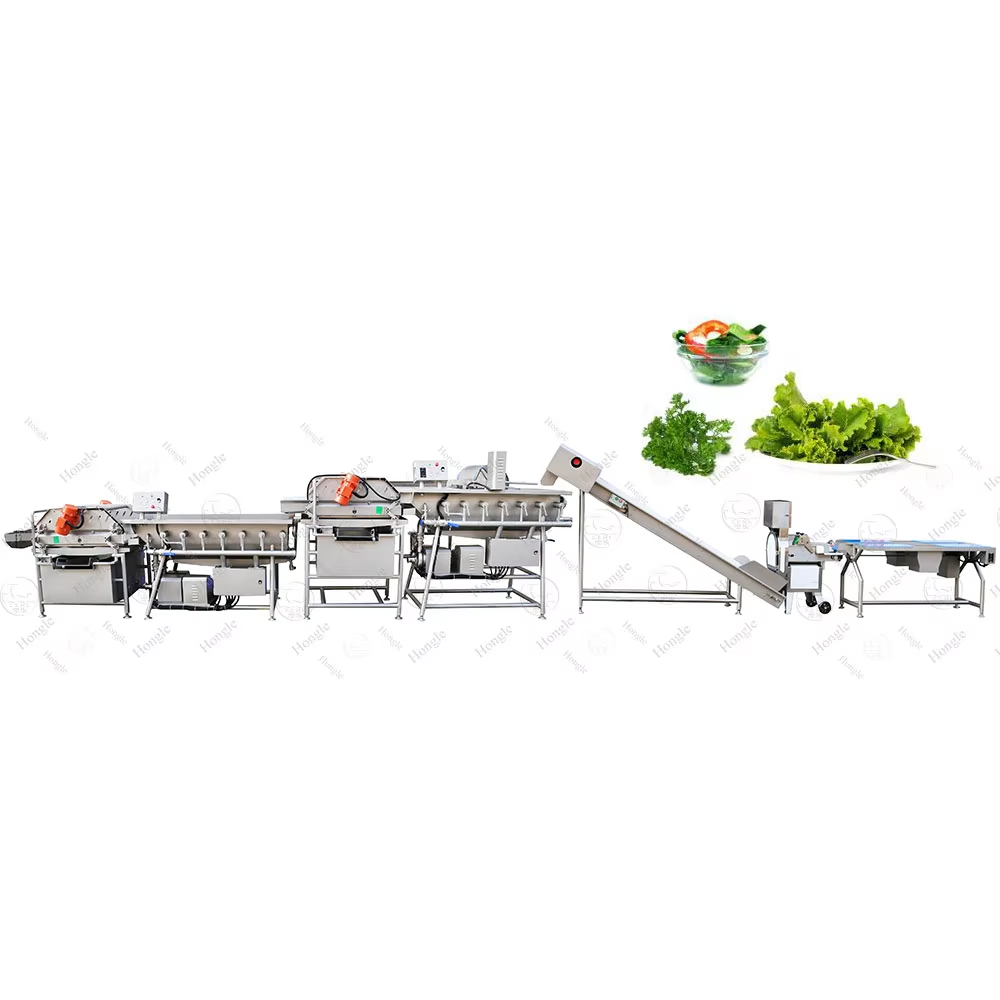
Minimizing Post-Harvest Losses with Automated Fruit and Vegetable Processing Machines
Understanding the Scale of Global Post-Harvest Food Waste
Around the world, about 30 percent of all fruits and veggies get wasted each year. That's roughly 650 million metric tons going bad because of things like spoilage, mishandling during transport, or just plain old inefficient processing methods according to Springer research from 2025. What happens when so much good food goes to waste? Well, it really messes with our ability to feed everyone properly. Farmers end up working harder than they should for no real reason while using precious land and water resources unnecessarily. Plus there's all those greenhouse gases generated by rotting produce sitting in landfills instead of being eaten somewhere else. Money gets lost at every single step along the way from fields where crops grow right down to grocery store shelves. We desperately need better ways to keep food fresh longer without breaking the bank or harming the planet in the process.
How Fruit and Vegetable Processing Machines Reduce Human Error and Speed Up Handling
The main reasons for losses after harvest are actually pretty straightforward when we look at what happens on farms these days. People make mistakes all the time during manual sorting, which leads to bruised fruits, uneven quality ratings, and everything getting processed at different speeds. That's where automated systems really shine because they employ smart camera tech that can check out fruit size, colors, and any blemishes much faster than any human ever could. The conveyors themselves are designed to be gentle on produce, and those little mechanical arms move things around without causing damage. This means berries stay whole, apples don't get crushed, and overall there's less waste. When processing happens quickly and consistently, fresh products spend less time sitting around in conditions where they start to go bad. Farmers see this as a game changer since it cuts down on spoiled goods and makes packing operations run smoother from day to day.
Case Study: Small-Scale Farm Adoption Using Advanced Processing Solutions
When a family-owned mid-sized farm decided to switch from their old manual methods to something more automated, they brought in a compact system including a washer, optical sorter, and grader specifically made for premium produce such as apples and leafy greens. Just six months later, they noticed something remarkable happening. The amount of waste during handling had gone down around 40 percent, while labor expenses were cutting back about a quarter. Even better, their overall output shot up nearly two thirds compared to what they used to handle manually. These improvements meant they could reliably meet demands from upscale grocery stores who want top quality all year round. What this shows is pretty clear actually: automation isn't just for those big corporate farming operations anymore. Small farms can get real benefits too when they find systems that fit their scale. We're seeing more and more examples where these kinds of investments pay off both in reduced waste and improved day-to-day operations across the board.
The Rise of IoT-Connected Processing Machine Networks for Real-Time Monitoring
Today's processing machines come equipped with IoT sensors that track how well they're running, their power usage, and product quality as things happen. All this information gets sent to the cloud where plant managers can spot problems early on, figure out when parts might fail soon, and catch strange issues like products going into the wrong bins before whole loads get messed up. Take calibration drift for instance. If a sensor starts giving bad readings, technicians can fix it from their office instead of having to shut down production lines. What used to be standalone machines are now part of smart systems connected throughout factories. This makes everything more visible to management and lets companies keep improving operations without constant stoppages. The whole supply chain benefits from these smarter connections too.
Extending Shelf Life Through Edible Coatings and AI-Driven Freshness Prediction
Challenges of Produce Spoilage from Respiration and Microbial Growth
Once picked, fruits and veggies keep breathing in their own way, taking in oxygen while giving off carbon dioxide. This natural process actually speeds things toward spoilage. Berries especially, along with those delicate leafy greens, start breaking down fast when stored improperly. At the same time, all sorts of microbes including bacteria, yeast, and mold begin growing on them too. These little organisms not only cut down how long food stays fresh but can also create health problems for consumers. Most conventional ways of preserving food just aren't cutting it anymore because they struggle to handle both respiration issues and microbial contamination at once. That leaves fresh produce sitting there unprotected throughout shipping and while being kept in warehouses or grocery stores.
Combining Edible Coatings with Smart Monitoring for Maximum Preservation
Plant based edible coatings act as barriers that slow down how fruits breathe and stop bad microbes from getting in. They work by keeping moisture inside and fighting off oxidation, which helps keep produce tasting good longer. Some companies are now adding tiny sensors into these coatings so they can track things like ethylene gas buildup, acidity levels, and temperature changes inside packaging. These little gadgets give constant updates on what's happening with the food. The whole system lets grocery stores and distributors tweak storage settings on the fly, which means fresher products reach shelves for longer periods without needing those chemical additives everyone wants to avoid these days.
AI-Based Shelf Life Forecasting in European Retail Supply Chains
These days, AI systems can actually forecast how long food stays fresh pretty accurately by looking at things like past temperatures, humidity levels, how different fruits and veggies breathe over time, and even pictures showing quality changes. Stores across Europe are starting to use this information to manage their stock better rather than just going by those printed expiration dates we all know so well. Rather than throwing stuff away when the label says so, supermarkets now decide whether to mark down prices, run special offers, or send items elsewhere based on real data. Some shops that tried this approach early on saw around 18-20% less waste from rotting goods. It turns out smart computers really help match what happens in warehouses with what's actually happening to the food sitting on shelves.
Integrating Real-Time Expiry Labels with Cold Chain Logistics
IoT enabled smart expiry labels actually change as products move through different temperatures during transport. When connected to main logistics hubs, these smart tags help make smarter shipping choices. For instance, packages that are starting to lose their freshness get sent out quicker or redirected to nearby stores instead of distant locations. The whole system keeps perishable items safe inside their best condition range. There's also less difference between what we expect the product lifespan to be versus what happens in reality. Distributors see better results too. They fill orders more accurately and waste less product when things arrive at their final destinations because the quality is still good enough for customers.
Precision Sorting and By-Product Recovery Using AI and Robotics
The Problem of Unsorted Agricultural By-Products in Traditional Processing
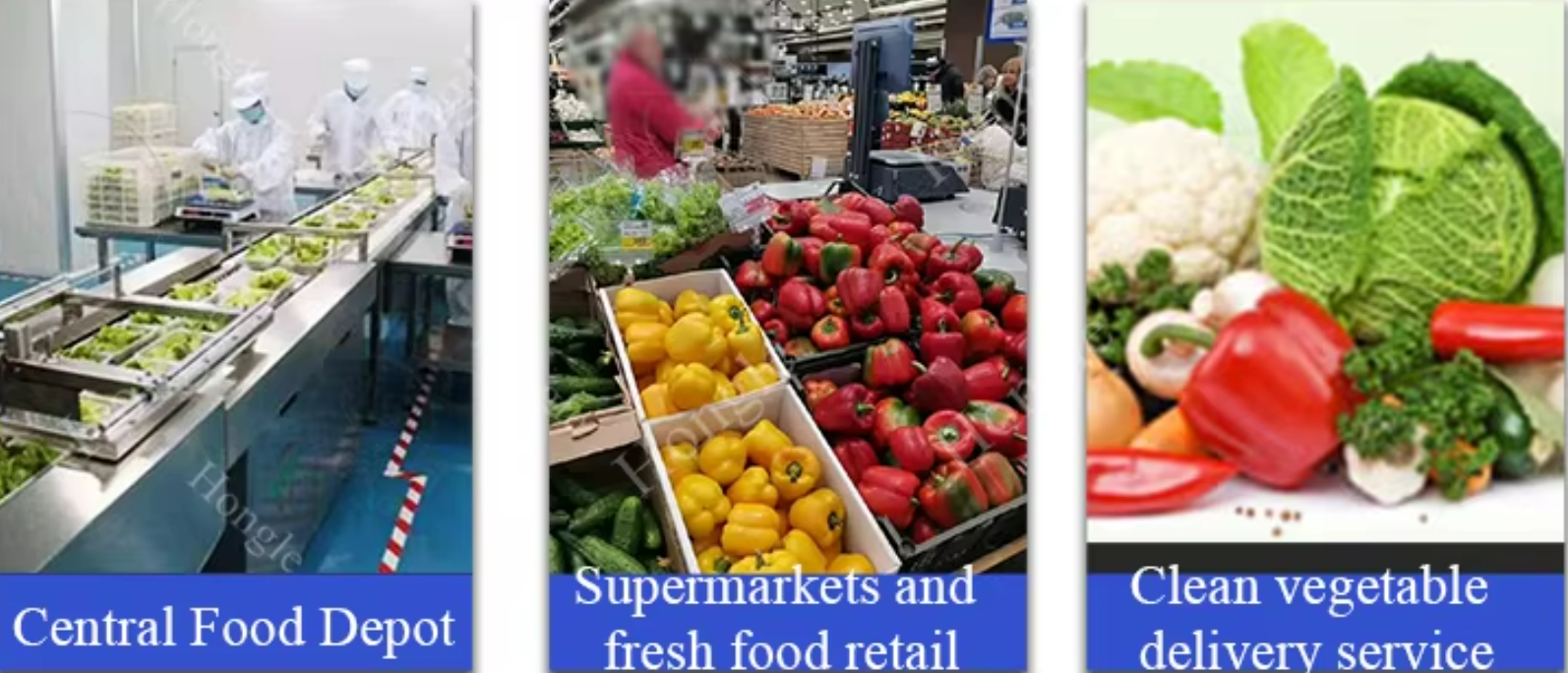
Traditional food processing still throws away plenty of edible stuff because people aren't always great at picking out what's good versus bad by hand. When fruits and veggies come in all sorts of shapes and sizes with those little spots and marks, workers tend to be too cautious when grading them, so lots of perfectly fine produce ends up getting tossed into garbage piles instead of going to market. Take apple peels or banana skins left over after making juice or canned goods these get dumped in landfills even though they actually have some pretty decent nutritional content and other useful stuff in there. All this wasted material means higher trash removal bills for companies, and it goes completely against everything we're trying to achieve with circular economies. There's just so much money and resources being thrown away literally along with the scraps.
How AI and Robotic Systems Improve Yield and Reduce Waste
Modern sorting robots powered by artificial intelligence bring together hyperspectral imaging tech, machine learning algorithms, and really accurate movement control to sort fruits and veggies with around 95% accuracy most of the time. What makes these systems special is their ability to check both what we can see on the surface and what's going on inside too. They can actually measure things like sugar levels, how firm something feels, and even spot hidden flaws beneath the skin that would normally escape human eyes. After analysis, mechanical arms move products into different bins depending on where they're headed next - whether it's straight to grocery stores, gets processed further, or ends up in secondary product lines. This whole process keeps contamination between batches low. Farmers and processors benefit from getting more usable product out of each harvest, better quality control across the board, and surprisingly enough, they can often find new markets for stuff that used to just get thrown away because it didn't meet standard appearance requirements.
Case Study: 40% Waste Reduction in Citrus Plants with Robotic Sorting Lines
At a citrus processing plant in California, they installed a robotic sorting line equipped with optical scanners, AI software, and automatic diverters that could spot different types of citrus, check how ripe they were, and even detect hidden defects inside the fruit. After about half a year, the facility saw around 40% less waste going into landfills, while getting better juice yields and higher quality peels for things like zest production later on. What really stood out was how the system sorted based on sugar levels too. This meant all the citrus going out was more consistent in taste and texture, which made customers happier and allowed them to sell their products at higher prices in specialty markets where premium extracts command top dollar.
Upcycling Fruit and Vegetable By-Products into High-Value Products
Nutritional and Industrial Potential of Plant-Based Food Waste
Peels, seeds, pomace, and stems from fruits and veggies contain lots of good stuff like dietary fiber, polyphenols, pectin, flavonoids, and essential oils. Instead of throwing these parts away, companies are finding ways to pull out valuable components for things like health supplements, special food products, beauty items, and even eco-friendly materials. The numbers tell an interesting story too many fruit processors lose almost half their total biomass during regular operations, but there's real money to be made here if they know how to handle what gets left behind properly. As sustainability becomes more important across industries, turning those cheap scraps into premium ingredients helps protect the environment and opens up fresh income opportunities for businesses that want to operate in a closed loop system where nothing goes to waste.
FAQs
What is post-harvest loss?
Post-harvest loss refers to the decrease in quality and quantity of food products after they have been harvested. This loss can occur due to spoilage, inefficient processing, and mishandling during transport and storage.
How do automated processing machines help reduce food waste?
Automated processing machines use smart technology to sort and handle produce more efficiently than manual methods, reducing human error, accelerating processing speeds, and minimizing damage to fruits and vegetables.
What role does IoT play in food processing?
IoT sensors provide real-time monitoring of processing machines, allowing for better tracking of performance, early identification of issues, and smoother operations throughout the supply chain.
Can small farms benefit from automation?
Yes, small farms can see significant benefits from automation, such as reduced waste, lower labor costs, and improved product quality, making them competitive with larger farming operations.
How can AI enhance shelf life prediction about fruit and vegetable processing machine?
AI systems can accurately forecast shelf life by analyzing factors such as temperature, humidity, and product respiration, enabling smarter stock management and reducing waste in retail supply chains.
Table of Contents
- Minimizing Post-Harvest Losses with Automated Fruit and Vegetable Processing Machines
- Extending Shelf Life Through Edible Coatings and AI-Driven Freshness Prediction
- Precision Sorting and By-Product Recovery Using AI and Robotics
- Upcycling Fruit and Vegetable By-Products into High-Value Products
- FAQs
