 EN
EN


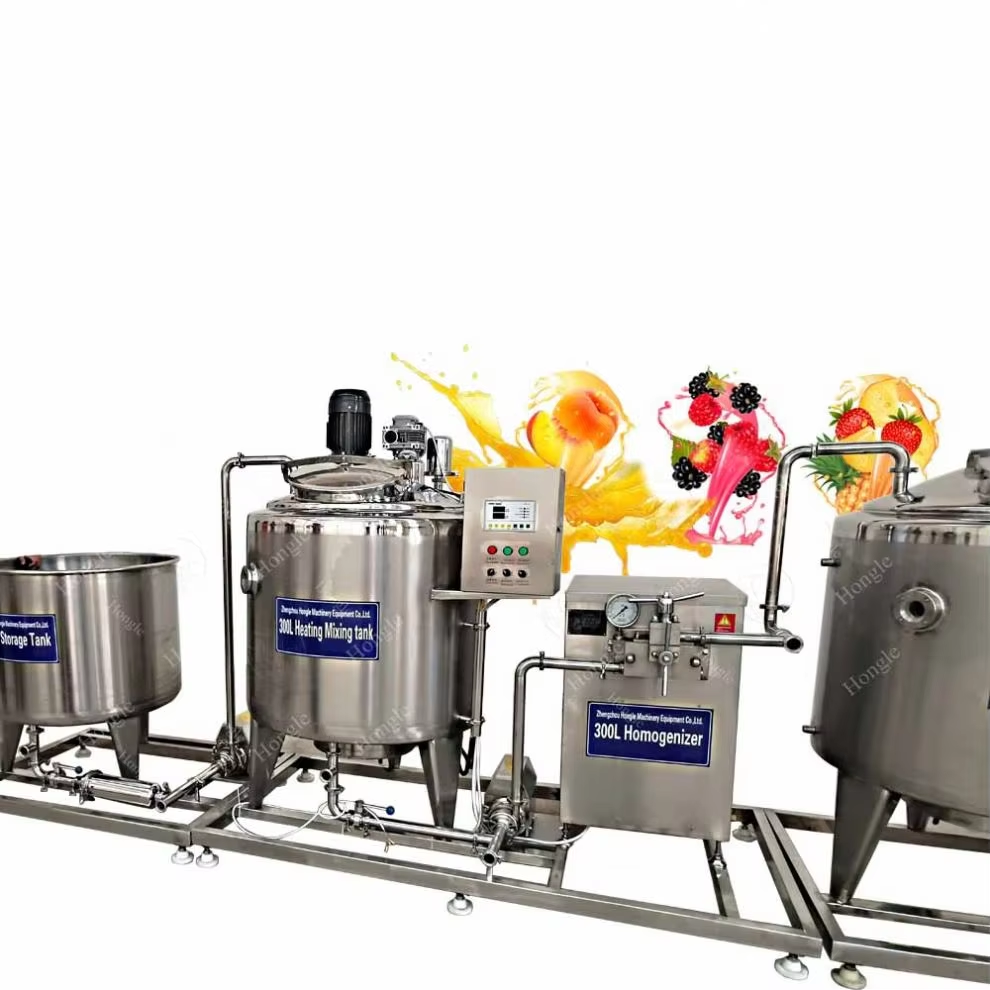
Optimizing Core Process Design of Milk Pasteurization Lines
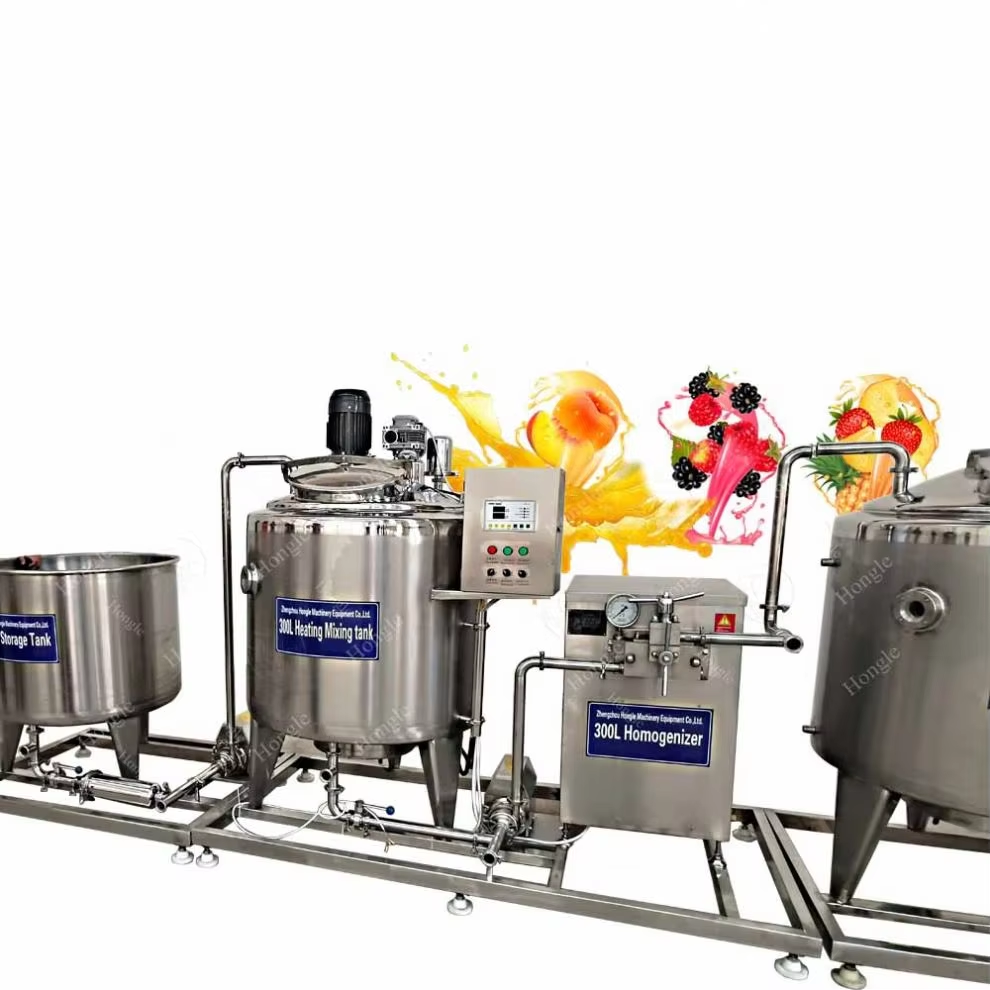
HTST System Tuning: Balancing Flow Rate, Temperature, and Hold Time for Maximum Throughput
Getting the settings right on HTST systems matters a lot when it comes to pasteurizing milk at scale in factories. The connection between how fast the milk flows through, the heat applied usually around 72 to 75 degrees Celsius, and the holding period which typically ranges from 15 to 30 seconds makes all the difference for killing microbes and keeping production moving smoothly. According to research published in the Journal of Dairy Science last year, fine-tuned equipment can boost output by about 15 percent without compromising the minimum 5D pathogen kill requirement set by regulators. What works best? Adjusting temperatures as needed when increasing flow rates so the system maintains enough heat to destroy harmful bacteria. Operators also keep an eye on things like milk thickness and fat levels in real time, since these factors affect how well the process works overall. This helps avoid situations where the milk isn't processed enough or gets overheated.
Modular and Scalable Layouts for Flexible Production Across Milk Pasteurization Lines
Modern milk pasteurization lines increasingly adopt modular designs to accommodate fluctuating production demands. Unlike fixed-configuration systems, these layouts feature standardized connection points and interchangeable components from plate heat exchangers to holding tubes enabling rapid reconfiguration for seasonal product shifts (e.g., whole milk to cream) without full production halts.
Intelligent Automation for Real-Time Control and Predictive Performance in Milk Pasteurization Lines
Integrated SCADA and MES Platforms for End-to-End Process Visibility
Today's milk pasteurization systems rely heavily on SCADA and MES technologies to keep everything running smoothly across the plant floor. These digital platforms watch over key metrics all day long milk temps stay right around 0.5 degrees Celsius, flow rates can hit up to 50 thousand liters per hour, and track where those valves are positioned during every stage from heating through cooling down. When something goes off track, like if temperatures start dropping too fast, the system kicks in automatically adjusting steam valves almost instantly. Plants report about a third fewer processing mistakes since implementing these systems, plus no more worrying about missing data entries from manual logs. Centralizing all this diagnostic info and batch history makes it much easier to meet regulations and keeps managers from wasting staff time chasing paper trails when they could be doing actual work instead.
Digital Twin Applications to Simulate and Optimize Milk Pasteurization Line Operations
Digital twin technology builds virtual copies of real-world pasteurization systems, letting plant staff experiment with process changes without stopping production. These computer models can run tests on things like how much energy gets used when processing milk with different fat contents, what happens to metal plates when there are sudden changes in product flow, or whether bacteria levels drop enough when adjusting holding times. When combined with old performance records and current sensor data from the factory floor, these digital twins often spot potential equipment problems around three days ahead of time. This early warning system cuts unexpected shutdowns by roughly 40 percent and saves money on wasted energy because the cleaning cycles happen at optimal moments. Based on what they see in these simulations, operators tweak things like liquid flow speeds and heating temperatures, keeping the pasteurization process stable while also making those expensive heat exchangers last longer between replacements.
Ensuring Consistent Quality via Precision Monitoring in Milk Pasteurization Lines
Closed-Loop Temperature Control and Uniform Flow Distribution in Continuous Systems
Getting the thermal parameters right and maintaining proper laminar flow isn't optional when it comes to keeping milk safe during pasteurization. These days most facilities use PID controllers which constantly tweak the heating process based on what they're seeing in real time, keeping things pretty much spot on target with variations under half a degree Celsius. At the same time, engineers are using computational fluid dynamics to map out how the milk flows through the system, making sure there aren't any hidden corners where bad bacteria might hide out. Some clever design tricks help too, like those special plates in heat exchangers that break up velocity differences, plus inline homogenizers that stop fat globules from bunching together. According to industry reports, all these improvements cut down temperature problems by more than 90% compared to older manual systems. That means longer shelf life for products and fewer headaches when dealing with food safety regulations.
Soft Sensors for Real-Time Microbial Inactivation Estimation and Quality Assurance
The old school lab testing methods leave too much time between when samples are taken and when corrections can actually happen. That's where these new AI powered soft sensors come in handy. They basically guess at how many microbes get killed during pasteurization by looking at things like temperature changes over time, how turbulent the liquid flows, and what kind of bacteria was there originally. These predictions come from computer models that have been taught using real world pathogen data we know is accurate. When the system sees that the predicted kill rate drops below the magic number of 5D (which means getting rid of 99.999% of bad stuff), it automatically adjusts how long products need to stay in the heat treatment area. And if something still doesn't look right, it sends those questionable batches off for special handling without needing anyone to press buttons manually. A big dairy company saw their quality problems drop by about 40% once they started using this tech. Makes sense really because catching issues before they become disasters saves both money and customer trust in the long run.
FAQ Section
What is HTST pasteurization?
HTST stands for High-Temperature Short-Time, a method of pasteurizing milk by heating it at 72-75°C for 15-30 seconds to destroy harmful microbes while preserving quality.
How do modular designs benefit milk pasteurization lines?
Modular designs offer flexibility, allowing producers to quickly reconfigure systems without halting production, thus accommodating seasonal product shifts and expanding line capacity efficiently.
What role do SCADA and MES systems play in pasteurization?
SCADA and MES systems provide real-time monitoring and control over pasteurization processes, reducing errors and ensuring consistent product quality through automated adjustments and data centralization.
How does digital twin technology aid pasteurization operations?
Digital twin technology creates virtual simulations of real-world systems, allowing operators to test process changes and optimize operations, reducing unexpected shutdowns and improving efficiency.
