 EN
EN


Why Universal Configuration Fails: Liquid Properties Dictate Filling Technology
How Viscosity, Particulates, Foaming, and Volatility Determine Feasible Filling Methods
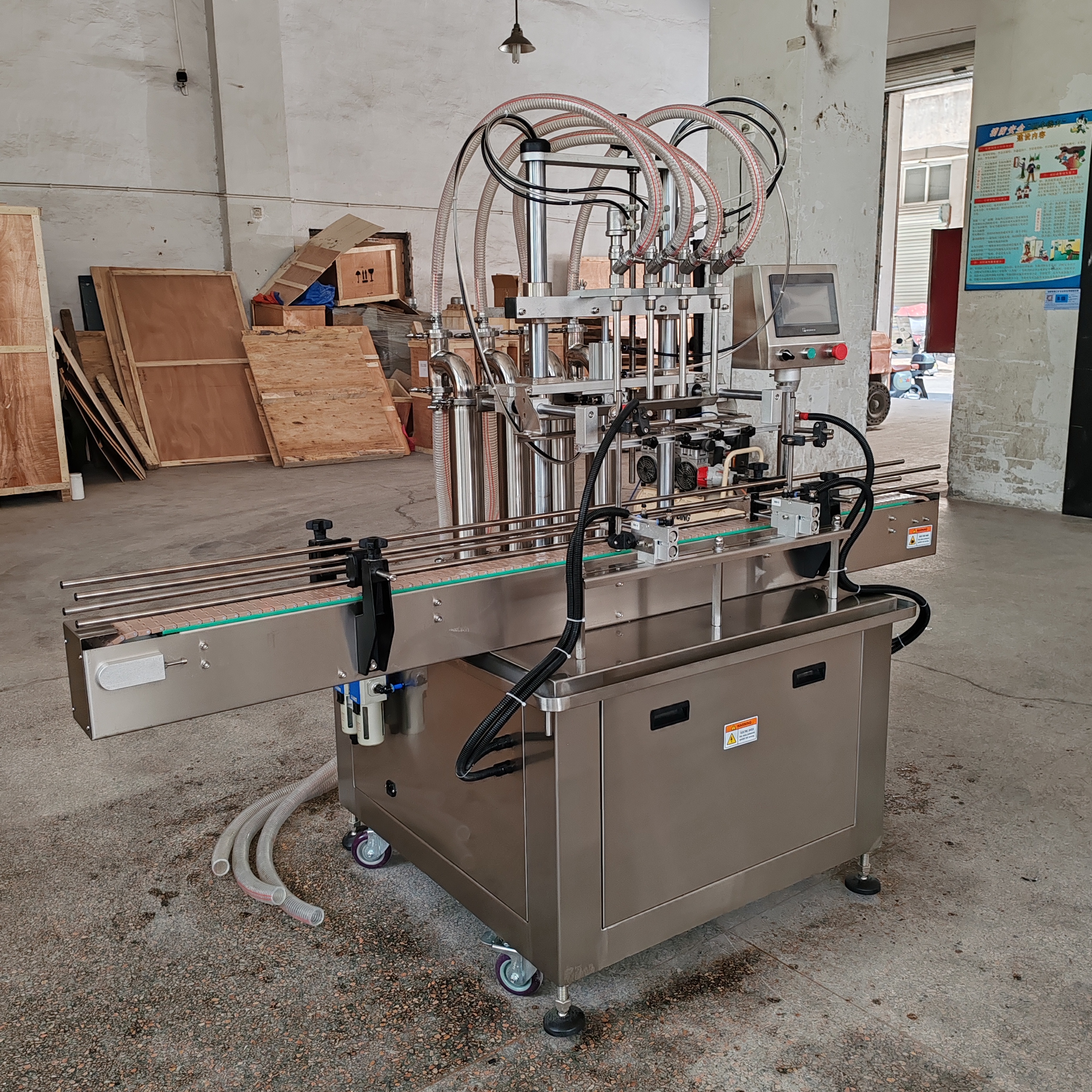
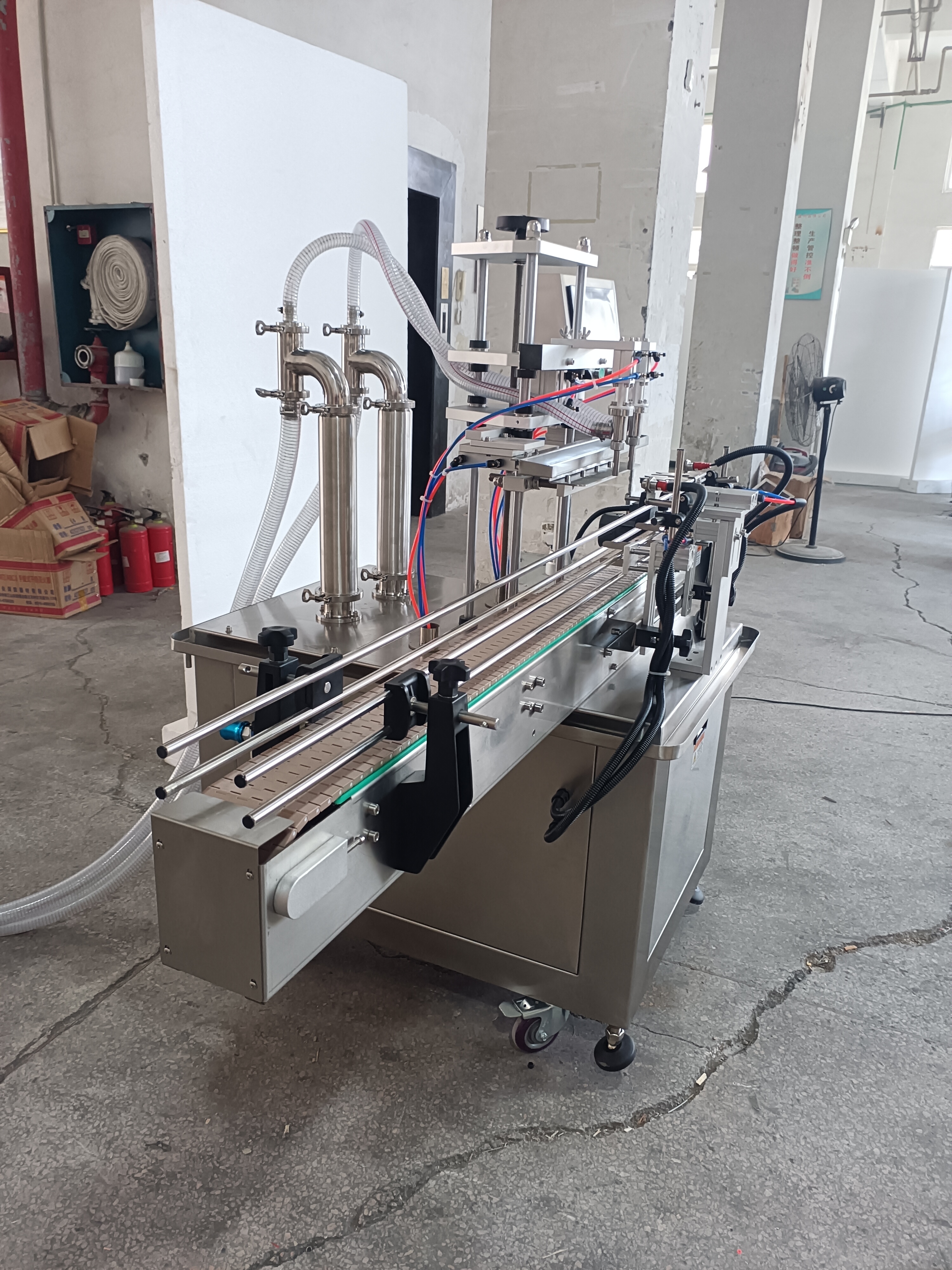
Trying to use a single type of automatic liquid filler for everything just doesn't work since different liquids behave so differently when being filled. Water and other thin liquids will usually pour right out by themselves through gravity feed systems. But thicker stuff like honey, sauce, or gel products needs special pumps such as pistons or peristaltic types to get accurate fills without running short on product. For mixtures containing particles or bits, manufacturers have to go with larger diameter nozzles plus some kind of stirring mechanism to keep things flowing smoothly instead of getting stuck. Carbonated drinks present another challenge altogether requiring specific anti-foam nozzles along with slower fill rates to stop those pesky overflows during production runs. And then there's the whole issue with volatile chemicals which absolutely require explosion proof housings and completely sealed systems to contain vapors properly. According to recent data from FPEA in their 2023 report, nearly all filling mistakes happen because operators didn't match the equipment to the actual viscosity characteristics of what they're working with. That's why smart plant managers always start with proper testing of the liquid before deciding on any filling setup.
Regulatory & Sanitary Constraints: FDA, EHEDG, and GMP Requirements by Product Category
When it comes to sanitary design there really isn't any room for compromise. For dairy and juice processing lines, we need EHEDG certified parts where every surface is smooth and free from cracks or gaps that bacteria could hide in. The pharmaceutical sector has different but equally strict requirements under GMP guidelines covering things like tracking materials, ensuring surfaces don't react with contents, and keeping all documentation in order. According to FDA regulations in Title 21, acidic or corrosive products absolutely need equipment made from 316L stainless steel. And when dealing with high care nutraceutical applications, facilities must have complete CIP capabilities so nothing gets stuck in those hard to reach corners. The cost of getting this wrong can be massive. A recent study by the Ponemon Institute shows companies typically spend around $740,000 on recalls when they fail inspections. That's why proper compliance needs to be built into systems from day one rather than treated as something to fix later.
Core Configuration Parameters of an Automatic Liquid Filling Machine
Pump Type Selection: Piston, Peristaltic, Gear, or Diaphragm—Matching Mechanics to Product Integrity
Choosing the right pump makes all the difference when it comes to getting accurate results and maintaining product quality. Piston pumps are great for thick substances like sauces and pastes since they can maintain about half a percent consistency through their positive displacement mechanism. Peristaltic pumps work differently by keeping the liquid away from any moving parts, which is why they're so popular in clean environments where sterility matters, such as pharmaceutical production lines or labs working with delicate biological materials. Gear pumps do well with medium viscosity oils and can process large volumes quickly. For harsh chemicals, diaphragm pumps made from chemical resistant materials tend to be the best choice. Viscosity really determines what works best here. Thin liquids below 100 centipoise generally need peristaltic systems, while gear pumps perform optimally between around 500 to 5,000 cP. When dealing with extremely thick materials over 10,000 cP, piston pumps become the go-to solution. Getting this wrong can lead to problems like broken emulsions, damaged particles, or just plain inconsistent measurements, which ultimately affects product quality and regulatory compliance requirements.
Nozzle Design, Fill Timing, and Drip Control: Precision Engineering for Zero Waste and Clean Cutoff
Good nozzle design cuts down on wasted product thanks to better control over how liquids flow and manage drips. When filling clear bottles, overflow nozzles work their magic by sending back any extra liquid instead of letting it spill out. For fizzy drinks, special spray angles help keep things from foaming up too much during the process. The timing of when each container gets filled can actually be adjusted down to just one tenth of a second, which means manufacturers get pretty accurate results around plus or minus 0.3% volume difference even when running machines at speeds up to sixty containers per minute. Special spring-loaded seals along with vacuum systems pull back whatever remains after filling, cutting down on messy leftovers by almost all compared to regular nozzles. This matters because those tiny bits left behind can mess with threads making caps harder to apply properly and weakening the overall seal. And nobody wants packages leaking or going bad before they hit store shelves.
Enabling Flexibility: Modular Design, Smart Controls, and System Integration
HMI-Driven Recipe Management and Quick-Change Tooling for Multi-Product Beverage Lines
Today's automatic liquid filling equipment brings real smarts to their ability to adapt. The Human Machine Interfaces (HMIs) come packed with hundreds of tested product recipes that take care of all the specifics like how thick the liquid is, how much needs to go in each container, how fast it should run, and even how the nozzles behave. Operators can flip from one type of juice to syrup or dairy drink within seconds flat. These machines have interchangeable nozzle plates, those handy cartridge pumps, plus clamp systems that don't need tools at all. All these features together can slash changeover times dramatically, maybe around two-thirds faster than before. Craft brewers and contract packagers who deal with limited seasonal products find this particularly useful. They can completely reset their production lines right during lunch breaks without losing any time, worrying about calibration drifting off track, or sacrificing accuracy when filling containers.
Seamless Integration with Capping, Labeling, and Sanitary Conveyor Systems
Real flexibility in production comes down to systems working together properly. Modern modular filling equipment connects through standard mechanical parts and uses common industrial communication standards like OPC UA and Ethernet/IP so everything from cappers to labelers can work as one unit with hygienic conveyor belts. The system actually has built-in pressure sensors that adjust the amount going into carbonated drinks right before the caps are applied using precise torque control. When it comes to cleanliness, every surface that touches product follows strict EHEDG guidelines. These surfaces are polished really smooth (Ra less than 0.8 microns), angled to let water drain away naturally, and designed to handle cleaning processes without issues. Putting all these elements together maintains sterile conditions throughout the line, cuts down on delays between different stages, and keeps things running smoothly even when switching between various products at top speeds on beverage production lines.
FAQ
Why is using a single automatic liquid filler for all products impractical?
Different liquids have varying behaviors, requiring specific filling technologies based on properties like viscosity, particulates, foaming, and volatility.
What are the regulatory requirements for sanitary liquid filling equipment?
FDA, EHEDG, and GMP guidelines necessitate specific certifications and materials to ensure safe and sanitary processing for different product categories.
How do pump types affect liquid filling accuracy?
Pumps need to match the product's viscosity to ensure accurate fills, with options like piston, peristaltic, gear, and diaphragm pumps suited to different viscosities and materials.
What role does nozzle design play in filling processes?
Nozzle design influences waste reduction and precision filling by controlling liquid flow, reducing foam, and managing drips.
How do modern filling systems ensure flexibility in production?
Systems with modular design, smart controls, and interoperability allow quick changeovers and seamless manufacturing integration to handle diverse products efficiently.
Table of Contents
- Why Universal Configuration Fails: Liquid Properties Dictate Filling Technology
- Core Configuration Parameters of an Automatic Liquid Filling Machine
- Enabling Flexibility: Modular Design, Smart Controls, and System Integration
-
FAQ
- Why is using a single automatic liquid filler for all products impractical?
- What are the regulatory requirements for sanitary liquid filling equipment?
- How do pump types affect liquid filling accuracy?
- What role does nozzle design play in filling processes?
- How do modern filling systems ensure flexibility in production?
