 EN
EN


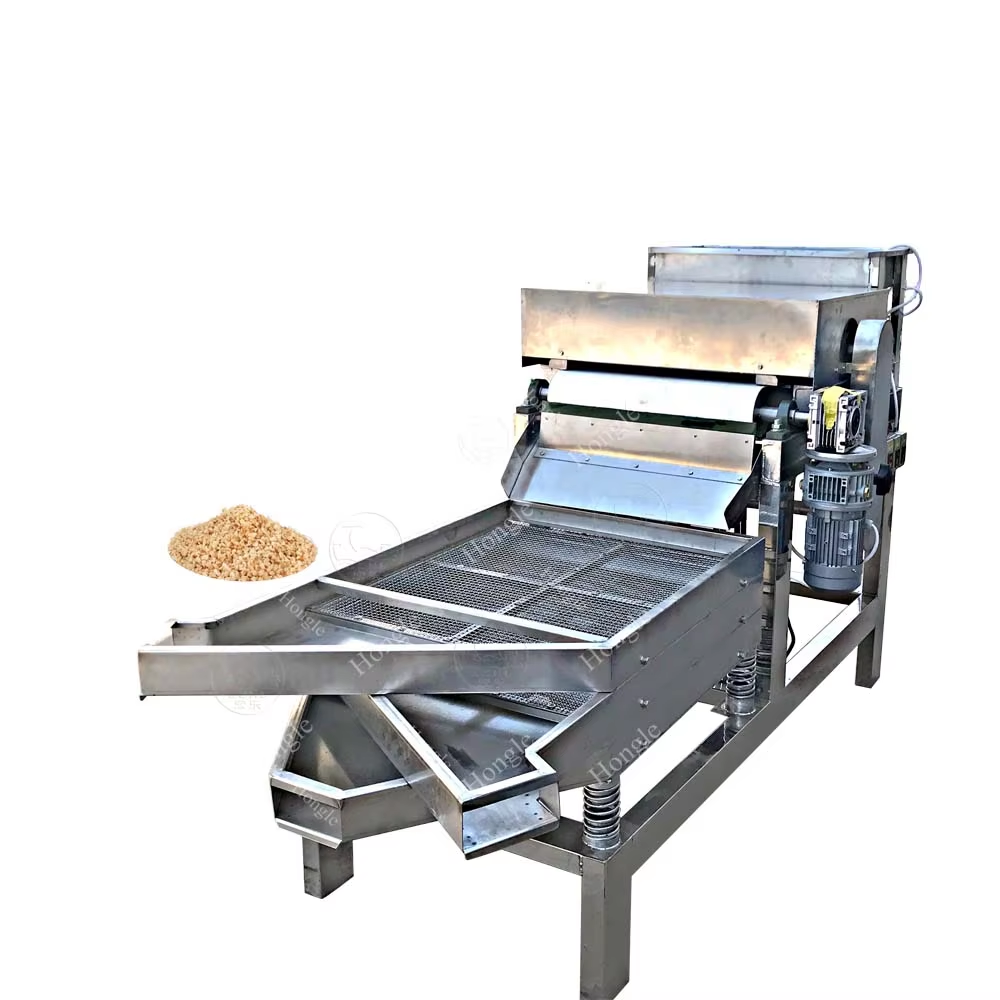
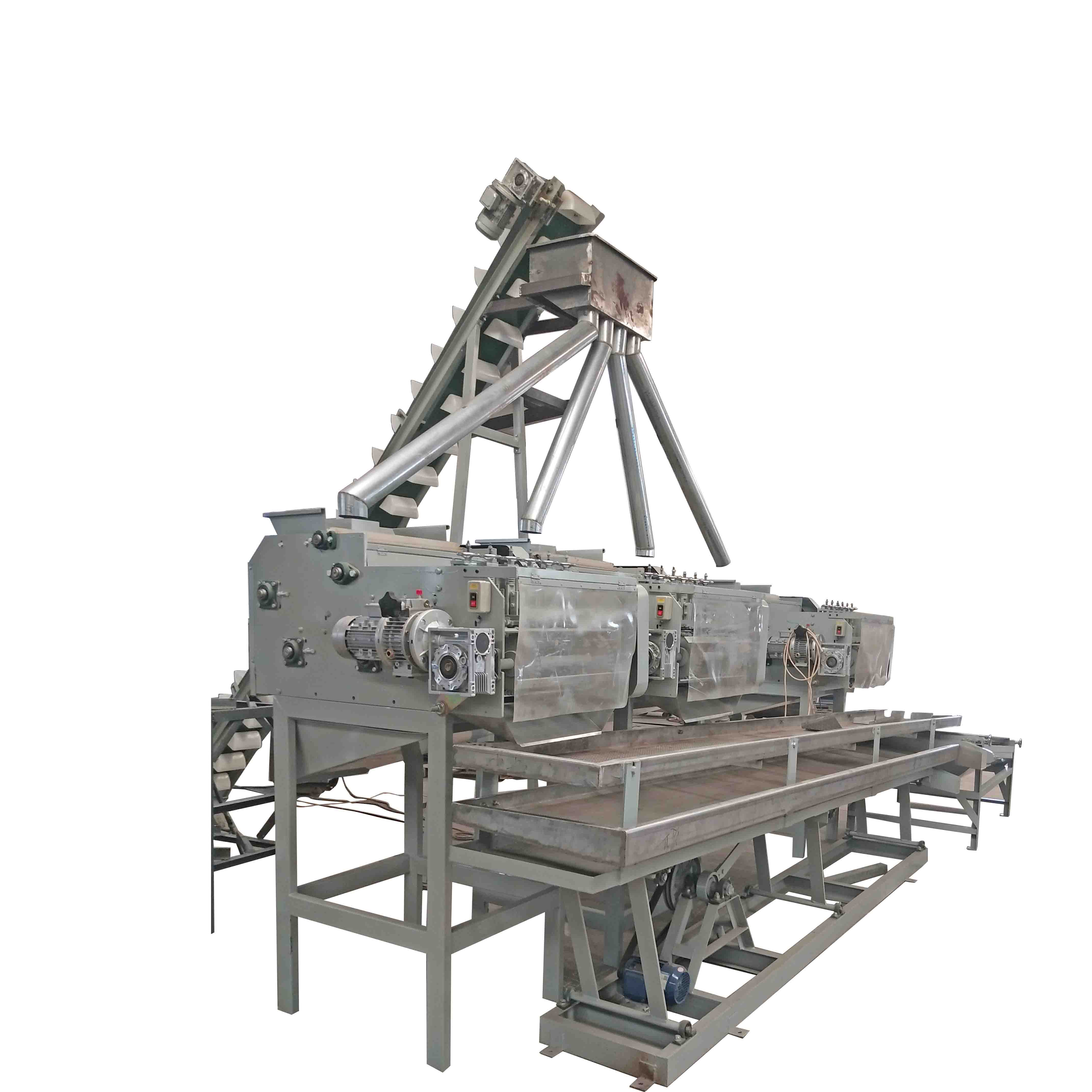
Precision Calibration of Cashew Nut Processing Machines for Maximum Kernel Recovery
How Blade Geometry, Gap Settings, and Real-Time Adjustment Affect Kernel Yield
The shape of blades and how much space they leave between them really affects how many cashew kernels get recovered during processing. Machines with blades set at 15 degrees cut down on shell pieces mixing into the kernels by around 40 percent compared to older models with 30 degree angles according to FAO research from last year. Newer equipment also features systems that adjust gaps automatically as different sized nuts pass through. Getting these settings right matters because if there's not enough pressure applied, about 12% of kernels just stay stuck inside their shells. But too much force will crack the kernels completely. The latest technology includes optical sensors that can tweak blade positions down to microns, which means factories using automated systems typically recover 91% of whole kernels. That's way better than the old fixed gap machines that barely hit 78% yield.
Calibration Trade-offs: Avoiding Over- vs. Under-Shelling in Small-Scale Operations
Smaller processors face distinct calibration challenges: high-throughput settings optimized for uniform industrial-grade nuts often shatter irregular harvests. Manual recalibration between batches lowers throughput by 35%, yet skipping it increases breakage to 22–38%. Modular cashew processing plant machinery addresses this via:
- Preset configurations for common regional nut profiles (e.g., West African vs. Vietnamese varieties)
- Quick-release blade housings enabling sub-10-minute changeovers
-
Semi-automated tensioners maintaining optimal pressure despite wear
This balances fragment rates below 9% while preserving 85%+ operational uptime—proving lean operations needn't sacrifice precision.
Heat Treatment Optimization to Weaken Shells Without Compromising Kernel Integrity
Moisture-Temperature Thresholds for Effective Shell Cracking and Minimal Kernel Damage
Getting the right heat treatment depends heavily on balancing moisture levels with temperature. For cashew shells, the sweet spot seems to be around 120 to 135 degrees Celsius when moisture content stays between 8 and 12 percent. This helps weaken the shells so they crack more cleanly during processing. If temperatures drop below 110 degrees, the shells become too rigid and breakage rates jump about 40%. Going over 140 degrees causes serious problems though, as the kernels get scorched and lose their texture permanently according to recent studies from the Food and Agriculture Organization. Steam heating works better than dry roasting methods because it keeps the kernels intact without letting oils migrate out. When manufacturers control the atmosphere during heating, they preserve valuable compounds like phenolics and antioxidants, which is what premium quality cashews need. Modern facilities now use real-time moisture sensors to avoid case hardening, that nasty situation where the outer layer dries too fast while steam builds up inside. This leads to explosive shell breaks and shattered kernels that nobody wants.
Synchronizing Roasting/Steaming with Shelling Timing to Reduce Post-Treatment Breakage
Getting those kernels off quickly after treatment matters a lot. When they cool down past 65 degrees Celsius, they start getting brittle and break apart during handling at rates between 22 to almost 40 percent when done manually. That's where automated systems shine though. These machines can control both the heat application and cracking process within about 90 seconds, keeping the kernels pliable enough so only around 9% get fragmented. The whole setup includes conveyor belts that move things along in under two minutes flat, even on those hot days or during monsoons when temperatures swing all over the place thanks to special infrared heaters built right in. All this careful timing actually saves about 17% in energy costs compared to older batch processing techniques. For smaller operations, there are now these modular steam chambers with built-in timers that beep when it's time to switch steps. This eliminates those costly mistakes people used to make by hand, which were costing the industry over seven hundred forty thousand dollars each year according to research published by Ponemon back in 2023.
Automated Cashew Nut Processing Machines vs. Manual Systems: Throughput, Accuracy, and Economic Impact
Breakage Rate Comparison: <9% in AI-Calibrated Machines vs. 22–38% in Manual Shelling
Cashew nut processing machines powered by AI can keep breakage below 9%, which is three times better than what happens when people do it manually, where around 22 to 38% of the nuts get damaged during shelling according to FAO data from 2023. These machines work so well because they use computer vision technology that adjusts how hard it cuts based on the size of each individual nut. This means fewer broken pieces and no variation caused by human error. For those running processing plants, every point drop in breakage actually saves money since whole cashews sell for 20 to 30% more than broken bits in international markets. Beyond just saving good nuts, these machines also handle work much faster. Automated systems can process 500 kilograms per hour with just two workers watching them, compared to manual methods where one person might only manage 50 kg in a whole day. That cuts labor expenses down by about 60% in medium-sized operations. Manual techniques have another problem too. When workers get tired after long hours, breakage rates often jump above 50%. But machines don't get tired, so they consistently stay under 9% breakage no matter how long they run. This makes all the difference for companies needing to meet large orders for top quality Grade-A kernels something most traditional methods simply cannot match.
Integrated Plant Design: Modular Cashew Nut Processing Machine Layouts for Line Efficiency
The modular approach to plant design is changing how cashew nuts get processed, mainly because it makes workflows smoother and cuts down on those annoying bottlenecks everyone hates. When manufacturers set up their cashew processing equipment as standard modules that can swap around easily, they gain flexibility to grow their operation quickly or adjust for various nut sizes depending on what market needs arise. Industry reports show that these kinds of setups cut material handling work by somewhere between 30 to 40 percent when compared to traditional fixed layout plants. What really stands out about this system though is how freely those modules can be moved around within the facility space, which opens up possibilities we haven't even thought about yet in cashew processing facilities worldwide.
- Continuous flow integration between shelling, peeling, and grading stations
- Targeted capacity upgrades without full-line shutdowns
- Simplified maintenance access to individual machine components
Factory workers have noticed changeover times improve somewhere between 15 to 25 percent when they adjust their modular cashew processing setups during peak seasons. When machines are arranged properly in clusters, factories actually save quite a bit on electricity because there's less need for those extra conveyor belts running all over the place. New plants get built much quicker too about half the time compared to traditional methods. Older facilities can upgrade piece by piece without stopping production completely. What makes this approach so valuable is how it handles unexpected changes in regulations or sudden drops in demand for certain cashew products. Plants that embrace modularity tend to weather industry fluctuations better than ones stuck with rigid layouts.
FAQs
What is a good blade angle for cashew processing machines?
According to FAO research, a blade angle of 15 degrees is effective in reducing shell pieces mixing into the kernels.
Why do automated systems yield more whole kernels compared to manual processes?
Automated systems can adjust the blade positions in real time, providing precise control and reducing kernel breakage.
What are the optimal heat treatment conditions for cashew nuts?
The ideal temperature is between 120 to 135 degrees Celsius with moisture content between 8 and 12 percent.
How do modular processing designs benefit cashew nut plants?
Modular designs improve workflow efficiency, reduce bottlenecks, and offer flexibility for capacity upgrades and layout adjustments.
Table of Contents
- Precision Calibration of Cashew Nut Processing Machines for Maximum Kernel Recovery
- Heat Treatment Optimization to Weaken Shells Without Compromising Kernel Integrity
- Automated Cashew Nut Processing Machines vs. Manual Systems: Throughput, Accuracy, and Economic Impact
- Integrated Plant Design: Modular Cashew Nut Processing Machine Layouts for Line Efficiency
- FAQs
