 EN
EN


Raw Fruit Intake and Preprocessing in the Fruit Juice Production Line
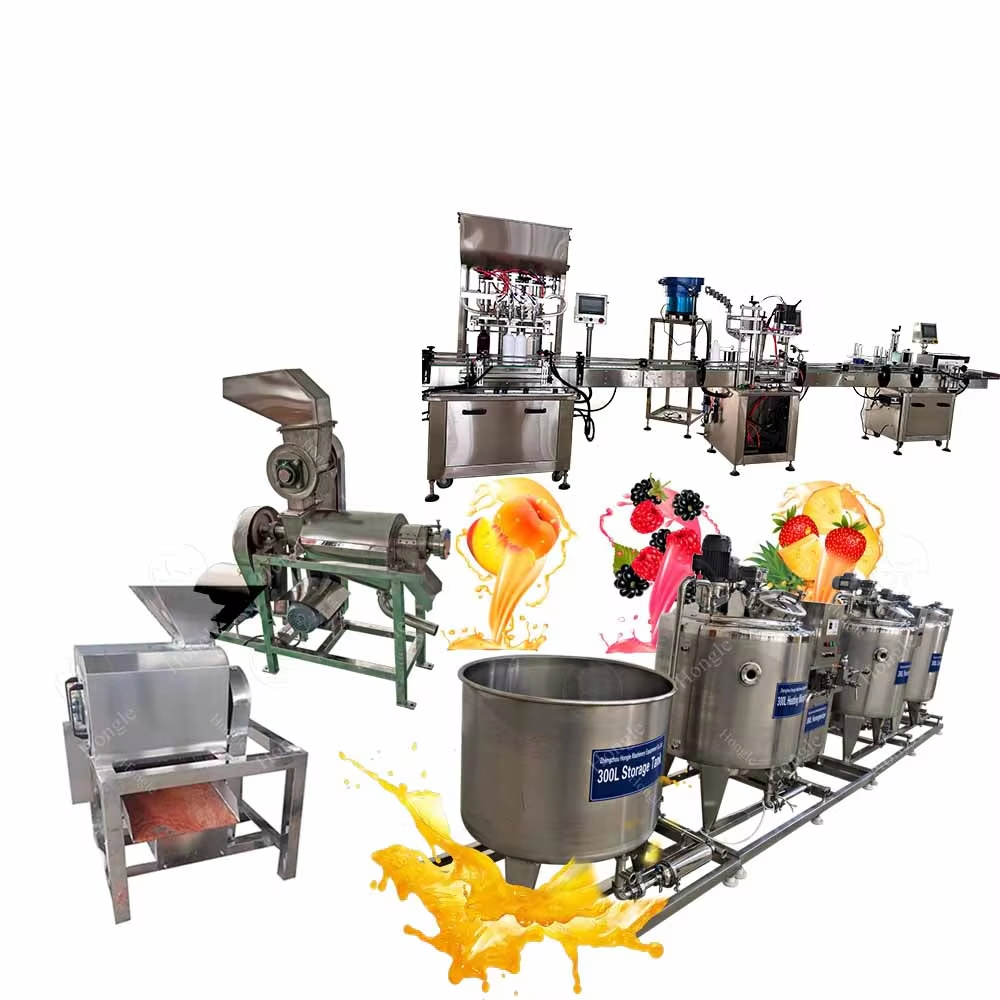
Fruit selection criteria: variety, ripeness, seasonality, and their impact on yield, flavor, and processing efficiency
The choice of fruit varieties makes all the difference when it comes to making good juice. Take high pectin apples for clear juice or those sweet low acid oranges that just taste right. These decisions affect how much juice we get out, what flavors come through, and even how smoothly operations run day to day. Green fruit tends to give about 20% less juice than ripe ones at their best, which means wasted time and money. On the flip side, fruit that's too ripe starts fermenting before processing, creating problems with storage life and requiring extra work to keep microbes under control. Getting fruits in season works wonders for production planning. When harvest matches factory calendars, there are fewer delays getting raw materials to processing lines, so everything flows better throughout the year. Smart growers who pay attention to these factors see higher yields from their presses, maintain consistent flavors batch after batch, and actually save on electricity costs during the initial processing steps.
Washing, sorting, and crushing automation: scalability, hygiene control, and integration with upstream/downstream Fruit Juice Production Line modules
Washing systems that are automated rely on powerful sprays and special sanitizing tunnels to clean away dirt, debris, and harmful surface germs while staying compliant with FDA and FSMA standards for food safety. These systems often include AI optical sorters that spot bruises, mold spots, and unwanted materials with near perfect accuracy around 99% according to most manufacturers. This dramatically cuts down on manual inspection work and keeps contamination risks low. The crushing modules used can scale easily depending on what's needed. Variable speed roller mills handle everything from just 5 tons per hour all the way up to 50 tons without needing any major setup changes. When these components connect smoothly with the earlier stages like conveyor-fed washers and later steps such as pulp transfer ready for pressing, they maintain a steady production flow throughout the whole process. Industry reports from 2024 show this kind of system integration helps eliminate bottlenecks and reduces cross contamination issues by about 30 percent compared to older methods.
Juice Extraction and Yield Optimization Across the Fruit Juice Production Line
Pressing technologies compared: screw presses, belt presses, and enzymatic maceration for maximum juice recovery and solids separation
Screw presses work by using rotating augers to squeeze out juice, getting around 85% from tough fruits like apples but sometimes leaving behind tiny bits of pulp that can cloud the final product. Belt presses are different though they press gently between special permeable belts which helps keep those delicate strawberry smells intact while still squeezing out about 70 to 75% of the juice without too much oxidation happening. There's also enzymatic maceration where they mix pectinase and cellulase enzymes before pressing to break down fruit cells. This method gets an impressive 90% juice recovery rate and cuts down on waste by about 22% compared to just using mechanical methods alone. A recent study published in 2023 looked at all these processing efficiencies and found these numbers pretty consistently across multiple tests.
Equipment performance metrics: throughput, juice clarity, maintenance demands, and cost-per-liter in commercial-scale Fruit Juice Production Line operations
Most large scale operations go with screw presses when they need maximum output, but high end juice companies tend to stick with belt presses because they get better clarity and preserve more of the original flavor. Enzymatic pressing does cost more per liter upfront, but those extra bucks usually pay off since it produces about 15% more usable product overall. Just needs careful monitoring though - temperatures should stay between 45 and 50 degrees Celsius and pH levels must be watched closely throughout processing. Companies that do regular checkups on their equipment see around 30% fewer unexpected shutdowns during busy periods with multiple shifts running. The International Association of Food Protection published these findings in their 2024 industry report.
Clarification, Filtration, and Microbial Control in the Fruit Juice Production Line
After extracting the juice, we need to clarify it to get rid of those pesky insoluble solids, stuff that causes cloudiness, and leftover pectins which mess with how stable and nice the juice feels in the mouth. For this job, cross flow membranes work pretty well alongside DE systems. They separate out particles efficiently but still keep those important volatile flavors intact something really important for keeping the juice tasting good. When clarification isn't done right, things start getting clogged up fast downstream in heat exchangers and fillers, meaning more frequent cleaning and longer shutdown periods for maintenance. To handle microbes, most plants go with either HTST pasteurization that's been tested properly or newer approaches such as High Pressure Processing (HPP). Both hit the FDA target of reducing pathogens by five logs. What makes HPP stand out is its ability to stop spoilage enzymes dead without cooking away any flavors through heat damage. Regular environmental checks using ATP swabs around filters and other access points help meet FSMA requirements and prevent those stubborn biofilms from taking hold over time.
Pasteurization, Non-Thermal Preservation, and Regulatory Compliance for the Fruit Juice Production Line
Hot fill methods around 85 to 95 degrees Celsius still dominate the market when it comes to killing off pathogens and enzymes that spoil products. This approach can stretch shelf life from just a few days out to several months without needing all those chemical preservatives we see everywhere these days. The situation changes though for delicate juices like cold pressed citrus or berry mixes where traditional heating would ruin what makes them special. That's where newer technologies come in handy. High Pressure Processing or PEF treatments offer similar safety levels but keep more of those valuable nutrients intact along with that fresh taste people love. When talking regulations, companies need to validate their processes thoroughly looking at things like temperature timing curves. They also have to document every batch properly and test regularly for harmful microbes according to FDA guidelines under 21 CFR Part 120. On top of this, food safety management systems require detailed HACCP plans plus strict controls for allergens and ongoing checks of the production environment. Modern equipment allows much better control over heating profiles now too. These systems can achieve significant reductions in dangerous bacteria counts while keeping over ninety percent of sensitive nutrients such as vitamin C and folate intact during processing.
Packaging, Filling, and End-of-Line Quality Assurance in the Fruit Juice Production Line
Automated filling systems dose juice with ±0.5% accuracy while minimizing headspace oxygen—preserving color, flavor, and nutrient content. Aseptic packaging sterilizes containers and closures in-line using hydrogen peroxide or steam, enabling preservative-free shelf-stable products aligned with clean-label demand. End-of-line quality assurance integrates three core checks:
- Weight verification sensors reject under- or over-filled units in real time
- Vision inspection systems validate seal integrity, label placement, and fill level
- Metal detectors and X-ray scanners identify ferrous, non-ferrous, and stainless-steel contaminants
The implementation meets both FDA standards and HACCP guidelines while significantly lowering the chances of product recalls through consistent safety practices across operations. With real time tracking capabilities, every packaged item can be traced back to specific batches of raw fruits used in production. This makes it much easier to pinpoint problems when auditors come knocking or there's need for investigation later on. Regular adjustments to how fillers are calibrated along with better timing between conveyors has boosted overall efficiency on manufacturing lines. Some big plants have reported cutting down waste by around 15% thanks to these improvements according to recent benchmarks published by Beverage Marketing Corp in their 2024 report.
FAQ Section
What are the benefits of selecting fruits in season?
Choosing fruits that are in season aligns harvest schedules with processing timelines, resulting in fewer delays and optimized production flow.
How do automation technologies improve hygiene control?
Automated washing and sorting systems use powerful sprays, sanitizing tunnels, and AI optical sorters to ensure compliance with hygiene standards, reducing manual inspection and contamination risks.
What are the advantages of enzymatic maceration?
Enzymatic maceration enhances juice recovery rates, cuts waste, and preserves flavor integrity by effectively breaking down fruit cells prior to pressing.
Table of Contents
- Raw Fruit Intake and Preprocessing in the Fruit Juice Production Line
- Juice Extraction and Yield Optimization Across the Fruit Juice Production Line
- Clarification, Filtration, and Microbial Control in the Fruit Juice Production Line
- Pasteurization, Non-Thermal Preservation, and Regulatory Compliance for the Fruit Juice Production Line
- Packaging, Filling, and End-of-Line Quality Assurance in the Fruit Juice Production Line
- FAQ Section
