 EN
EN


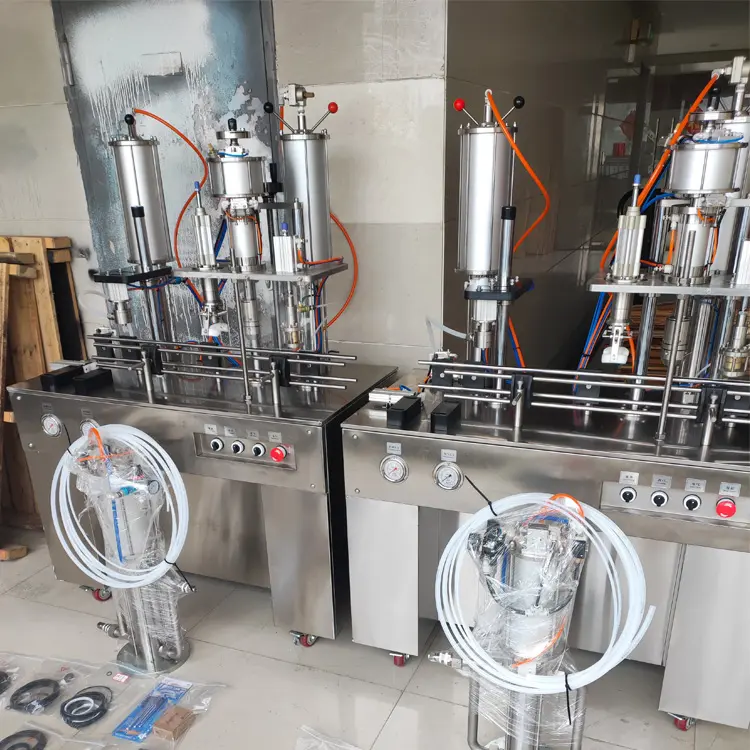
Core Filling Technologies in Car Care Aerosol Production
Understanding UTC (Under-the-Cup) Filling: Precision for Consistent Output
The UTC (Under-the-Cup) filling technique gets pretty close to spot on with about half a percent accuracy when it comes to weight measurements. How does it work? Well, basically they seal those aerosol cans in a vacuum first thing before adding all the propellants and main ingredients. No more pesky air bubbles messing up the spray pattern, which matters a lot for things like ceramic coatings or those fancy tire shine foams people love so much these days. Research into this stuff indicates that UTC methods cut down oxidation problems around 70-odd percent better than regular atmospheric filling techniques. That makes a real difference for keeping those silicone based polishes and cleaners stable over time without breaking down as quickly.
Pressure Filling vs. UTC: Selecting the Right Method for Product Type
Pressure filling works really well with those thick stuff like tar removers and engine degreasers, pushing them through nozzles at around 4 to 6 bar pressure. But when dealing with things that get messed up by heat, most folks go with UTC instead. Take wax emulsions for example these can break down if exposed to too much warmth from compression processes. And there's another thing about UTC it loses about a third less propellant during the filling process compared to regular pressure methods. That makes a big difference in the long run especially when running large scale operations where every little bit counts towards the bottom line.
Automation and Efficiency: Maximizing Throughput and Reducing Waste
High-Speed Aerosol Fillers: Streamlining Production for Car Care Products
Modern car care aerosol production lines using servo driven fillers can hit around 98 percent efficiency when running at about 1200 cans each hour. What makes these systems stand out is their ability to maintain film blowing machine level accuracy while dealing with tricky products. The nozzles are specially designed to work with foaming cleansers and those slick ceramic coatings without creating messes during the process. Many manufacturers opt for dual lane setups which let them fill both small 2 ounce detailer sprays and larger 16 ounce wheel cleaner bottles at the same time. This setup cuts down on changeover time dramatically something like 83% less than what would be needed with traditional manual methods according to industry reports.
Precision Control Systems to Minimize Product Loss and Overfill
Advanced mass-flow sensors maintain ±0.5% fill accuracy across viscosities from 1 to 5,000 cP—essential for silicone-based protectants and solvent-heavy degreasers. Real-time density compensation algorithms adjust for temperature-induced variations during filling, preventing $18,000/month in propellant overfill losses for typical 24/7 operations while ensuring compliance with CARB VOC regulations through exact dose verification.
Quality Assurance and Safety Standards in Aerosol Filling
Spray Pattern and Performance Testing for Optimal Application
Automated spray pattern analyzers measure coverage angle, droplet distribution, and propellant-to-product ratios to verify nozzle performance. For tire shine formulas, systems simulate real-world conditions by testing spray consistency across temperatures from -20°C to 50°C, preventing clogs and uneven application.
Balancing Speed and Accuracy in High-Volume Cleaning Product Lines
Vision systems inspect over 400 cans per minute while maintaining <0.005% overfill rates—key for EPA-compliant operations. Dual-stage reject mechanisms remove underweight or leaking containers without disrupting production flow, improving overall equipment effectiveness (OEE) by 22% according to 2023 industry benchmarks.
Handling Diverse Formulations: Liquid and Viscous Car Care Products
Modern aerosol production lines must accommodate formulations ranging from thin glass cleaners (0.5 cP) to thick tire dressings exceeding 50,000 cP. This requires dual-axis equipment adjustments—optimizing mechanical settings for flow dynamics while ensuring materials resist chemical degradation.
Adapting Filling Systems for Varying Viscosities and Chemical Properties
High-viscosity wheel cleaners require nozzles 40% wider than standard to maintain flow rates above 150 mL/sec. Servo-driven filler systems reduce product waste by 15% compared to piston methods when handling viscous fluids. Key adaptations include:
- Temperature-controlled reservoirs maintaining ±1°C to prevent viscosity shifts
- Shear-sensitive valve designs that preserve emulsion integrity in silicone-based protectants
- Modular pump systems enabling configuration changes in under five minutes
Material Compatibility and Corrosion Resistance in Long-Term Operations
Stainless steel components retain 94% corrosion resistance after 5,000 hours of exposure to acidic wheel cleaners (pH 2.5). Fluoropolymer seals rated for -40°C to 260°C are now standard, accommodating seasonal shifts between summer protectants and winter windshield fluids. Ceramic-coated transfer lines reduce abrasive wear by 63% compared to untreated steel.
Polar solvents degrade standard elastomers 2.3 times faster than petroleum-based compounds, underscoring the need for chemistry-specific material selection in filling line design.
FAQ Section
What is UTC (Under-the-Cup) filling technology?
UTC filling technology involves sealing aerosol cans in a vacuum before adding propellants and main ingredients, minimizing air bubbles, oxidation, and enhancing product stability.
How does pressure filling differ from UTC in aerosol production?
Pressure filling is used for thicker substances, like tar removers, requiring high pressure, while UTC is more suited for formulations sensitive to heat, like wax emulsions, with less propellant loss.
How does automation improve aerosol production efficiency?
Automated systems optimize line speeds, minimize overfills, and improve switchovers, leading to efficiency gains and reduced waste in aerosol production.
What are the key considerations for handling diverse formulations in aerosol production?
Accommodating varying viscosities and chemical properties requires equipment adaptations, such as wider nozzles and temperature-controlled reservoirs, to maintain flow rates and material integrity.
