 EN
EN


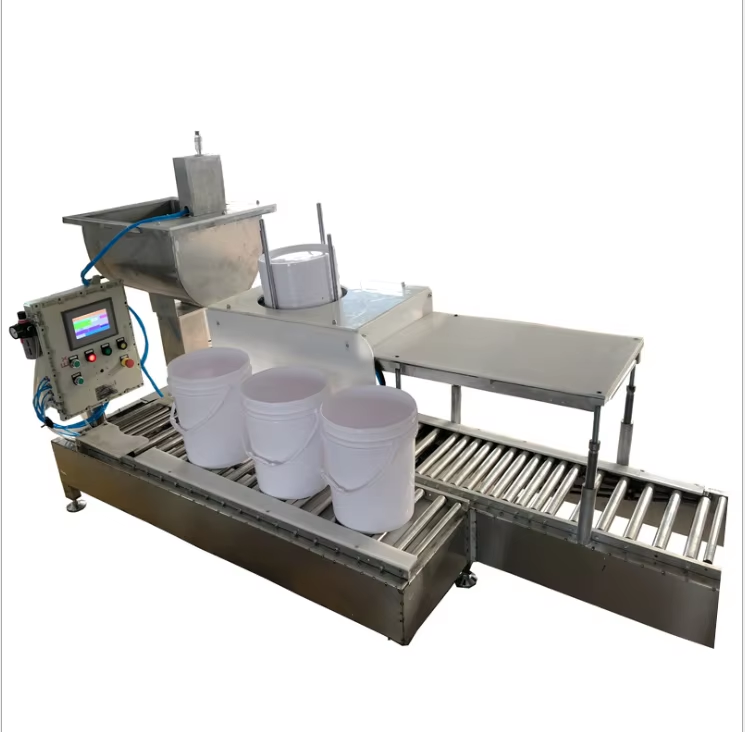
Core Components and Automation in Fully Automatic Aerosol Filling Machines
What Defines a Fully Automatic Aerosol Filling Machine
A fully automatic aerosol spray filling machine with propellant crimping system eliminates manual intervention during critical stages such as product filling, valve placement, and high-pressure propellant injection. These systems use programmable logic controllers (PLCs) to manage sequential operations, achieving precision at speeds exceeding 1,200 cans per hour (Industrial Packaging Journal 2023).
Key Components: Filling Heads, Gassing Heads, and Crimping Heads
Three core subsystems drive the machine’s performance:
- Filling heads deliver liquid products with ±0.5% volumetric accuracy
- Gassing heads inject propellants like LPG or DME at pressures up to 8 bar
- Crimping heads apply 1,500–2,000 N of force to form leak-proof seals
These components operate in concert, ensuring consistent, high-speed production.
Integration of Automation for Seamless Operation
Photoelectric sensors and servo motors synchronize the filling, gassing, and crimping processes, minimizing stage transitions to under 0.2 seconds. Real-time pressure monitoring during propellant injection prevents over- or under-pressurization, contributing to a 99.8% defect-free output rate.
Liquid and Propellant Filling Processes: Precision, Synchronization, and Safety
Precision in the Liquid Content Filling Process
PLC-controlled servo pumps enable ±1% volumetric accuracy by adjusting flow rates based on liquid viscosity. This adaptability supports formulations from low-viscosity solvents to thick creams. Contactless nozzles with anti-drip valves maintain hygiene, making them ideal for pharmaceutical and food-grade applications.
Propellant Gas Injection: Control and Consistency
Digital gas flow meters regulate injection pressures between 5–15 bar, tailored to the propellant type. Systems compensate for temperature fluctuations via real-time feedback, maintaining propellant mass within ±2% tolerance. Prior to injection, nitrogen purging removes oxygen from cans, preventing oxidation and ensuring chemical stability.
Synchronizing Liquid and Propellant Phases in the Filling Cycle
Rotary indexing tables coordinate three key steps:
- Liquid filling with less than 0.5 mL residual in the nozzle
- Immediate propellant injection via vertically aligned gassing heads
- Full inspection before crimping
Optical sensors confirm completion within 0.8-second intervals, achieving 99.4% synchronization accuracy over continuous 24-hour runs.
Contamination Prevention During Filling
Fluid paths constructed from Grade 316L stainless steel and operated within ISO Class 7 cleanrooms minimize microbial risks. Automated steam sterilization cycles—running every four hours at 121°C for 20 minutes—achieve a 6-log reduction in Bacillus atrophaeus spores, meeting USP 51 standards.
Valve Placement and Crimping Mechanism: Ensuring Leak-Free Sealing
Automated Valve Placement Before Crimping
Robotic arms equipped with vision-guided systems position valves with ±0.2 mm accuracy, addressing a primary cause of historical production rejects. Servo-driven actuators dynamically adjust alignment to counteract can deformation or conveyor vibration, reducing misalignment-related waste significantly.
Crimping Mechanism Design and Functionality
The crimping head uses a two-stage process: first forming a mechanical interlock between the valve stem and can nozzle, then applying 2,500–3,000 PSI to create a cold-welded seal. Diamond-coated, hardened steel dies endure up to 8 million cycles, cutting tool-change downtime by 40% compared to conventional dies.
Sealing Nozzle to Can: Achieving Leak-Free Closure
Critical parameters for optimal sealing include:
| Factor | Optimal Range | Impact on Seal Integrity |
|---|---|---|
| Crimp Height | 2.8–3.1 mm | Prevents over-compression |
| Torque Uniformity | ±5% across dies | Eliminates pressure hotspots |
| Surface Roughness | Ra ≤ 0.4 μm | Enables gas-tight metal fusion |
Maintaining these specs ensures reliable, leak-free closures across production batches.
Maintenance and Durability of the Crimping System
Regular monthly inspections can cut seal failures down by around 67%, as found in research published by Plant Automation Technology last year. When it comes to maintenance routines, there are several key things operators should focus on. First off, checking die alignment using those laser profilometers makes all the difference. Then there's keeping lubricants topped up roughly every 50 thousand production cycles. And don't forget regular force calibration work done against those official NIST traceable standards. The modular design approach has really changed things too. With these new setups, changing dies takes less than three hours now. That's cutting down downtime by over 50% compared to what was standard practice just a few years ago in most manufacturing plants.
FAQ
What are the main components of a fully automatic aerosol filling machine?
The main components include filling heads, gassing heads, and crimping heads. Each component plays a critical role in ensuring precision, speed, and reliability in aerosol can production.
How does the automation in aerosol filling machines improve production?
Automation eliminates the need for manual intervention during critical stages, ensures high precision, and increases the production speed to over 1,200 cans per hour. It also provides real-time monitoring, minimizing defects and improving overall efficiency.
What safety measures are integrated into these machines?
Safety measures include dual-layer burst discs, gas-specific leak detection systems, automatic shutdown protocols, and compliance with ATEX and NEC standards. Additionally, the equipment is designed to operate in hazardous environments with minimal risk.
How is consistency maintained during the propellant gas injection process?
Consistency is maintained through digital gas flow meters that regulate pressures, real-time feedback systems to account for temperature fluctuations, and nitrogen purging to ensure chemical stability before propellant injection.
What are the maintenance requirements for the crimping system?
Regular inspections, die alignment checks, lubricant maintenance, and force calibration are essential. Modular design approaches have significantly reduced downtime associated with maintenance.
Table of Contents
- Core Components and Automation in Fully Automatic Aerosol Filling Machines
- Liquid and Propellant Filling Processes: Precision, Synchronization, and Safety
-
Valve Placement and Crimping Mechanism: Ensuring Leak-Free Sealing
- Automated Valve Placement Before Crimping
- Crimping Mechanism Design and Functionality
- Sealing Nozzle to Can: Achieving Leak-Free Closure
- Maintenance and Durability of the Crimping System
- FAQ
- What are the main components of a fully automatic aerosol filling machine?
- How does the automation in aerosol filling machines improve production?
- What safety measures are integrated into these machines?
- How is consistency maintained during the propellant gas injection process?
- What are the maintenance requirements for the crimping system?
