 EN
EN


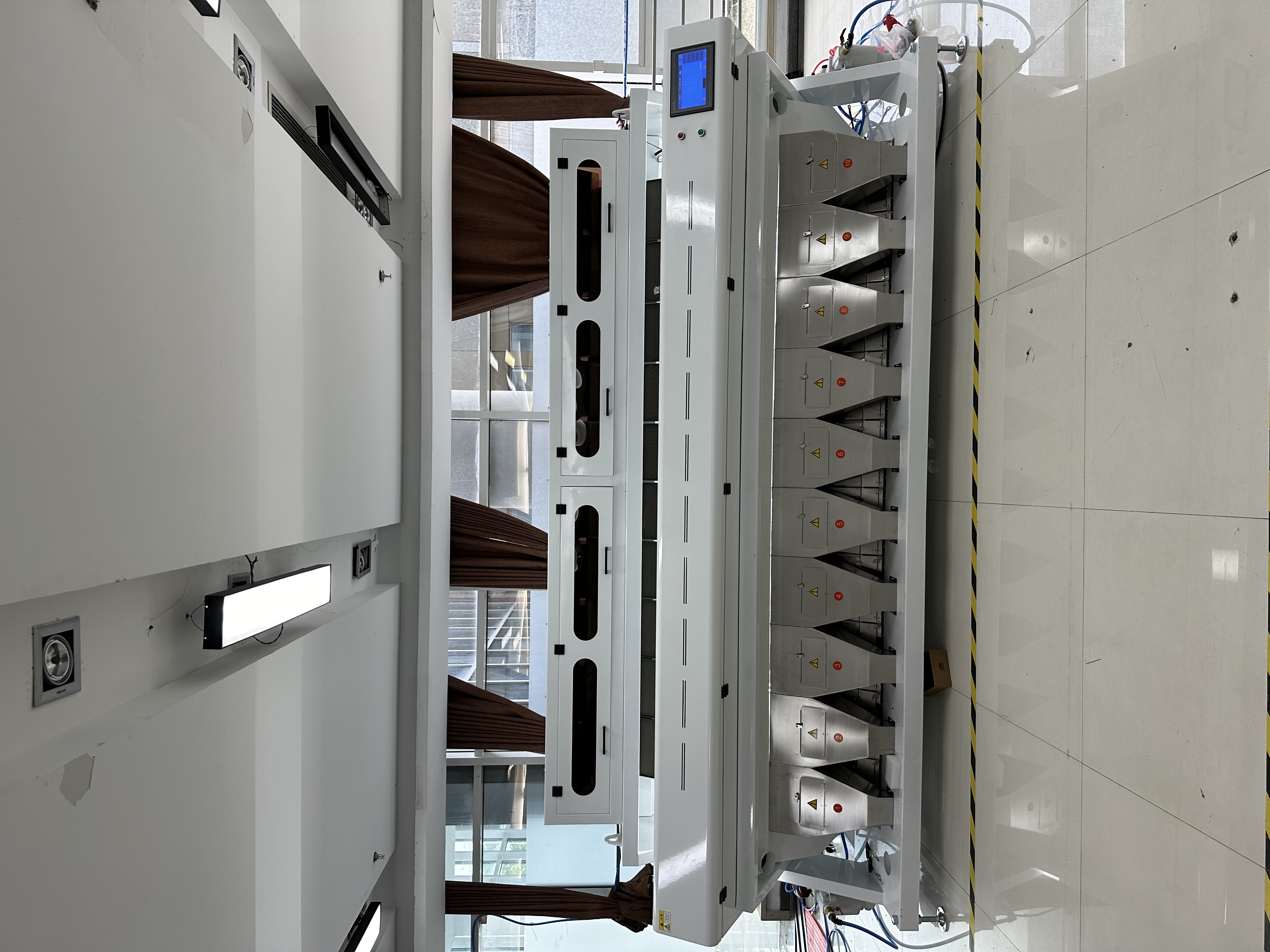
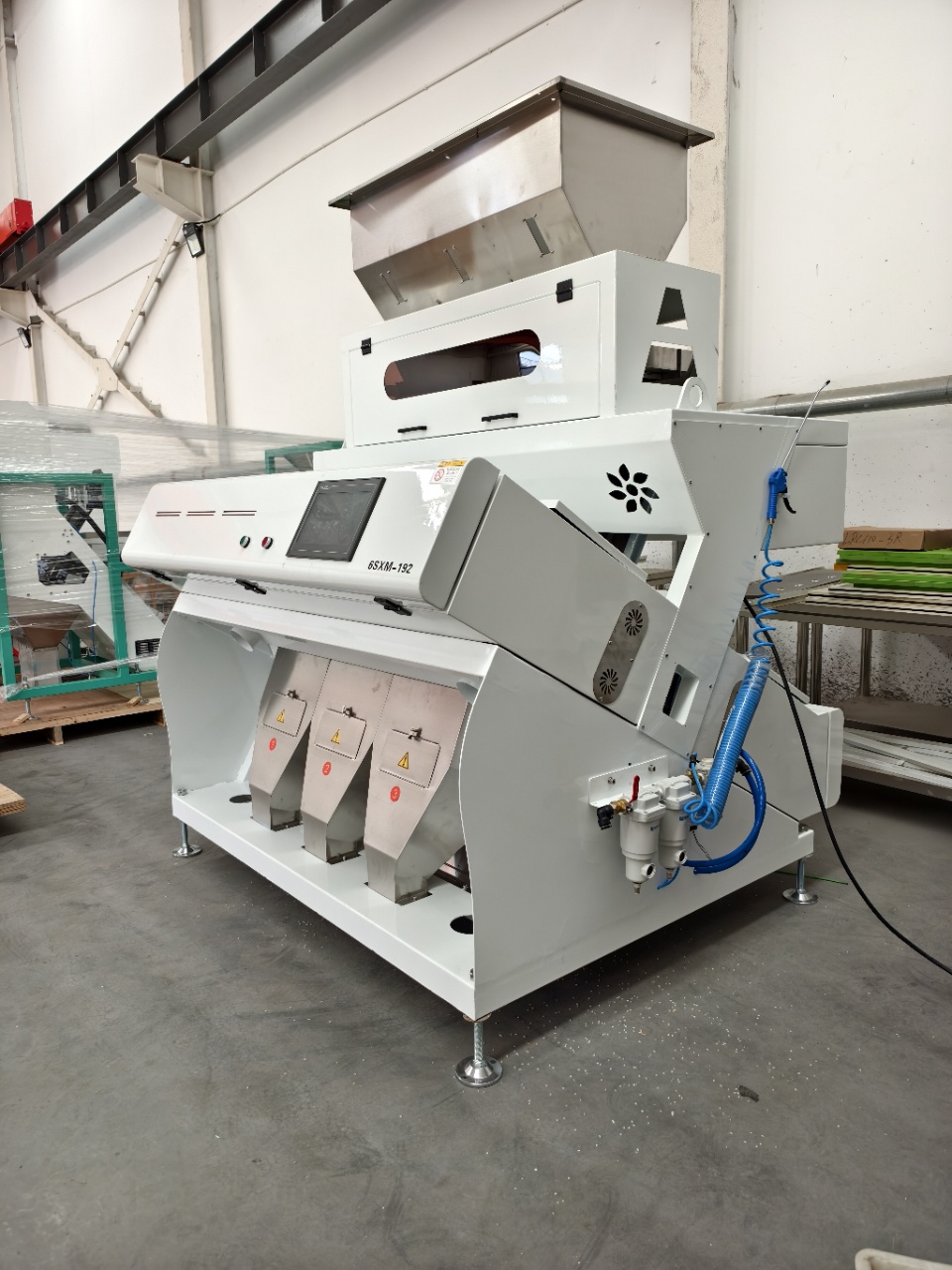
Understanding Modern Fruit and Vegetable Sorting Standards
Multi-Parameter Accuracy: Why Color Alone Isn’t Enough (Size, Shape, Defects, Ripeness)
Sorting fresh fruits and vegetables today requires looking at much more than just their color. Sure, the color tells us something about how ripe they are on the outside, but what about those bruises hidden under the skin? What about variations in density or that early mold starting to grow? These issues can really cut down on how long the produce stays fresh and whether it's safe to eat. That's why many top processing facilities have started using advanced fruit sorters with special imaging technology and smart defect detection systems. These machines can actually see things that regular cameras miss, like subtle changes in texture or chemical signs of problems inside the fruit. Take berries as an example. A bunch might look perfectly red from the outside, but there could be soft spots or bacteria growing inside that no one would notice just by looking at color. According to industry reports, these comprehensive sorting systems cut down on wasted produce by around 18 to 30 percent compared to older methods that relied solely on color checks. This makes a real difference in both how much product gets sold and how profitable operations become. When only the best quality items move forward to packaging, stores get products that meet their standards and customers end up trusting the brand more.
Regulatory & Market Benchmarks: Export (USDA/GlobalG.A.P.), Retail, and Processing Requirements
Meeting international standards really impacts how accurately fruits get sorted. When it comes to produce destined for export markets, there are strict rules from organizations like the USDA and GlobalGAP. These guidelines set limits on what counts as acceptable damage - anything worse than half a percent defects from things like rot spots or deep bruises won't cut it. Supermarkets take appearance even further, demanding fruits that are almost identical in size (within about 2 millimeters) and completely free of any marks or discolorations. Processing plants care less about looks though. They want fruits that will work well in their operations, so they focus more on factors like how firm the fruit is, its sugar levels, and whether the pulp holds together properly. Modern fruit sorters handle all these different needs thanks to their adjustable settings. One machine can switch back and forth between handling export grade, supermarket quality, and processor requirements simply by changing parameters like defect detection thresholds (around 3mm minimum), color matching tolerances (about 5% variance allowed), and physical handling specifications. All this happens while still moving through over ten tons of product every hour. The ability to adapt like this means fewer problems during inspections, saves money on having to fix mistakes later, and makes sure whatever comes out matches exactly what customers further down the supply chain need.
How Fruit Sorting Machine Technology Delivers Precision Color and Multi-Attribute Detection
From RGB to Hyperspectral Imaging: Optical Capabilities That Enable True Color Fidelity
Today's fruit sorting equipment actually depends on something called hyperspectral imaging rather than just regular RGB technology for much better color accuracy and what's going on inside the fruit itself. Regular RGB cameras can only see three wide ranges of colors, whereas these advanced hyperspectral systems look at over 100 specific color ranges spanning both visible light and near infrared wavelengths. What this means is they can spot things like when chlorophyll starts breaking down showing how ripe a fruit really is, detect watercore issues in apples, or even measure sugar levels that predict taste quality none of which show up properly based just on skin color alone. A study published in Food Tech Journal back in 2023 found these hyperspectral systems get over 99 percent right when looking for problems inside fruits, way ahead of what basic RGB cameras can do since they're limited to just surface appearances. The main benefits here are pretty clear though I won't list them all out now.
| Capability | RGB Systems | Hyperspectral Imaging |
|---|---|---|
| Spectral Bands | 3 (Red, Green, Blue) | 100+ bands |
| Defect Detection | Surface-level only | Sub-surface bruising, internal rot |
| Ripeness Assessment | Limited accuracy | Sugar content prediction via NIR |
| Light Sensitivity | Requires consistent lighting | Compensates for ambient variations |
This fidelity allows precise grading against standardized color codes—like distinguishing #FFA500 “export-orange” from off-spec shades—while minimizing false rejections that erode yield.
AI-Powered Classification: Real-Time Maturity, Bruise, and Rot Detection Beyond Hue
AI turns basic optical data into smart decisions that spot things like bruising under stems, early signs of mold growth, or inconsistent ripening all within fractions of a second. The deep learning models behind this tech have been fed tons of labeled fruit pictures so they can pick out those tiny differences in texture, heat signatures, and light absorption that only experts would normally notice. When it comes down to specifics, blueberry inspection focuses on soft spots and dried up areas, while apple checking looks out for that rough skin called russeting and those annoying bitter pits inside. According to research from the Ponemon Institute back in 2023, machines using AI cut down mistakes during sorting by about 89% compared to what people could do manually. That translates to around $740k saved every year just from not sending off bad batches. What's really impressive though is how fast these systems work too - over ten fruits per second actually - yet still hit those quality standards consistently enough to keep export markets happy with nearly perfect 99.9% clean product rates.
Selecting the Right Fruit Sorting Machine for Crop-Specific Accuracy Needs
Calibration Differences: Smooth vs. Textured Surfaces (Apples vs. Lettuce vs. Blueberries)
Getting the optical calibration right depends on what kind of crops we're looking at. For smooth skinned fruits like apples, the system needs high resolution and diffuse lighting to spot those tiny bruises that show up on shiny surfaces. Leafy vegetables such as lettuce tell a different story altogether. These guys benefit from angled light sources that can penetrate through all those layers and reveal dirt spots, insect bites, or rot hiding in the nooks and crannies. Berries are another special case entirely. They work best with hyperspectral sensors set up for gentle scans that don't crush them but still pick out mold signs that regular color cameras miss completely. Research published in an agricultural journal showed that when calibration goes wrong, facilities dealing with multiple types of produce see around 15% more rejected items than necessary. So really, good results start long before picking hardware off a shelf they come from knowing exactly how to tune the optics for each specific application.
Throughput-Accuracy Tradeoffs: Matching Machine Speed to Purity Targets (e.g., 99.9% Export-Grade)
Getting products up to export grade purity (around 99.9% free from defects) means making some tough choices between how fast things move through the system versus how thoroughly they get checked. Most high volume systems running between 8 and 12 tons per hour usually hit around 95 to 97% accuracy, which works fine for regular commercial markets. But when companies need to meet those strict USDA certification requirements, they often have to slow down their conveyor belts by roughly 30 to 40%. This slower pace allows for better inspections including looking at items from multiple angles, using near infrared technology for verification, and running them through artificial intelligence classification processes again. For delicate fruits such as peaches, this matters even more because going too fast can actually bruise or damage the fruit, creating brand new problems right there on the line. That's why many facilities are turning to modular sorting equipment these days. These systems let operators switch modes quickly depending on what kind of quality level is needed for different customer orders, all without having to rip out and replace entire pieces of machinery just to adjust for market demands.
| Sorting Objective | Throughput Range | Accuracy Level | Use Case Example |
|---|---|---|---|
| Commercial Grade | 8–12 tons/hour | 95–97% | Local market peaches |
| Export Standard | 5–7 tons/hour | 99.9%+ | USDA-certified apples |
FAQs
Why is hyperspectral imaging preferred over RGB cameras for fruit sorting?
Hyperspectral imaging offers much better color accuracy and can detect internal issues that RGB cameras, which are limited to surface appearances, cannot capture. This includes detecting ripeness more accurately and identifying defects beneath the fruit's surface.
How does AI improve the efficiency of fruit sorting machines?
AI enhances the sorting process by processing optical data to detect subtle signs of bruising, mold growth, and ripeness, often faster and with greater accuracy than human inspectors. AI systems have proven to reduce sorting mistakes significantly, leading to cost savings.
What are the benefits of adjustable settings in modern fruit sorters?
Adjustable settings in fruit sorters allow operators to switch between different sorting requirements—such as export grade, supermarket quality, and processor needs—by modifying defect detection thresholds and color matching tolerances. This flexibility results in fewer inspection problems and cost savings.
Why is calibrating optical systems based on specific crop types important?
Specific crop types require different calibration due to variations in their surface textures and density. Proper calibration ensures accurate sorting, reducing unnecessary waste and optimizing yield.
What is the throughput-accuracy tradeoff in fruit sorting machines?
Higher accuracy in sorting often requires slower processing speeds to achieve better inspections. This tradeoff is necessary to meet stringent quality standards for export grade purity, and modular systems allow for flexible adjustments to suit different market requirements.
Table of Contents
- Understanding Modern Fruit and Vegetable Sorting Standards
- How Fruit Sorting Machine Technology Delivers Precision Color and Multi-Attribute Detection
- Selecting the Right Fruit Sorting Machine for Crop-Specific Accuracy Needs
-
FAQs
- Why is hyperspectral imaging preferred over RGB cameras for fruit sorting?
- How does AI improve the efficiency of fruit sorting machines?
- What are the benefits of adjustable settings in modern fruit sorters?
- Why is calibrating optical systems based on specific crop types important?
- What is the throughput-accuracy tradeoff in fruit sorting machines?
