 EN
EN


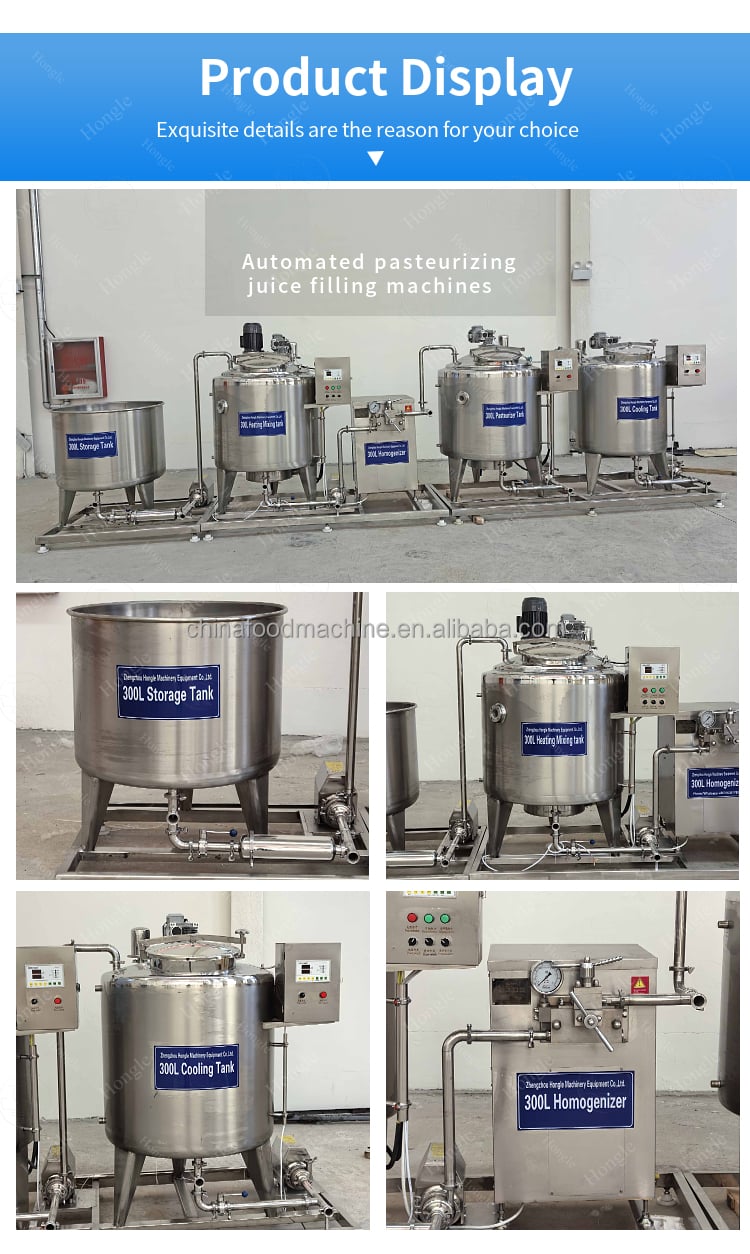
Core Components of a Small-Scale Dairy Processing Line
Pasteurizers: HTST vs. Batch Systems for 200–2000 L/Day Operations
High-Temperature Short-Time (HTST) pasteurizers heat milk to 72°C for 15 seconds, enabling continuous, high-efficiency processing for operations between 200–2000 L/day while preserving nutritional quality and sensory attributes. Batch pasteurization—holding milk at 63°C for 30 minutes—is well-suited for smaller-scale producers (<500 L/day) where capital constraints outweigh labor considerations. HTST systems reduce energy use by 18% compared to batch methods (Dairy Tech Journal 2023), a critical advantage for long-term operational efficiency and sustainability.
| Feature | HTST Pasteurizers | Batch Pasteurizers |
|---|---|---|
| Capacity | 200–2000 L/day | <500 L/day |
| Energy Use | 18% lower | Higher |
| Labor | Automated monitoring | Manual temperature control |
Separators: Disc-Stack and Self-Cleaning Models for Optimal Fat Recovery and Low Maintenance
Disc-stack separators deliver ≥95% fat recovery using precise centrifugal force—essential for consistent cream and skim milk separation in value-added production. Self-cleaning models automatically purge sludge every 60–90 minutes, eliminating manual disassembly and reducing maintenance downtime by up to 30% versus manual units. Both configurations use food-grade stainless steel (304 or 316) to meet HACCP-compliant sanitary design standards and support throughput ranges of 500–5000 L/hour.
Critical Supporting Equipment: Cooling, Storage, and Sanitation Infrastructure
Efficient small-scale dairy processing lines rely on robust supporting infrastructure to maintain product integrity from pasteurization to packaging. Proper cooling, storage, and sanitation systems prevent microbial proliferation while ensuring regulatory compliance and shelf-life stability.
Milk Cooling Tanks: Jacketed, Agitated Designs in Stainless Steel 304/316 for Rapid Heat Removal
Post-pasteurization, milk must be cooled to ≤4°C within 90 minutes to inhibit bacterial growth per FDA and Codex Alimentarius guidelines. Jacketed stainless steel tanks—constructed from grade 304 (standard) or corrosion-resistant 316 (for acidic or high-salt products)—use glycol-filled cavities for uniform, controlled chilling. Integrated agitators prevent fat separation and accelerate heat transfer, enabling 40% faster cooling versus static tanks and reducing energy consumption by ~18% per liter processed.
CIP Systems and Sanitary Design Principles to Ensure Food Safety Compliance
Automated Clean-in-Place (CIP) systems eliminate manual cleaning risks through programmable cycles that circulate detergents and sanitizers across all product-contact surfaces. These systems are built around foundational sanitary design principles:
- Self-draining welded joints (no threaded fittings)
- Radius corners (>6 mm) to prevent residue accumulation
- Electropolished surfaces (Ra ≤0.8 μm) to limit biofilm adhesion
- Validated spray ball coverage for complete surface contact
When properly implemented, validated CIP systems reduce contamination incidents by 72% and cut water usage by 35% compared to manual cleaning—supporting compliance with FDA 21 CFR Part 117, HACCP, and international dairy safety standards.
Scalability and Value-Add Options for Growing Small Dairy Businesses
Homogenizers and Packaging Integration: Balancing Upfront Cost with Premium Product Differentiation
Homogenizers enable small dairies to develop premium-textured products—such as stirred yogurts, drinking yogurts, and cream cheeses—that command 20–30% higher retail margins. Though requiring an initial investment of $15k–$40k, homogenization also reduces customer complaints related to cream-line separation and improves product consistency. Packaging integration follows a similar strategic logic:
- Semi-automatic fillers ($8k–$25k) suit producers handling ≤500 units/day
- Fully automated lines ($50k+) support scale but require sustained throughput to justify cost
Modular, supplier-supported implementation—installing homogenizers first, then adding packaging as revenue grows—has delivered verified 18-month ROI periods for early-stage processors. This phased approach supports compliance-ready expansion without overextending limited working capital.
Selecting the Right Dairy Processing Line: Key Criteria for Small Producers
For small dairy operations, selecting processing equipment demands balancing regulatory compliance, budget discipline, and future scalability. Begin by rigorously documenting your product portfolio and realistic volume projections—batch sizes below 2,000 L/day typically favor HTST or batch pasteurization paired with disc-stack separators, not industrial-scale alternatives. Prioritize stainless steel (304 or 316 grade) construction for all product-contact surfaces; microscopic imperfections in inferior materials can harbor pathogens and compromise audit readiness. Critically, assess utility capacity before procurement: undersized refrigeration, steam, or potable water systems risk failure during concurrent processing and CIP cycles. Verify that equipment adheres to internationally recognized sanitary design principles, including cleanability, drainability, and contamination prevention—non-negotiable requirements for food safety audits. Finally, modular designs offer a pragmatic path forward: they avoid costly over-investment while preserving clear upgrade pathways for value-added diversification as market demand evolves.
FAQ
What is the advantage of HTST pasteurizers compared to batch systems?
HTST pasteurizers provide continuous processing and are more energy-efficient, reducing energy use by 18% compared to batch methods. They are ideal for operations processing between 200–2000 L/day.
How do disc-stack separators work?
Disc-stack separators utilize centrifugal force to deliver ≥95% fat recovery, ensuring consistent cream and skim milk separation. Self-cleaning models simplify maintenance by purging sludge automatically.
What are the benefits of CIP systems in dairy processing?
CIP systems automate the cleaning process, reducing contamination incidents by 72% and cutting water usage by 35% compared to manual cleaning, thus supporting compliance with food safety standards.
