EN


Can One Nut Butter Production Line Process Peanut, Sesame, and Almond Butter?
Yes—one well-planned nut butter line can process peanut butter, sesame paste, and almond butter. But the answer is not simply “use the same grinder.” A commercial almond butter grinder must fit into a system that handles ingredient preparation, controlled feeding, grinding, cooling, sanitation, and packing. For a processor building a mixed product portfolio, the real question is whether the whole line can be configured and validated for each recipe.
From a production-planning viewpoint, a practical approach is to define the products first, then verify each machine module against the most demanding material and the strictest cleaning requirement. Peanuts, sesame, and almonds are all oil-rich, but they do not behave exactly the same during roasting, grinding, pumping, or changeover.
What an Almond Butter Grinder Can Usually Handle
A commercial almond butter grinder is generally designed to reduce roasted nuts or seeds into a smooth paste through high-shear grinding. With the correct grinding configuration and process settings, the same core grinding stage may be suitable for peanuts, almonds, and sesame. This is why many commercial buyers start with a multi-material butter grinder machine rather than three independent lines.
However, compatibility at the grinder does not automatically prove compatibility across the line. Before making that decision, review the feed size, roast condition, moisture level, desired fineness, recipe additives, and final package format for every product. A line that produces an acceptable peanut butter may still need different feeding, cooling, or filtration practices to deliver consistent sesame paste or almond butter.
Why Peanut, Sesame, and Almond Products Need Different Process Checks
Each raw material brings a different operating profile. Roasted peanuts are commonly processed into a fluid butter, while almonds may require attention to particle size and heat development to achieve the target texture. Sesame can release oil quickly and is often used for tahini-style paste, so the feeding and recirculation approach should support a stable, homogeneous product.
| Product | Key planning focus | What to verify on the line |
|---|---|---|
| Peanut butter | Consistent grind and oil distribution | Roasting condition, ingredient feed, paste circulation, final texture |
| Sesame paste | Oil separation control and clean changeover | Seed preparation, feed stability, product holding, cleaning access |
| Almond butter | Desired smoothness and heat control | Pre-grinding needs, grinder setting, cooling, repeatable fineness |
Run product trials instead of assuming that one setting works for every formula. Document the raw material condition, machine settings, output temperature, texture result, and cleanup time. Those records make it easier to convert a shared almond butter grinder into a repeatable commercial process rather than a one-off test.
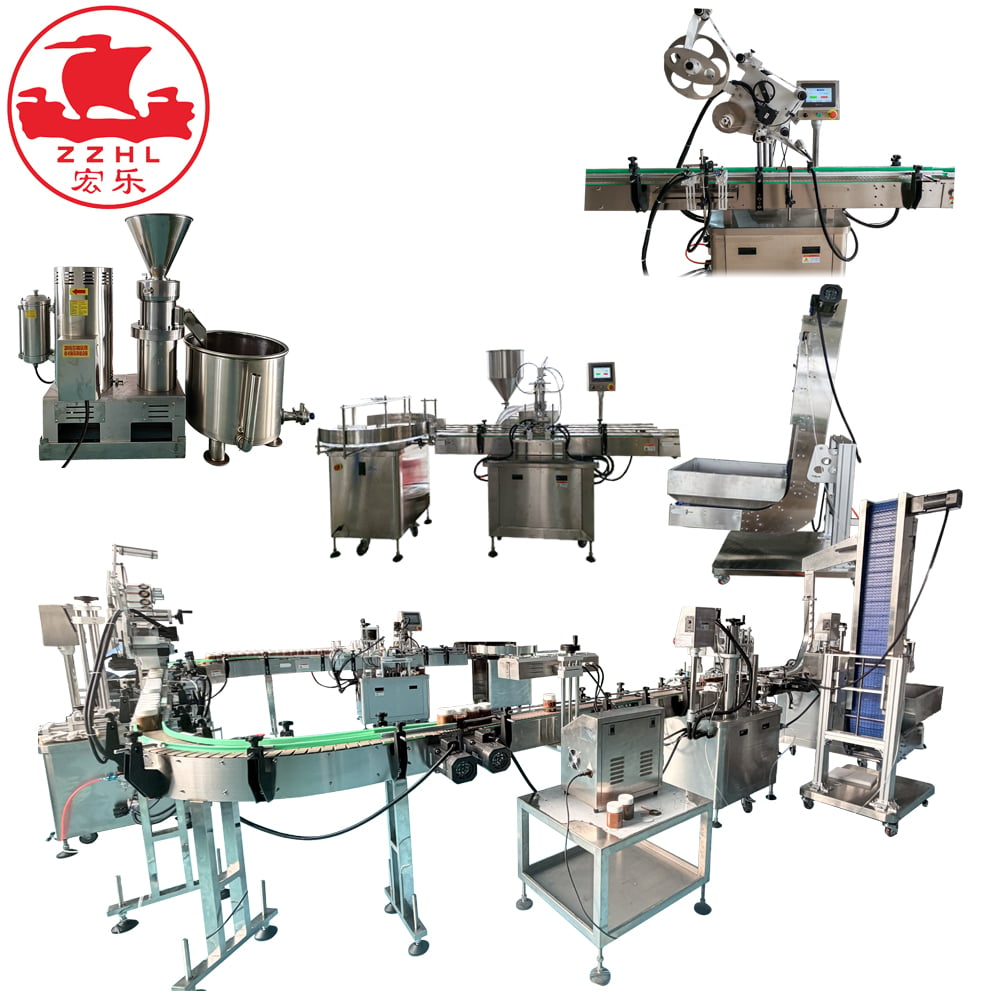 A shared nut butter line requires recipe trials and validated changeovers for each product.
A Shared Line Needs a Changeover and Allergen Plan
For many export-oriented processors, sanitation is the deciding factor. Peanuts, tree nuts such as almonds, and sesame are major food allergens in the United States; sesame has been recognized there as the ninth major food allergen since January 1, 2023. Requirements vary by destination market, so processors should confirm the applicable rules with qualified food-safety and regulatory teams.
In practice, a shared line needs a written sequence for product scheduling, dismantling accessible parts, removing residue, cleaning, drying, inspection, and verification before the next run. FDA material on allergen removal highlights the importance of appropriately applied cleaning methods, but every plant should validate its own procedure for its equipment, product residues, and destination requirements.
- Choose a production sequence that reduces unnecessary allergen changeovers.
- Make sure contact surfaces, transfer pipes, hoppers, and packing interfaces are accessible for cleaning.
- Define cleaning verification and label-control checks before switching recipes.
- Keep recipe records separate so operators can reproduce the correct settings for each butter or paste.
Do Not Evaluate Only the Grinder
The grinder is central, but a reliable multi-product line also depends on the equipment around it. Raw-material cleaning and roasting affect flavor and feed behavior. Elevation and feeding must deliver material consistently. Mixing or holding equipment may be needed for recipe additions or uniformity. Cooling and packaging must match the product’s viscosity and filling temperature.
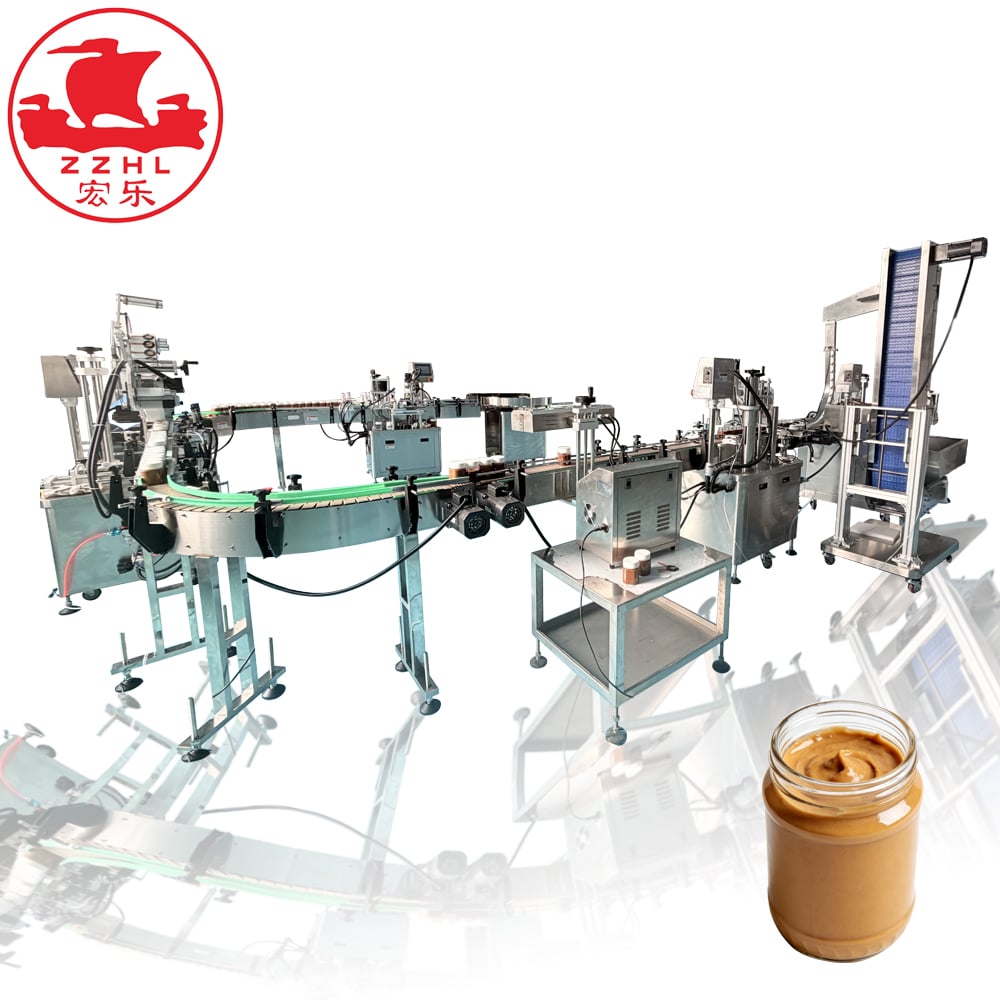
When evaluating an almond butter grinder, ask suppliers to map the complete flow from raw material to packed product. Hongle Machinery can discuss line-planning considerations for food processors and provides an automatic peanut butter production machine for nut factories as a product reference. Confirm the exact configuration, materials, capacity, and suitability for your recipes directly before purchase.
Questions to Ask Before You Buy a Butter Grinder Machine
- Which ingredients and roast conditions will be processed most often?
- What texture, particle size, and oil separation standard is required for each finished product?
- Which product sets the toughest sanitation and allergen-control requirement?
- Can the grinder, piping, hopper, and packing contact points be cleaned and inspected efficiently?
- What trial plan will prove output consistency before a full production commitment?
These questions move the discussion beyond a simple capacity number. A practical butter grinder machine selection considers uptime, changeover time, finished-product consistency, and the staffing needed to operate and clean the line.
The Bottom Line
One nut butter production line can process peanut butter, sesame paste, and almond butter when the grinder and surrounding modules are selected for the full product range. The safest planning method is to validate every recipe through trials, design the line for thorough changeover, and treat allergen control as part of the equipment decision—not as an afterthought.
If your team is comparing an almond butter grinder for a multi-product project, prepare a short product brief with raw materials, target capacity, recipe details, packaging format, and destination market. That gives equipment suppliers the information needed to recommend a technically appropriate line configuration.