EN


Commercial Vegetable Dicer Capacity Guide for Food Processing Lines
For a fresh-cut line, choosing a commercial vegetable dicer machine is less about finding the largest published number and more about matching usable throughput to the rest of the process. Procurement teams need a shared language for raw-material condition, cut specification, feeding method, sanitation time, and downstream flow. That makes supplier comparisons more meaningful and reduces the chance that a dicer becomes the unexpected bottleneck.
This guide takes a line-planning view of the commercial vegetable dicer machine. It is intended for teams preparing fruit and vegetable projects, not for copying a headline capacity from one application to another. A practical request should describe the product mix, target cut, operating window, and the equipment before and after the cutting point.
Start with the output the line must actually deliver
Begin with saleable product rather than a machine nameplate. If the packing area needs 600 kg of diced carrots during a six-hour production window, the planning target is 100 kg/h of accepted output before allowing for normal stops, trim, inspection, and changeover. The commercial vegetable dicer machine then needs enough usable rate to support that target under the stated product and cut conditions.
A simple planning relationship is:
Required infeed rate = required saleable output ÷ expected yield ÷ planned operating efficiency.
For example, a 100 kg/h finished-output requirement, an expected 90% yield, and 85% planned operating efficiency imply about 131 kg/h of infeed capacity. This is a planning example, not a performance promise. Yield and efficiency must be confirmed through trials because peeled potatoes, firm carrots, onions, leafy vegetables, and mixed fruit behave differently in a dicing system.
Do not confuse brief peak demand with the average needed across a shift. A short surge caused by batch washing or manual loading can require buffer space, a feeder adjustment, or a different operating sequence even when the daily volume appears modest.
Why material condition changes dicer capacity
The same commercial vegetable dicer machine can process different materials at different usable rates. Firmness, shape consistency, moisture, temperature, peel condition, and pre-cut preparation all affect how smoothly product enters the cutting zone. Long green onion, irregular root vegetables, soft fruit, and pre-washed produce should be described separately in a supplier discussion.
- Size and shape: State the typical and maximum piece dimensions after washing, peeling, or trimming.
- Texture: Identify firm, soft, fibrous, or high-moisture materials that may affect cut quality or feeding behavior.
- Preparation: Explain whether the line removes stones, peel, damaged pieces, or oversized product before dicing.
- Product mix: List the percentage of each material in a normal run, not only the easiest item to cut.
For fresh cut vegetable processing, this input description also supports a better sanitation plan. FDA guidance for fresh produce notes that food-contact equipment such as knives and blades should be cleaned and inspected for defects that make them difficult to clean. In practice, access for cleaning, blade inspection, and a realistic sanitation interval are capacity factors, not afterthoughts.
Match the feeding system to the dicer, not only to the hourly target
A commercial vegetable dicer machine cannot sustain its intended output when upstream feeding is intermittent or overloaded. The transfer from washer, elevator, dewatering stage, and manual trimming station should present product at a stable rate and in a form the dicer can accept. A hopper that is too small creates starvation; uncontrolled loading can lead to inconsistent cuts, higher rework, or stoppages.
Ask suppliers to assess the complete feed path. Include the upstream machine discharge height, conveyor width, belt speed range, available floor space, and whether operators add product by hand. For a new commercial vegetable dicer machine project, a short line sketch can be more useful than a capacity figure without context.
Search references for commercial vegetable preparation equipment show widely different maximum outputs for individual products. Those figures are useful only as comparison prompts: confirm whether the stated material, cut size, preparation level, and continuous feed conditions resemble your own process.
Cut size and quality targets set the real operating window
Procurement discussions should specify the finished-piece dimensions, allowed variation, acceptable fines, and the quality standard for the final pack. Smaller cubes, fragile produce, and tighter visual requirements may change the operating window of a commercial vegetable dicer machine. The goal is not merely kilograms per hour; it is kilograms per hour that pass your inspection criteria.
| Question to define | Why it affects capacity | What to ask the supplier |
|---|---|---|
| Target piece or strip size | Cut geometry influences throughput and breakage. | What rate is expected for this size and this material? |
| Accepted fines and defects | Rework lowers usable output. | How should a trial measure yield and rejected material? |
| Changeover frequency | Blade or specification changes reduce productive time. | What steps, tools, and cleaning time are needed? |
| Downstream transfer | A slow washer, conveyor, or packer limits line output. | What discharge arrangement keeps product flowing? |
Use a witnessed trial or a defined acceptance test where possible. Record the input weight, run time, saleable output, fines, operator interventions, and cleaning or changeover time. This creates a common basis for comparing a commercial vegetable dicer machine across proposals.
Plan the dicer as one station in fresh-cut vegetable processing
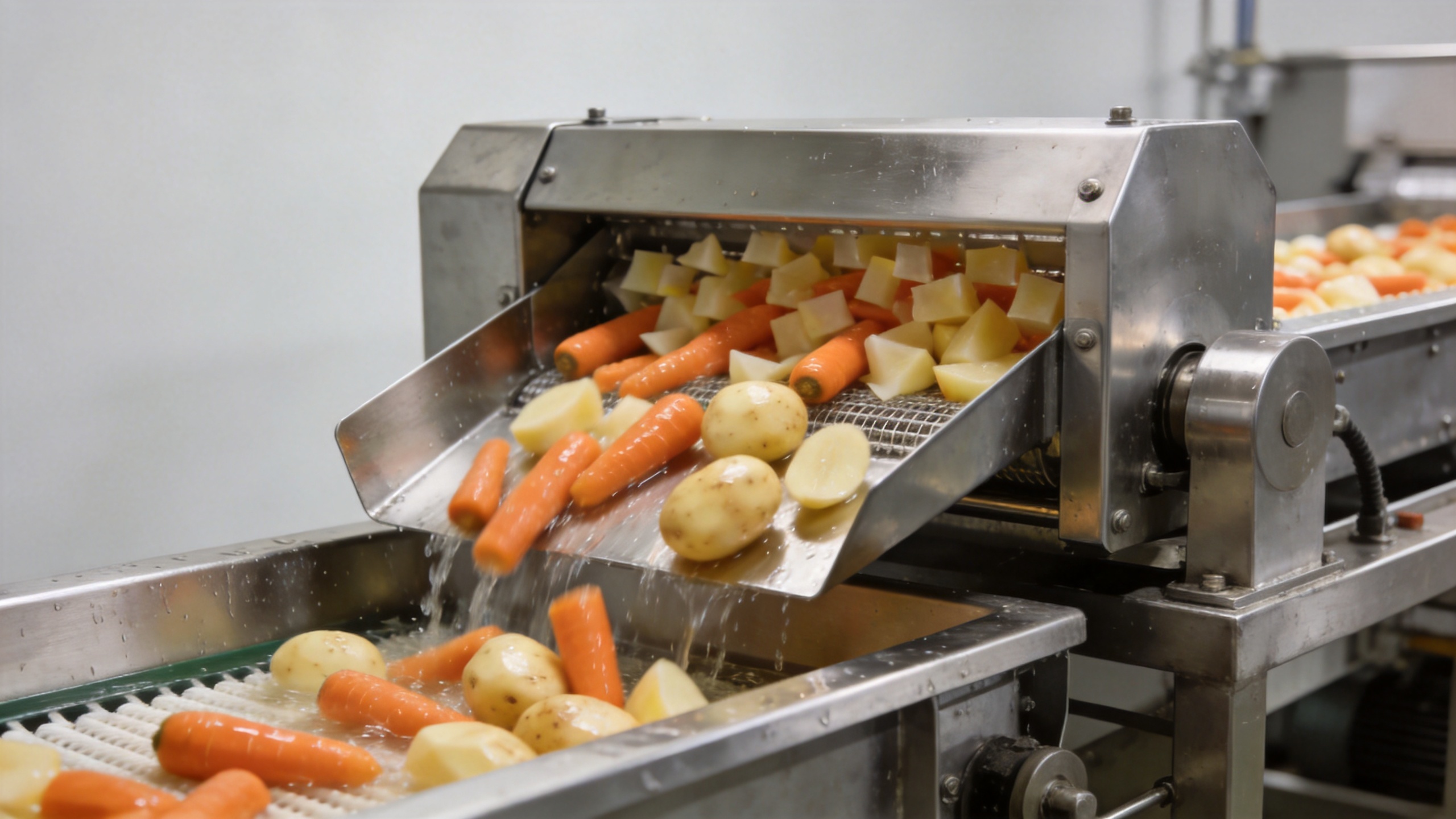
In fresh cut vegetable processing, capacity is determined by the slowest constrained station, not by the fastest catalog number. Washing, inspection, dewatering, dicing, conveying, weighing, and packing must be balanced around the same operating assumption. Consider modest buffer capacity where material arrives in batches, but avoid long holds that complicate product handling or cleaning.
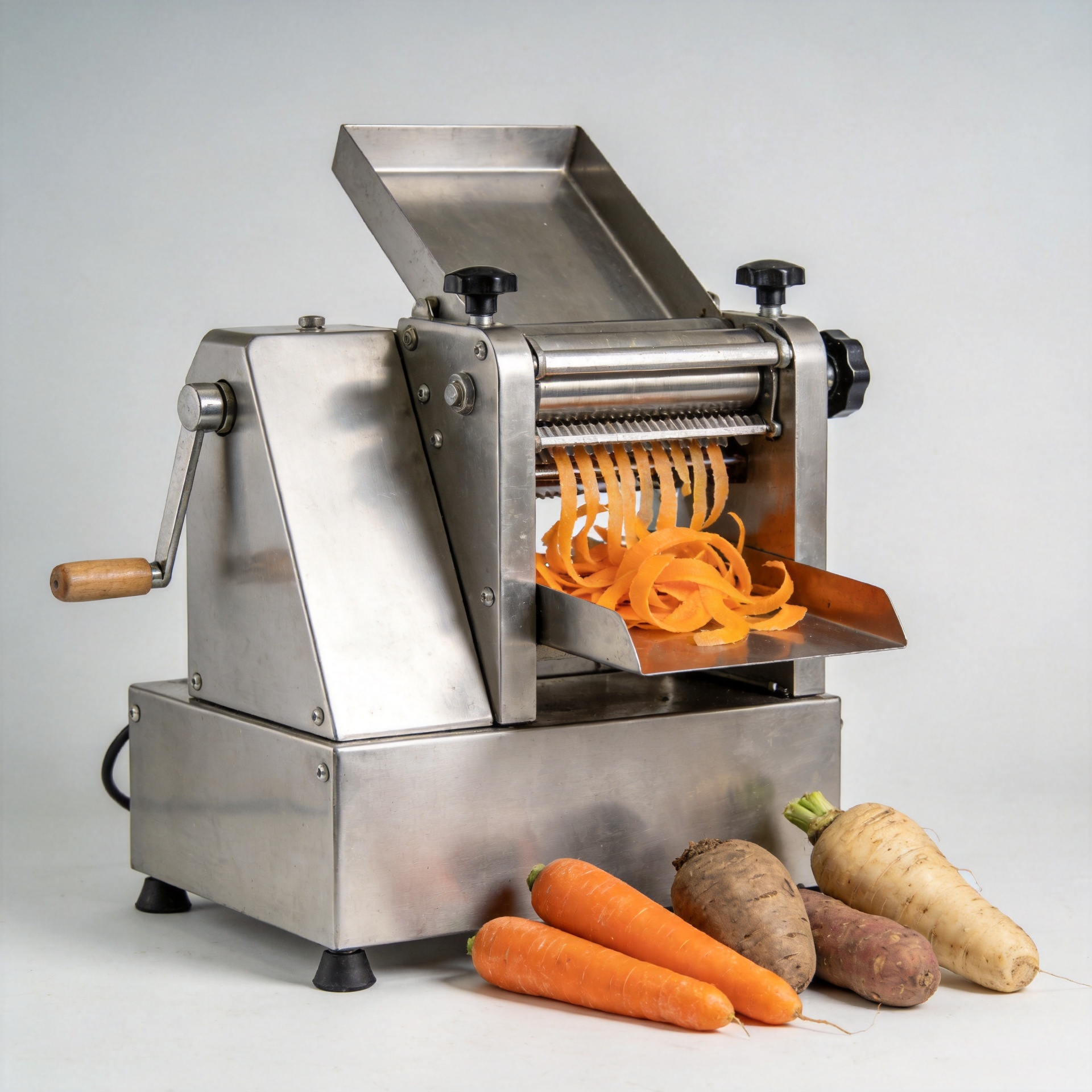
For teams evaluating a product option, the commercial industrial electric vegetable cutter dicing machine for potato, fruit, and green onion can be discussed with the supplier using the material and line details above. The available listing confirms the product category and application wording; its final configuration, verified capacity, and suitability should be confirmed for the specific product trial rather than inferred from the title.
A supplier that can review the line layout, target rhythm, and site conditions may help connect the dicing station with surrounding food processing equipment. Zhengzhou HongLe Machinery Equipment Co., Ltd. positions its offering around food processing machinery and line-planning support; buyers should still document the exact scope, integration responsibility, commissioning support, and acceptance criteria in the commercial discussion.
A supplier-ready capacity brief
Before requesting a quotation for a commercial vegetable dicer machine, prepare one concise brief with the following items:
- Materials to be diced, their proportions, and their pre-processing state.
- Target finished-output rate, peak requirement, shift length, and planned operating hours.
- Target cut sizes, appearance standard, and permitted fines or breakage.
- Upstream and downstream equipment, including conveyor interfaces and available utilities.
- Cleaning method, sanitation frequency, accessibility expectations, and changeover needs.
- Trial material, acceptance measurements, spare-parts expectations, and operator training needs.
This brief turns a general inquiry into an engineering conversation. It also makes it easier to compare quotations fairly, because each supplier is responding to the same definition of usable line output.
Conclusion: select capacity by verified usable output
The right commercial vegetable dicer machine is the one that meets your saleable-output requirement while fitting the material, cut specification, feeding arrangement, cleaning routine, and downstream pace. Treat published capacity as a starting point, then validate the relevant conditions through a documented trial or acceptance plan. That approach gives procurement, production, and suppliers a clearer basis for building a dependable fresh-cut line.