EN

Peanut Butter Production Process: How to Map Quality Checks at Every Processing Stage
For a factory making peanut butter no palm oil, quality control cannot begin with the final jar inspection. Palm oil is often used in spreads to influence texture and oil separation, so a palm-oil-free formula places more weight on consistent raw materials, controlled roasting, stable grinding, and dependable packaging. A peanut butter no palm oil program needs clear control points from receiving to final release. The practical answer is to map each process step to a measurable check, an owner, and a documented response when the result falls outside the factory’s approved limit.
On a production floor, the useful quality plan is not a long list of end-of-shift tests. It is a decision tool used at the line. It tells operators what to inspect before material moves forward, what record to keep, and when to hold product for review. The exact limits must come from the factory’s validated formula, hazard analysis, destination-market rules, and customer specification.
Start with a process map, not a generic checklist
A commercial line for peanut butter no palm oil commonly moves through receiving, cleaning and sorting, roasting and cooling, grinding, blending or deaeration, filling, sealing, and finished-product release. Each handoff is a potential source of variation. If the team only measures viscosity or separation after filling, it may be too late to identify whether the cause was an inconsistent peanut lot, roast development, grinder temperature, or an incomplete mixing cycle.
Build the map around four questions at every stage:
- What condition must be acceptable before the product advances?
- How will the operator measure or observe it?
- Who reviews the record and what triggers a hold or adjustment?
- How is the lot linked to its ingredients, settings, packaging, and release decision?
This approach supports risk-based preventive-control thinking: process, allergen, and sanitation controls need documented procedures that fit the hazards identified by the individual facility. For peanut butter no palm oil, the map also makes it easier to link an observed texture or separation issue to the correct upstream record. It makes equipment discussions more productive because the buyer can connect each requirement to a function on the production line.
Receiving, cleaning, and sorting: protect the formula before processing
The first quality gate for peanut butter without palm oil is the incoming peanut lot. Confirm supplier approval status, lot identity, packaging condition, visible foreign material, odor, and any receiving tests defined in the food-safety plan. Retain the supplier documentation and lot code before peanuts are tipped into the line. A clean production room cannot correct poor incoming material.
During cleaning and sorting, verify that screens, magnets, aspiration, optical sorting, or manual inspection steps are operating as designed. The check is not simply whether the machine is running. Operators should verify that rejects are being separated, collection points are not overloaded, and the inspection result is recorded against the production lot. If a plant handles other nuts or allergens, its written allergen controls should also define how changeovers, utensils, and line clearance are handled.
For U.S.-bound product, labeling claims and product identity deserve a separate review. As one regulatory reference point, the U.S. standard of identity for peanut butter requires at least 90% peanuts and limits finished fat content to 55%. That does not replace a buyer’s local regulatory review, but it shows why formula records and ingredient verification must sit alongside equipment checks.
Roasting and cooling: control development without creating hidden variation
Roasting creates the flavor and color profile that customers recognize, but it also changes the material entering the grinder. In a peanut butter no palm oil process, this handoff matters because later stabilization options may be intentionally limited by the formula. Establish approved roast settings for each peanut type and lot profile, then monitor the actual time, temperature, and discharge condition against the validated operating range. Where the factory uses color, moisture, sensory, or other release criteria, record them consistently rather than relying on a single visual impression.
Cooling deserves its own checkpoint. Peanuts that move forward with inconsistent temperature can change grinding behavior and make later texture adjustments harder to interpret. There is no single temperature that fits every line; the right window depends on the formula, equipment configuration, and validated process. The key is to set the plant’s own limit, measure it at the handoff, and investigate deviations before grinding begins.
Grinding and blending: make texture and oil separation visible
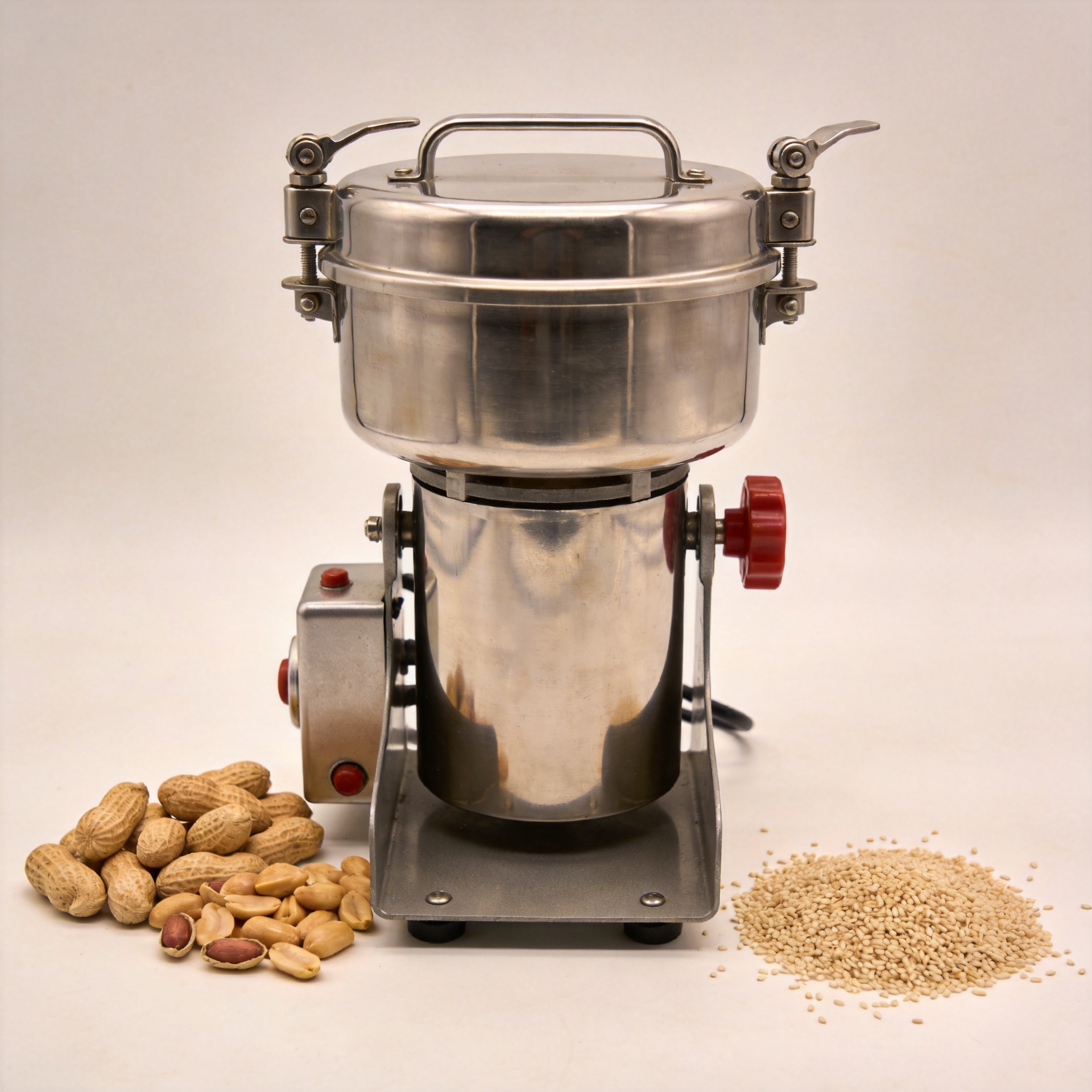
This is the stage where a palm oil free peanut butter process needs particularly disciplined observation. Grinding should be monitored for particle-size consistency, product temperature, flow stability, and abnormal noise or vibration. Blending then needs a documented sequence, mixing time, and verification method that match the approved recipe. Saying that a product is “mixed well” is not a useful quality record; a defined recipe version, batch sequence, and measured acceptance method are.
Oil separation is not caused by one machine setting alone. It can be influenced by raw-material variation, roast condition, particle distribution, temperature history, formulation, and the rest period before filling. When separation appears in retained samples or customer feedback, trace the issue back through these stages instead of changing several settings at once. That is where a stage map protects the team from treating symptoms rather than causes.
For equipment planning, ask the supplier how the line supports repeatable grinding, controlled transfer, and cleaning verification. For example, an automatic peanut butter production machine for nut factories can be evaluated against your own throughput, process sequence, sanitation access, and documented quality checks—not only its headline capacity.
Filling and sealing: verify protection of the finished product
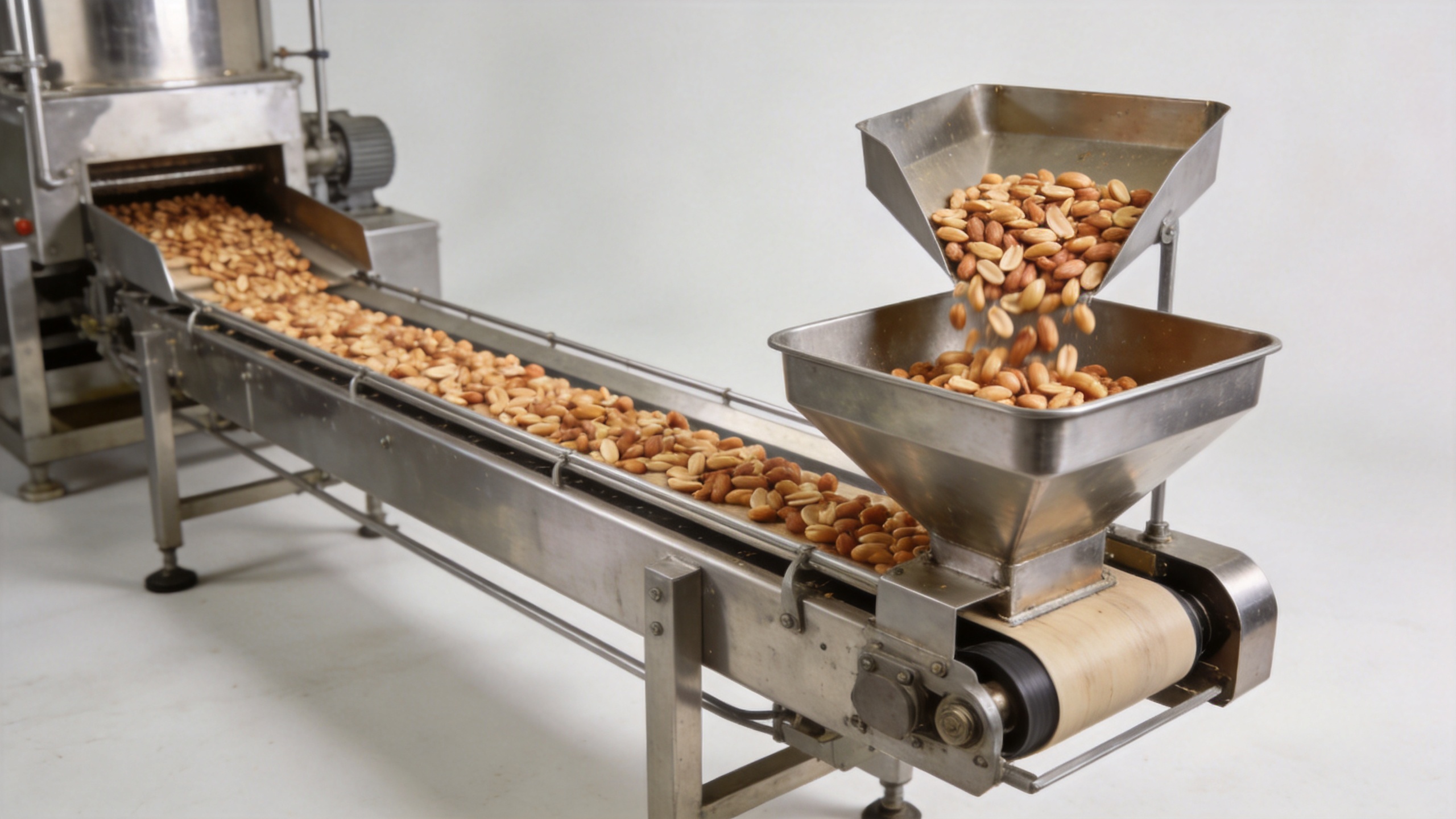
Filling is the point where a consistent bulk product becomes a customer-facing unit. Check container and closure identity, line clearance, fill-weight control, coding, and seal integrity according to the packaging specification. Packaging operations should protect food from contamination and allergen cross-contact; in practice, that means reviewing sanitation status, approved packaging materials, closure performance, and traceability records before release.
For a peanut butter no palm oil product, retain representative samples under the storage conditions defined by the quality plan and monitor the appearance, texture, and oil separation that matter to the product specification. Do not turn an unvalidated shelf observation into a universal claim. Use it to compare lots, investigate drift, and improve the approved process window.
Turn the checks into a usable factory control sheet
| Stage | Examples of checks | Action when outside the approved limit |
|---|---|---|
| Receiving | Lot identity, supplier documents, packaging condition, incoming inspection | Hold the lot and follow the supplier or nonconformance procedure |
| Cleaning and sorting | Foreign-material controls, equipment status, reject handling, allergen line clearance | Stop or isolate affected material; inspect equipment and records |
| Roasting and cooling | Validated process settings, product condition at handoff, documented observations | Adjust only under the approved procedure; assess affected product |
| Grinding and blending | Texture consistency, temperature trend, batch sequence, separation indicators | Place batch on hold and trace upstream variables before rework decisions |
| Filling and sealing | Package identity, fill weight, code legibility, closure and seal integrity | Segregate affected units; verify the filler and sealer before restart |
Use quality requirements to guide equipment conversations
When comparing commercial peanut butter production equipment, provide the supplier with the quality checks your team must complete—not just the desired output rate. Ask how the proposed line supports recipe control, product transfer, access for cleaning, inspection points, and lot traceability. If your project needs a broader line configuration, you can also review an industrial automatic peanut butter production line against the same control sheet.
A practical peanut butter without palm oil program works as a closed loop: define the specification, monitor each stage, document deviations, investigate patterns, and refine the validated operating window. For every peanut butter no palm oil batch, the release decision should be traceable to the approved formula and the records gathered along the line. Equipment matters, but stable product quality comes from matching equipment capability with a disciplined, plant-specific control plan.