EN

Peanut Butter Production Line vs Tahini Machine: How to Match Equipment to Your Product
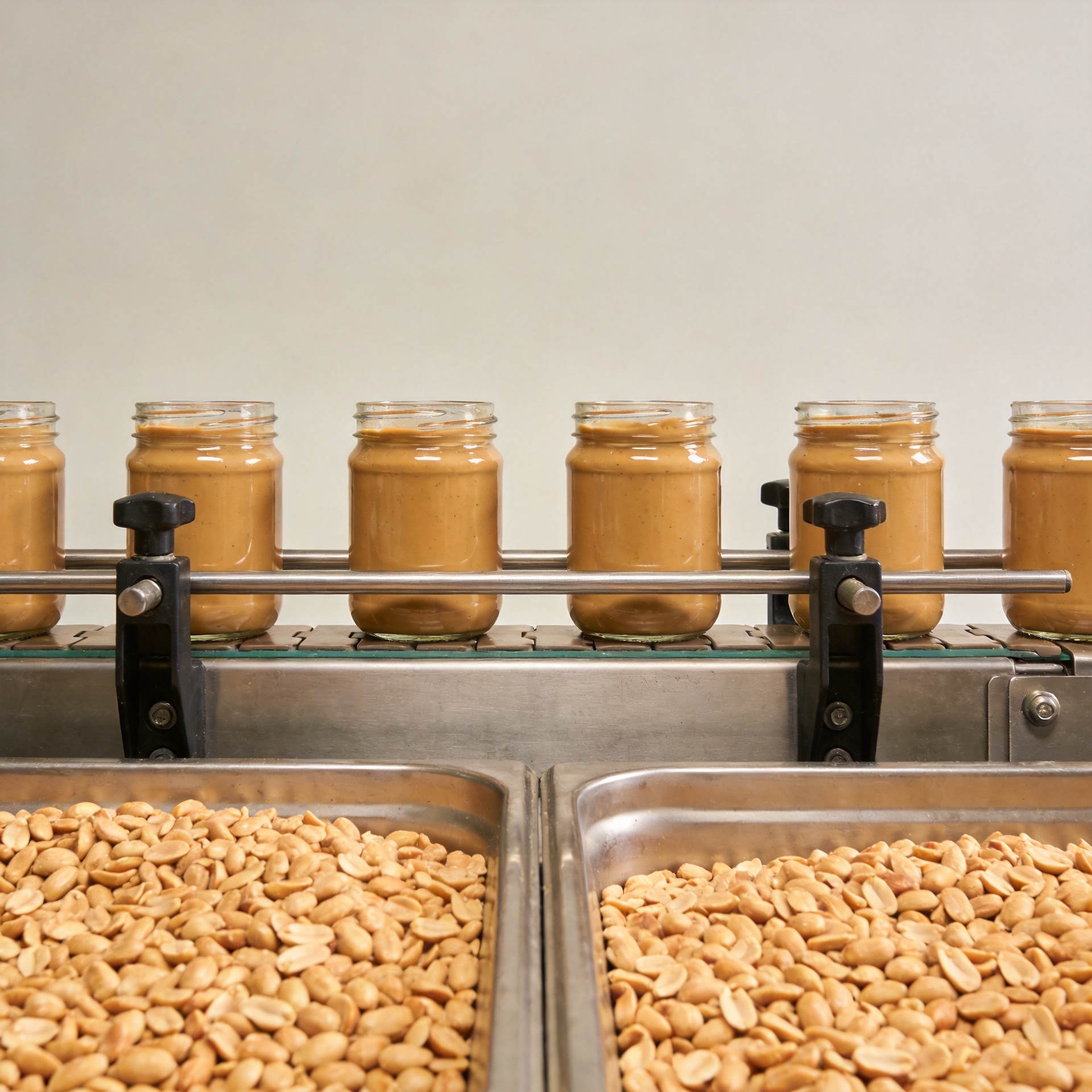
Choosing a peanut butter production line is not simply a matter of buying a grinder with the right hourly output. A peanut butter recipe and a sesame paste recipe can both look like nut or seed pastes at the end of the process, yet their raw-material preparation, thermal control, material flow, cleaning plan, and packaging rhythm can differ. For a procurement team, the useful question is: which parts of a peanut butter production line can be shared, and which parts must be configured around the product?
From an export-equipment purchasing perspective, start with process fit, then verify installation conditions and service support, and only then compare quotations. This order helps avoid a familiar problem: a line may reach a stated output in a quotation but still require costly modifications when it meets the buyer’s actual roasting profile, jar format, or existing filling equipment.
Start With the Product Route, Not the Machine Name
A typical peanut butter production line can include raw-material handling, roasting, cooling, skin removal, sorting, grinding, mixing or buffering, and filling. The exact sequence changes with the recipe. Smooth peanut butter, granular peanut butter, and formulations with added ingredients place different demands on milling, blending, transfer, and dosing. The line should therefore be specified from the desired finished product backward.
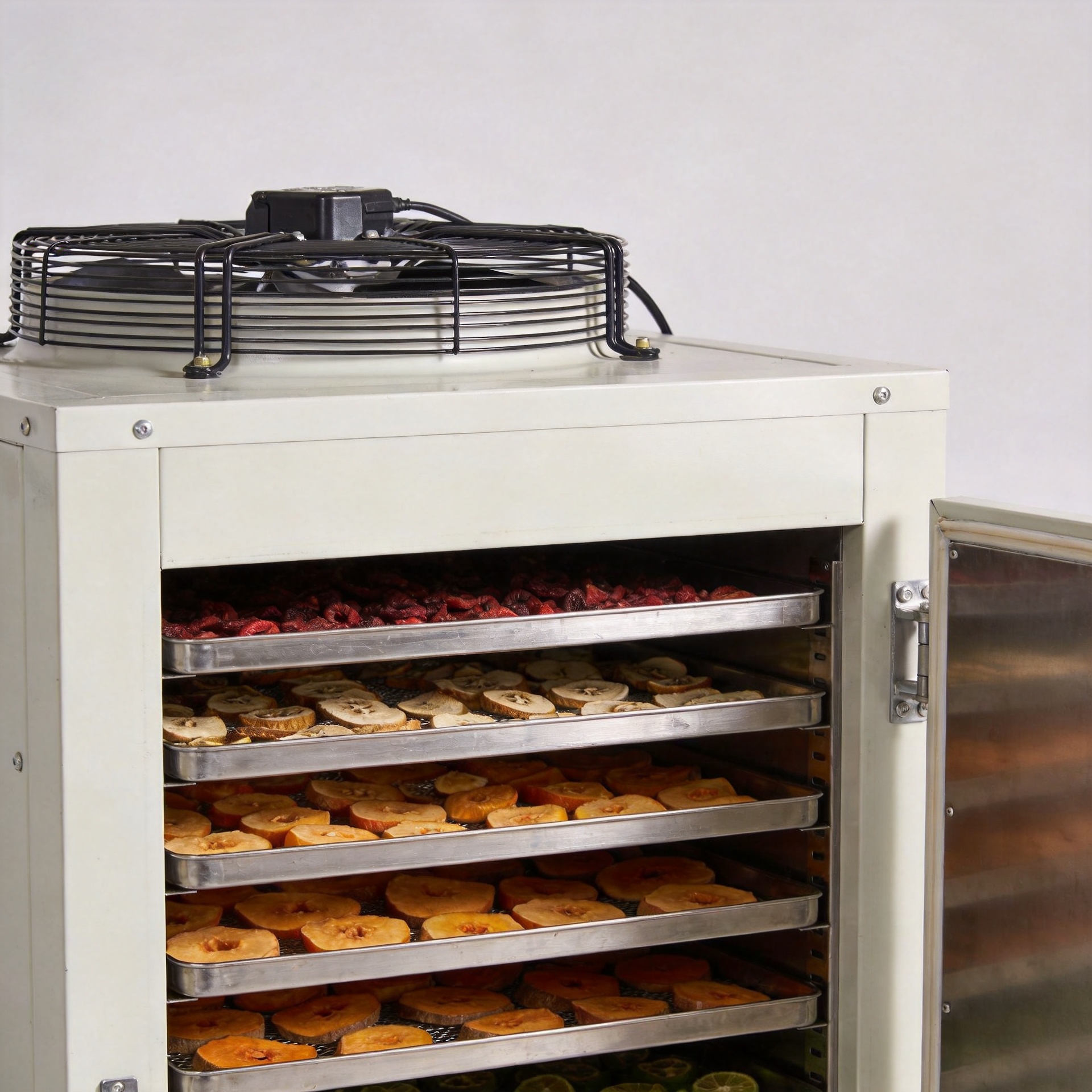
Tahini follows a related but not identical route. A tahini machine or sesame grinder is part of the solution, but sesame processing may also require cleaning, dehulling where applicable, roasting, cooling, grinding, mixing, and packaging. Sesame seeds are smaller than peanuts and bring their own hull, roast, and flavor-management considerations. Treating a tahini project as a direct copy of a peanut butter production line can leave important upstream modules undefined.
In practical terms, write a one-page product brief before discussing models. It should state the raw material condition, whether roasting is in-house, target texture, particle perception, oil separation expectations, batch size or continuous output, planned container type, and cleaning frequency. This brief becomes the basis for matching the peanut butter production line or sesame route to the product.
Compare Raw-Material Preparation Before Comparing Grinders
For peanuts, the preparation path commonly focuses on roasting, cooling, skin removal, and sorting before grinding. The roast profile affects flavor and moisture, while cooling and peeling influence how consistently the grinder receives material. If a plant plans to buy roasted, blanched peanuts, several upstream modules in a peanut butter production line may be unnecessary. If it receives raw peanuts, those modules become central to line balance and floor layout.
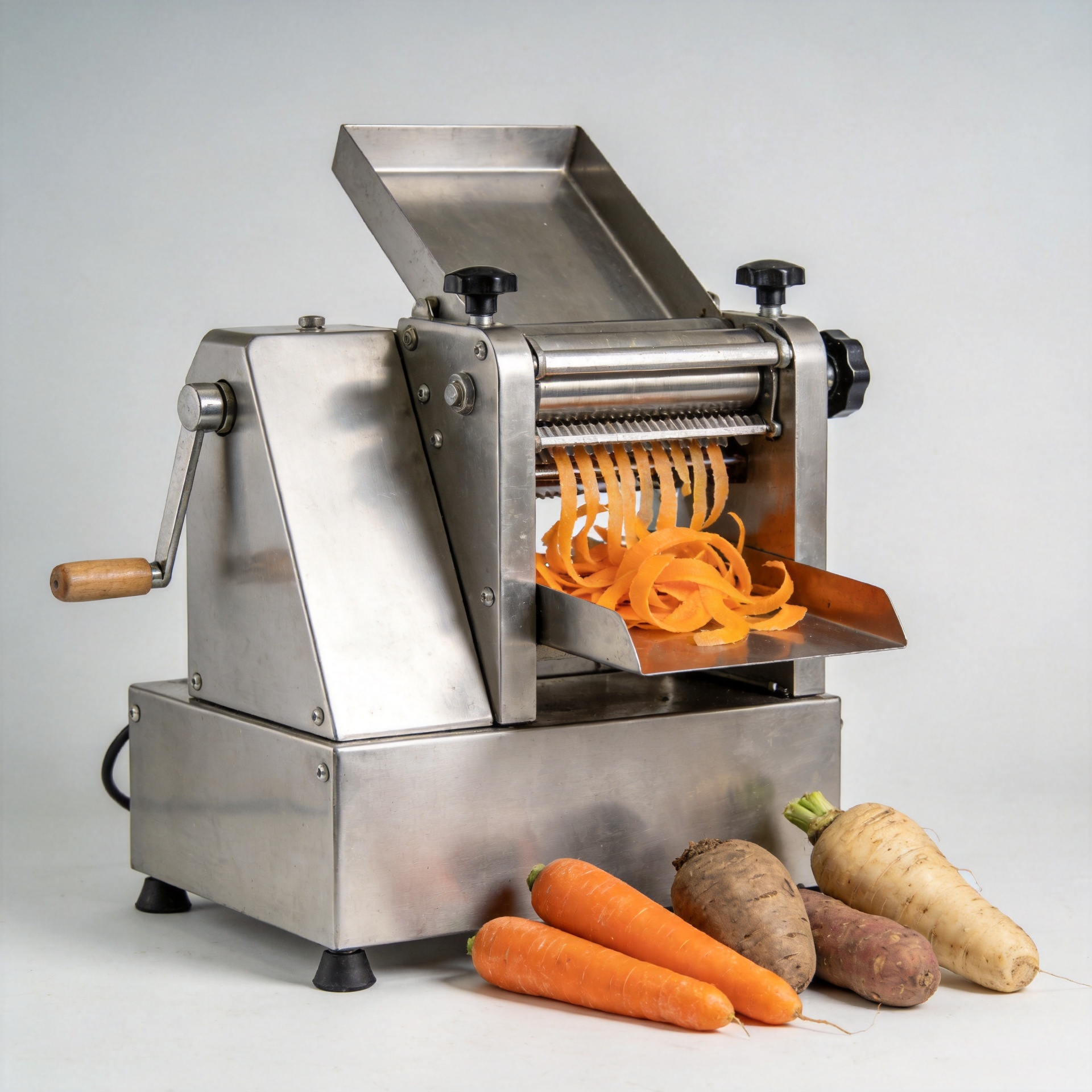
For sesame, the preparation discussion often starts earlier: incoming cleanliness, hull handling, roasting method, cooling, and seed transfer all deserve review. A sesame grinder may produce a fine paste, but it cannot compensate for inconsistent preparation. Ask suppliers to map each product route separately rather than presenting one generic flow chart for both materials.
| Decision point | Peanut route | Sesame/tahini route | What to confirm |
|---|---|---|---|
| Incoming material | Raw, roasted, or blanched peanuts | Cleaned, hulled, or unhulled sesame | What arrives at the plant and what must be handled on site |
| Thermal step | Roast profile supports flavor and subsequent handling | Roast profile must suit seed condition and target tahini flavor | Temperature control, cooling capacity, and changeover procedure |
| Grinding | Fine paste, optional granular inclusion, or blended recipe | Smooth sesame paste through a tahini machine or sesame grinder | Texture target, recirculation needs, and heat management |
| Downstream flow | Mixing, holding, filling, and packaging | Mixing, holding, filling, and packaging | Viscosity, pump selection, container format, and filling rhythm |
Match the Grinding Section to Texture and Heat Control
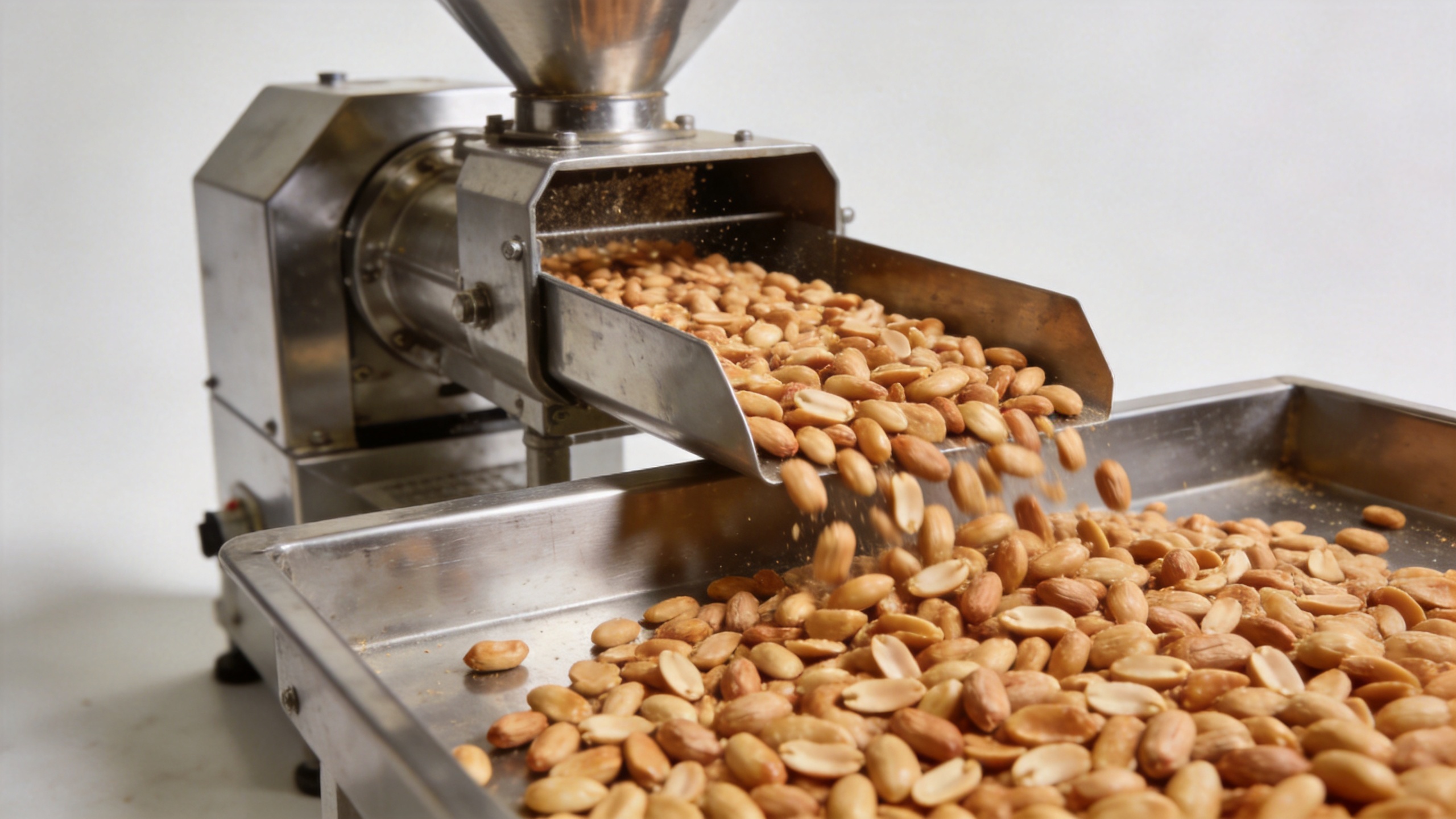
The grinding section is important, but it is only one section of a peanut butter production line. Procurement teams should describe the product target in operational terms: required smoothness, acceptable temperature rise, whether a second pass is needed, whether ingredients are added after grinding, and how long paste will wait before filling. These answers shape the grinder configuration, transfer pump, buffer tank, and controls.
A tahini machine should likewise be evaluated as part of a system. The key is not whether the equipment carries a tahini label; it is whether the feed condition, milling arrangement, recirculation path, and hygiene design suit the buyer’s sesame recipe. When one line is expected to make both products, plan for documented changeover, access for cleaning, and a realistic production schedule rather than assuming the switch is instantaneous.
There is a total-cost lesson here. The lowest initial price for a peanut butter production line can become less attractive if it creates frequent cleaning downtime, additional buffers, or poor synchronization with filling. The same applies to a sesame route: an underspecified sesame grinder can push the plant into repeated passes and unstable output. Ask for a process-capacity balance rather than an isolated motor-power comparison.
Check Production Organization and Equipment Handoffs
A line is productive only when adjacent modules work at compatible speeds. Review material transfer between roasting, cooling, peeling or seed preparation, grinding, mixing, and filling. Also review how product is held during short interruptions. A buyer who checks only the daily capacity of a peanut butter production line may later discover that the filler, capper, or operator workflow constrains the real output.
For projects that need an integrated reference point, see the Industrial Full Automatic Peanut Butter Production Machine Production Line Tahini Machine Sesame Grinder Maker. Use the conversation with the supplier to clarify the product route and confirmed scope rather than inferring unlisted specifications from the product title.
Food-contact hygiene is another integration issue. Procurement documents should ask how product-contact areas are accessed and cleaned, which materials are proposed for the relevant surfaces, and how the design avoids residue traps. Smooth, cleanable, corrosion-resistant food-contact construction is a practical verification topic, especially when the plant will alternate products or export to markets with defined hygiene expectations.
A Procurement Checklist for the Peanut Butter and Tahini Decision
- Define the product family: peanut butter only, tahini only, or a planned multi-product schedule.
- Describe the incoming material: raw, roasted, peeled, cleaned, hulled, or otherwise prepared.
- Set the texture target: smoothness, inclusions, viscosity, and acceptable batch variation.
- Map every module: include preparation, grinding, mixing, buffering, filling, and packaging—not only the peanut butter production line grinder.
- Check equipment handoffs: power, floor space, discharge height, transfer method, existing filler connection, and operator access.
- Plan cleaning and changeover: identify product-contact zones and the time required before switching from peanut to sesame or the reverse.
- Request a scope confirmation: distinguish included equipment, buyer-supplied utilities, optional modules, and commissioning support.
Make the Equipment Choice Product-Specific
The right peanut butter production line is a matched process, not a fixed list of machines. Choose it when the peanut preparation route, texture target, throughput, and filling plan align as one system. Choose a tahini-focused arrangement when sesame preparation and paste characteristics define the project. For a combined facility, identify the genuinely shared modules and specify the changeover controls before purchase.
That approach gives buyers a clearer basis for evaluating a tahini machine, a sesame grinder, or a broader peanut butter production line. It also makes supplier discussions more useful: capacity claims can be tested against the actual raw material, product sequence, and packaging operation the plant intends to run.