EN


Peanut Butter Commercial Machine vs Nut Butter Grinder: How to Choose
Choosing between a peanut butter commercial machine and a standalone nut butter grinder is not simply a question of price. The right choice depends on what enters your factory, what leaves it, and how much control you need between those two points. For a café, specialty retailer, or pilot kitchen, a grinder may be the practical center of the operation. For a processor planning repeatable output, private-label production, or packaged retail sales, a peanut butter commercial machine usually means a broader process built around preparation, grinding, blending, and packing.
The most useful starting point is to define your finished product and daily production target before comparing motor ratings. A machine that makes smooth peanut paste can be valuable, but it cannot automatically manage roast color, skin removal, ingredient dosing, buffer storage, or filling consistency. This guide sets clear boundaries between the two options so B2B buyers can invest in the equipment scope their business actually needs.
Start With the Production Boundary, Not the Machine Name
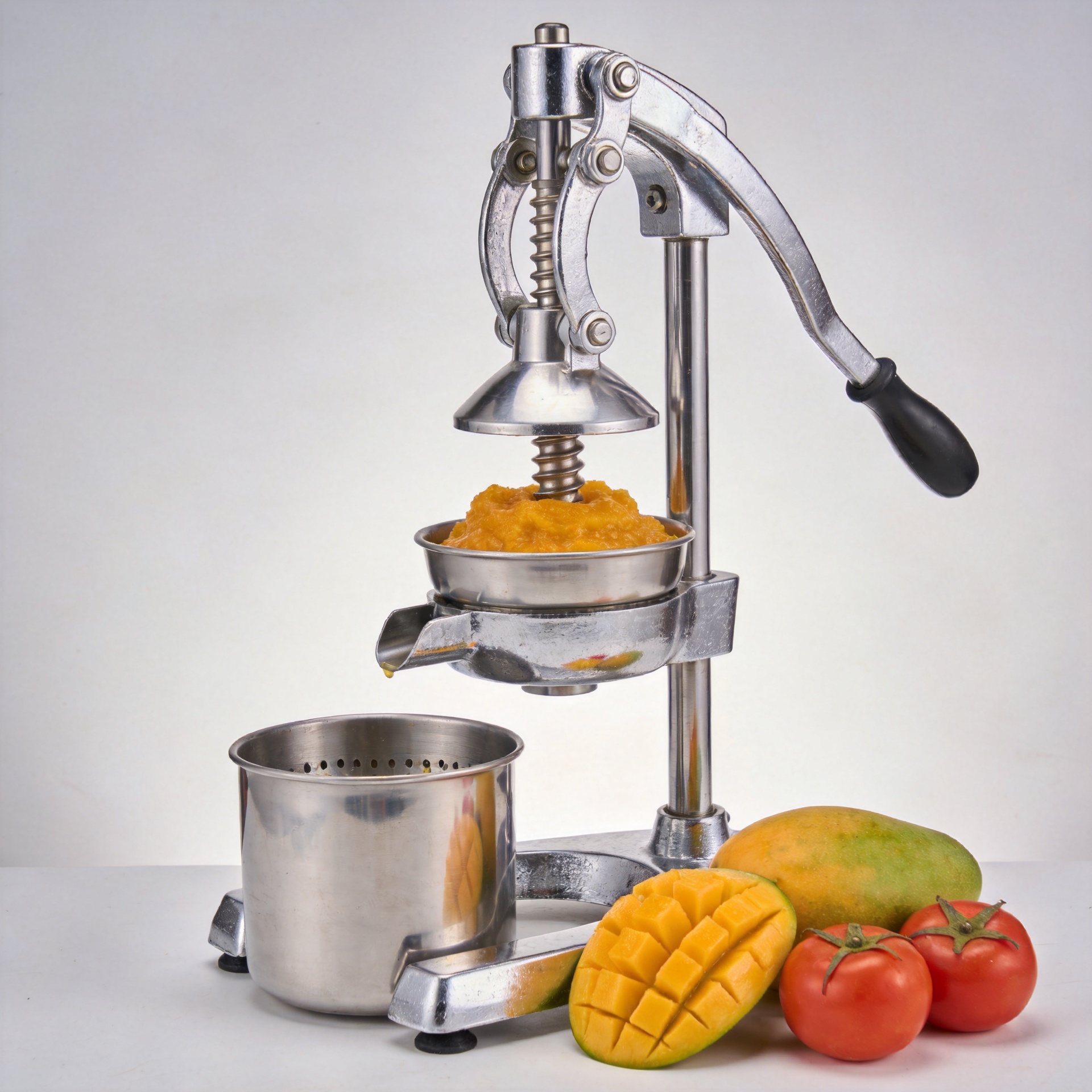
In commercial conversations, the terms overlap. A peanut butter commercial machine may refer to a compact grinder, but it can also describe a coordinated production system. A nut butter grinder, often grouped with nut butter mills, is generally the core size-reduction unit: roasted nuts enter, and a spreadable paste exits. That is enough for operations that purchase prepared nuts and sell fresh product quickly.
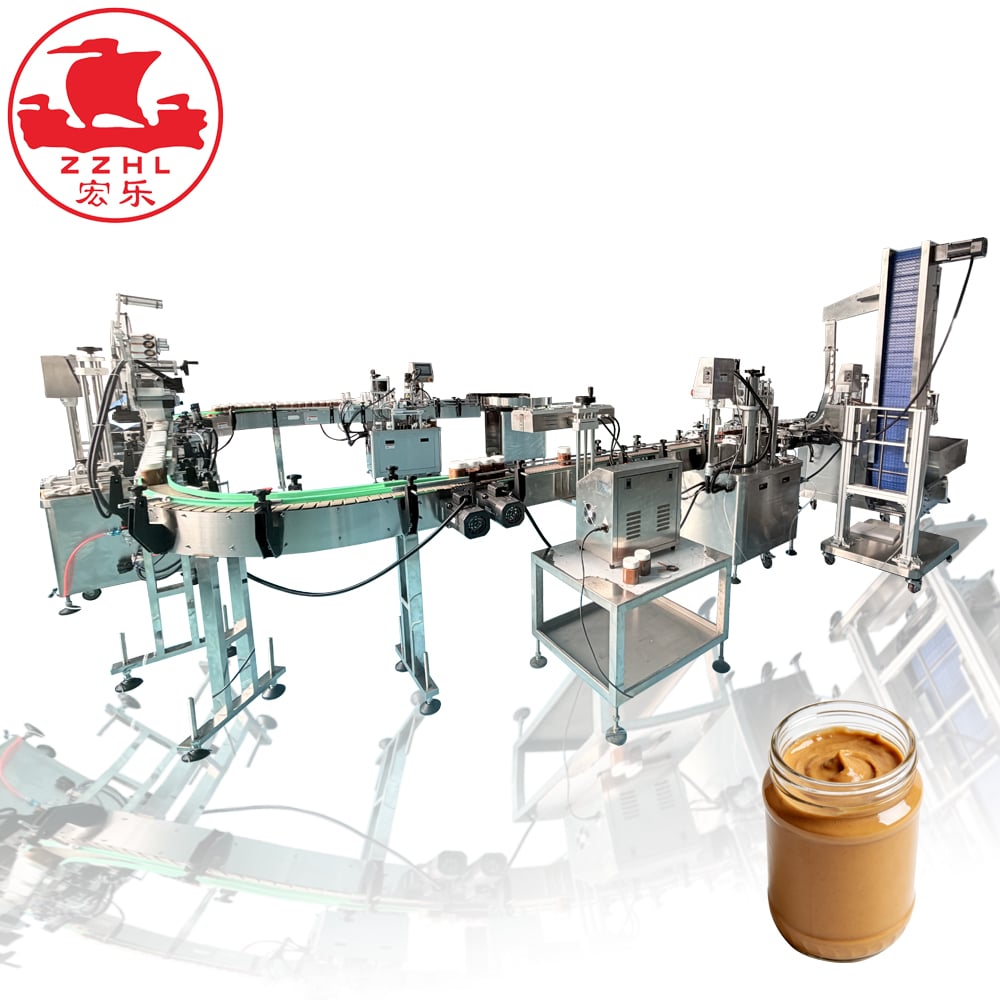
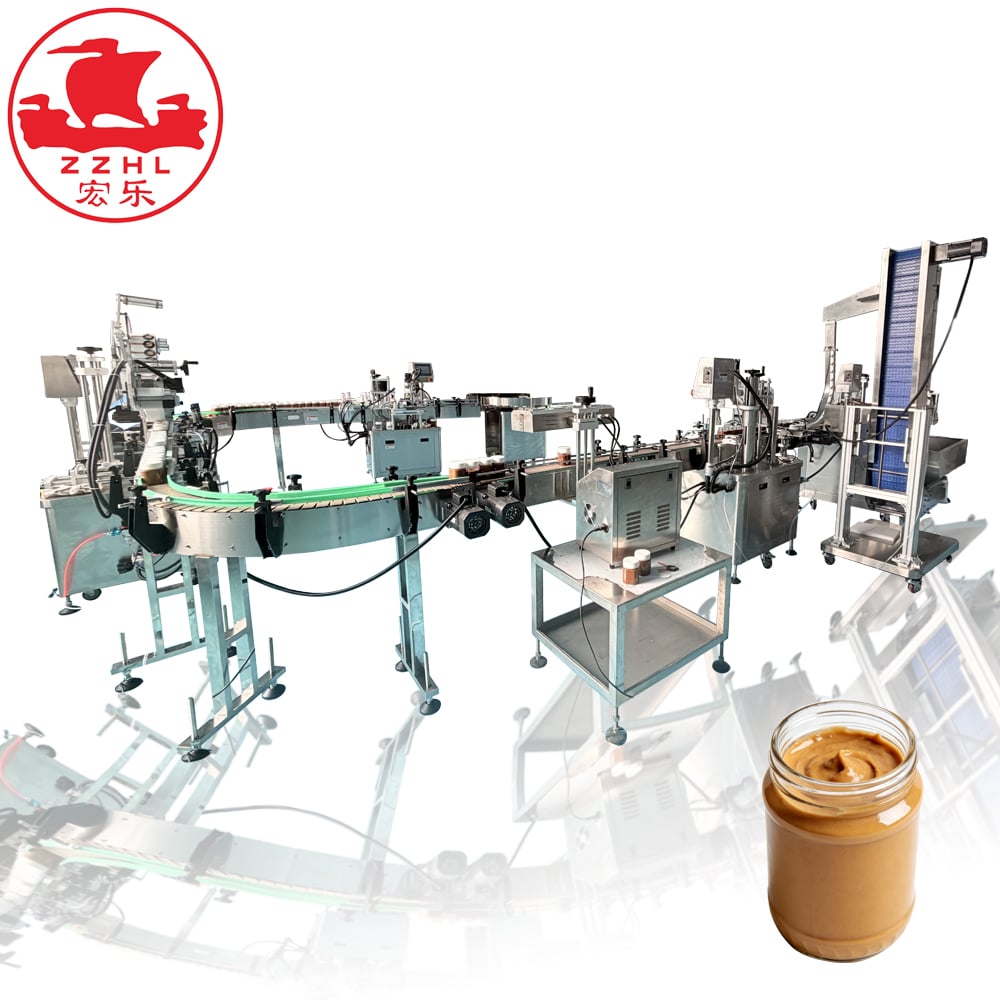
A production-oriented peanut butter commercial machine extends beyond the mill. Depending on the required process, it can include roasting, cooling, peeling, sorting, feeding, grinding, mixing, holding, filling, and packaging. Published industrial process descriptions commonly list these stages, though the exact combination should be tailored to the recipe and plant layout.
| Decision area | Standalone nut butter grinder | Commercial production machine or line |
|---|---|---|
| Primary role | Turns prepared nuts into paste | Controls a broader path from prepared raw material to packed product |
| Typical fit | Retail fresh-grind, food service, recipe trials, small batches | Factory production, private label, repeatable packaged output |
| Upstream needs | Usually relies on separately roasted and cleaned nuts | Can be configured with preparation modules |
| Formulation control | Often manual or external to the grinder | Can include mixing and holding stages for more consistent batches |
| Packaging | Separate process | Can be planned as part of the production flow |
Match Capacity to the Whole Bottleneck
Capacity claims make sense only when they refer to the same product, recipe, and process boundary. A grinder can appear fast when it runs continuously with uniform roasted peanuts. In a real plant, throughput may be limited by roasting, cooling, peeling yield, ingredient addition, waiting time in a mixing tank, or the filling station. Ask each supplier where the stated number begins and ends.
For early capacity planning, industrial suppliers commonly present line configurations in bands such as 100, 200, 500, and 1,000 kg/h. Treat these as planning references rather than universal guarantees. Your target should be based on saleable finished product per shift, expected operating hours, changeover time, and a realistic allowance for cleaning and maintenance.
For example, a processor with a 200 kg/h market requirement does not necessarily need a 200 kg/h grinder alone. If the business wants several recipes, jar sizes, or nut varieties, the better question is whether every stage can support the schedule without creating queues. A peanut butter commercial machine should be selected as a balanced system, with the grinder sized to work with—not overwhelm—the surrounding equipment.
Consider Product Range and Recipe Complexity
Choose a nut butter grinder when the product range is simple: one or a few roasted-nut pastes, limited additives, short production runs, and an operator who can manage feed consistency. Many nut butter mills can support peanuts, almonds, cashews, sesame, or similar ingredients, but material behavior varies. Oil content, roast profile, particle target, and inclusions all influence how the product flows through the machine.
Choose a more complete peanut butter commercial machine when consistency is part of your brand promise. A mixing stage can support controlled addition of salt, sugar, stabilizer, or oil where the validated formula requires it. Holding and transfer stages can also make filling more orderly. Do not assume a listed machine can process every nut, seed, or inclusion at the same rate; request a trial with your recipe or an equivalent material profile.
- Smooth, high-volume peanut butter: prioritize stable feeding, repeatable grinding, mixing, and packaging integration.
- Fresh-grind retail service: prioritize compact footprint, simple operation, and manageable cleaning between products.
- Multiple nut butters: plan product segregation and changeover procedures before choosing shared equipment.
- Crunchy or inclusion-containing products: confirm where particles are added and how the downstream equipment handles them.
Make Hygienic Design and Allergen Control Purchase Criteria
Food machinery selection is also a sanitation decision. For processors selling into regulated markets, cleanability is not an optional feature. U.S. current good manufacturing practice requirements under 21 CFR Part 117 state that plant equipment should be adequately cleanable and maintained to help prevent contamination and allergen cross-contact. Your own destination-market requirements may differ, so confirm them with qualified compliance advisers.
During technical review, ask for the product-contact material specification, access to grinding and mixing zones, drainage or residue-management approach, seals and wear parts, and the documented cleaning procedure. Look for areas where paste can remain trapped after production. When switching from peanut to another nut, or from a nut formula to a different allergen profile, the sanitation plan may affect the business model as much as the equipment layout.
Use This B2B Selection Checklist
- Define the input: Are nuts already roasted, cooled, and peeled, or must the equipment plan handle those steps?
- Define the output: Is the target bulk paste, retail jars, sachets, or another format?
- Calculate finished-product demand: Work from saleable kilograms per shift, not only the grinder’s theoretical rate.
- Map the recipe: Identify ingredient additions, texture requirements, and the need for mixing or holding.
- Review hygiene and changeovers: Include cleaning time, allergen separation, and access for maintenance in the comparison.
- Plan utilities and footprint: Check power, ventilation, conveying, floor space, and packaging interfaces before placing an order.
- Validate with a trial: Use your raw material or a documented equivalent to verify texture, yield, temperature behavior, and cleaning expectations.
When a Complete Peanut Butter Commercial Machine Is the Better Investment
A complete solution is usually justified when raw peanuts arrive at the plant, output needs to be standardized, or the operation needs an orderly route into packaged retail product. It is also a stronger fit when capacity growth is planned and the buyer wants fewer handoffs between independent machines. The trade-off is a larger upfront scope and a more detailed commissioning plan.
For buyers evaluating a factory-oriented configuration, the Automatic Peanut Butter Production Machine for Nut Factories is a relevant product page to review alongside your own process map. Confirm the final configuration, applicable specifications, and suitability for your formula directly with the supplier rather than relying on a product title alone.
Final Decision: Buy the Scope You Can Operate Consistently
A nut butter grinder is a focused tool for turning prepared ingredients into paste. A peanut butter commercial machine is the better category when your business needs a managed production flow rather than a single processing step. The right investment is the one that matches product range, sanitation plan, staffing, output target, and packaging route without adding unsupported complexity.
Before finalizing a purchase, share a one-page process brief with prospective suppliers: raw material condition, recipe, target output, desired package, available utilities, destination market, and cleaning expectations. That brief will produce a more useful technical proposal than comparing headline capacity alone.