EN


Cold Pressed Juicer vs. Hydraulic Press for Commercial Juice Production
For a commercial beverage line, choosing a cold pressed juicer is not simply a question of buying the machine with the highest advertised yield. The right choice depends on how fruit is prepared, how much throughput the plant needs, how much pulp is acceptable in the finished drink, and how the line will be cleaned and validated. In practice, buyers often compare a screw-based cold pressed juicer with a two-stage hydraulic press because both can support low-temperature extraction, but they solve different production problems.
This guide compares the two approaches from a processing perspective. It is written for juice bars scaling up, co-packers, and food processors planning a fruit and vegetable line. The aim is to turn the phrase “cold pressed juicer” into a workable equipment specification rather than a marketing label.
Start with the process, not the machine name
A commercial cold pressed juicer normally describes extraction that avoids high-speed centrifugal separation and excessive heat generation. It may be a screw press, a masticating extractor, or part of a two-stage system. The term alone does not tell a buyer whether pulp is first milled, how pressure is applied, or what labor is needed between batches.
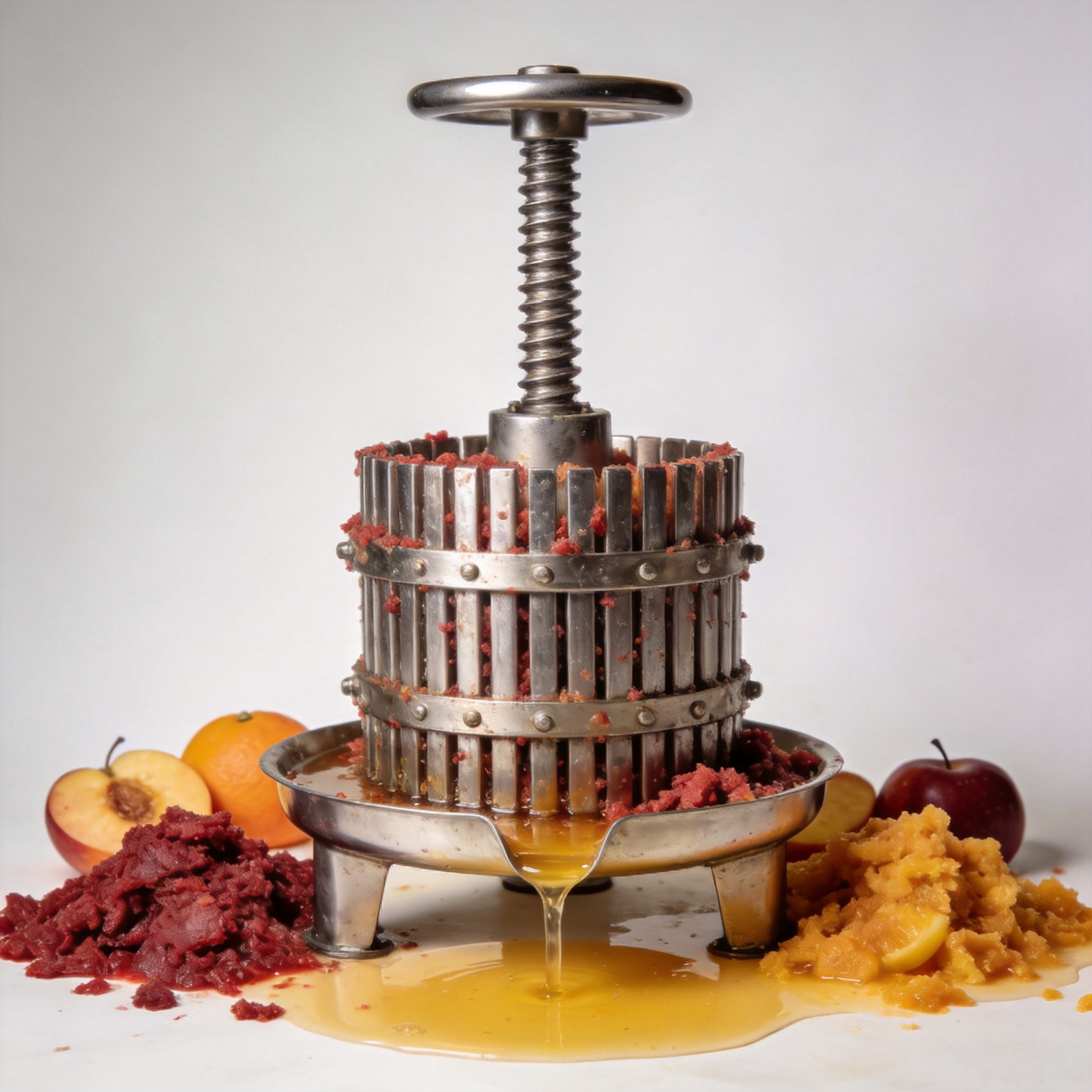
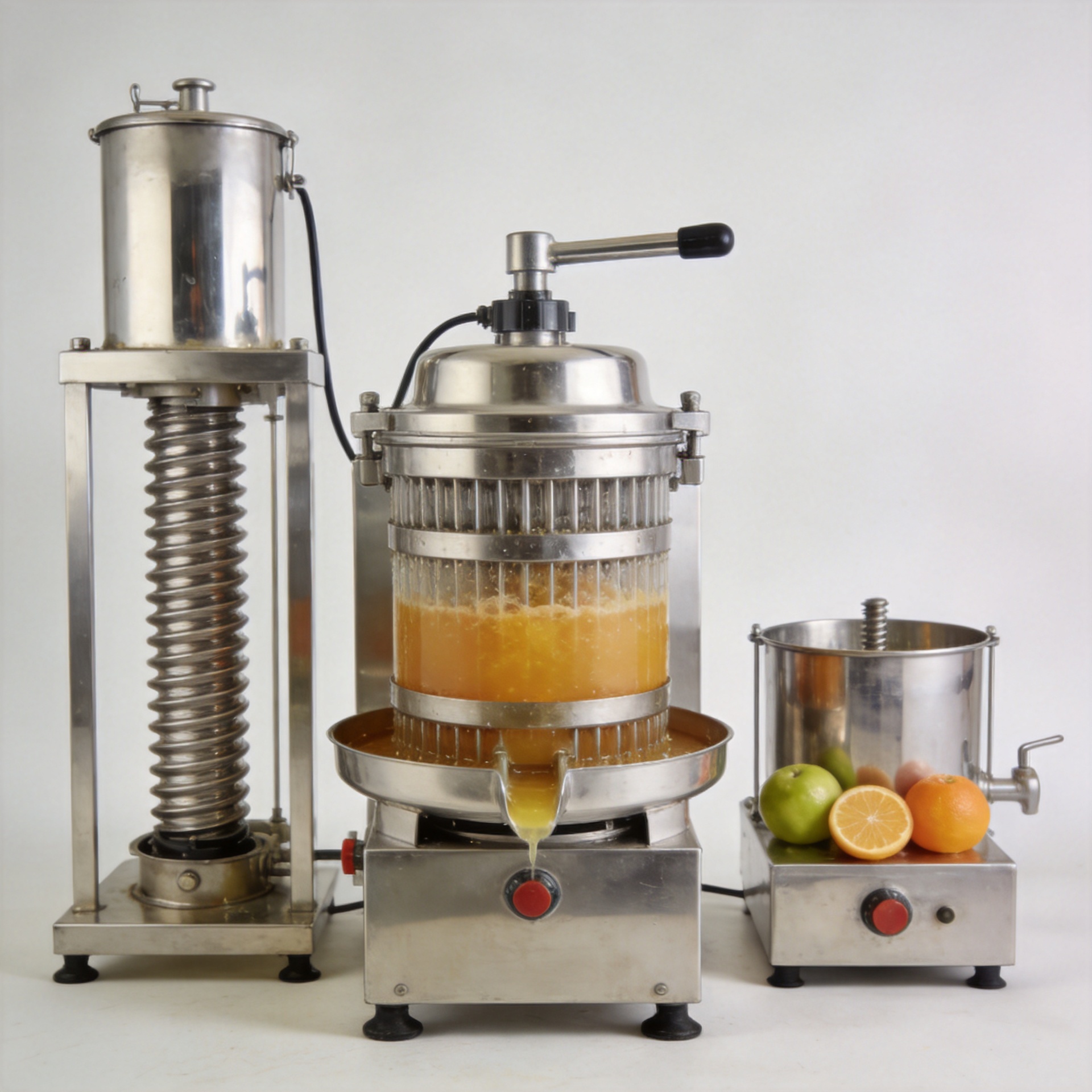
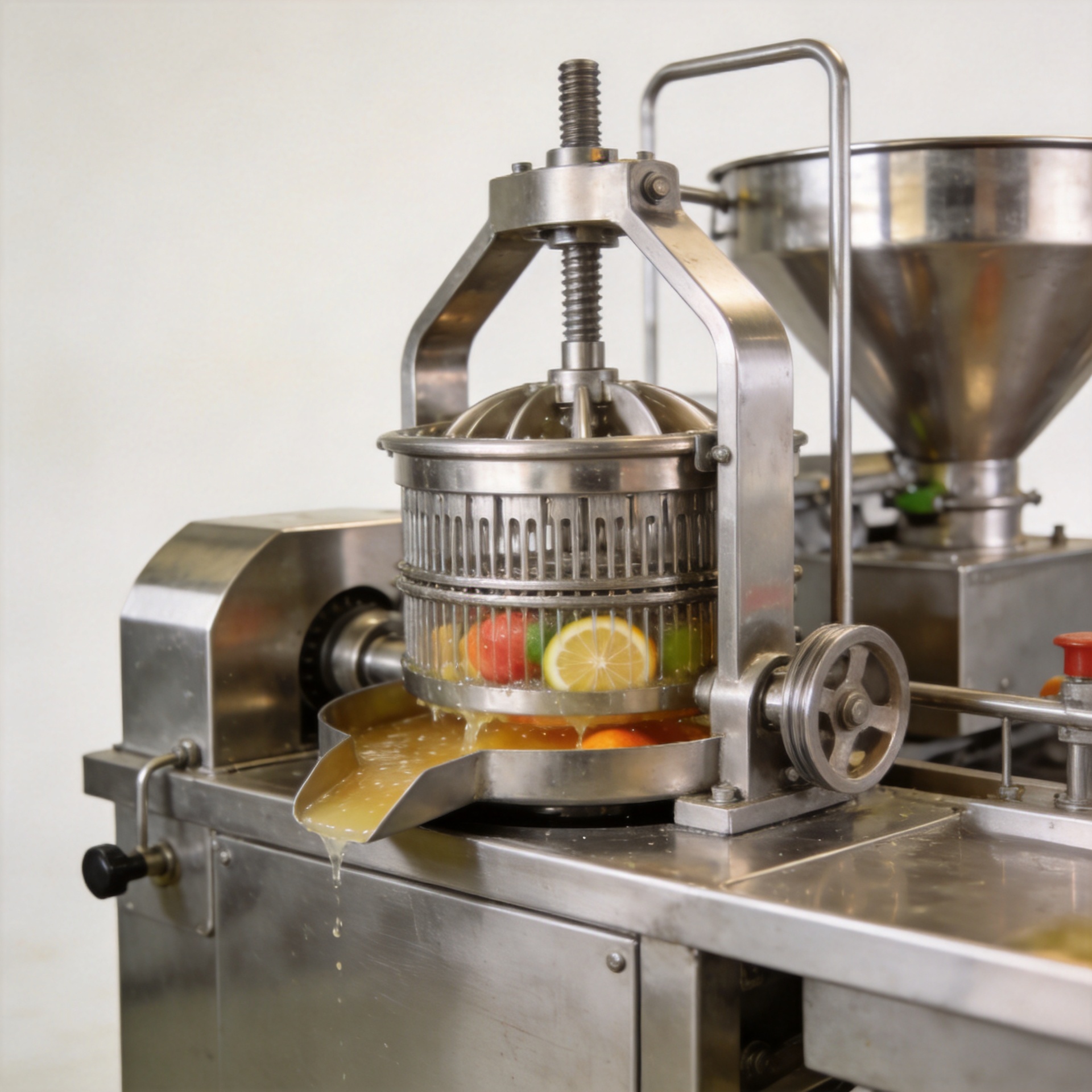
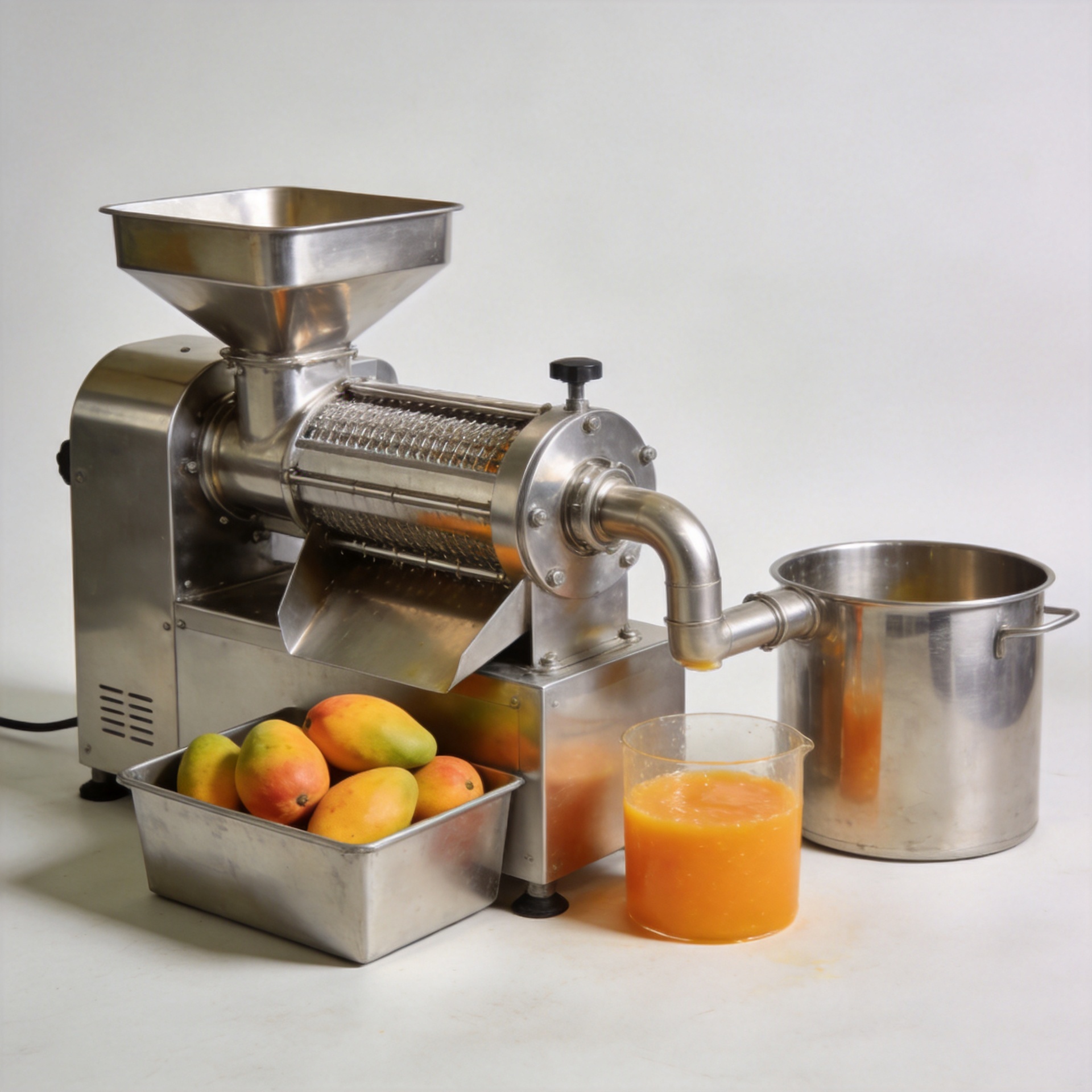
In a screw-based cold pressed juicer, a rotating screw conveys prepared produce through a screen or pressing zone. The screw continuously compresses the material and separates liquid from pomace. This format is often easier to connect to washing, sorting, pulping, transfer, and filling equipment. A hydraulic approach generally first macerates produce into pulp, then loads that pulp into a cloth or pressing package and uses a hydraulic platen to express juice in batches.
The distinction matters because a cold pressed juicer is part of a wider line. Feed preparation, conveying, filtering, hold tanks, cleaning access, and packaging can determine whether a promising extractor becomes a bottleneck.
Cold pressed juicer vs. hydraulic press: the practical comparison
| Selection factor | Screw-based cold pressed juicer | Hydraulic press system |
|---|---|---|
| Operating mode | Typically continuous or semi-continuous | Usually batch-based after pulping |
| Best fit | Processors seeking steady flow and line integration | Premium juice programs prioritizing a staged pressing workflow |
| Raw material behavior | Works well when produce can be fed consistently after preparation | Useful when a uniform pulp can be prepared before pressing |
| Labor pattern | Focuses on feed control, screen cleaning, and pomace handling | Requires disciplined loading, cloth/package handling, and batch turnaround |
| Planning question | Can the upstream and downstream line keep up with the press? | Can batch cycle time meet the daily production plan? |
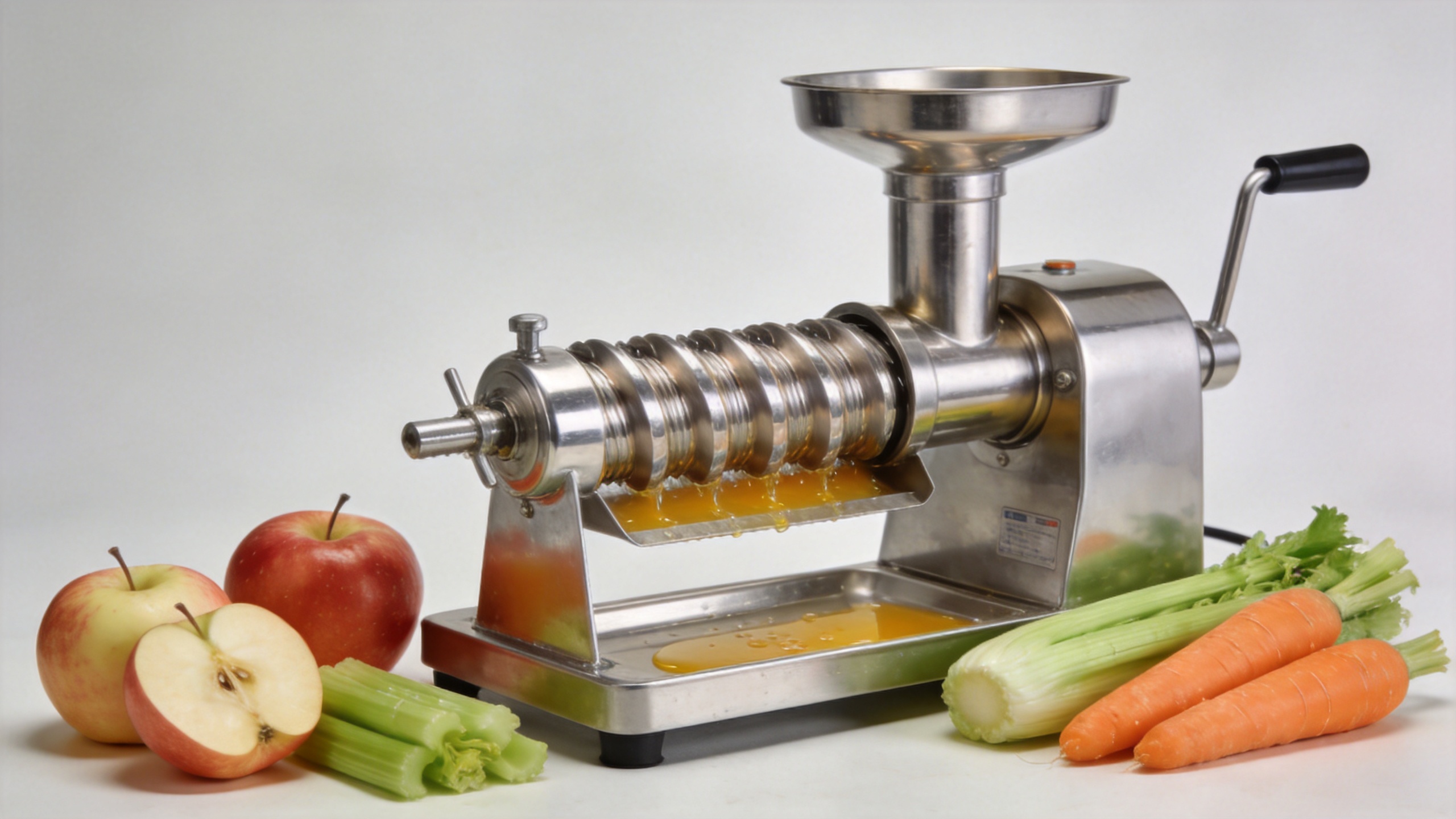
A hydraulic unit is often called a cold pressed juicer, and that is technically understandable when it is part of a low-temperature, two-stage process. However, it should not be assumed that a hydraulic design is automatically the better commercial choice. A screw-based cold pressed juicer can be more suitable where shift output, continuous material movement, and integration with an existing line carry more weight than batch pressing.
Compare capacity as a system calculation
Do not compare capacity from one catalog number alone. For a cold pressed juicer, confirm the material basis: is the rating based on apples, citrus, leafy vegetables, berries, or mixed produce? Is it incoming raw-material throughput or finished juice output? Is it a short test result or a stable production condition?
For a hydraulic press, calculate the full cycle: washing and cutting, pulping, filling, pressing, unloading, cleaning, and the time needed before the next batch. For a screw cold pressed juicer, calculate feed consistency, screen condition, pomace discharge, and the capacity of any filtration or buffer tank downstream. The usable daily volume is limited by the slowest stage, not the extractor alone.
A sensible procurement trial uses the customer’s real produce mix. Test mature and immature fruit where relevant, include fibrous or soft ingredients used in recipes, record juice mass and pomace condition, and note actual cleaning time. This produces a better comparison than choosing a cold pressed juicer solely by theoretical yield.
Match the extraction method to your raw materials
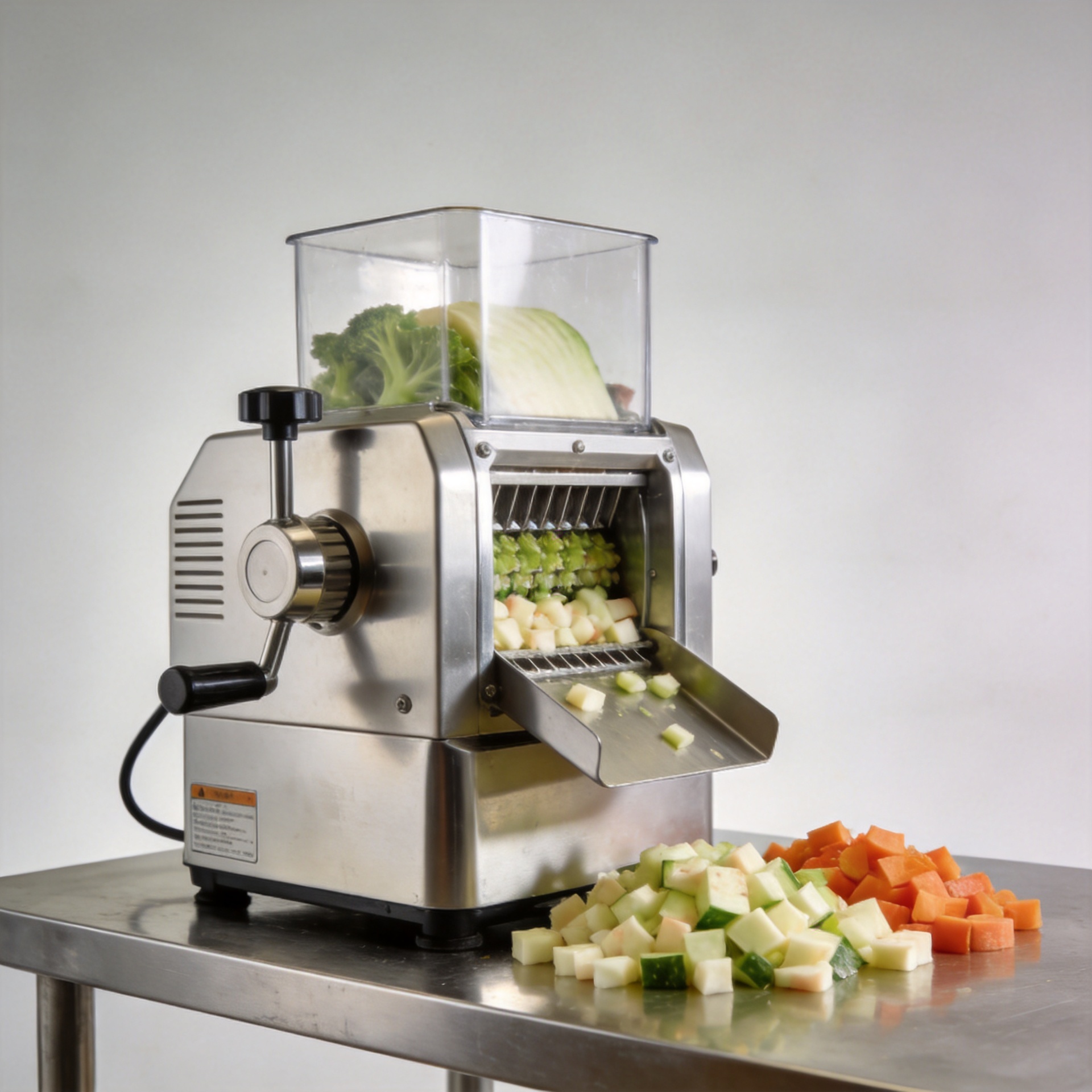
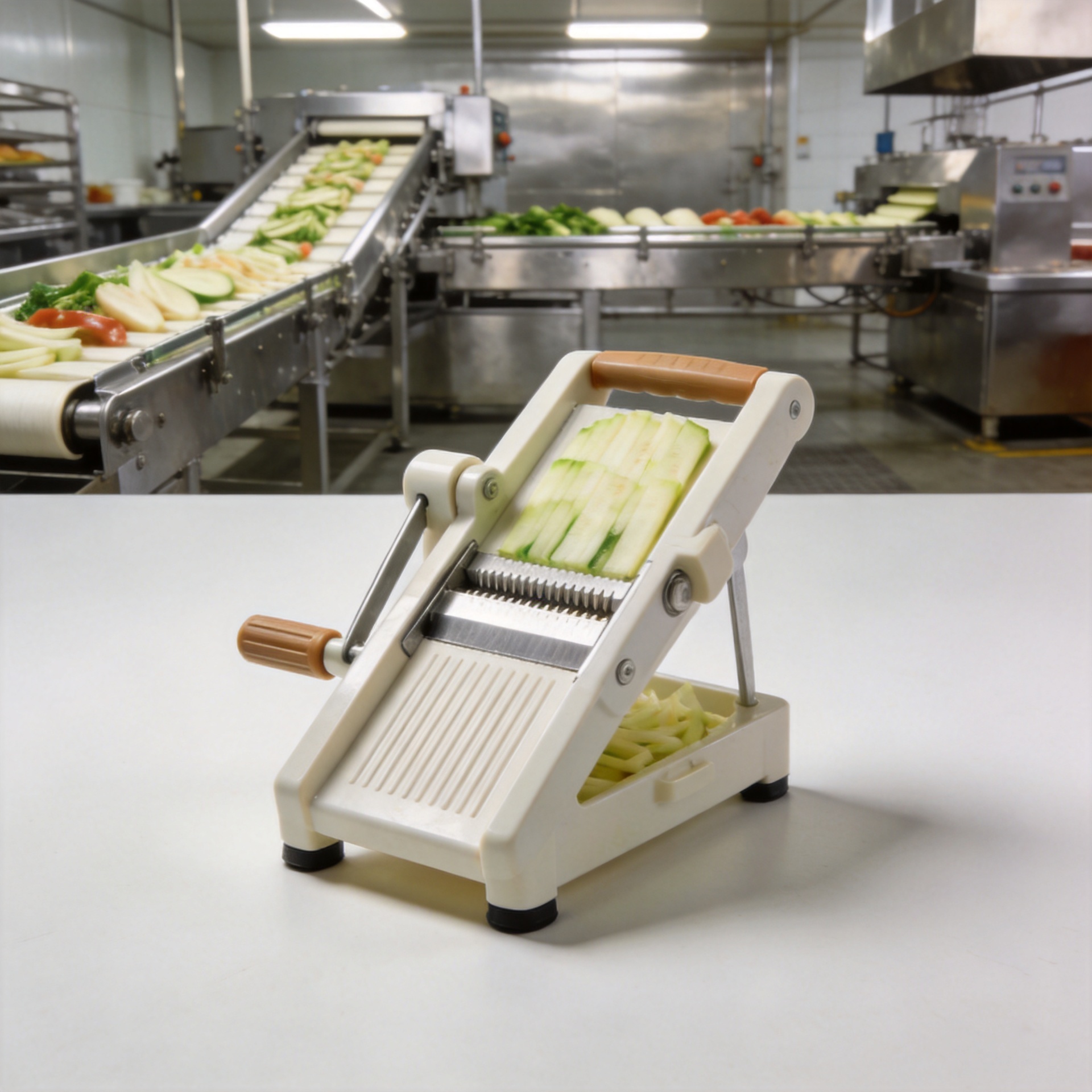
Firm apples, carrots, celery, ginger, leafy greens, soft berries, tomatoes, citrus, and stone fruit do not behave the same way. A cold pressed juicer needs an upstream preparation plan that limits inconsistent particle size, overly long fibers, hard contaminants, and material surges. Some products require washing and inspection; others benefit from crushing, cutting, de-stoning, or pre-pulping.
A continuous screw cold pressed juicer is often attractive for a mixed fruit-and-vegetable program because it supports a regular flow after preparation. A hydraulic press can be compelling when the product concept relies on a deliberate pulp-and-press sequence and the operator can manage batches consistently. In either case, recipe development should verify color, turbidity, mouthfeel, and separation behavior after the actual extraction method is selected.
For buyers evaluating screw pressing, a food-grade screw press for fruit and vegetable processing can serve as a starting point for discussing throughput, material preparation, and line connections. Its title indicates a 0.5–1 T/H class and SUS304 construction; final suitability should still be confirmed against the intended recipe and process conditions.
Yield, quality, and waste: ask for evidence
Yield is important, but it is not the only commercial outcome. A cold pressed juicer decision should consider recoverable juice, ingredient cost, product texture, filtration load, shelf-life strategy, and labor. A higher extraction result on one fruit may not offset slower cleaning or a less stable process on a mixed recipe.
Ask suppliers to define how yield is measured and to show the test conditions. Compare the same batch of produce, the same preparation method, and the same collection and filtering method. Examine the pomace: very wet pomace may indicate an opportunity to adjust settings or pressing stages, while extremely dry pomace is not useful if it comes with excessive throughput loss or poor product quality.
Commercial buyers should also avoid treating the cold pressed juicer as a food-safety control by itself. Extraction method and temperature management do not replace a validated hygiene and safety program. For covered U.S. juice operations, FDA Juice HACCP guidance describes a 5-log pathogen-reduction performance standard; the applicable controls and validation should be determined for the product, market, and process by qualified professionals.
Cleaning, sanitation, and downtime decide the real cost
When comparing a cold pressed juicer and a hydraulic press, map every food-contact part and every task between production runs. Screw systems may require regular screen and screw-area cleaning, while hydraulic systems can add cloth, bag, and pressing-package sanitation. The practical option is the one your team can clean thoroughly and repeatably within the planned shift.
Request a clear cleaning procedure, disassembly points, recommended inspection intervals, spare-part list, and training scope. If the line will be exported or operated with remote support, confirm the availability of English manuals, video guidance, and pre-shipment test documentation. These details reduce commissioning risk far more reliably than a broad claim that one cold pressed juicer is “maintenance free.”
A buyer checklist for commercial juice production
- Define the product mix, daily volume, operating shifts, and target packaging format before selecting a cold pressed juicer.
- List required preparation steps: washing, sorting, cutting, crushing, pulping, or de-stoning.
- Compare continuous flow against batch-cycle time using your actual production schedule.
- Request documented trials with representative fruit and vegetables, not only supplier-selected samples.
- Review cleaning, sanitation, operator workload, utilities, and downstream filtration as part of the investment.
- Build food-safety validation, quality checks, and traceability into the process design from the beginning.
Which option should you choose?
Choose a screw-based cold pressed juicer when your priority is a steady production flow, integration with a broader fruit and vegetable processing line, and a repeatable routine for prepared materials. Consider a hydraulic press workflow when your product positioning and operating model support a two-stage, batch-oriented pulp-and-press process.
The strongest purchasing decision is not “hydraulic versus cold pressed juicer” in isolation. It is a documented comparison of raw-material behavior, attainable shift output, yield measurement, hygiene design, operator time, and downstream requirements. By testing those factors early, a processor can select equipment that fits both the juice recipe and the business plan.