EN

Commercial Juicer Workflow: What Happens Before and After Juice Extraction
For a food business, a commercial juicer machine is only one point in a larger production sequence. Juice quality, throughput, cleaning workload, and downstream shelf-life decisions are shaped before fruit reaches the press and after the liquid leaves it. Understanding the fruit juice extraction process helps a new processor define the right questions before comparing equipment.
This overview follows the practical path from receiving fruit or vegetables to handling extracted juice. It is written for food businesses that are beginning to map a juice line, not as a substitute for local food-safety requirements or process validation.
Start With the Product You Intend to Make
Before selecting a commercial juicer machine, define the product and the operating model. A line for clarified orchard-fruit juice will not have the same separation needs as a line for pulpy mango beverage, and a fresh refrigerated product calls for different downstream controls than a shelf-stable product.
- Raw material: list the fruit or vegetables, their seasonal variation, firmness, fiber level, seed size, and expected condition on arrival.
- Product style: decide whether the target is clear juice, cloudy juice, puree, concentrate feed, or a blended drink.
- Production target: record the planned batch size, operating hours, and peak receiving volume rather than choosing a machine from a single headline number.
- Downstream route: map whether juice will be filtered, blended, pasteurized, chilled, filled, or transferred in bulk.
These decisions turn a general equipment search into a usable process brief. They also help the supplier evaluate whether crushing, pulping, pressing, screening, or multiple stages are needed around the commercial juicer machine.
What Happens Before Juice Extraction
1. Receiving, sorting, and removal of damaged raw material
The fruit juice extraction process begins at receiving. Teams typically check variety, maturity, visible damage, foreign material, and temperature condition. Damaged or decayed fruit can complicate sanitation and finished-product consistency, so sorting is an operational control rather than a cosmetic step. The exact acceptance criteria should be documented for the product and market.
2. Washing and preparation
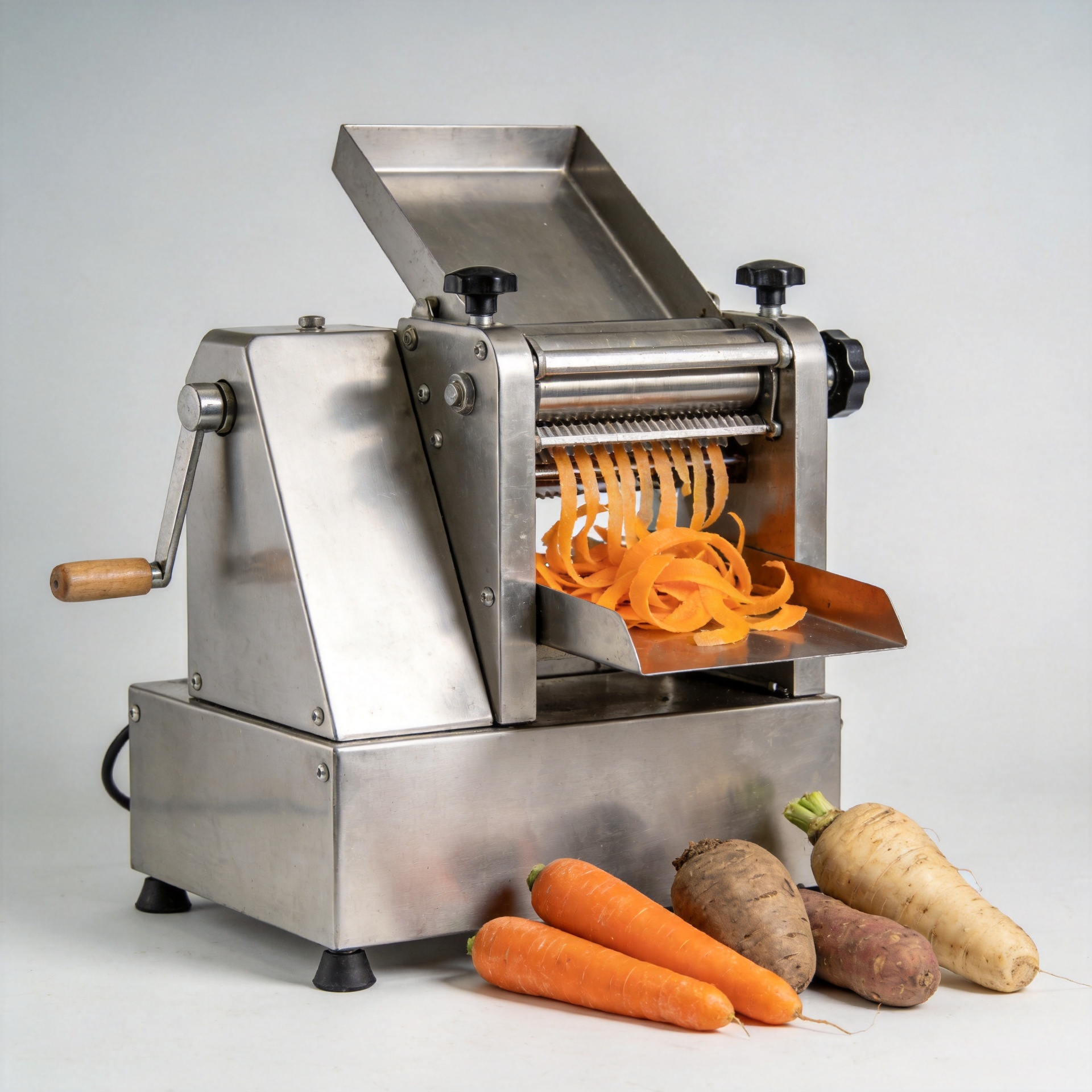
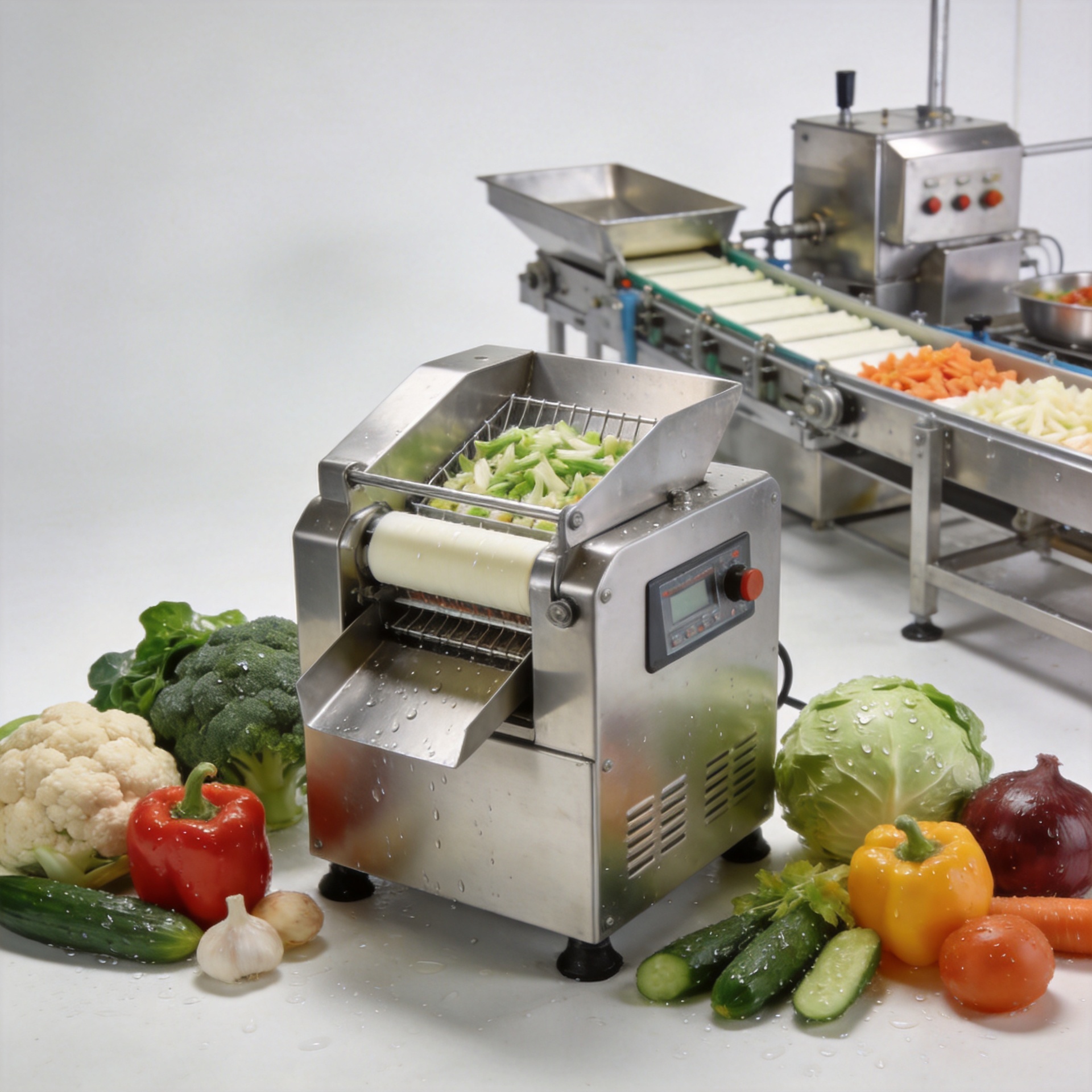
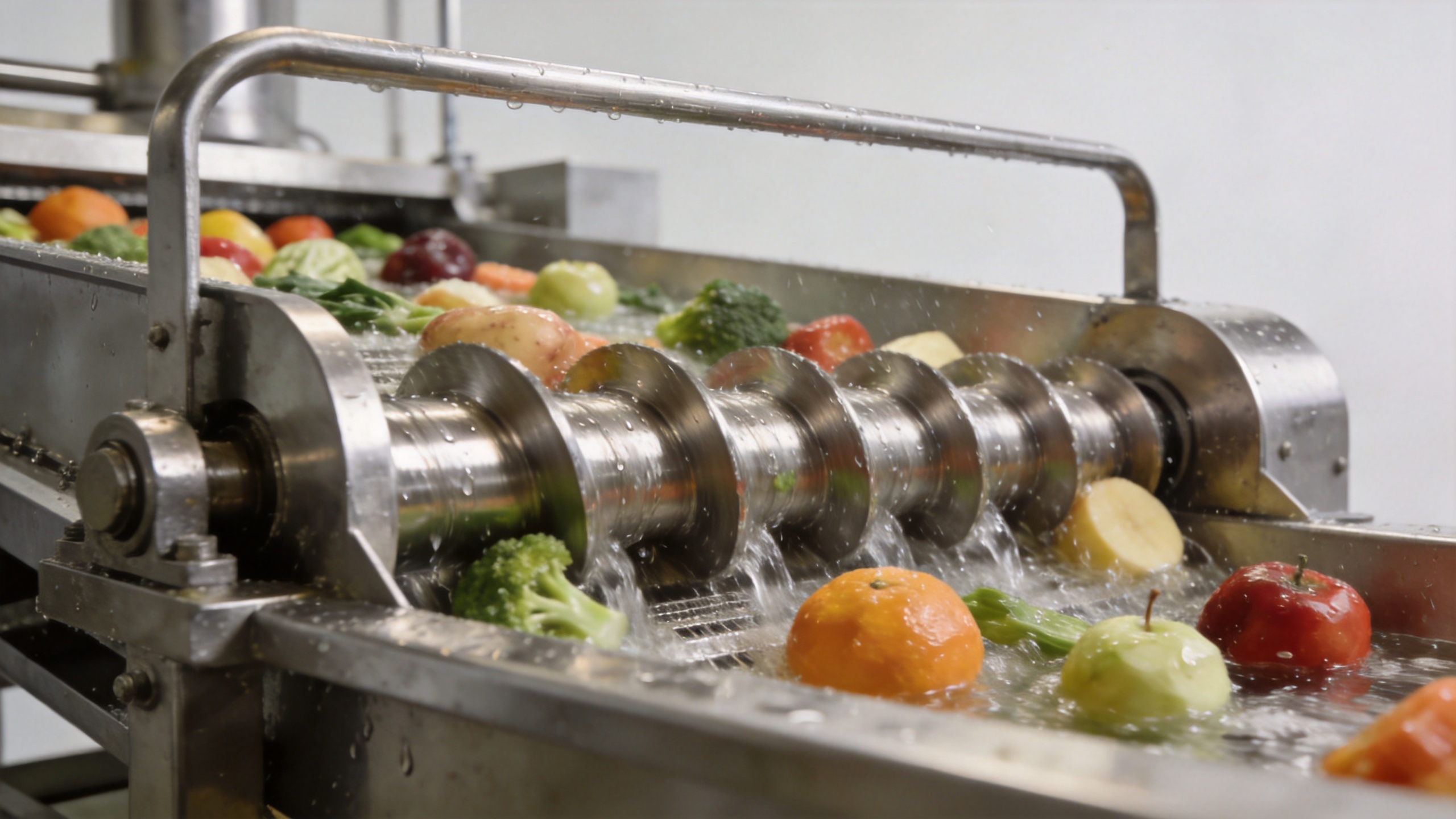
Washing removes field debris and prepares raw material for further handling. Depending on the fruit, preparation may include trimming, peeling, coring, destemming, pitting, or cutting. The goal is not to make every ingredient identical; it is to feed the next stage at a controlled size while limiting unnecessary losses.
For citrus, stone fruit, leafy vegetables, and fibrous produce, the preparation route differs substantially. This is why a commercial juicer machine should be evaluated as part of a line layout, including washers, inspection tables, conveyors, and waste handling.
3. Size reduction or pulping
Many fruit and vegetable lines use cutting, crushing, or pulping before pressing. This creates a more uniform feed and exposes liquid-bearing cells for extraction. The suitable degree of size reduction depends on the material: an overly fine mash may increase solids in the juice or make separation harder, while an overly coarse feed may leave recoverable liquid in the pomace.
The Extraction Stage: Where the Commercial Juicer Machine Fits
The extraction stage separates liquid from prepared raw material. A commercial juicer machine may use a screw press, belt press, centrifugal action, or another mechanism suited to the ingredient and product objective. Rather than asking only about nominal capacity, ask how the machine behaves with your actual feedstock, including changes in ripeness, fiber, and moisture.
For example, a Food-Grade Screw Press for Fruit & Vegetable Processing is listed for 0.5–1 T/H processing and carries a supplier-stated juice-yield figure. Such listing information is a starting point for a discussion, not a replacement for trials with the processor’s own raw material. Yield, juice clarity, pomace moisture, and cleaning time should be checked together.
During this portion of the fruit juice extraction process, operators commonly monitor feed consistency, press loading, discharge behavior, and the amount of solids passing into the liquid stream. A stable extraction stage supports predictable downstream filtration or blending; it does not remove the need to control the rest of the process.
What Happens Immediately After Extraction
Separate, standardize, and protect the juice
Freshly extracted juice may move through screening, finishing, settling, centrifuging, or filtration, depending on the desired texture. Some products retain controlled pulp; others require a clearer appearance. Blending can then adjust the formulation, but any additions should be managed through the site’s documented recipe and hygiene procedures.
Temperature, time, exposed surfaces, and transfer sanitation matter after extraction. In the United States, FDA Juice HACCP guidance uses a 5-log pathogen-reduction performance standard for applicable products; the correct treatment and validation depend on the juice, process, and market. Treat this as an example of why a process authority and local regulations belong in the project plan—not as a universal machine setting.
Choose the preservation and filling route early
Pasteurization, validated non-thermal treatment, refrigerated handling, or other preservation choices affect tank design, piping, instrumentation, filling equipment, and cleaning procedures. A commercial juicer machine therefore needs to connect physically and operationally with the selected downstream route. Designing these interfaces early helps avoid handoffs that increase holding time or cleaning complexity.
Cleaning Between Runs Is Part of the Workflow
A production plan is incomplete if it ends at the bottle or tank. Product contact surfaces, screens, hoppers, presses, transfer lines, and collection vessels all need a cleaning approach matched to the equipment and product. Ask prospective suppliers for the access points, disassembly requirements, drainage details, cleaning sequence, recommended inspection points, and expected changeover work.
For a business starting with several fruits or vegetables, changeover planning can be as important as extraction speed. A shorter production run may be practical only when sanitation, allergen controls where relevant, and verification activities fit the operating schedule.
A Practical Checklist Before You Compare Equipment
- Which raw materials will be processed, and how variable are they through the year?
- What is the required input rate, finished-juice volume, and intended shift pattern?
- What level of pulp, clarity, or fiber is acceptable in the finished product?
- Which preparation machines are needed before the commercial juicer machine?
- What separation, preservation, and filling steps will follow extraction?
- How will the line be cleaned, inspected, and changed over between products?
- Which local food-safety, validation, and labeling requirements apply to the finished juice?
Turn the Workflow Into a Better Equipment Discussion
A commercial juice line works as a connected system: receive and inspect, wash and prepare, reduce size where needed, extract, separate, preserve, fill, and clean. When you document each handoff, you can evaluate a commercial juicer machine on the factors that matter to your operation instead of relying on a capacity figure alone.
Bring your raw-material list, target product, production schedule, and downstream plan to the equipment conversation. That information makes it easier to assess a fruit juice extraction process and identify the pressing, screening, and hygiene features that fit your next production step.