EN


Commercial Vegetable Dicing: How Cut Size Affects Downstream Processing
For a food processor, dice size is not a cosmetic choice. It sets the pace for washing, heat treatment, freezing, drying, cooking, filling, and pack-weight control. A commercial vegetable dicer machine should therefore be specified from the finished product backward, not selected only by hourly output. When the target piece is consistent, downstream equipment sees a steadier product flow and operators have a clearer basis for process control.
This matters especially in fresh cut vegetable processing, where potatoes, fruit, and green onions may each behave differently at the cutting head and on the production line. The practical question for a buyer is: what size must every usable piece be before it enters the next operation? Answer that first, then evaluate a commercial vegetable dicer machine against the raw material, cut geometry, and planned line.
Start With the Downstream Process, Not the Blade Alone
A commercial vegetable dicer machine can produce a piece size that looks acceptable at discharge but causes variation later. Small dice expose more surface area, which can change moisture loss, seasoning pickup, blanching response, and handling behavior. Larger dice are more robust, but they may need longer cooking, drying, or freezing cycles. Mixed sizes create an even harder problem: one batch may contain pieces that finish quickly alongside pieces that lag behind.
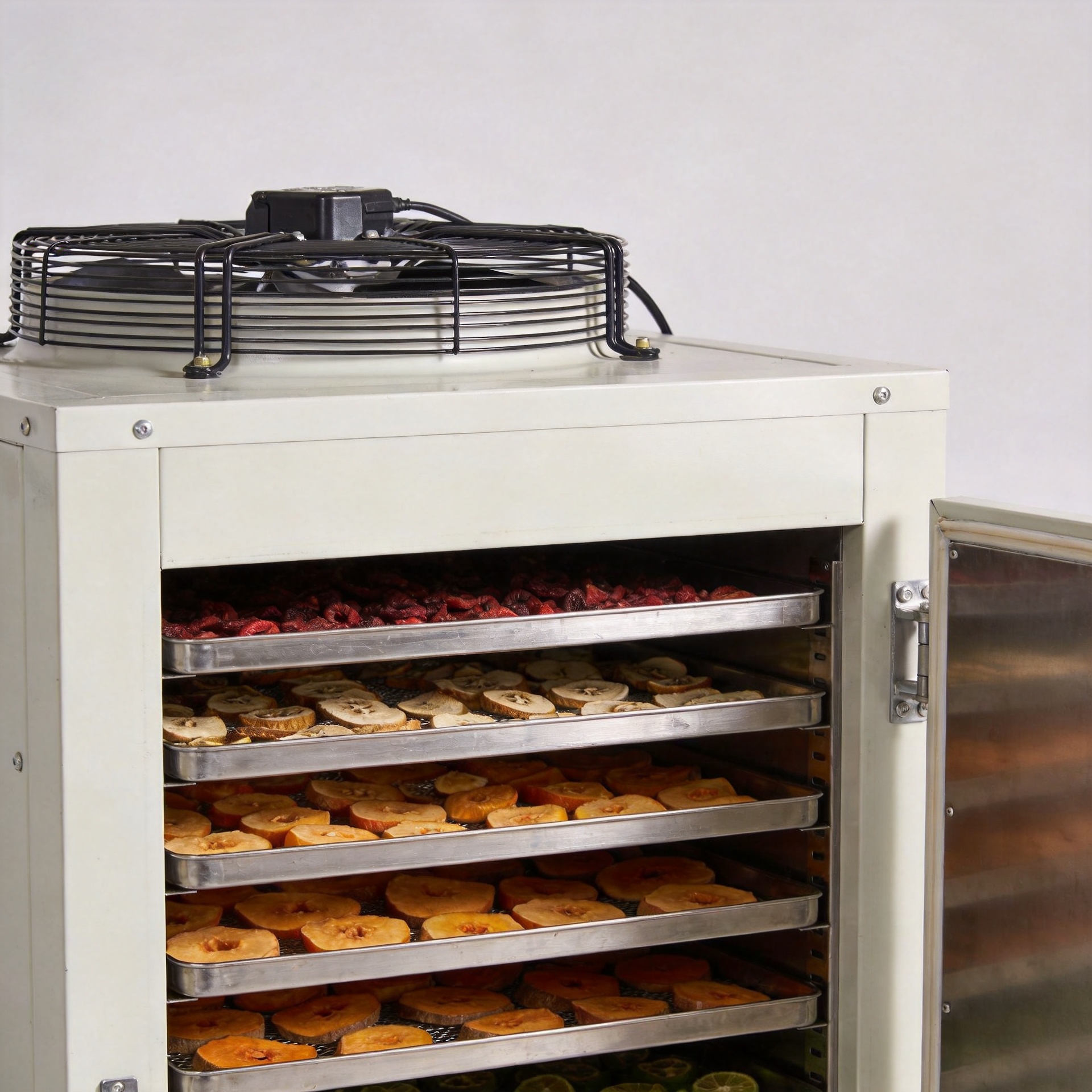
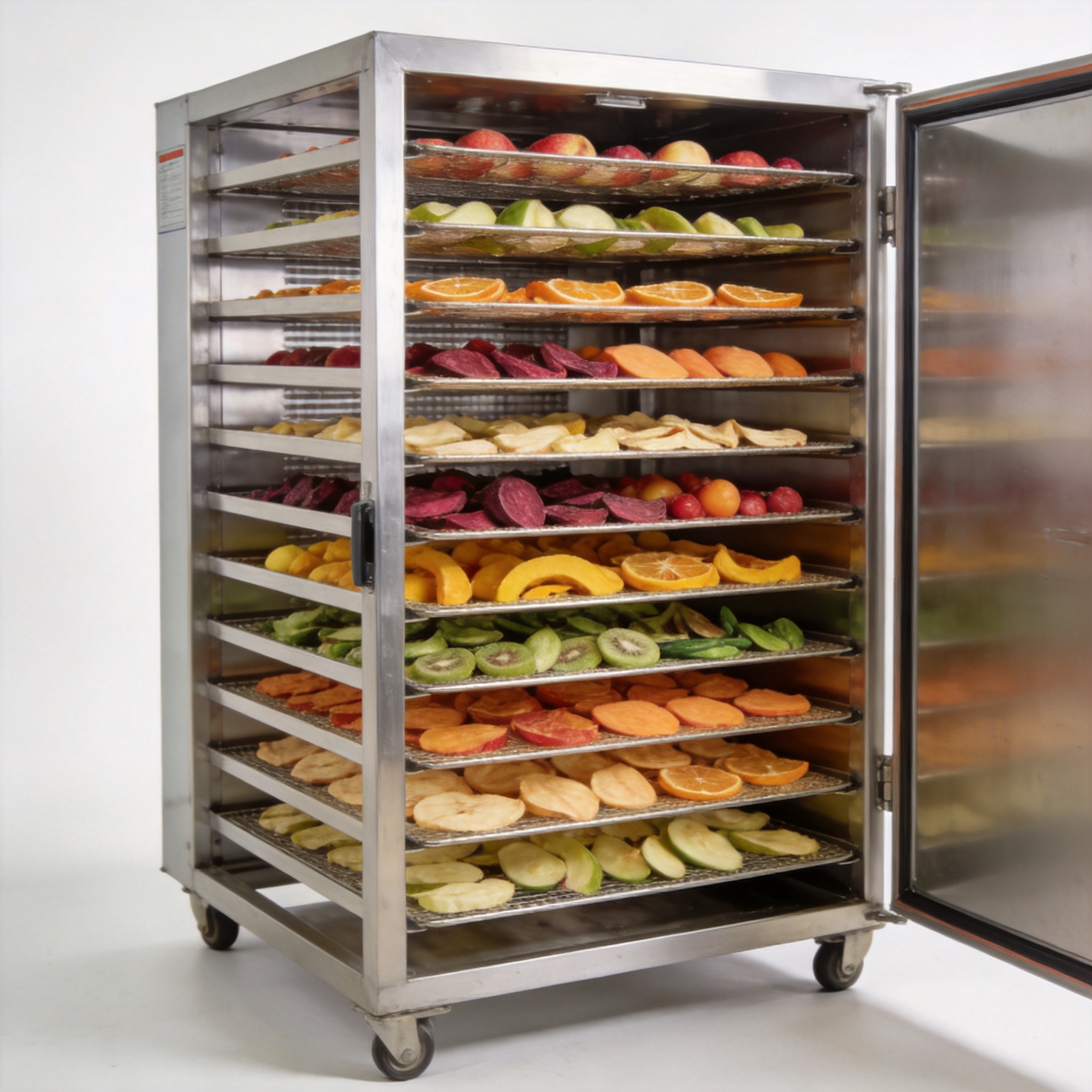
For frozen products, uniform cutting supports more consistent freezing behavior and pack weights. For blanched products, size affects how evenly heat reaches the center of each piece. For dehydrated inclusions, it affects drying time and the risk that thin fragments become brittle before thicker diced pieces are ready. A commercial vegetable dicer machine is part of this larger process window, not an isolated prep tool.
Match Dice Size to the Product Format
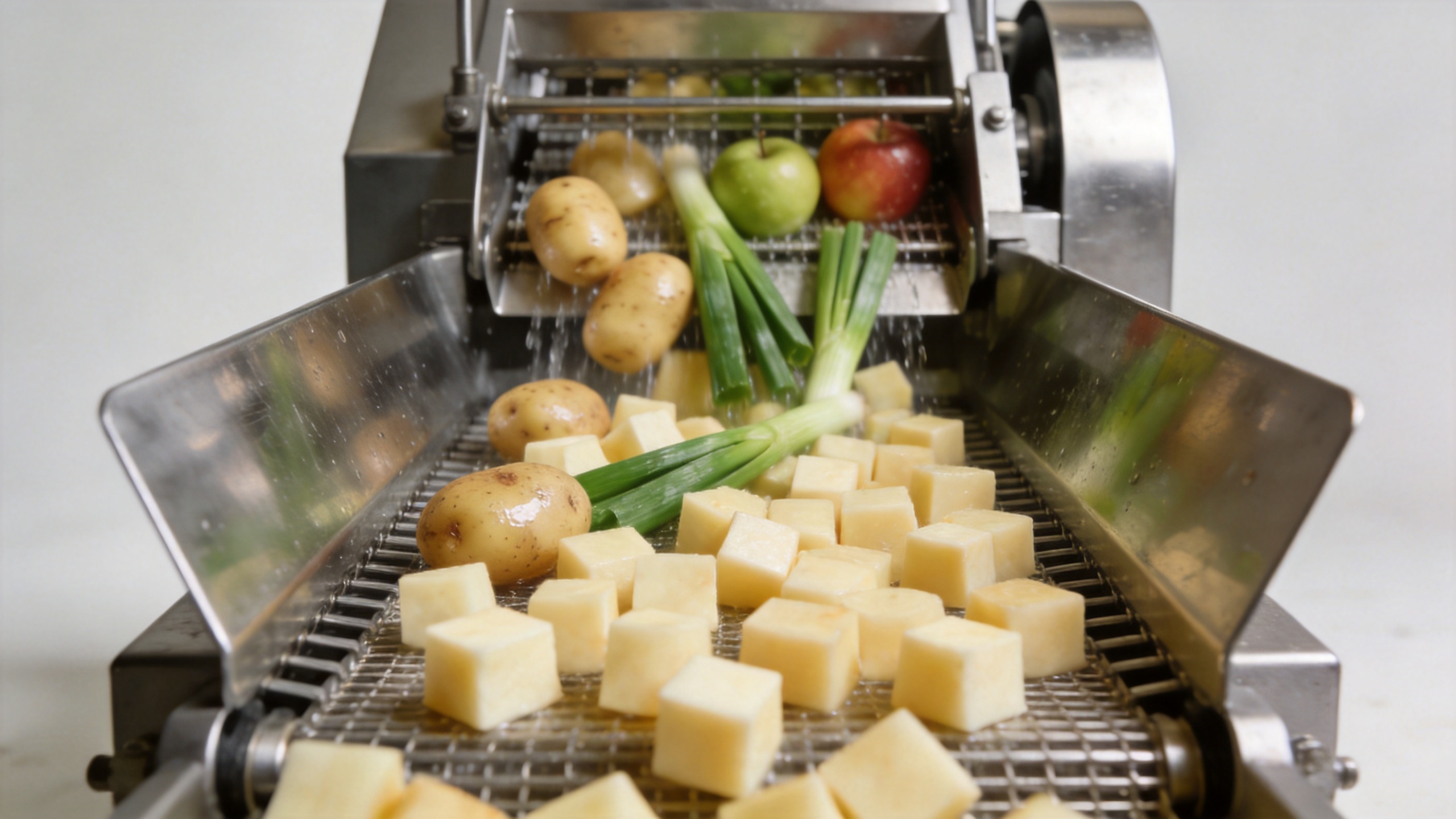
Different vegetables and fruits call for different decisions. Potatoes often need a stable, repeatable diced piece that will remain recognizable after rinsing, blanching, frying, or freezing. Green onions are fibrous and elongated, so the feeding method and cut direction deserve as much attention as nominal size. Softer fruits may require careful handling because excessive compression can damage appearance and increase juice loss.
| Finished-product objective | What to confirm before buying | Why it matters downstream |
|---|---|---|
| Frozen vegetable mix | Target dice dimensions and acceptable size spread | Supports even freezing, blending, and portioning |
| Fresh-cut salad or ready-to-cook pack | Surface appearance, clean cuts, wash handling | Helps manage presentation and product handling |
| Dehydrated vegetable ingredient | Thickness consistency and fragile-material behavior | Helps align drying time and reduce fines |
| Cooked sauce or filling ingredient | Desired bite after thermal processing | Supports a more consistent finished texture |
Use this table as a conversation starter with your process team. A commercial vegetable dicer machine should be judged by the final product outcome, not simply by the number printed on a blade set.
Raw-Material Preparation Has a Direct Effect on Cut Quality
Even a suitable commercial vegetable dicer machine cannot compensate for irregular incoming material. Washing, trimming, sorting, and pre-sizing influence whether the product enters the feed area in a stable way. Very large potatoes may need pre-cutting. Bent green onions may require orientation or a feeding approach that limits bridging. Fruit ripeness should be considered because a change in firmness can change the appearance of the cut.
Set a receiving specification that covers maximum piece dimensions, foreign-material removal, acceptable firmness, and temperature conditions. In fresh-cut operations, sanitation and temperature control remain part of the full workflow; USDA processor guidance describes controlled processing areas at 41°F or below. This is not a performance claim for a commercial vegetable dicer machine; it is a reminder that cutting sits inside a documented food-handling system.
Specify Size Consistency Instead of Asking for a Single Number
Buyers often ask whether a commercial vegetable dicer machine can make a particular dice size. A stronger request is to define the nominal size, the acceptable tolerance, the share of fines that the line can tolerate, and the visual standard after the next processing step. The same nominal diced piece can behave differently in a fresh pack, a frozen mix, and a cooked filling.
- State the target dimensions in millimeters or inches.
- Provide representative raw-material samples whenever possible.
- Identify the next operation: wash, blanch, freeze, dry, cook, or pack.
- Agree on how to assess off-size pieces and fragments.
- Confirm cleaning access and the time available between product changes.
These details turn a broad inquiry into a usable evaluation plan for a commercial vegetable dicer machine.
Consider Line Balance and Yield Together
Cutting capacity must fit the equipment before and after it. If a commercial vegetable dicer machine discharges product faster than the washer, inspection belt, or blancher can accept it, pieces may accumulate, bruise, or require extra handling. If it feeds too slowly, downstream equipment may run below its intended load. Evaluate capacity under the actual material and cut size, rather than using one general throughput figure.
Yield also deserves a defined measurement method. Record whole pieces, acceptable off-size pieces, fines, and trim loss separately. This helps a processor see whether a proposed size is compatible with the desired product and whether upstream preparation needs adjustment. A commercial vegetable dicer machine contributes to yield, but yield is shared by raw-material quality, setup, handling, and the following process stages.
A Practical Procurement Checklist
Before comparing quotations, prepare a one-page application brief. Include the vegetable or fruit types, daily volume, target dice range, finished product, upstream preparation, downstream equipment, sanitation routine, utilities, and operator constraints. Ask suppliers to respond to those conditions rather than to a generic cutter request.
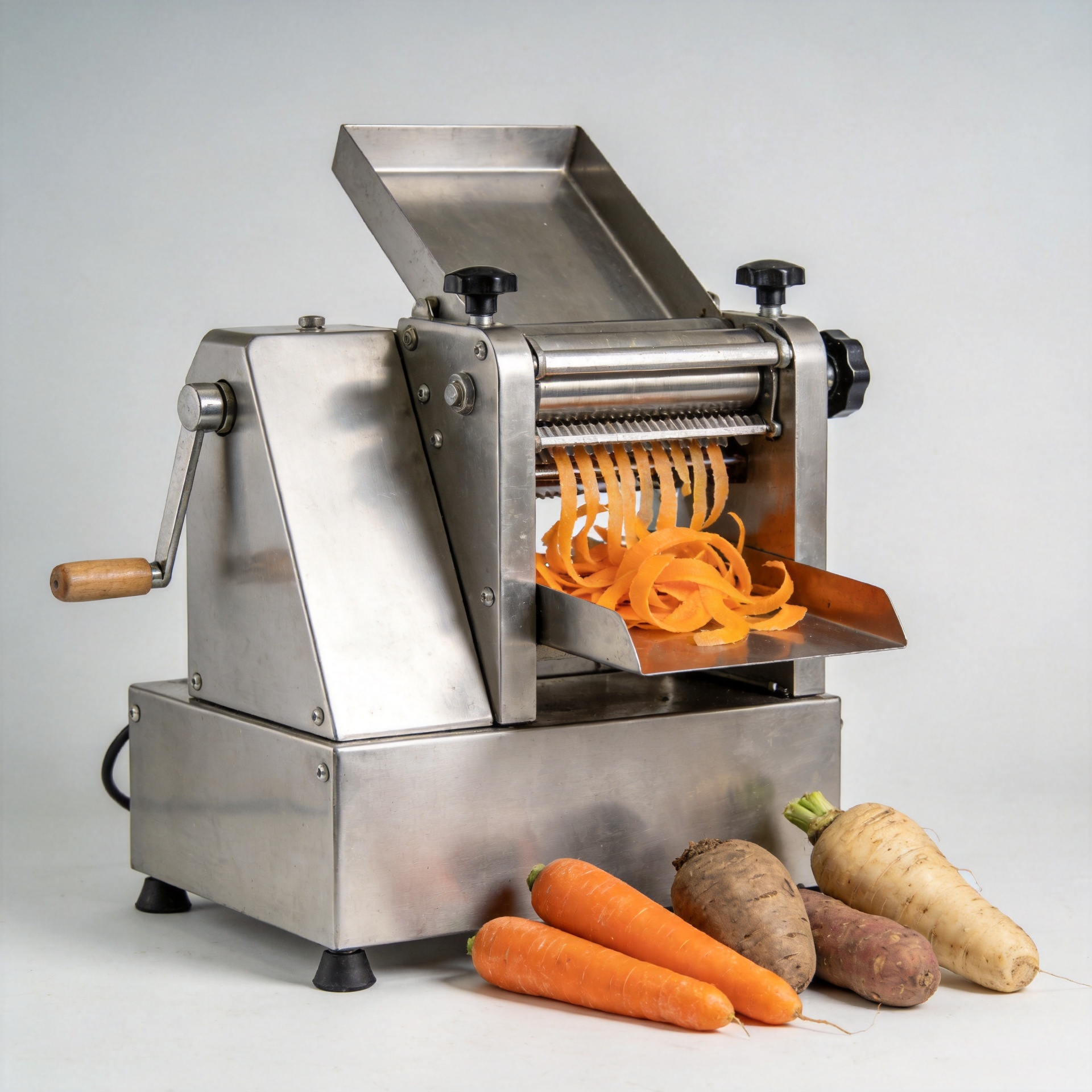
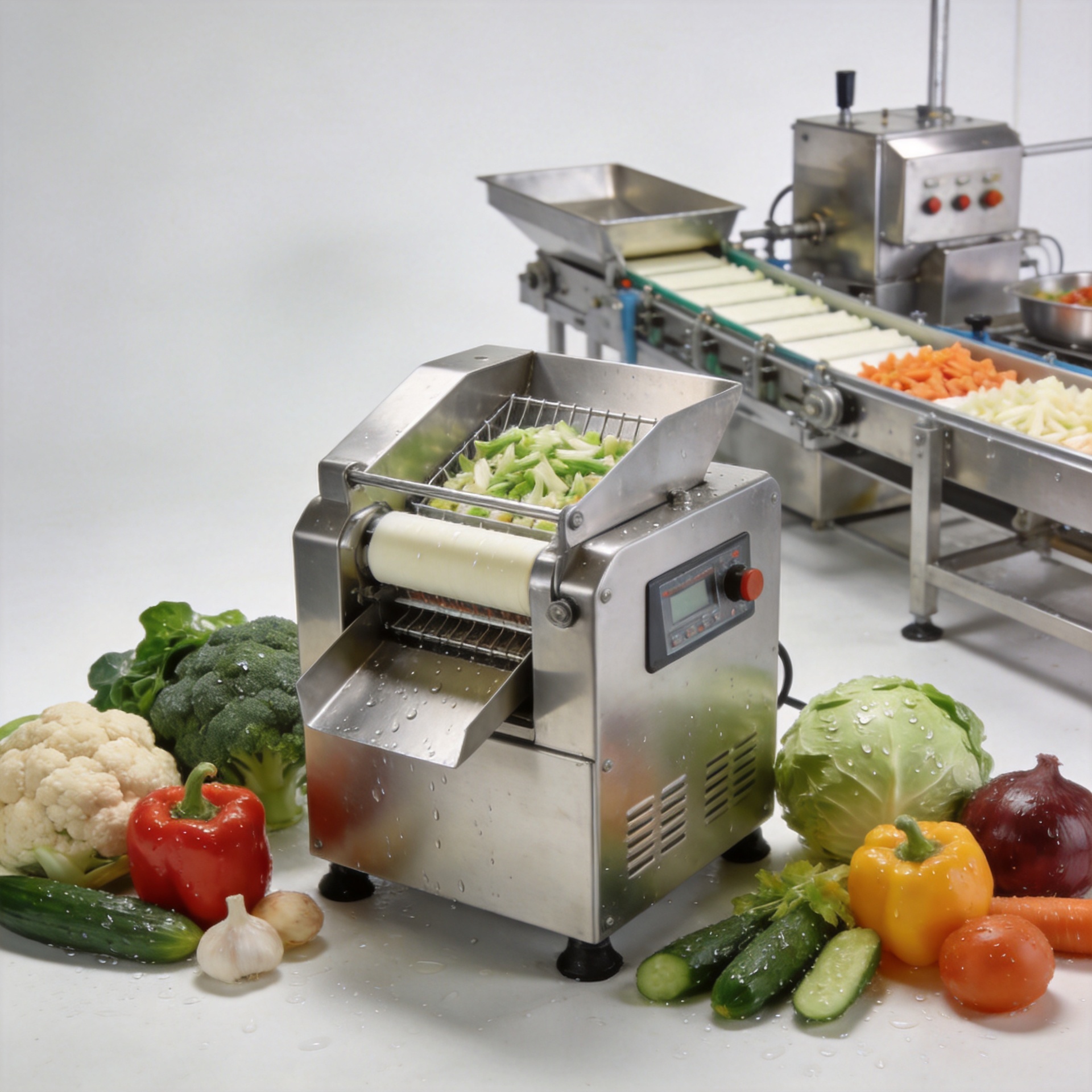
For a potato, fruit, or green-onion application, review the Commercial Industrial Electric Vegetable Cutter Dicing Machine for Potato Fruit & Green Onion Motor As Core Component alongside your own material samples and final-product specification. The relevant decision is whether the configuration fits the task, not whether one machine suits every application.
Conclusion: Let the Finished Product Define the Cut
The right commercial vegetable dicer machine supports a controlled sequence from raw-material preparation to packing. When buyers define cut size together with tolerance, material condition, sanitation needs, and downstream processing, equipment discussions become more precise. For fresh cut vegetable processing, that preparation can help teams compare configurations, test realistic samples, and build a line around the finished product rather than a blade description.