EN


How Commercial Vegetable Washing Improves Food Safety
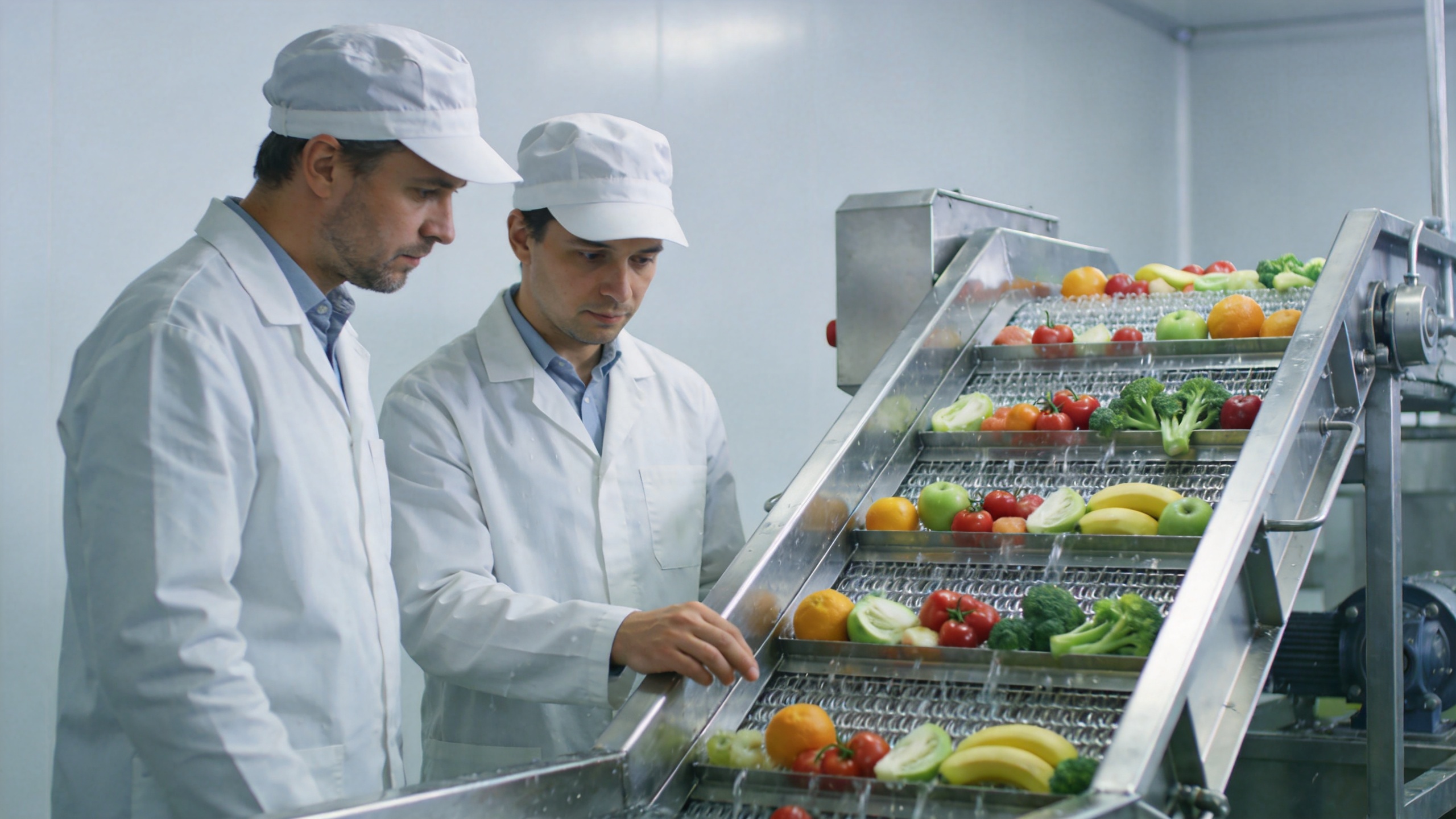
In a produce-processing line, washing is not simply the point where soil disappears. It is a food-safety control step that affects what happens next: trimming, cutting, packaging, chilling, and dispatch. A poorly maintained mouldy washing machine can turn a useful cleaning stage into a place where moisture, residues, and microorganisms persist. By contrast, a commercial vegetable washing system designed for cleaning and maintained through a clear sanitation routine can help a processor manage hygiene more consistently.
From a production supervisor’s perspective, the key question is not “Does the machine wash vegetables?” It is “Can the line be cleaned, inspected, drained, and returned to service without leaving conditions that encourage contamination?” That distinction matters whether a facility handles leafy greens, root vegetables, fruit, or mixed produce.
Why a Mouldy Washing Machine Is a Food-Processing Concern
Mould and biofilm-friendly conditions develop where water, organic debris, and difficult-to-clean surfaces meet. In produce washing, plant matter can collect around screens, brushes, nozzles, tank corners, seals, drains, and transfer points. If cleaning is inconsistent, a mouldy washing machine may retain residues between shifts, increasing the hygiene burden for the next run.
FDA guidance for fresh fruits and vegetables notes that equipment contacting produce can act as a vehicle for spreading microbial contamination. This does not mean every visible residue causes a safety incident. It does mean equipment hygiene deserves the same disciplined attention as water quality, employee practices, and facility sanitation. For processors, the practical goal is to remove the conditions that let residues stay in the system.
That is also why operators should not treat unpleasant odour, dark buildup, poor drainage, or recurring debris as cosmetic issues. They are signals to inspect the cleaning method, the machine’s hygienic design, and the handoff between production and sanitation teams.
Hygienic Design Makes Commercial Vegetable Washing Easier to Control
A commercial washer cannot replace a sanitation programme, but its design can make that programme more repeatable. Food-contact equipment should be durable, corrosion-resistant, non-absorbent, and easy to clean. In practical terms, buyers should look for accessible product-contact areas, smooth welds and transitions, drainage that does not leave standing water, and components that can be inspected without turning routine cleaning into a major disassembly project.
Stainless-steel construction is often selected for food-processing environments because it supports regular washing and sanitising when the right procedures and chemicals are used. However, material alone is not a guarantee. A stainless enclosure with inaccessible corners can still create cleaning challenges. The more useful evaluation is whether operators can see, reach, rinse, drain, and verify the areas where produce debris is likely to accumulate.
- Accessible surfaces: Guards, covers, filters, and screens should allow routine inspection and cleaning.
- Effective drainage: Tanks, pipework, and collection areas should minimise retained water after cleaning.
- Controlled water flow: Spray and vortex actions should support soil removal without creating unmanaged splash or debris traps.
- Maintainable components: Wear parts, seals, and nozzles need an inspection plan so small defects do not become sanitation blind spots.
Build Washing Into a Repeatable Hygiene Workflow
The most reliable approach is to treat produce washing as one part of a documented workflow rather than a stand-alone machine task. A basic sequence can be adapted to the produce type, line layout, local regulations, and the facility’s validated sanitation procedures.
- Remove gross debris before washing. Soil, leaves, damaged produce, and packaging fragments add load to the wash system and make downstream cleaning harder.
- Run the approved wash process. Control loading, water condition, and dwell time according to the product and the facility’s process requirements.
- Clear the machine after the batch. Remove retained product matter from screens, tanks, conveyors, and transfer interfaces before it dries in place.
- Clean, rinse, and sanitise as specified. Use site-approved chemicals and concentrations; a machine supplier’s equipment guidance should be coordinated with the processor’s food-safety plan.
- Drain and dry where practical. Standing water is a recurring hygiene risk. Open, drain, and ventilate areas that are designed for post-cleaning drying.
- Inspect and record. A quick visual check plus a signed sanitation record makes recurring issues easier to identify before they become routine.
The phrase mouldy washing machine is useful here as a warning label: if equipment repeatedly shows residues after sanitation, the corrective action should go beyond another quick rinse. Review the cleaning access, drainage, chemical method, staff training, and preventive-maintenance schedule together.
Daily Maintenance Prevents Hygiene Problems From Becoming Normal
Daily cleaning is essential, but preventive maintenance protects the conditions that make cleaning effective. Small issues such as worn seals, blocked nozzles, loose guards, damaged gaskets, or slow drains can create places where water and debris linger. If your operation runs multiple shifts or handles produce with high soil loads, inspection frequency may need to be more demanding than a low-volume line.
A useful maintenance checklist connects each component to a hygiene consequence. For example, a blocked spray nozzle may leave an uneven wash zone; a damaged seal can retain moisture; and a partially blocked drain can leave water in a tank after cleaning. This way, maintenance priorities are not based only on whether the machine still runs. They are also based on whether the machine can still be cleaned as intended.
It is worth correcting one common assumption: a higher-capacity washer is not automatically a better hygiene choice. Capacity only helps when the equipment matches the actual product load, the cleaning crew can access critical zones, and the sanitation schedule is realistic for the plant. An oversized or poorly matched system can be harder to clean thoroughly between runs.
Choose Equipment With Hygiene Verification in Mind
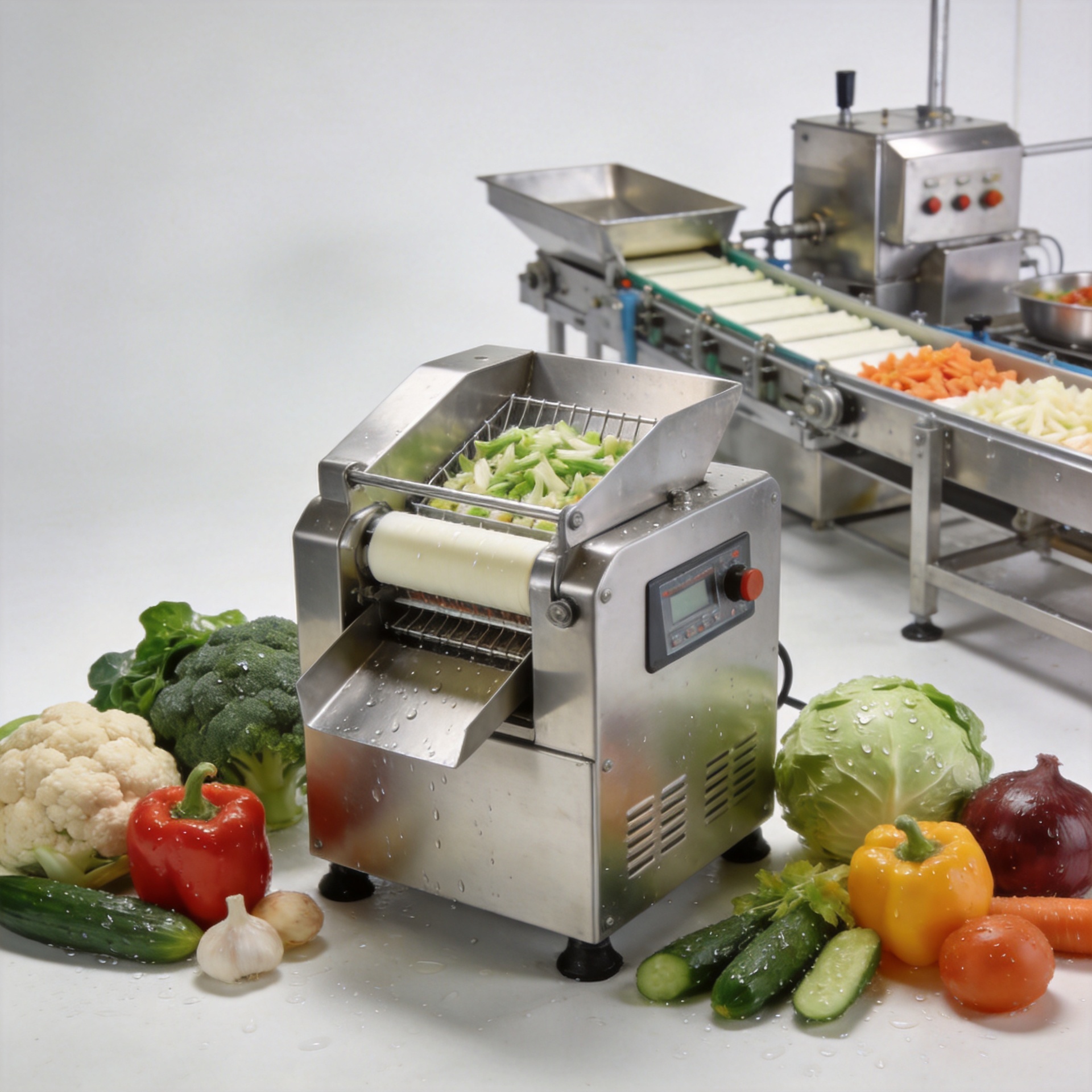
During equipment evaluation, ask the supplier to walk through the cleaning points—not only the throughput claims. Request clear information on access panels, removable screens, drainage paths, recommended cleaning procedures, and routine service items. For buyers comparing fruit and vegetable washing solutions, the Vegetable and Fruit High Efficiency Commercial Stainless Steel Disinfection Vortex Fruit Washing Machine can be reviewed as part of a broader discussion about line fit, cleaning access, and operational requirements.
Before purchase, use a simple hygiene-focused checklist:
| Question | Why it matters |
|---|---|
| Can operators reach all produce-contact and splash-exposed areas? | Cleaning cannot be verified where surfaces cannot be accessed. |
| Does the system drain fully after cleaning? | Less retained water means fewer conditions that support persistent residues. |
| Are filters, screens, and nozzles easy to inspect? | These parts often collect debris and affect wash consistency. |
| Is there a documented maintenance plan for seals and drainage parts? | Minor wear can create avoidable hygiene blind spots. |
Shift-Start Hygiene Checkpoints
Use the label mouldy washing machine in the inspection log only as a clear trigger for corrective action, then record the exact finding: residue on a screen, retained water in a tank, blocked spray coverage, a worn seal, or a drain that did not clear. This turns a vague concern about a mouldy washing machine into a task that can be assigned and verified.
At shift start, operators can check whether the mouldy washing machine risk is controlled by confirming that contact surfaces are visibly clean, drains are open, covers are closed correctly, and the last sanitation record is complete. After a high-soil run, the same mouldy washing machine check should focus on filters, spray nozzles, brush zones, and product transfer points.
Supervisors should also review repeat findings. If a mouldy washing machine note occurs in the same location more than once, schedule a maintenance review rather than relying on extra rinsing. A recurring mouldy washing machine issue can point to poor access, damaged parts, or a cleaning interval that no longer fits production conditions.
Clear escalation helps: report a mouldy washing machine concern before the next batch, isolate the affected area when required by the site plan, and release the equipment only after the corrective action is checked. This is more effective than normalising a mouldy washing machine warning as part of everyday operation.
Make Equipment Hygiene Part of the Food-Safety Culture
Commercial vegetable washing improves food-safety management when it supports disciplined operations: cleaning access, controlled water use, reliable drainage, documented sanitation, and maintenance that addresses small problems early. It is not a substitute for a food-safety plan, validated procedures, or local regulatory requirements. Instead, it gives the processing team a more manageable platform for carrying those controls out every day.
For a processor concerned about a mouldy washing machine, the next step is practical: inspect the equipment immediately after a normal cleaning cycle, identify where moisture or debris remains, and update the sanitation and maintenance tasks around those points. A washer that is matched to the line and kept cleanable in real operating conditions can help make hygiene control more consistent from receiving through packing.