EN


How Does a Screw Press Juicer Work in Fruit and Vegetable Processing?
A cold pressed juicer is often discussed as a retail appliance, but in fruit and vegetable processing it can describe a continuous screw-press extraction stage. The industrial version is built around a simple production question: how do you separate usable juice from prepared pulp steadily, hygienically, and with enough control to fit the rest of the line?
As a technical adviser evaluating food-processing equipment, I start with the material flow rather than the headline capacity. A screw press can work well when the raw material is properly prepared and the press is matched to its texture, fibre level, and intended product. The machine is only one part of the process; washing, sorting, crushing, screening, and pomace handling all influence the result.
What a Screw Press Juicer Does
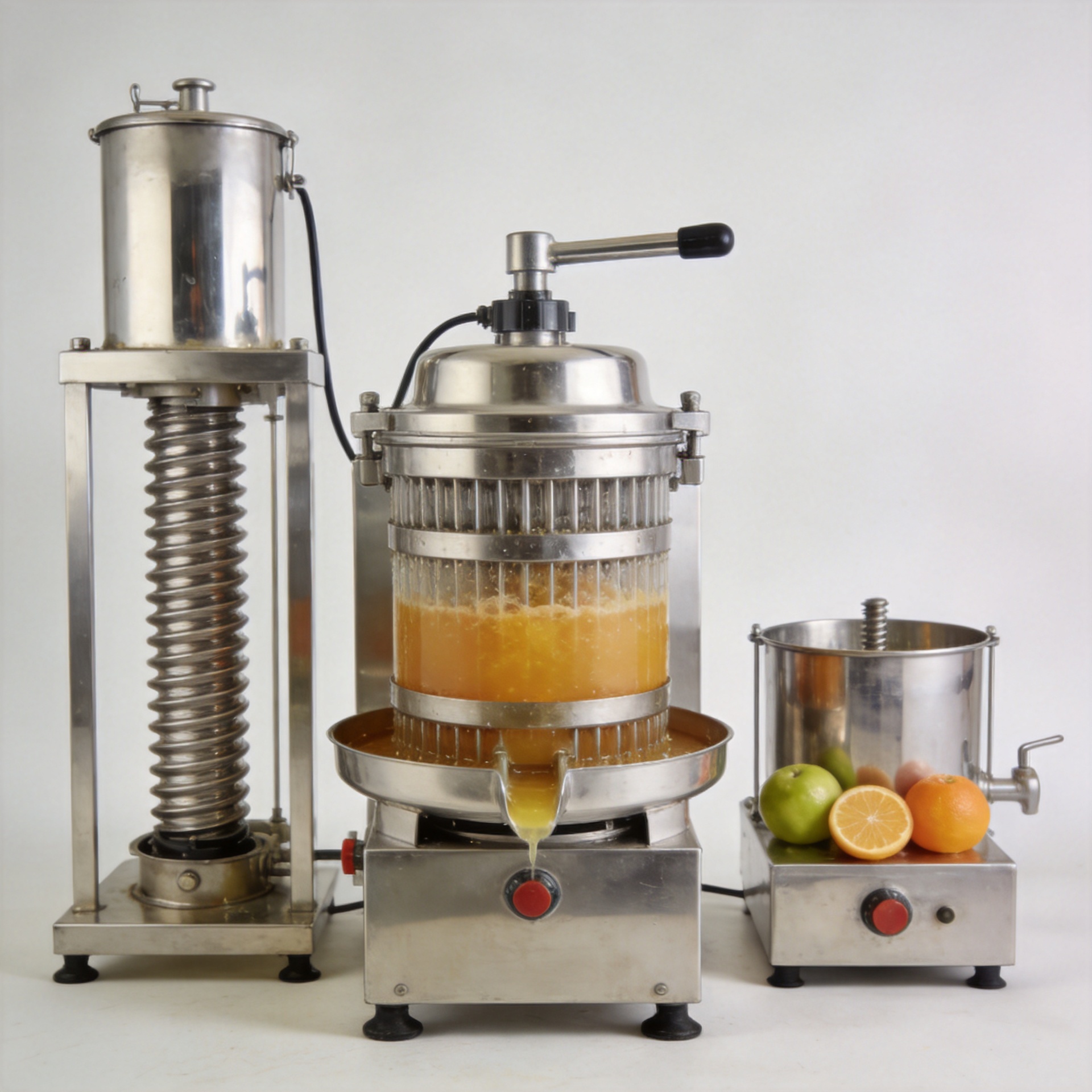
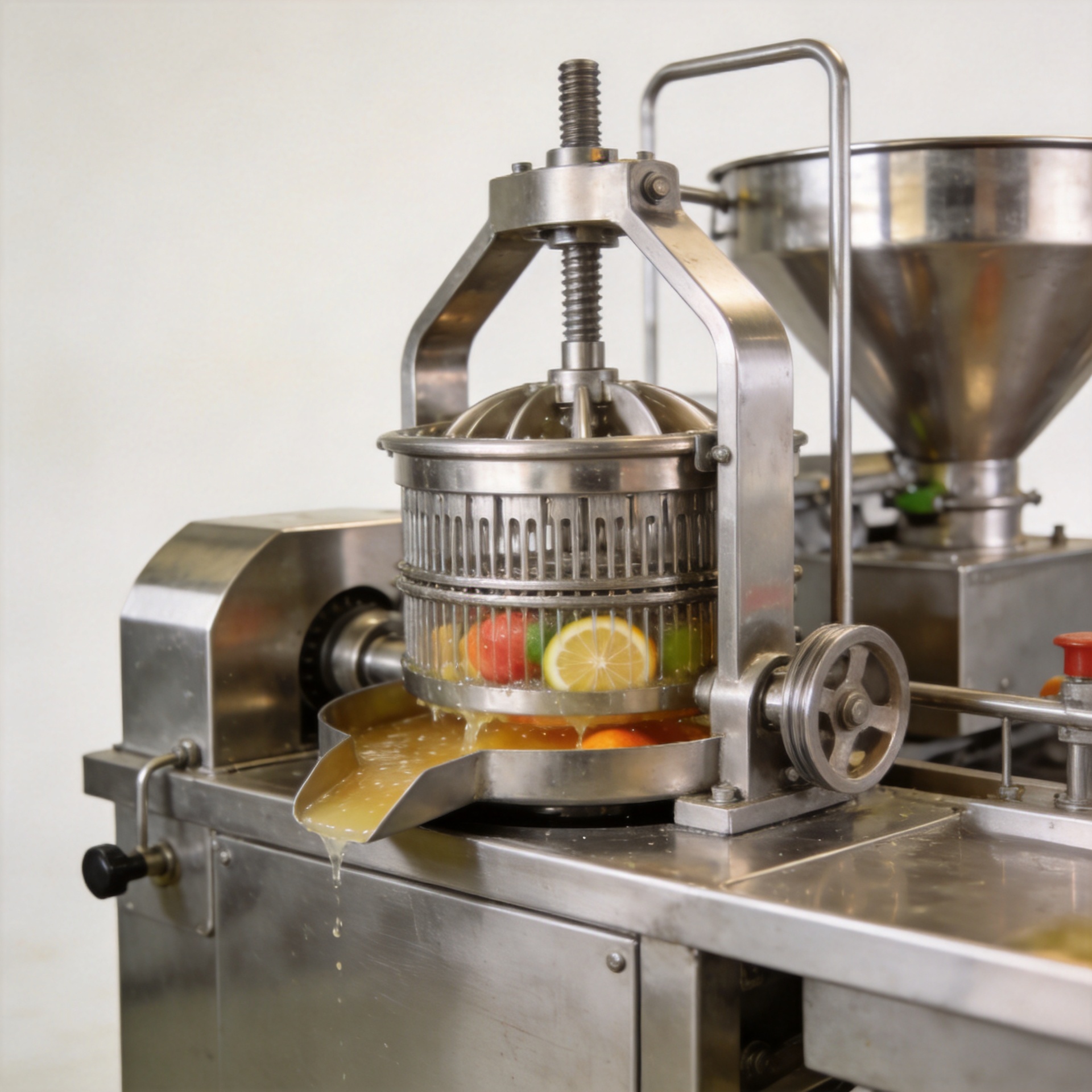
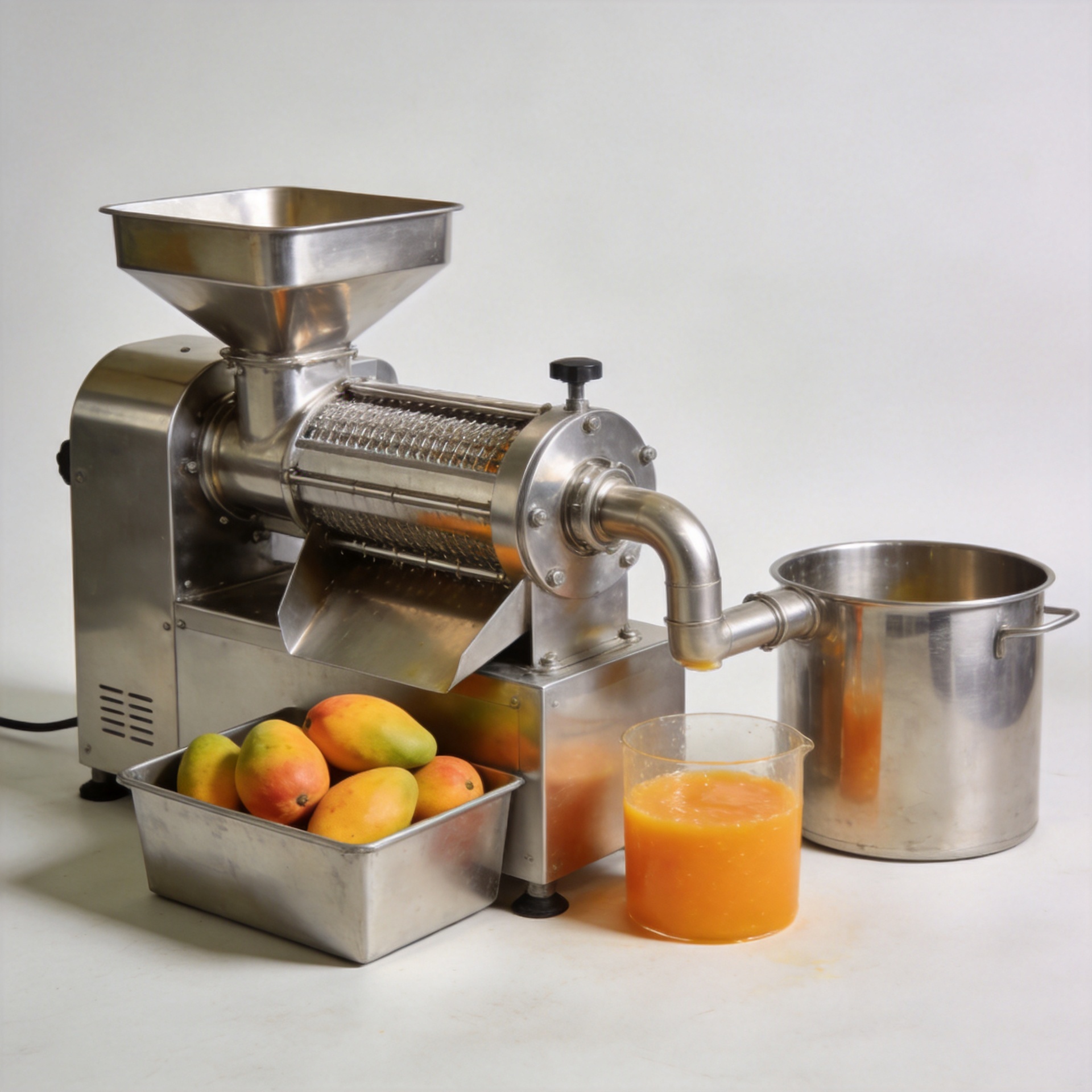
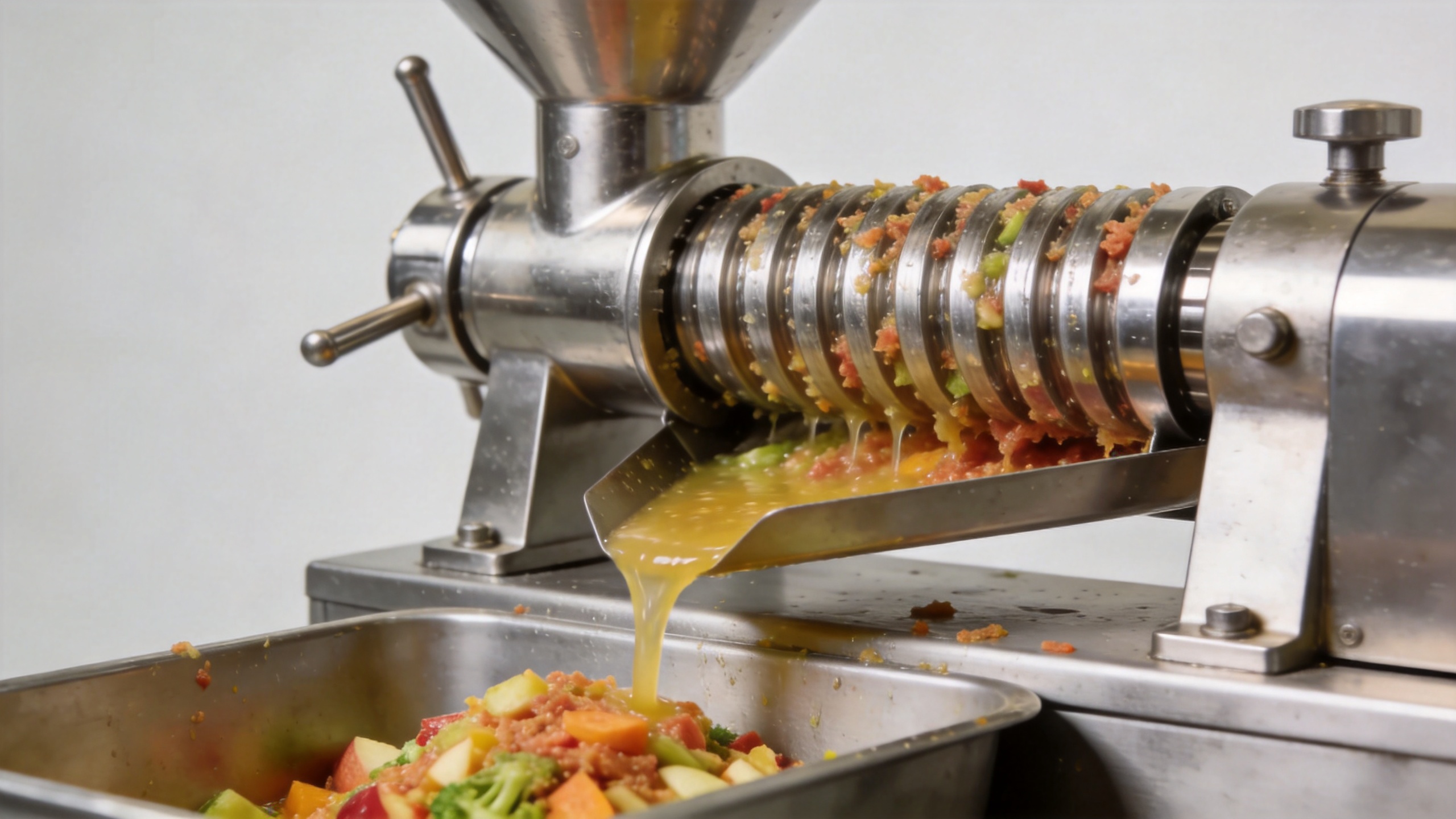
In an industrial cold pressed juicer, prepared fruit or vegetables enter a hopper and are carried forward by a rotating screw. The screw transports the material through a narrowing chamber. As the available space decreases, the pulp is compressed against a perforated screen. Liquid passes through the screen and flows to collection, while the increasingly dry solids move toward the discharge end as pomace.
This is a continuous mechanical separation process, not a guarantee that every fruit or vegetable will behave the same way. Soft fruit, fibrous vegetables, peeled produce, and materials with seeds or skins can require different preparation steps. That is why a production line should define the raw-material condition before choosing screen openings, screw geometry, or discharge resistance.
Continuous screw presses are widely used in juice-processing workflows because they can receive prepared mash continuously. In practical terms, the pressing stage sits between size reduction and downstream clarification, blending, pasteurisation, fermentation, or filling—depending on the final beverage or ingredient.
How Material Moves Through the Extraction Line
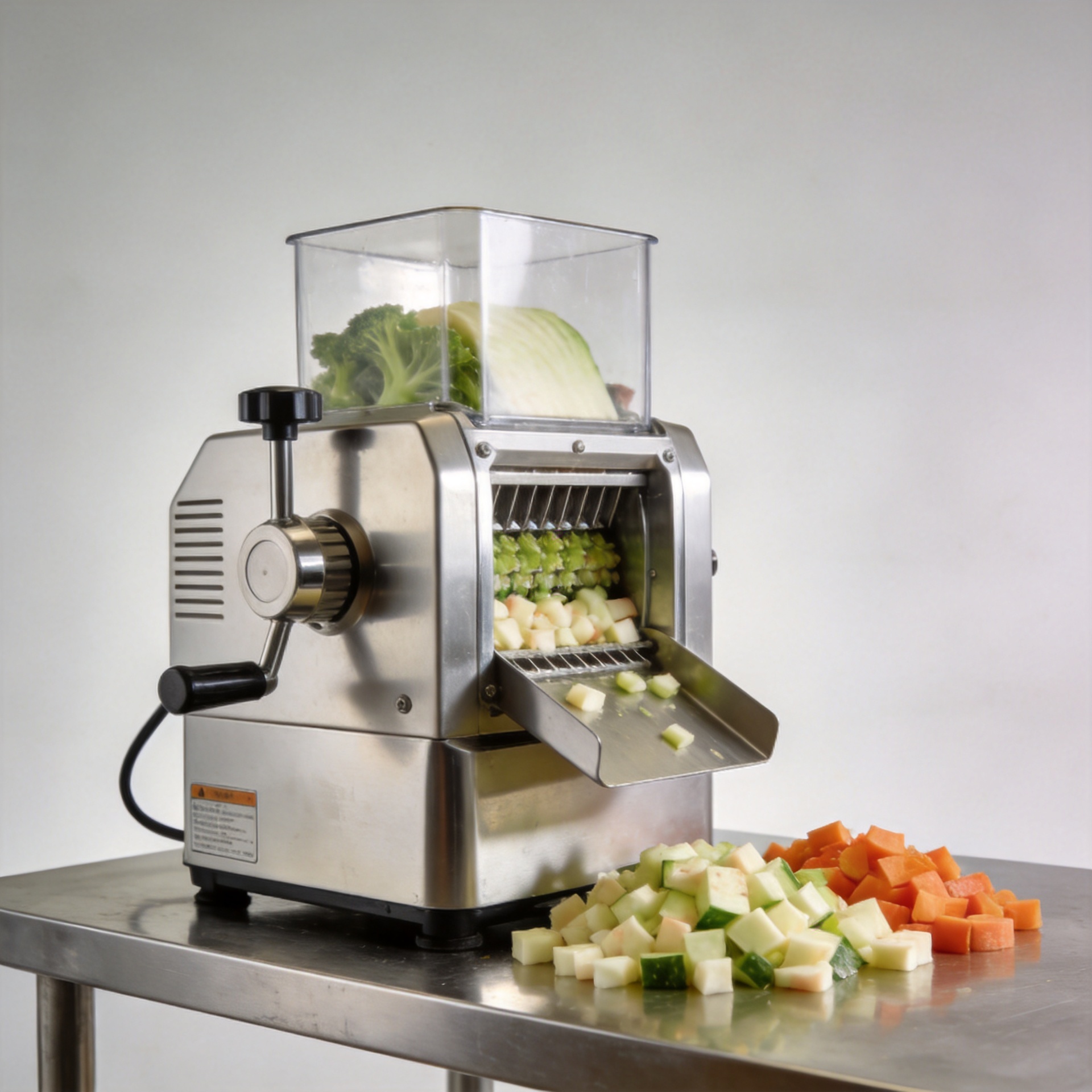
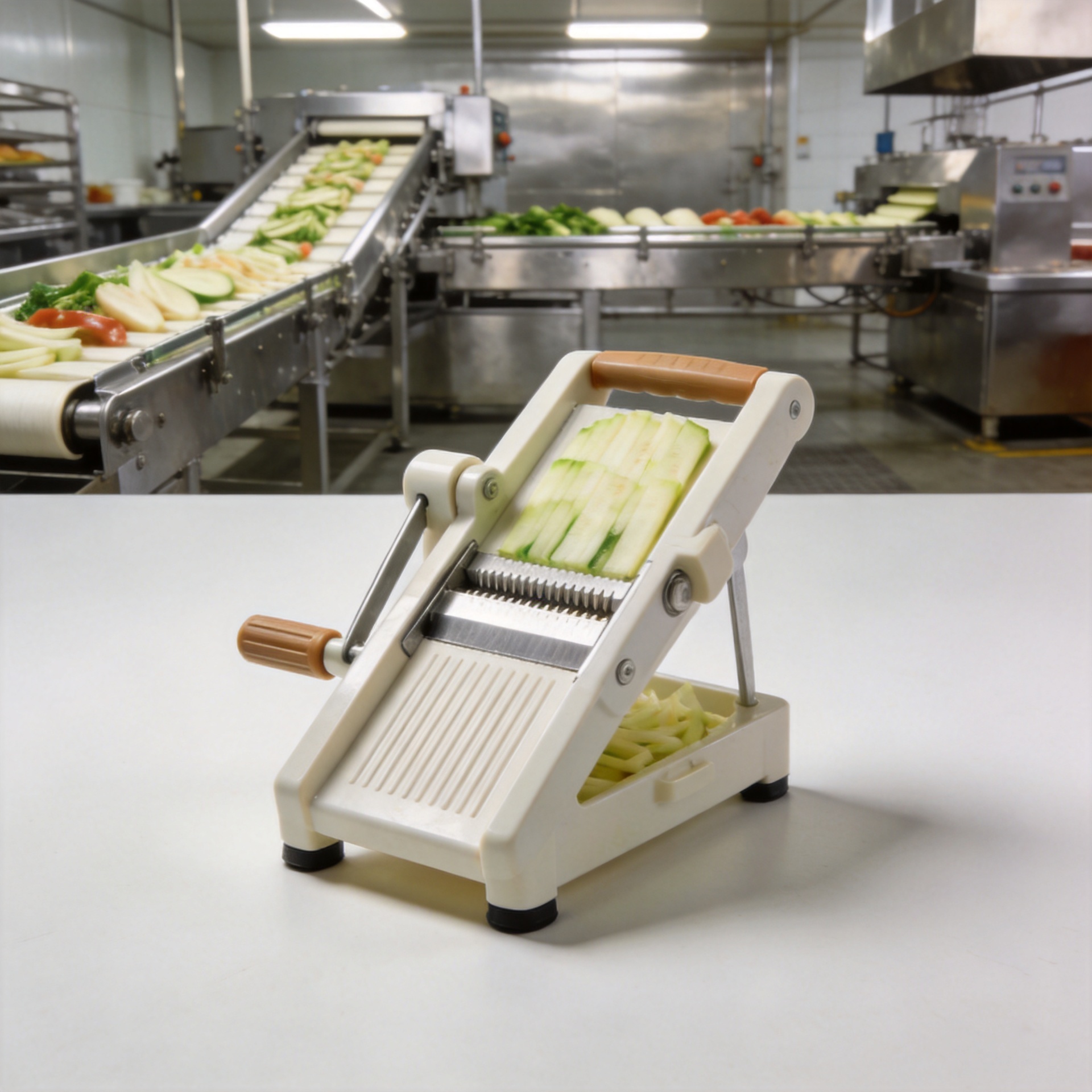
A reliable cold pressed juicer workflow begins before the press. Raw produce should be sorted to remove unsuitable material, washed to reduce surface contamination, and cut, crushed, or pulped to make the juice-bearing cells accessible. Apples and firm vegetables often need size reduction; softer fruit may be pulped first. The right approach depends on the crop and the desired texture of the juice.
- Receive and inspect: remove damaged or foreign material and separate lots with different ripeness or condition.
- Wash and prepare: rinse, trim, peel, deseed, or cut as required by the recipe and equipment design.
- Crush or pulp: create a consistent feed that the screw can transport without bridging or sudden surges.
- Press and separate: feed the prepared material to the screw chamber, collect expressed juice through the screen, and discharge pomace.
- Condition the juice: screen, clarify, blend, heat-treat, or transfer the juice according to the next process step.
That sequence explains why a screw press should not be judged only by a nominal throughput figure. A feed that is too coarse can reduce contact with the screen; a feed that is too wet or inconsistent can change the pressure pattern. In other words, actual output depends on raw-material preparation and operating conditions, not the machine name alone.
How Pressure, Screen Selection, and Feed Condition Affect Results
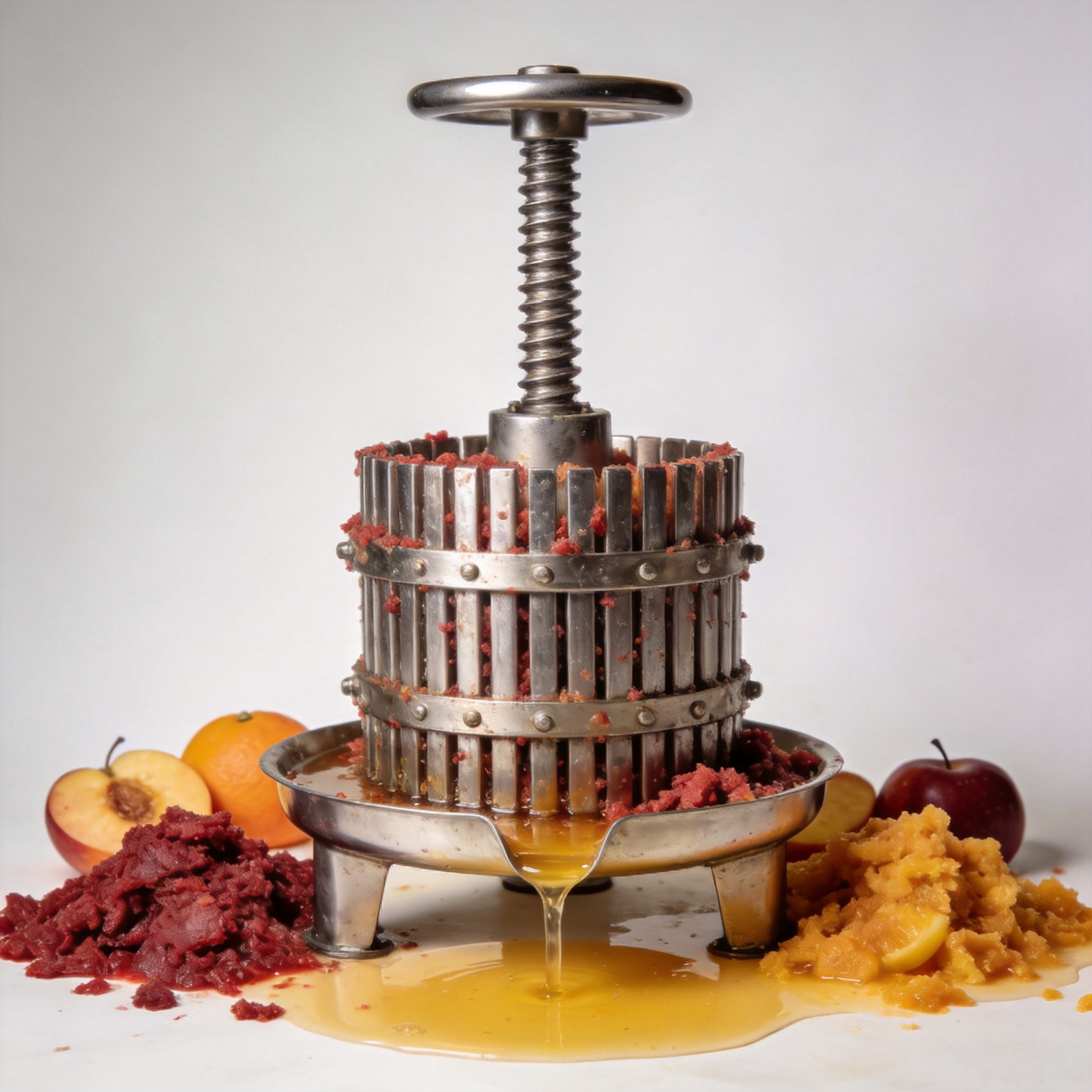
The working principle of a cold pressed juicer is progressive compression. The screw pushes material forward while the chamber and discharge arrangement create resistance. Juice can leave only when it finds a path through the screen, so screen condition and open area matter. A blocked screen restricts drainage; an unsuitable screen can allow too much pulp into the juice or create excessive resistance.
| Process variable | Why it matters | What to check |
|---|---|---|
| Feed particle size | Controls how evenly material fills the press and releases juice. | Use consistent cutting, crushing, or pulping before pressing. |
| Raw-material condition | Ripeness, fibre, skin, and moisture affect compressibility. | Run representative trials instead of assuming one setting fits every crop. |
| Screen condition | Determines liquid drainage and solids carry-over. | Inspect for blockage, wear, and cleaning accessibility. |
| Discharge resistance | Influences the compression level inside the chamber. | Adjust gradually and verify juice flow plus pomace condition together. |
| Cleaning routine | Protects product hygiene and repeatable operation. | Plan access, cleaning frequency, and changeover procedures. |
It is tempting to assume that more pressure can mean better extraction. That is not precise enough. More resistance may change the liquid/solid separation, but it can also affect flow stability and product texture. The useful target is a repeatable process that matches the crop, recipe, and downstream filtration plan.
Where Screw Pressing Fits in Fruit and Vegetable Applications
A cold pressed juicer can be used for fruit mash, vegetable pulp, and mixed produce streams when the preparation equipment and press configuration suit the material. Common processing goals include extracting juice for beverages, recovering liquid from pulped fruit before further treatment, and separating pomace for handling or possible secondary use. The exact line arrangement may differ for apple, berry, citrus, tomato, leafy vegetable, or blended-product applications.
For a compact processing project, the press may be the central extraction machine after washing and crushing. For a larger line, it may operate with conveyors, pulpers, holding tanks, juice screens, transfer pumps, and filling equipment. The important planning point is to balance each upstream and downstream stage. If a crusher feeds faster than the press can accept material, the line will not run steadily. If clarification cannot keep up with the extracted juice, the bottleneck simply moves downstream.
Choosing a Screw Press for a Practical Processing Line
Before purchasing a cold pressed juicer, write down the actual feedstock, target operating hours, desired finished product, and cleaning expectations. That brief gives a supplier something concrete to evaluate. It also helps prevent a common mistake: comparing machines only by advertised capacity when the product mix and preparation method are still undefined.
- List the fruits and vegetables to be processed and their expected seasonal variation.
- Confirm the preparation method: whole, cut, crushed, pulped, peeled, or deseeded.
- Define whether the product needs clear juice, cloudy juice, puree-like texture, or further filtration.
- Review food-contact materials, access for cleaning, and the practical maintenance plan.
- Ask how the press integrates with pumps, screens, tanks, and pomace discharge in your available space.
One available example is this Food-Grade Screw Press for Fruit & Vegetable Processing. Its listing is a useful starting point for a technical discussion, but the final configuration should still be checked against the material, capacity target, and line layout.
Cold Pressed Juicer Operating Checklist
Use this short cold pressed juicer checklist during trial runs:
- Confirm the cold pressed juicer receives evenly prepared feed.
- Check cold pressed juicer hopper flow before increasing feed rate.
- Keep each cold pressed juicer screen clean and correctly fitted.
- Record cold pressed juicer juice flow and pomace condition together.
- Adjust cold pressed juicer discharge resistance in small steps.
- Match cold pressed juicer settings to the current crop, not a previous batch.
- Inspect cold pressed juicer food-contact areas at every changeover.
- Make cold pressed juicer cleaning part of the line schedule.
- Verify cold pressed juicer transfer equipment accepts juice steadily.
- Review cold pressed juicer maintenance access before final line layout.
- Use cold pressed juicer trial material that represents normal production.
- Document cold pressed juicer observations for the next production run.
These checks make a cold pressed juicer easier to evaluate as a process stage. A cold pressed juicer is more reliable when preparation, pressing, cleaning, and downstream handling are planned together.
Turn the Principle into a Stable Process
The core idea is straightforward: prepared produce enters, the screw conveys and compresses it, juice drains through a screen, and pomace exits separately. The difficult part is making that sequence stable across changing crops and production conditions. Start with representative raw material, confirm the desired juice characteristics, and evaluate the press as part of the whole processing line.
For food and beverage equipment buyers, a cold pressed juicer should be selected as a process tool rather than a standalone promise. When feed preparation, pressure control, screening, hygiene, and downstream handling are planned together, screw pressing becomes a practical route for fruit and vegetable juice extraction.