EN


How to Choose a Tahini Making Machine for Food Production
Choosing a tahini making machine is not simply a question of buying a grinder. For a food producer, the right tahini making machine has to fit the sesame preparation flow, the required texture, the sanitation routine, and the pace of packing. A purchasing team that starts with those four points can compare quotations on a more useful basis than price or a single capacity figure.
As a food-equipment buyer, I would begin by mapping the actual production day. Identify the sesame condition at receiving, the output expected per shift, the products that will share the line, and how operators will clean the system between runs. This turns a broad search for a tahini making machine into a specification that suppliers can answer clearly.
Start with the sesame process, not the grinder alone
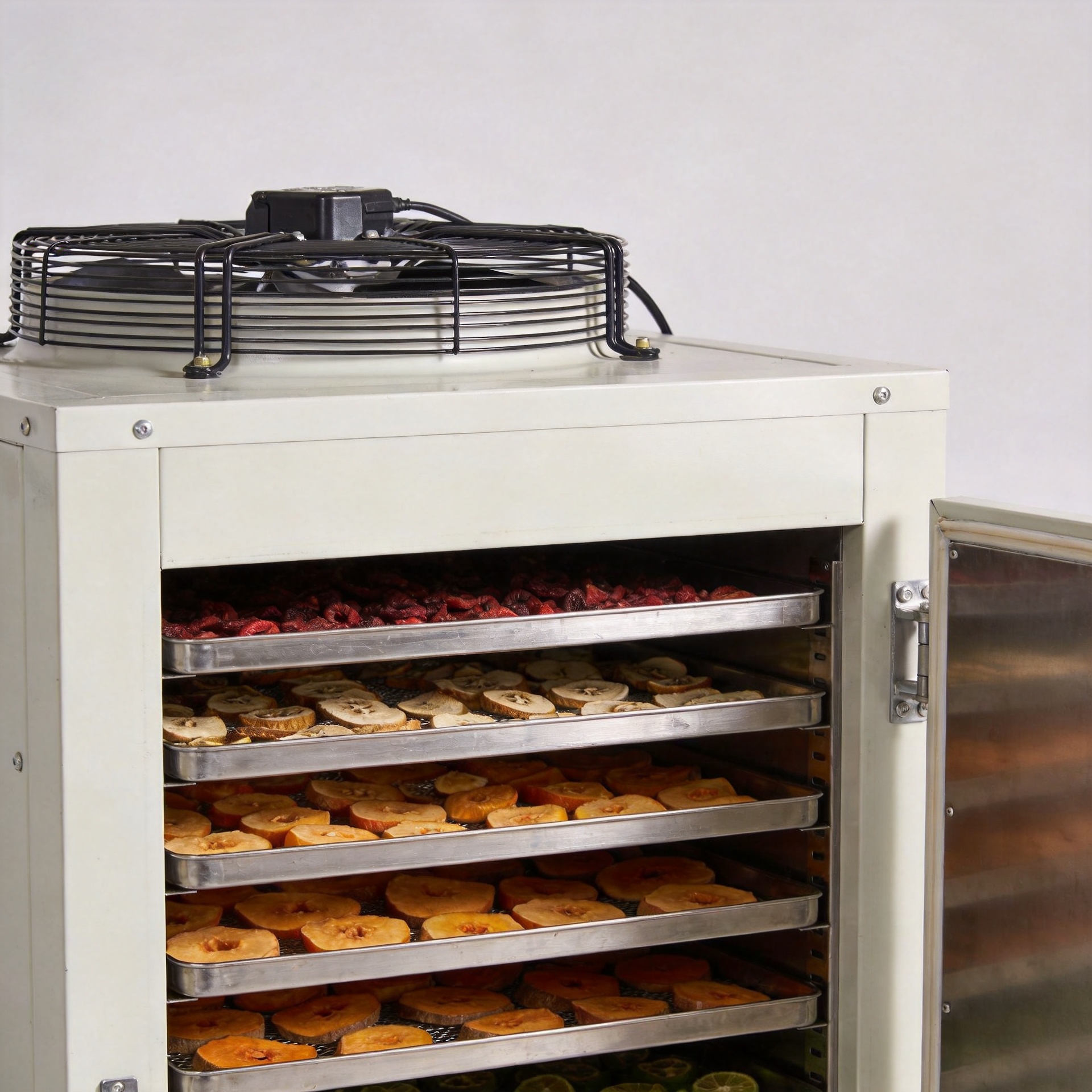
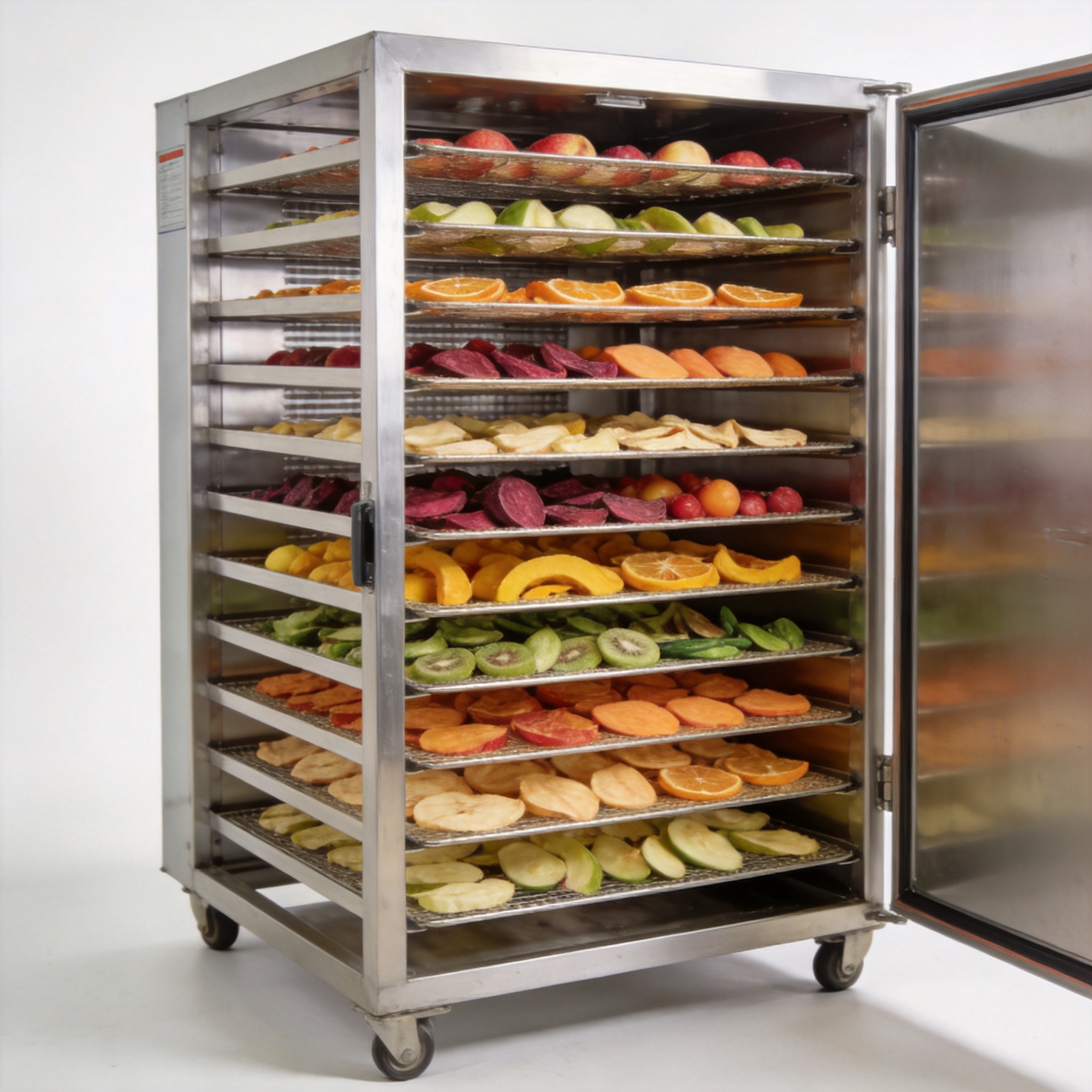
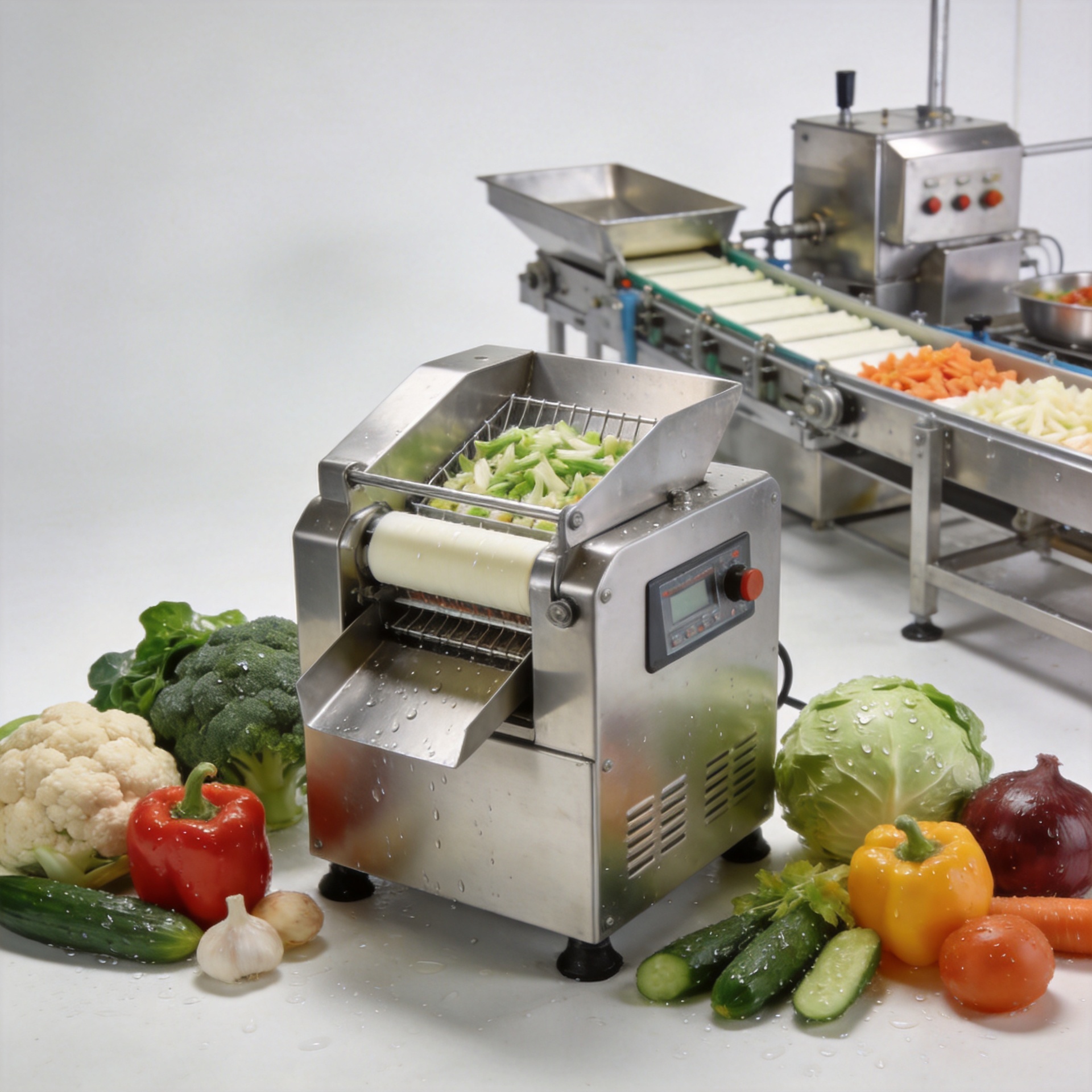
A commercial tahini line may include cleaning, sorting, drying or roasting, cooling, grinding, holding, and packing. A tahini making machine sits inside that sequence. If the upstream preparation stage cannot supply consistent, suitably conditioned sesame, even a capable tahini making machine may produce variable paste texture or force unnecessary stops.
Write down which stages are already available in your plant and which stages belong in the new project. For example, ask whether incoming sesame needs removal of dust, stones, or other foreign material; whether your recipe needs roasting; and whether the seed needs cooling before it enters the tahini making machine. These are process questions, not optional accessories.
Also define the product family. A plant making plain sesame paste may have a different requirement from one making flavored spreads, mixed nut-and-seed products, or private-label batches. A sesame grinder selected for one stable recipe may need additional flexibility if frequent recipe changes are planned.
Match grinding duty to texture and production rhythm
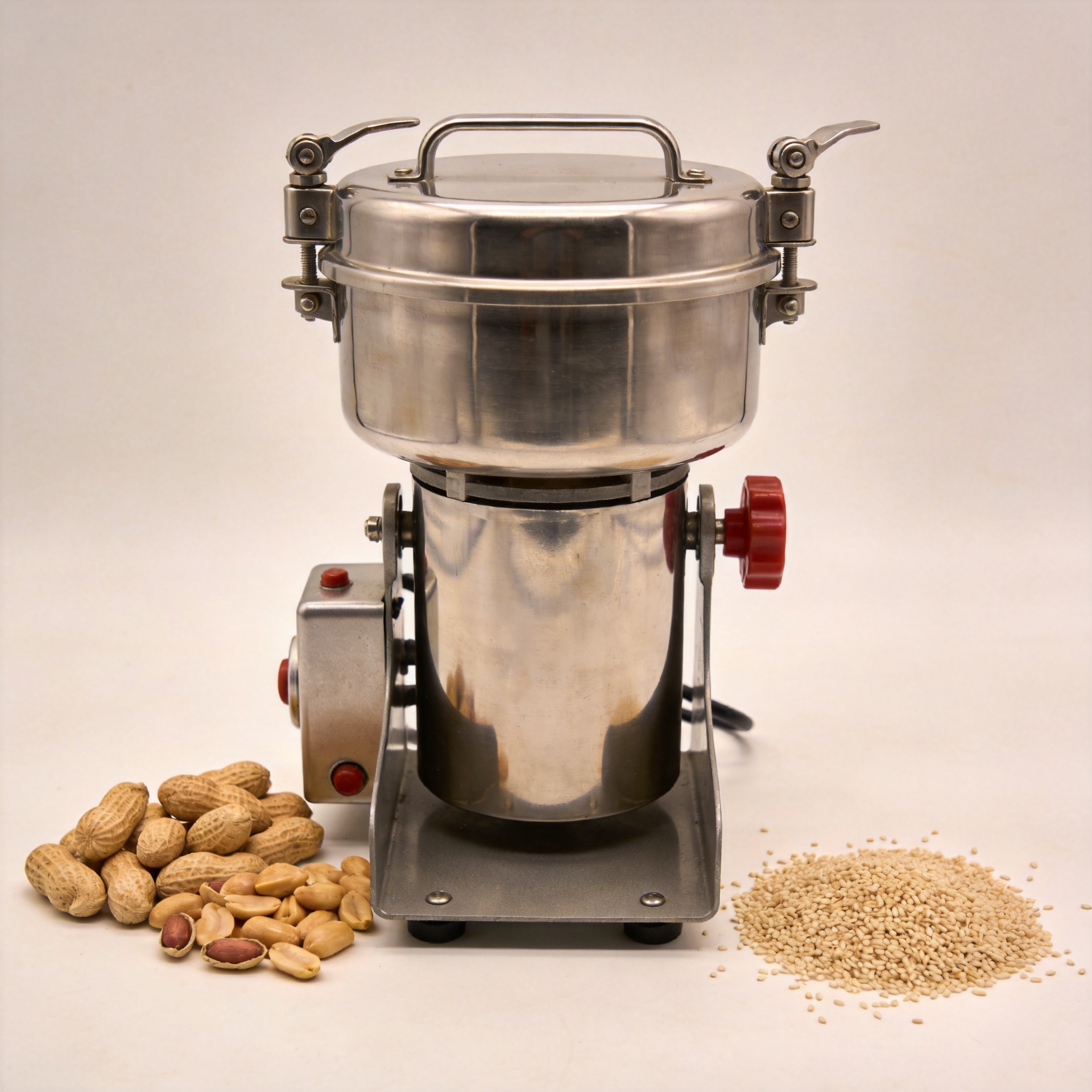
When comparing a tahini making machine, ask the supplier to explain the grinding principle, adjustment method, expected feed condition, and the practical relation between throughput and fineness. Capacity should be understood as part of a line, not as a number in isolation. A tahini making machine that processes material faster than the cooling, holding, or filling stage can handle may create a bottleneck farther downstream.
Texture targets should be stated in operational terms: desired mouthfeel, acceptable particle perception, product temperature limits, and consistency from batch to batch. If you plan to compare a stone-style mill with another grinding arrangement, request a discussion of your own sesame, recipe, and output target rather than assuming either approach suits every application.
A useful request for quotation is: “What feed preparation does this tahini making machine require, how is the gap or grinding condition adjusted, and what checks should our team make during trial production?” The answer shows whether the supplier understands the complete task.
Evaluate the tahini making machine as part of a balanced line
The practical capacity of a tahini making machine depends on more than motor size. Review each stage with the same unit of measure—per hour or per shift—and locate the slowest reliable stage. This includes sesame preparation, transfer, grinding, buffer capacity, and packaging. The objective is stable production, not a grinder that briefly outpaces the rest of the system.
| Decision area | What to confirm before ordering |
|---|---|
| Raw sesame | Condition at receiving, cleaning needs, moisture and roasting arrangement |
| Grinding | Texture target, feed method, adjustment procedure, and normal operating checks |
| Line flow | Transfer route, holding time, cooling needs, and filling-line coordination |
| Changeovers | Recipe sequence, cleaning access, parts to remove, and time allowed between products |
| Utilities | Electrical supply, floor layout, ventilation, drainage, and operator access |
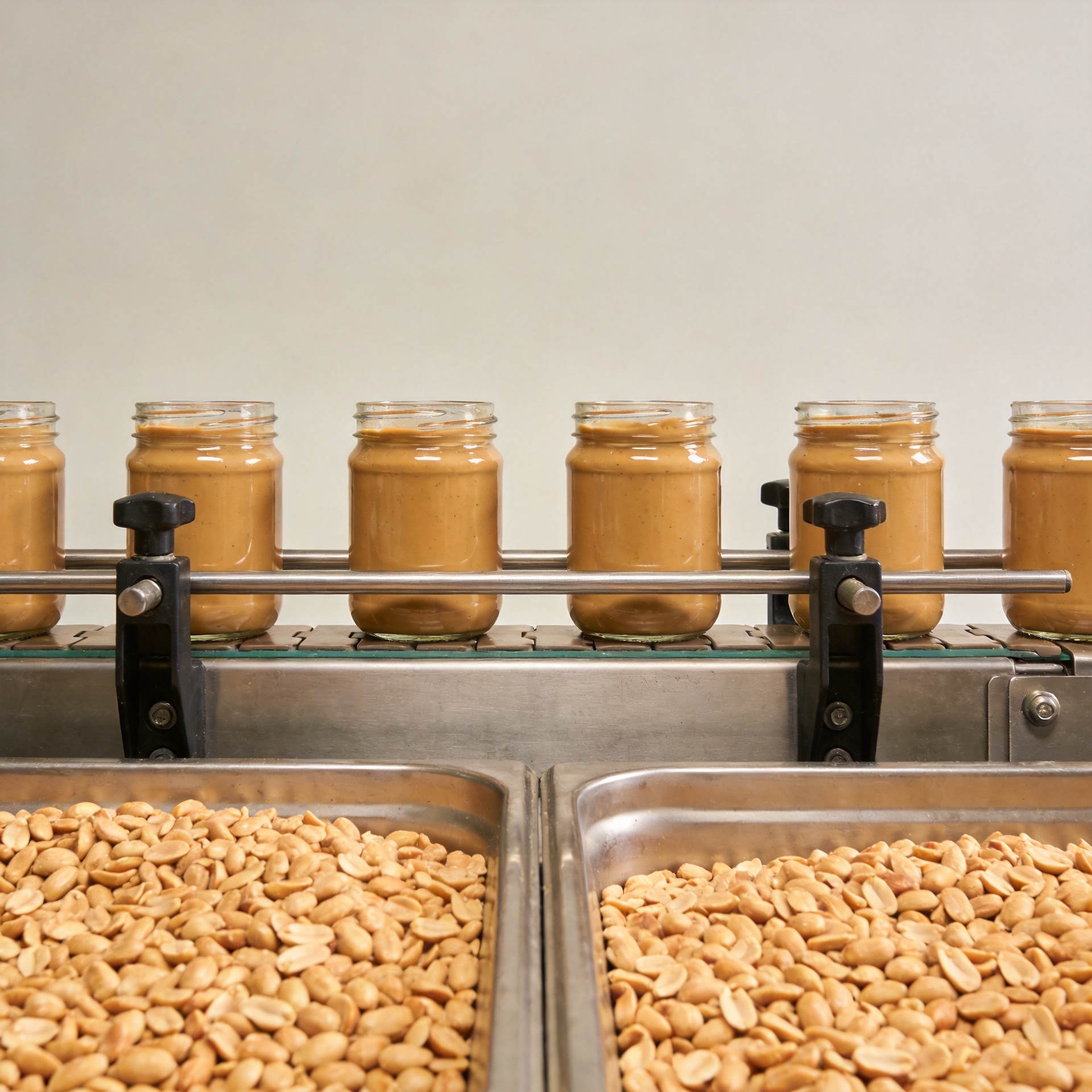
For companies building a broader nut-and-seed spread operation, an industrial automatic peanut butter production line and tahini sesame grinder can be a relevant discussion point. The product page is useful for identifying the equipment category; final configuration should still be confirmed against your ingredients, site conditions, and line plan.
Make hygiene and cleaning part of the equipment decision
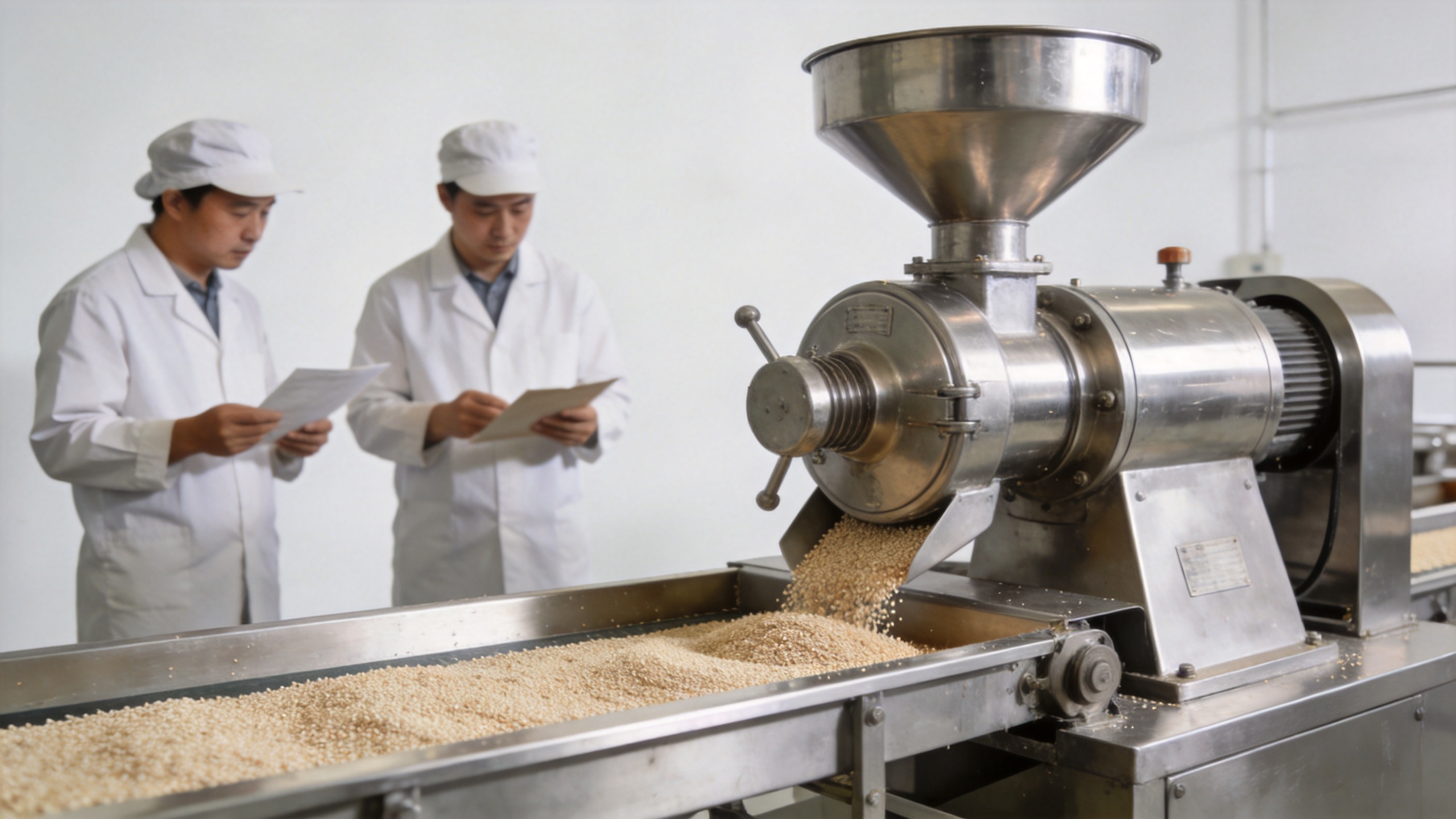
A tahini making machine processes a food that can leave oily residue on contact surfaces. That makes cleanability a buying criterion, not a maintenance afterthought. U.S. current good manufacturing practice requirements state that food-contact surfaces should be nontoxic, appropriate for their use environment, and able to withstand food as well as applicable cleaning and sanitizing procedures. Your local requirements may differ, so verify the standards that apply to your market.
During technical review, ask to see the product-contact route on the tahini making machine. Look for smooth, accessible surfaces; reasonable access to seals and contact components; and a cleaning method that matches your plant’s procedures. Ask where paste can remain after shutdown, how it is removed, and which parts require disassembly. A sesame grinder should be assessed with its transfer pipes, hopper, pumps, and holding vessels, not only at the grinding head.
Do not assume that a stainless-looking exterior answers all hygienic questions. Request the material specification for food-contact parts, the cleaning instructions, and the limits of the proposed design. If your operation requires documented sanitation validation, include that requirement in the enquiry from the start.
Compare automation, controls, and support realistically
Automation can help make a tahini making machine easier to operate, but the appropriate level depends on your team and process. Define who will load material, monitor grinding, manage transfers, record checks, and respond to a stoppage. Controls should support those responsibilities rather than add unnecessary complexity.
For export projects, clarify the drawings, manuals, spare-parts recommendation, remote technical guidance, and commissioning boundaries before purchase. Zhengzhou HongLe Machinery Equipment Co., Ltd. supplies food-processing equipment and can discuss line-planning needs with overseas buyers. Treat any supplier conversation as a technical review: share your throughput target, available utilities, layout restrictions, and the recipes you intend to run.
Use this enquiry checklist before requesting a quotation
- Describe the sesame raw material and all preparation steps before the tahini making machine.
- State the target output per hour or per shift, plus expected operating hours.
- Define texture, recipe range, and the expected frequency of product changeovers.
- Request the complete product-contact material list and cleaning procedure.
- Ask how the tahini making machine connects to cooling, holding, and packing equipment.
- Confirm utility requirements, floor footprint, installation access, training, and spare-parts scope.
- Ask for a trial plan or acceptance criteria based on your own sesame and product target where feasible.
Choose the configuration that fits your operating conditions
The right tahini making machine is the one that fits a defined food-production workflow—not the one with the longest feature list. Start with raw-material preparation, align the grinding task with the desired tahini texture, balance the full line, and inspect cleaning access before you compare quotations. With that information in hand, a supplier can propose a more relevant tahini making machine configuration and your team can evaluate it with clearer acceptance criteria.