EN


How to Choose an Industrial Juice Extractor for High-Volume Processing
For a processor moving from batches to continuous production, choosing an industrial juice extractor machine is less about finding the largest nameplate capacity and more about matching the machine to the fruit, the shift plan, and the downstream line. A practical buying decision starts with the feed material, not the brochure. Apples, berries, mango, citrus, tomatoes, leafy vegetables, and mixed fruit pulp do not release juice in the same way, and the right industrial juice extractor machine must handle their texture, fiber, seeds, peel, and seasonal variation.
From a procurement perspective, the useful question is: “What stable output do we need after washing, sorting, extraction, finishing, and cleaning?” That wording changes the selection process. A machine rated for a certain throughput can only meet the plan when feed preparation, operator routines, discharge handling, and maintenance access support it. This guide compares the factors that matter when selecting an industrial juice extractor machine for high-volume processing.
Start with the real production target, not the headline rating
Define capacity in terms your plant can verify: kilograms or tonnes of prepared fruit per hour, expected juice output, operating hours per shift, changeover time, and allowed downtime. Then leave room for variation in fruit maturity, sugar content, fiber level, and feed consistency. These conditions can change how an industrial juice extractor machine fills, presses, separates solids, and discharges pomace.
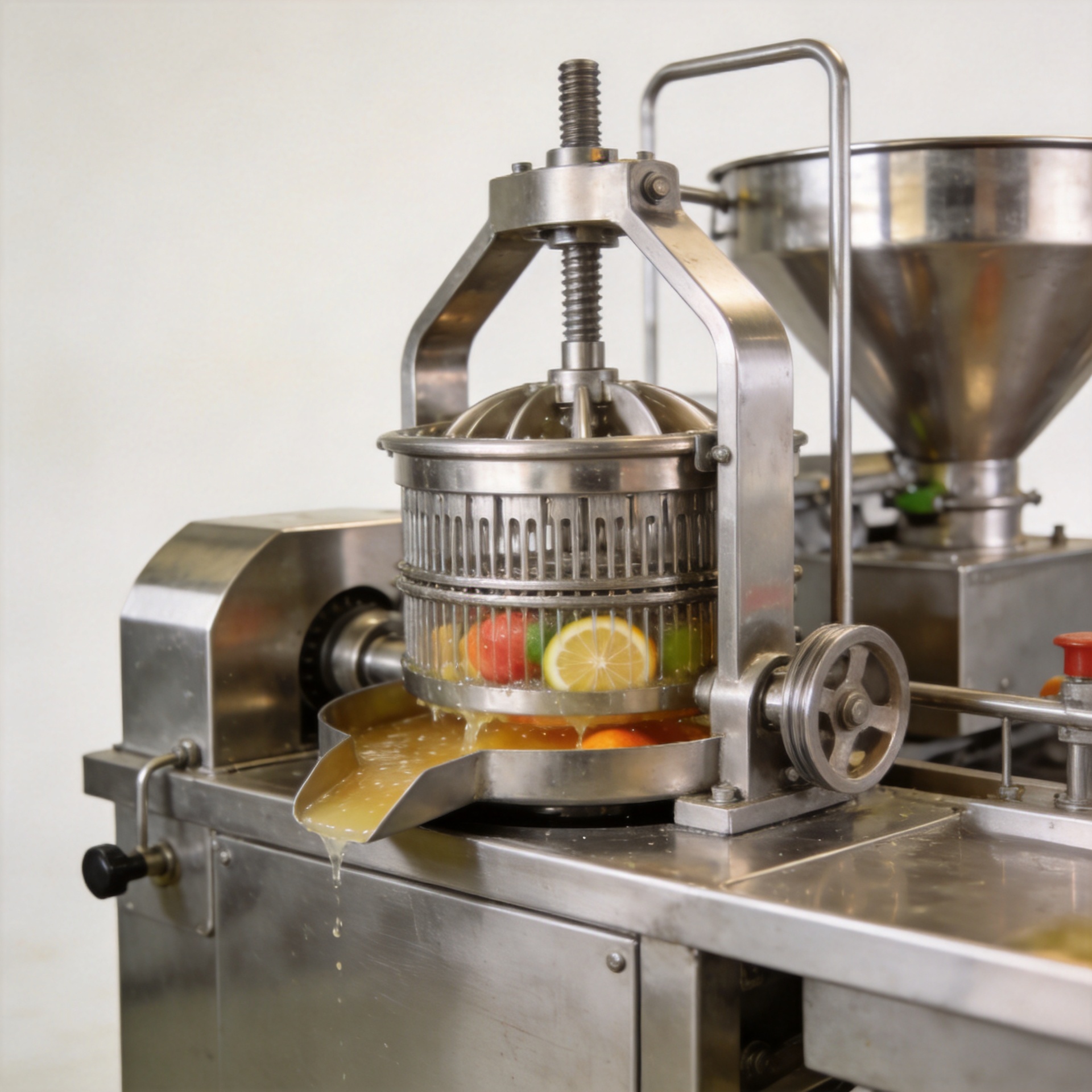
Ask suppliers to distinguish between inlet capacity and finished juice output. The two figures are not interchangeable. A screw press, for example, may be appropriate for a fibrous fruit or vegetable stream, but its actual result depends on pretreatment, screen selection, pressure settings, and the material itself. The same principle applies to an industrial orange juicer machine: fruit size, peel condition, and the desired separation of juice from peel contact affect the process design.
- Document the minimum, normal, and peak hourly feed rate.
- Confirm whether the industrial juice extractor machine can run continuously or needs planned pauses.
- Check the capacities of washing, crushing, pulp finishing, holding tanks, and pasteurization around it.
- Request a test using representative material where practical, with agreed acceptance criteria.
Match the extraction method to the fruit and product specification
There is no universal extraction method for every fruit and product target. A screw press is often considered where controlled compression and pomace separation suit the feedstock. Citrus extraction equipment is designed around a different task: recovering juice while managing peel and oil carryover. Pulper-finisher arrangements may be more relevant when the target product includes a controlled amount of pulp. In other words, the industrial juice extractor machine should be selected as part of a process, not as an isolated purchase.
| Decision point | What to evaluate |
|---|---|
| Feed condition | Whole, cut, crushed, peeled, deseeded, or preheated material; fiber and seed content. |
| Product target | Clear juice, cloudy juice, puree, nectar base, or juice with defined pulp content. |
| Separation result | Juice yield, moisture in pomace, solids carryover, foam, and consistency across shifts. |
| Line integration | Infeed control, screw or pump transfer, finishing, CIP routing, and discharge handling. |
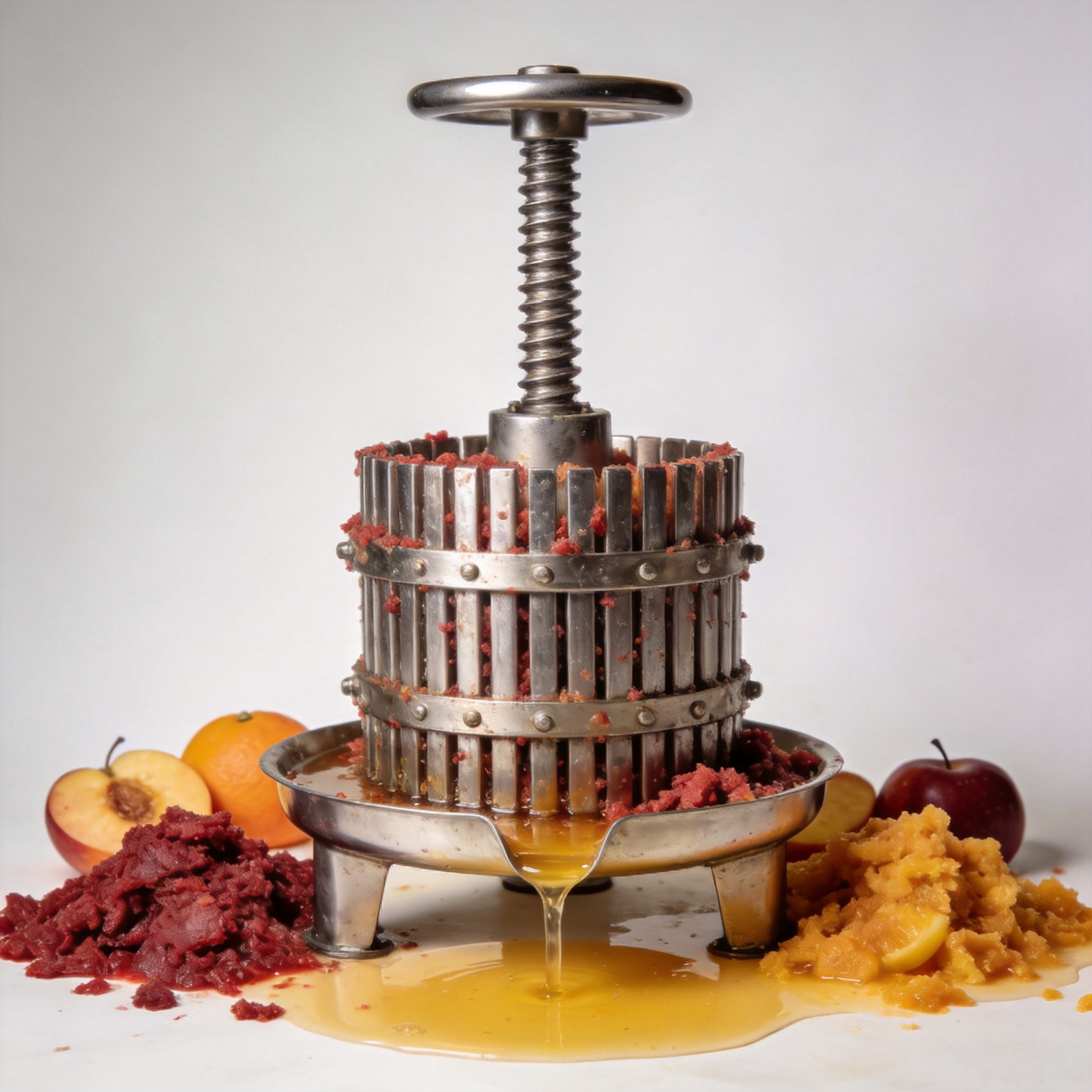
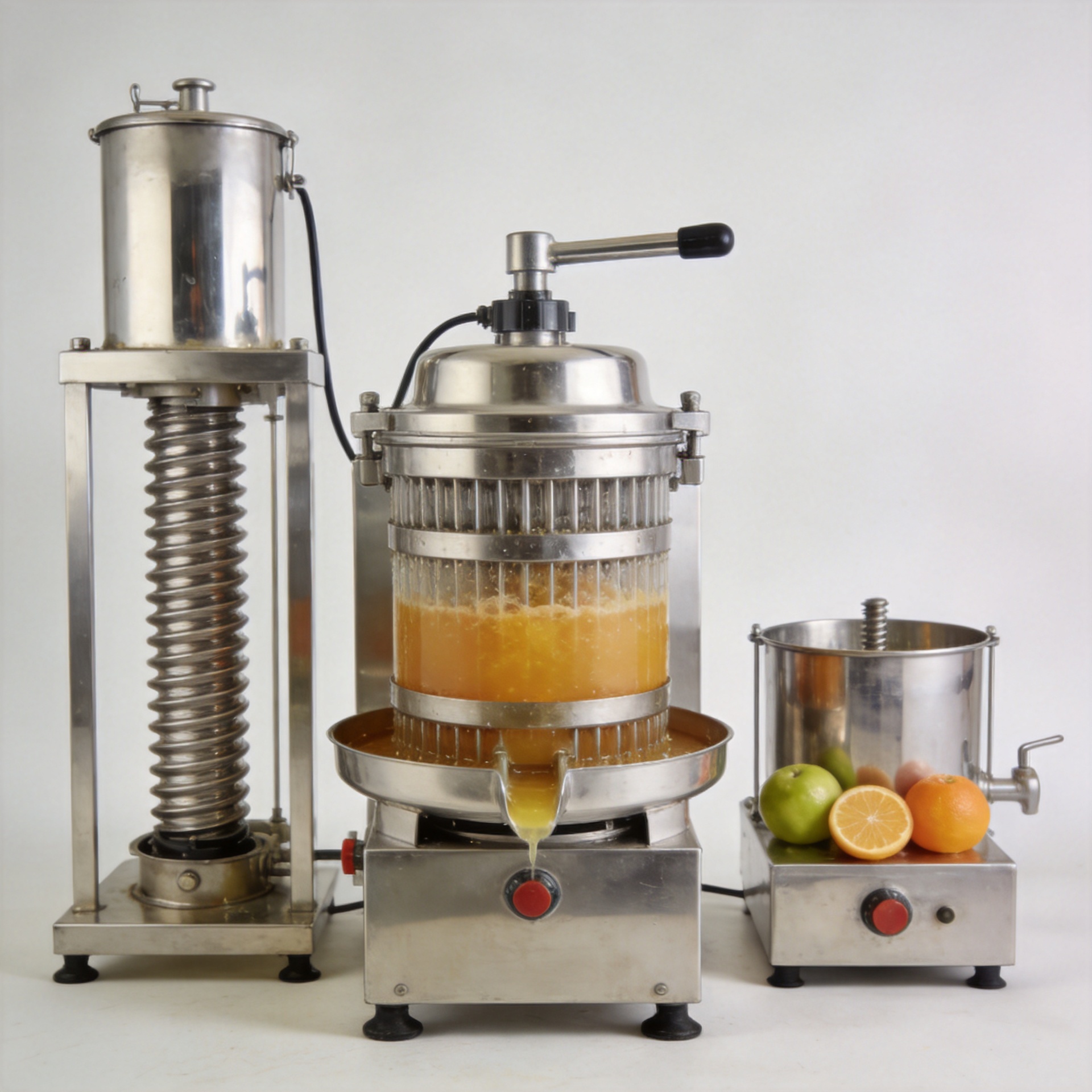
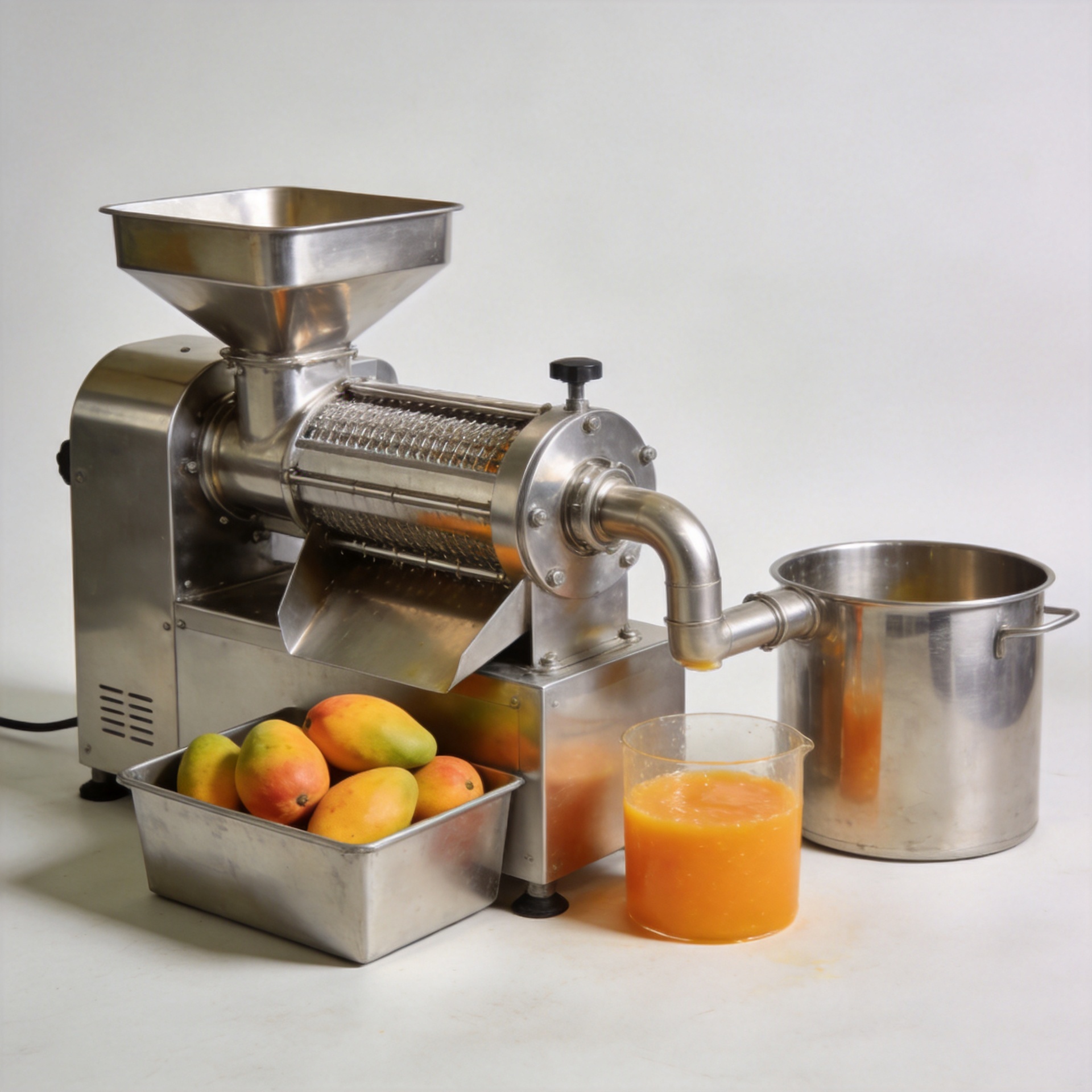
For buyers reviewing a screw-press route, this food-grade SUS304 screw press for fruit and vegetable processing is listed with a supplier-stated 0.5–1 T/H capacity range and an 80% juice-yield claim. Treat these as a starting point for technical discussion, not a universal outcome: verify the result with your actual fruit, preparation method, and finished-product specification.
Make sanitation and cleanability part of the capacity calculation
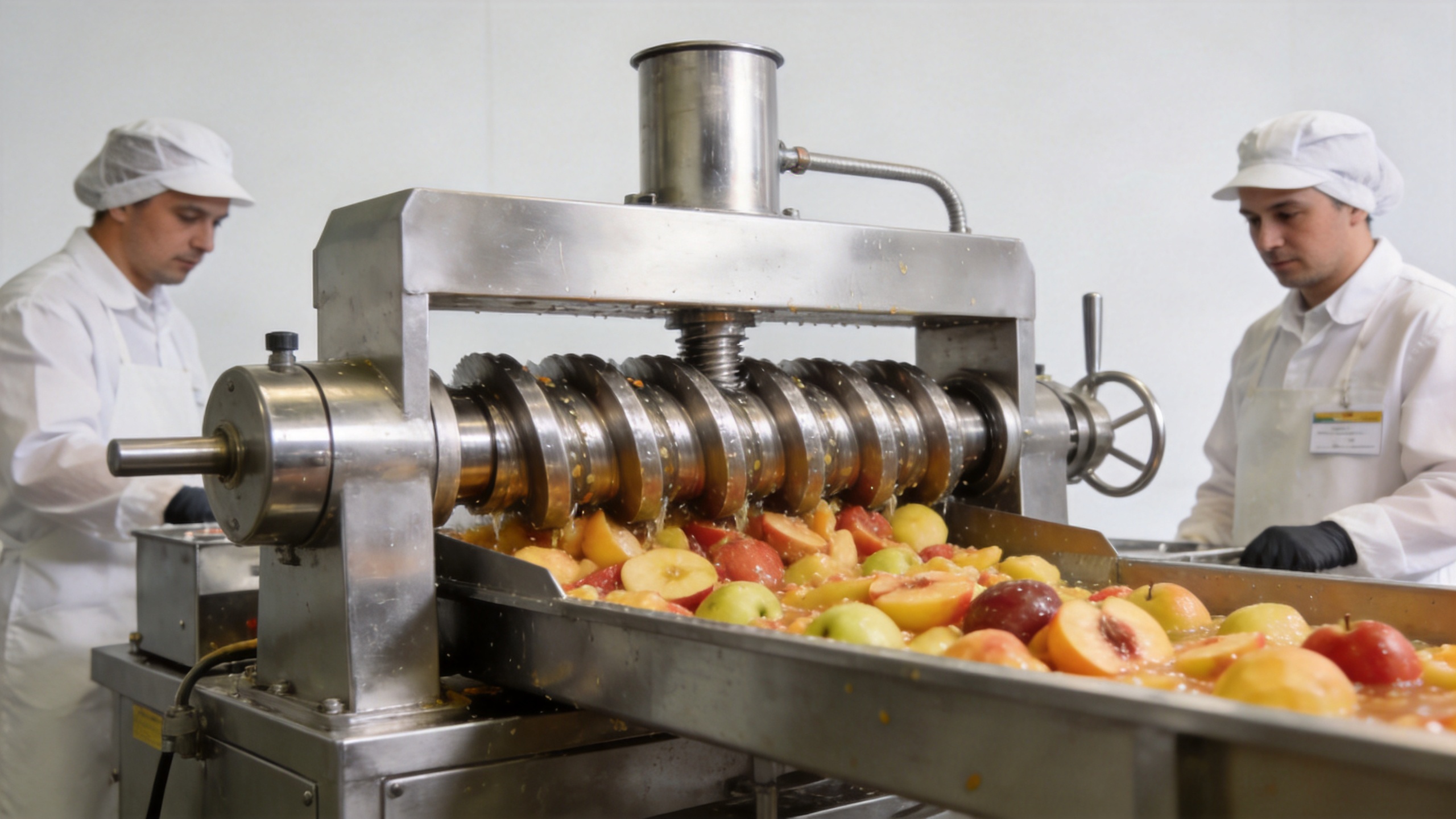
A high-capacity industrial juice extractor machine that is slow to clean can become the bottleneck at every changeover. Food-contact surfaces, drainage, removable screens, seals, inspection points, and access around the machine all influence how reliably the plant can meet its hygiene routine. The FDA’s juice HACCP guidance highlights the importance of hazard analysis, sanitation controls, and process-specific extraction controls. For citrus operations in particular, buyers should discuss how the selected industrial orange juicer machine helps manage juice and peel contact within the validated process.
Do not reduce this review to a single steel grade. Confirm the actual food-contact materials, surface finish where relevant, gasket compatibility, cleaning-chemical compatibility, and whether operators can inspect and clean the areas where pulp accumulates. A well-specified industrial juice extractor machine should support your sanitation standard without creating excessive disassembly time.
Evaluate operating cost, service, and integration risk
The purchase price is only one part of the decision. The first purchase often focuses on the machine price; the next one usually pays more attention to wear parts, screen life, seals, bearings, power demand, water use, cleaning time, and service response. A lower-cost industrial juice extractor machine can be expensive if it causes frequent stoppages or requires parts that are difficult to obtain in the destination market.
Ask for a clear list of routine service points, recommended spare parts, electrical requirements, drawings, and commissioning responsibilities. For export projects, remote technical guidance, operating documentation, and a practical spare-parts plan matter as much as the initial configuration. Zhengzhou HongLe Machinery Equipment Co., Ltd. positions its food-processing equipment support around line-planning discussions and post-delivery technical guidance; buyers should still confirm the scope, response path, and included documents in the quotation.
Use a pre-order checklist before selecting an industrial juice extractor machine
- Provide the supplier with the fruit types, hourly feed target, seasonal range, and desired finished product.
- Map the upstream and downstream equipment so the industrial juice extractor machine does not outrun or starve the rest of the line.
- Compare extraction methods against a defined sample and acceptance criteria.
- Review hygiene access, cleaning routine, food-contact materials, and discharge points with production and quality teams.
- Confirm utility needs, footprint, control interface, wear parts, training, installation, and after-sales support.
- Put capacity assumptions, yield-test conditions, delivery scope, and acceptance terms in writing.
Choose for stable output rather than maximum claims
The right industrial juice extractor machine is the one that delivers repeatable output within your actual fruit mix, staffing model, sanitation schedule, and line layout. If your priority is a large, steady production volume, favor a documented process match over a broad claim. Compare the extraction principle, verified capacity conditions, cleanability, integration plan, and long-term support together. That approach gives a high-volume processor a stronger basis for selecting an industrial juice extractor machine that can keep working after the first production week.