EN


How to Choose an Industrial Juicer for Mango, Citrus, and Mixed Produce
Choosing a juicer machine for an industrial line is not the same as choosing a countertop appliance. Mango pulp, citrus juice, and mixed fruit-and-vegetable beverages place very different demands on feeding, separation, cleaning, and downstream handling. A suitable juicer machine starts with the raw material, then aligns extraction method, capacity, hygiene, and integration with the rest of the process.
From an industrial equipment selection perspective, the most useful question is not “Which juicer machine fits this process?” It is “Which process route protects the product you want to sell while keeping the line practical to run?” That distinction matters when one plant handles fibrous mango, another produces clear citrus juice, and a third changes recipes across fruit and vegetable blends.
Start with the Product: Juice, Nectar, Purée, or a Mixed Beverage
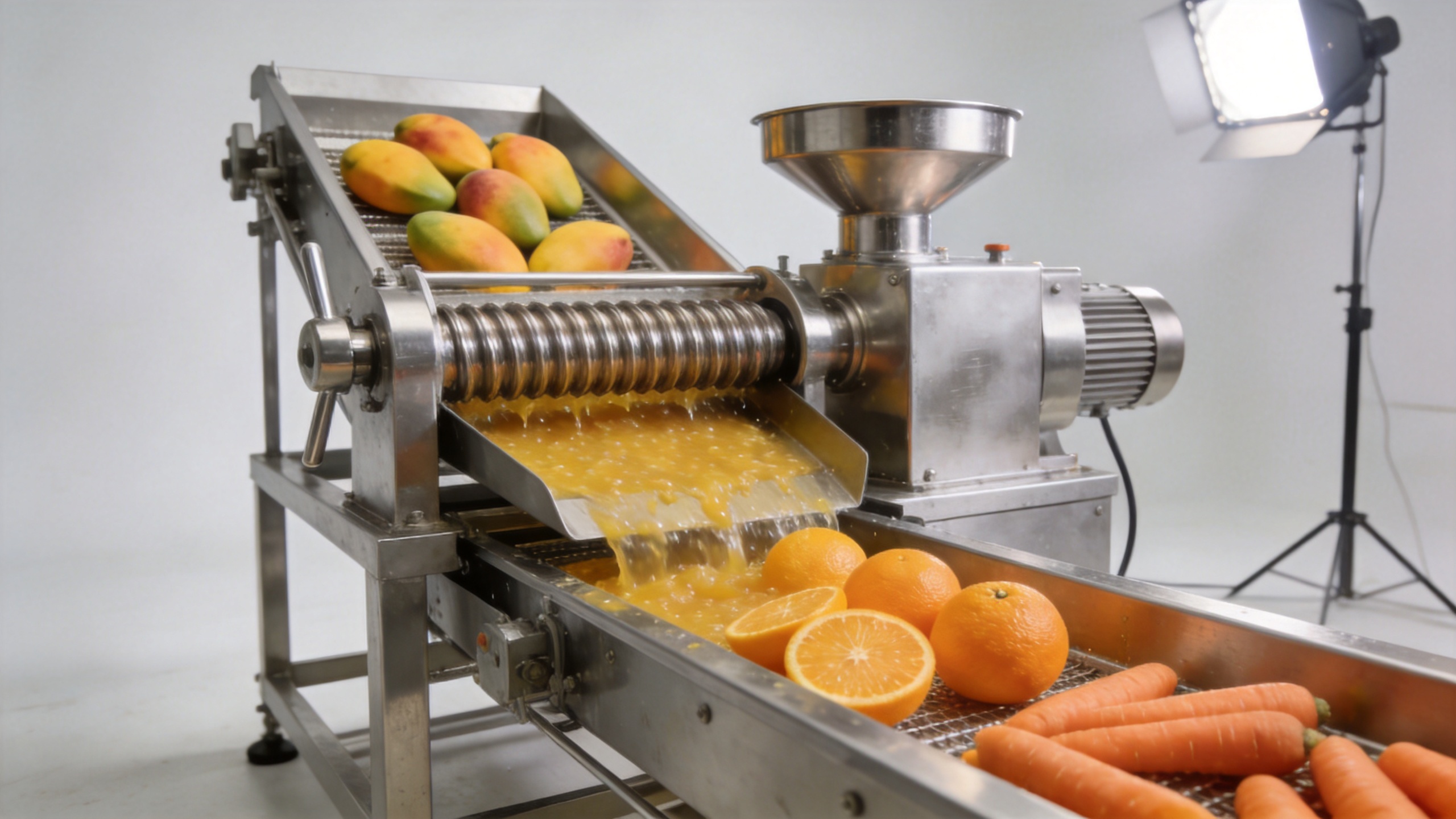
Before comparing a juicer machine, define the target product and the acceptable amount of pulp. Mango is usually a pulping challenge rather than a simple pressing challenge. Its fibrous flesh and large seed mean the line often needs washing, sorting, cutting or destoning, pulping, refining, and controlled separation. For this material, a juicer machine should be evaluated together with the pulper or refiner—not as an isolated unit.
Citrus has a different risk profile. The extraction route must manage peel contact because excessive peel oil carryover can make juice taste bitter. A citrus-oriented juicer machine may therefore use a dedicated extraction approach that separates juice, peel, and oil more deliberately than a general fruit press. If oranges, lemons, or limes are a major product group, ask the supplier to explain the feed preparation and separation path rather than relying only on a capacity figure.
For mixed fruit and vegetable drinks, the right juicer machine depends on whether you need a clear juice, a cloudy beverage, or a high-pulp blend. Apples, carrots, leafy vegetables, berries, and tropical fruit do not release liquid in the same way. A flexible route may use crushing plus screw pressing for some materials and pulping or refining for others.
Match the Extraction Method to Raw-Material Behavior
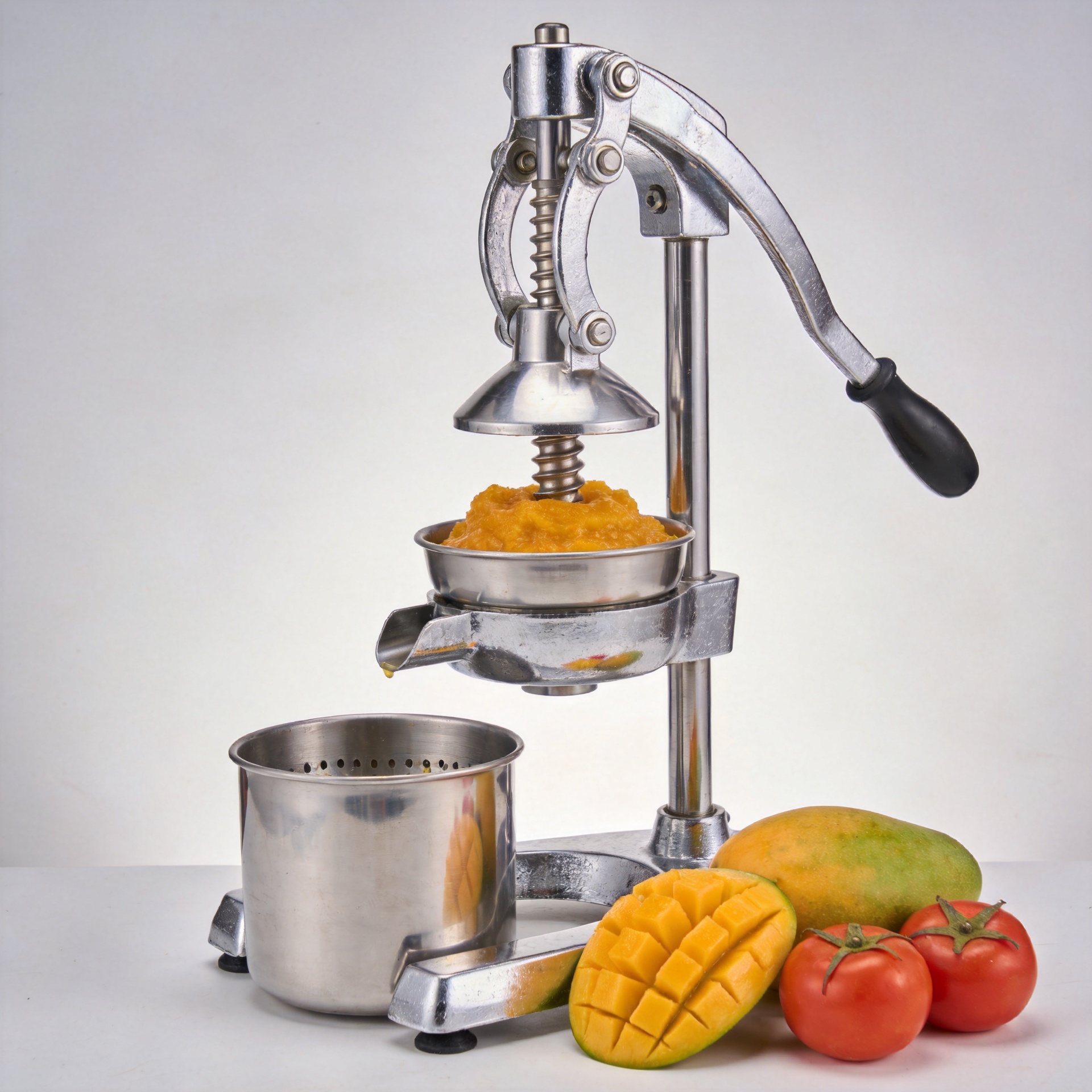
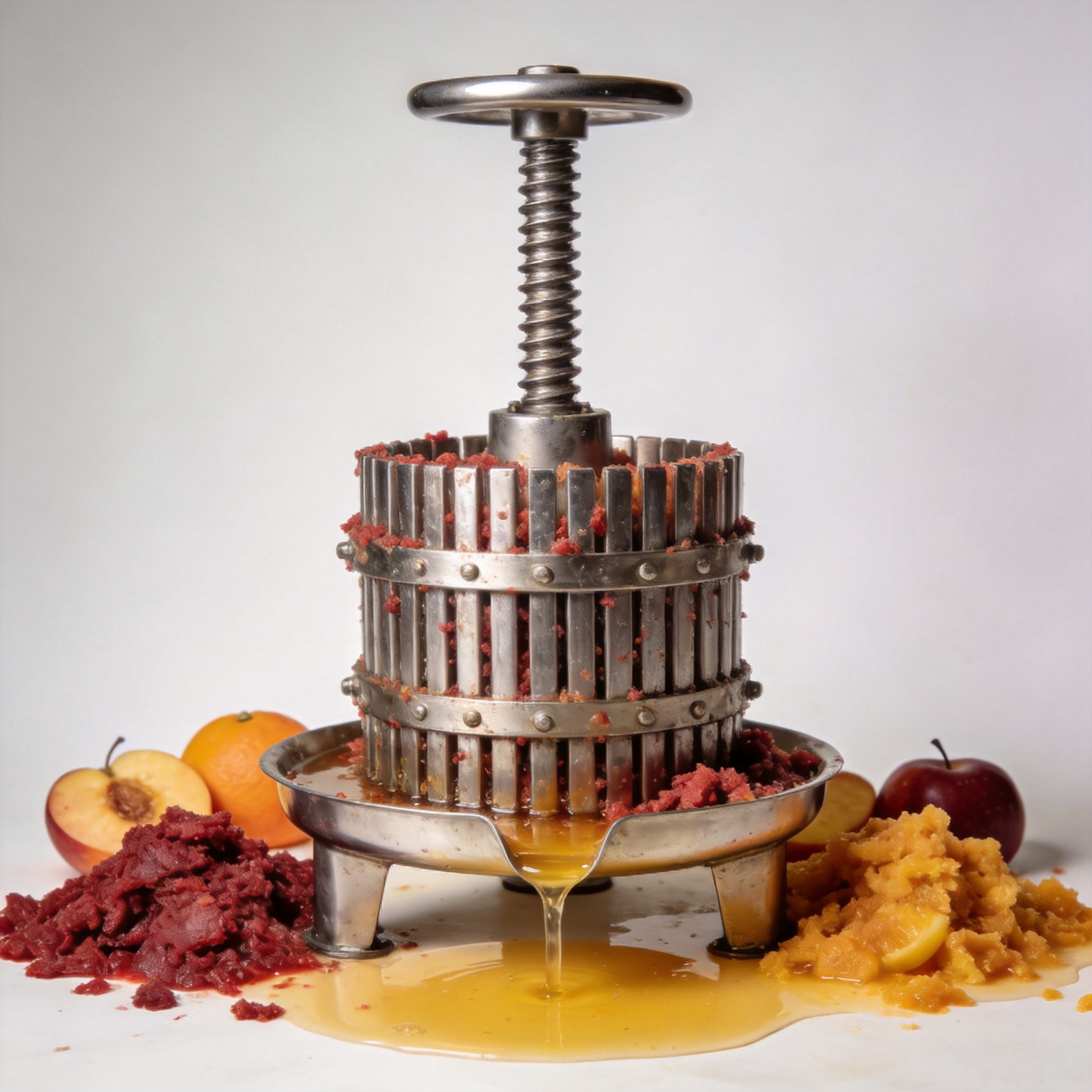
The basic choice is usually between pressing, pulping/refining, or a combined process. A screw-press juicer machine can be a practical option when the material has been prepared into a pressable mash and the aim is to separate liquid from solids continuously. The important point is to confirm how the machine handles skins, seeds, fibre, and variable feed consistency.
| Material profile | Process concern | What to assess in a juicer machine |
|---|---|---|
| Mango and other stone fruit | Fibre, seed, and thick pulp | Destoning, pulping, refining screen options, and cleaning access |
| Oranges, lemons, limes | Peel oil and bitterness control | Dedicated citrus handling, peel separation, and juice/oil management |
| Apples, carrots, root vegetables | Firm feed and pomace discharge | Crushing compatibility, press torque, wear parts, and drainage |
| Mixed fruit and vegetables | Recipe changes and inconsistent feed | Adjustable settings, changeover time, and sanitation between batches |
A larger juicer machine is not automatically the more productive choice. If washing, sorting, cutting, or pulping cannot maintain a stable feed, the extractor will spend time waiting or operating inconsistently. In practice, actual throughput should be discussed as a line result, including preparation, changeover, cleaning, and the downstream tank or filling speed.
Plan Pre-Treatment Before You Size the Machine
Many disappointing projects begin with a narrow focus on the extractor. A juicer machine performs reliably when the incoming material is uniform enough for its feed system. Mango may need washing, peeling or cutting, and seed separation. Citrus may need grading and a route that limits unwanted peel damage. Mixed produce may need a washing stage, inspection, size reduction, and a way to remove unsuitable material before it reaches the juicer machine.
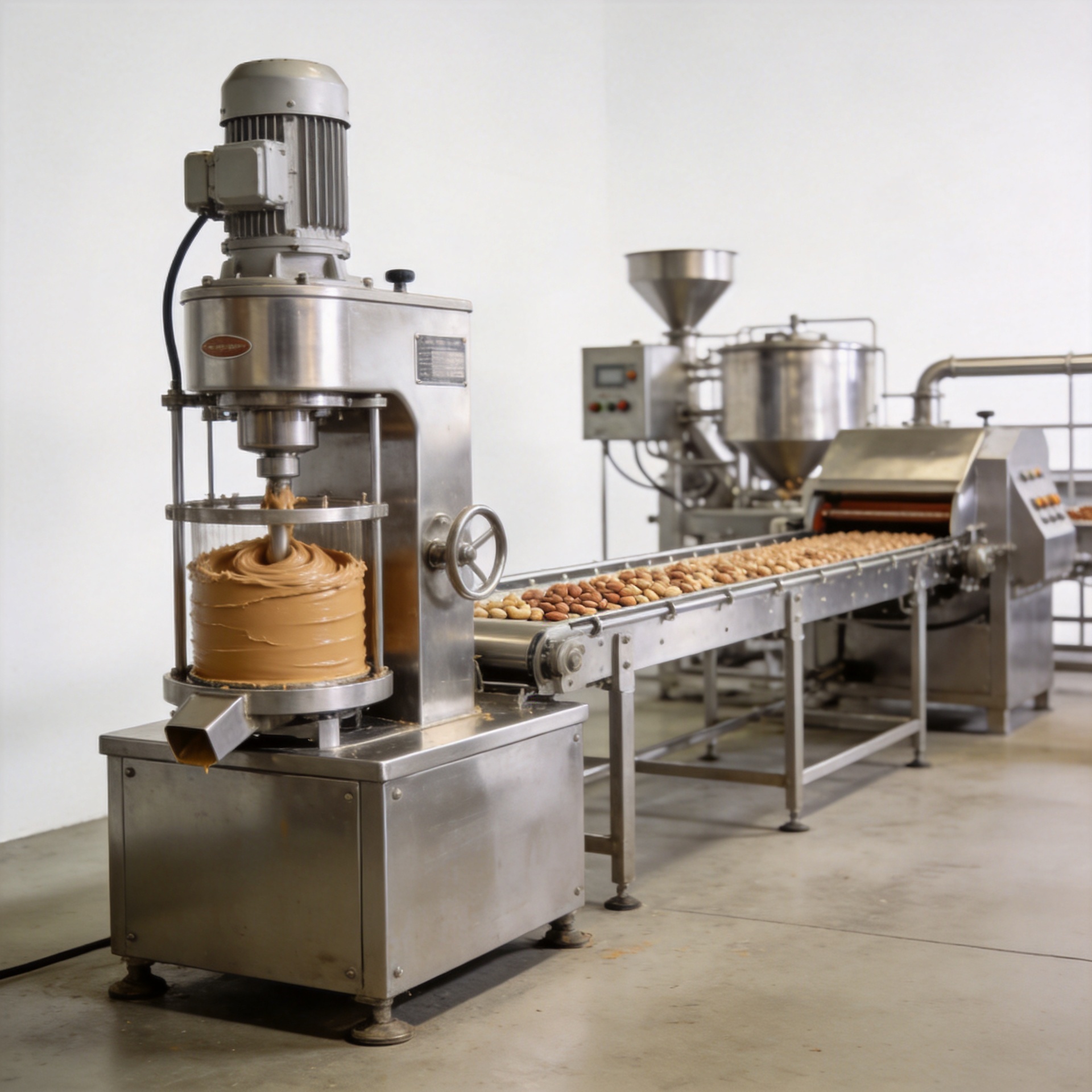
Ask for a process flow drawing that identifies each transfer point: wash water removal, elevator or conveyor feed, crushing, extraction, pulp or pomace discharge, collection tank, filtration, pasteurization, and filling. This makes hidden constraints visible. For example, a high-output juicer machine can create a bottleneck if the next tank, pump, or filter is too small for the flow and pulp level.
Evaluate Capacity with Operating Time, Not Only Nameplate Numbers
Capacity is meaningful only when the product, feed condition, and operating pattern are specified. When comparing a juicer machine, provide the supplier with hourly raw-material input, expected shift length, target finished product, and recipe-change frequency. Then ask what the stated output assumes: continuous feeding, a particular fruit maturity, a fixed screen, or a certain pulp level.
It is tempting to buy one size above current demand for future growth. That can be sensible when expansion is documented, but excess capacity also raises investment, cleaning volume, and the challenge of running short batches efficiently. The more balanced decision is a juicer machine that meets current production with room for realistic growth and has a clear route for upstream or downstream expansion.
Make Hygiene and Changeover Part of the Purchase Decision
For beverage production, the easiest juicer machine to clean may be more valuable than one with a marginally higher nominal output. Check product-contact materials, drainage, access to screens and screw assemblies, seals, dead zones, and whether the design fits your planned cleaning procedure. If you will process mango in the morning and citrus or vegetables later, cleaning discipline becomes a product-quality requirement as well as a labour issue.
Do not treat sanitation as a final installation detail. Confirm how the juicer machine connects to your pumps and pipes, whether cleaning-in-place is feasible for the surrounding line, and how operators remove trapped fibre or residue safely. A supplier demonstration is useful, but it should include practical cleaning and reassembly steps, not only a short run with ideal fruit.
Check Integration, Service, and Product Evidence
For a line built around screw pressing, you can review the Food-Grade Screw Press for Fruit & Vegetable Processing as one confirmed product reference, then verify fit against your own material trials and line design. Its title alone does not determine suitability; the feed condition, pulp requirement, and process layout still decide whether this type of juicer machine belongs in the solution.
Supplier evaluation should also cover commissioning support, spare-part identification, electrical requirements, documentation, and remote troubleshooting. For export projects, check packing, local utilities, operator training, and the availability of wear parts before agreeing on the final juicer machine configuration. These questions often influence long-term uptime more than a small difference in initial price.
A Practical Selection Checklist
- List every fruit and vegetable, including seasonal varieties and expected maturity range.
- Define whether each product is clear juice, cloudy juice, nectar, purée, or a blended drink.
- Map the required pre-treatment before the juicer machine: washing, sorting, cutting, crushing, peeling, or destoning.
- Specify target input per hour and the true operating schedule, including cleaning and changeovers.
- Confirm pulp handling, pomace discharge, tanks, filtration, pasteurization, and filling compatibility.
- Request a trial plan using representative material and define what will be measured.
- Document cleaning access, spare parts, commissioning, training, and acceptance conditions.
Choose the Process Route, Then the Equipment
The most suitable industrial juicer machine is the one that fits your material, product style, and production rhythm. Mango lines generally need careful pulp and seed management. Citrus lines need controlled extraction that respects peel-oil effects. Mixed fruit and vegetable operations need flexibility, disciplined changeovers, and compatible upstream and downstream equipment.
Use the selection checklist to turn broad requirements into a process specification. Once the process route is clear, you can compare each juicer machine on the criteria that matter: product quality, stable throughput, sanitation, integration, and support. That approach produces a more reliable investment decision than comparing machine prices alone.