EN


Mango Pulper Line Layout: From Fruit Receiving to Pulp Extraction
A mango pulper is only one station in a hygienic fruit-processing flow. Its performance depends on what reaches its feed hopper: fruit maturity, wash quality, trimming practice, the way rejects leave the area, and how reliably pulp moves away after extraction. For a buyer planning a new line, the useful question is not simply “Which mango pulper should I buy?” It is “How should every zone before and after the mango pulper be arranged so people, fruit, water, waste, and pulp do not work against each other?”
This guide maps a practical layout from receiving through pulp extraction. It is written for food processors comparing a stand-alone mango pulper with a linked processing line, and it focuses on functional decisions rather than unverified output or yield promises.
Start with a one-way product flow
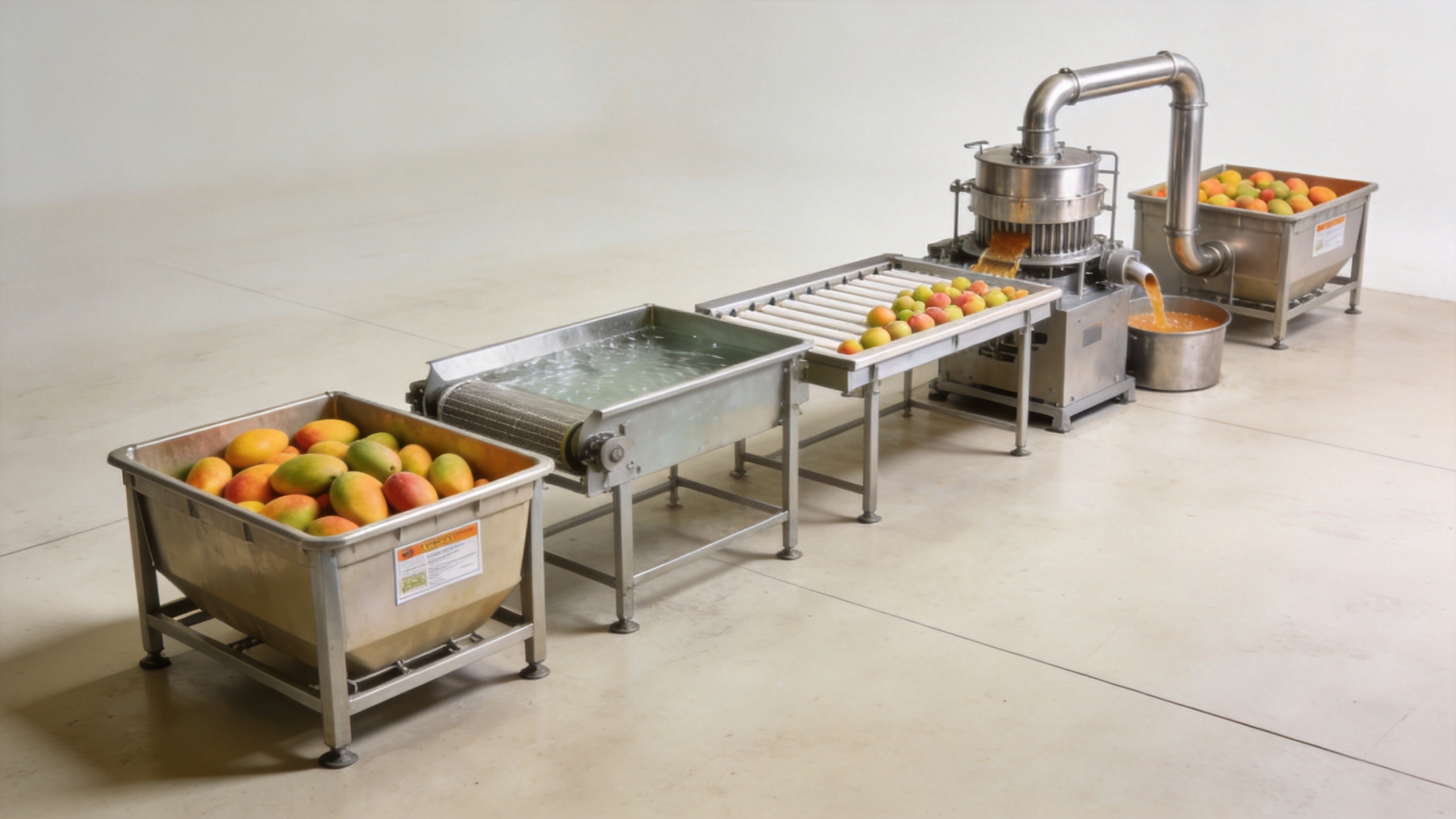
The clearest layout principle is simple: raw mangoes should enter at one end, and extracted pulp should leave toward the next hygienic process at the other. A mango pulper should sit downstream of receiving, inspection, washing, and any required preparation. This reduces unnecessary cross-traffic and makes the line easier to supervise.
Sketch the flow before selecting equipment: receiving and sampling; temporary fruit holding; washing and sorting; preparation or destoning as required by the process; the mango pulper; then a protected pulp outlet leading to refining, holding, heat treatment, or filling. Exact modules vary with the finished product, but the direction of movement should remain obvious to operators and maintenance staff.
Keep three routes separate where possible: the fruit route, the waste route, and the cleaned-pulp route. Peel, stones, damaged fruit, and wash-water solids should not need to pass through the same aisle used for clean pulp transfer. This is a layout decision, not an expensive add-on, and it pays back in simpler daily housekeeping.
Design the receiving and raw-fruit zone around variation
A mango line begins with fruit that is not perfectly uniform. Loads can differ in maturity, size, surface dirt, field debris, and visible damage. Place receiving close to the unloading point, with enough room for sampling, crate or bin handling, and a short buffer. Do not let this buffer become a long, uncontrolled storage area beside the mango pulper; the raw zone should remain clearly upstream.
Give operators a defined place to remove unacceptable fruit before washing. This prevents obvious defects from consuming water, labor, and machine time later. It also helps the mango pulper receive a more consistent feed. Buyers sometimes focus first on nominal capacity. That is understandable, but capacity matching to the actual fruit-preparation rhythm is usually more valuable than choosing the largest unit on a quotation.
Plan floor slope, drainage points, and access for bins or trolleys early. Wet fruit areas need cleaning access and should not create standing-water zones near electrical controls or clean-pulp transfer points.
Place washing and sorting before the mango pulper
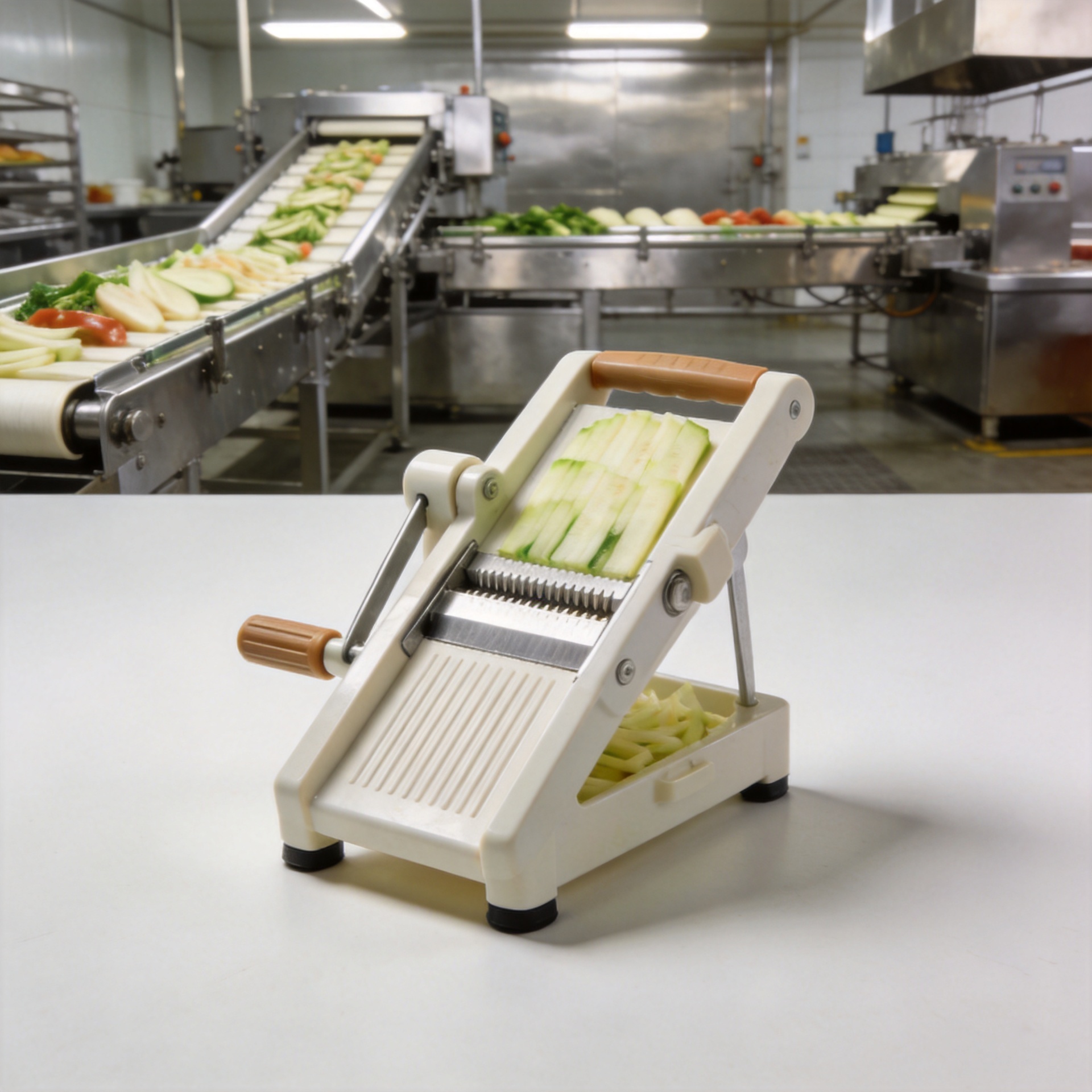
Washing and sorting are not merely preliminary steps; they set the operating conditions for the mango pulper. A practical sequence is a receiving buffer, wash section, inspection point, and a controlled transfer toward preparation and extraction. The wash section should have room for operators to see fruit condition, remove foreign material, and clean around the equipment without blocking the main route.
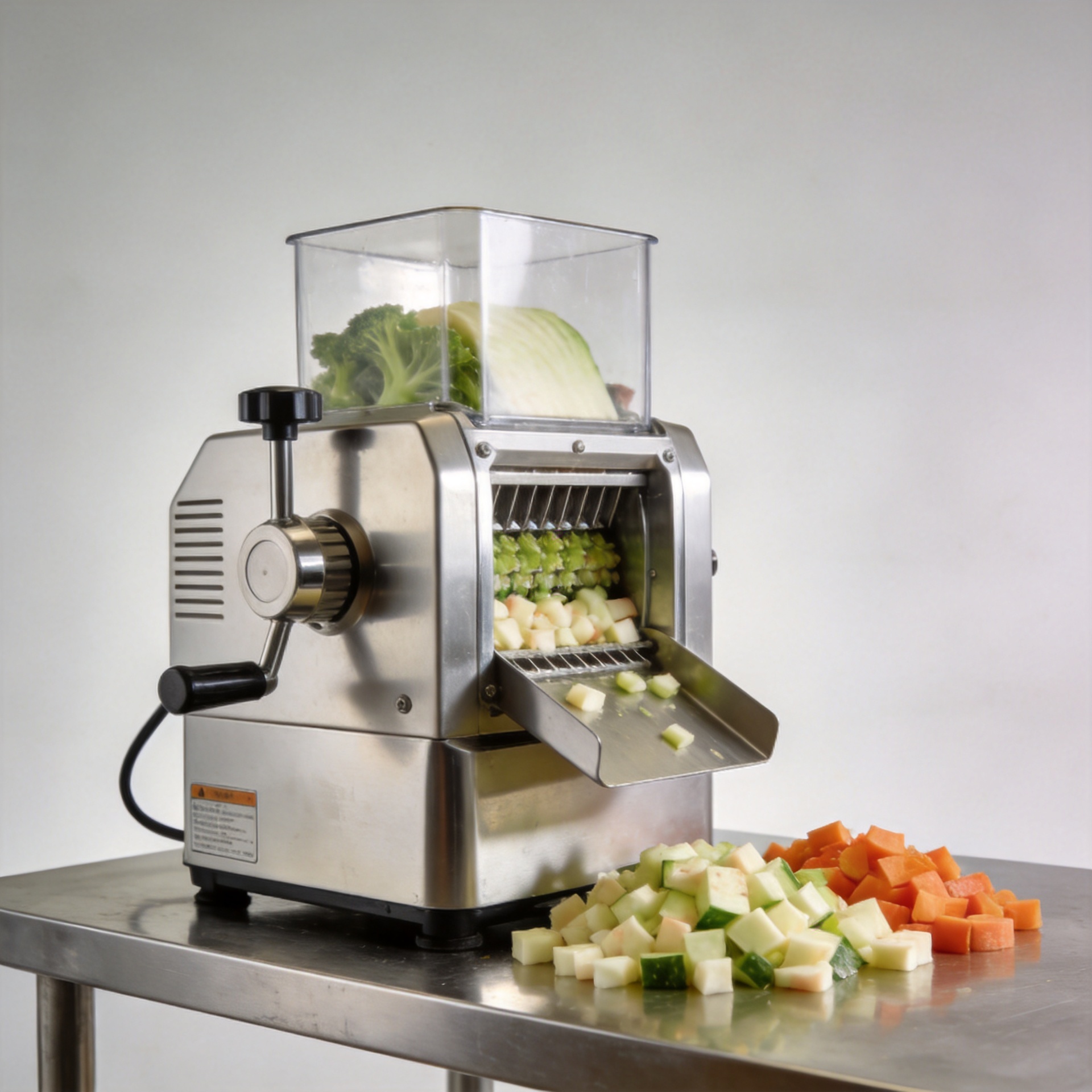
Where the process requires peeling, cutting, or stone removal before extraction, place those functions immediately before the mango pulper. Keep the distance short enough to avoid repeated manual handling, but leave sufficient service clearance. A crowded installation may look compact in a drawing and become difficult to sanitize or repair in real operation.
At this stage, define what happens to rejects. A dedicated collection point beside preparation reduces the chance that skins and stones accumulate near the clean side of the mango pulper. It also makes waste removal easier to schedule without interrupting pulp transfer.
Give the pulping zone service space, not just footprint space
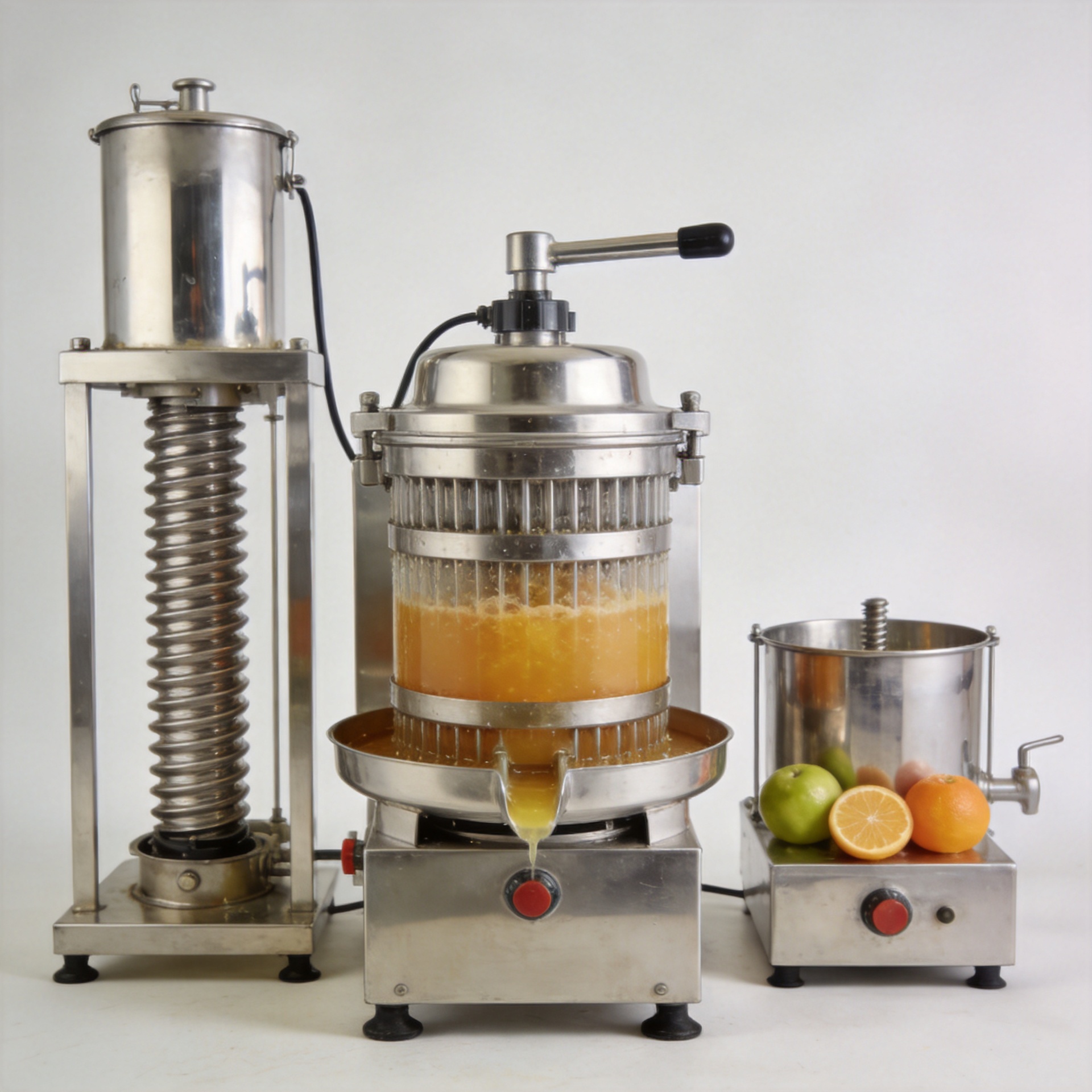
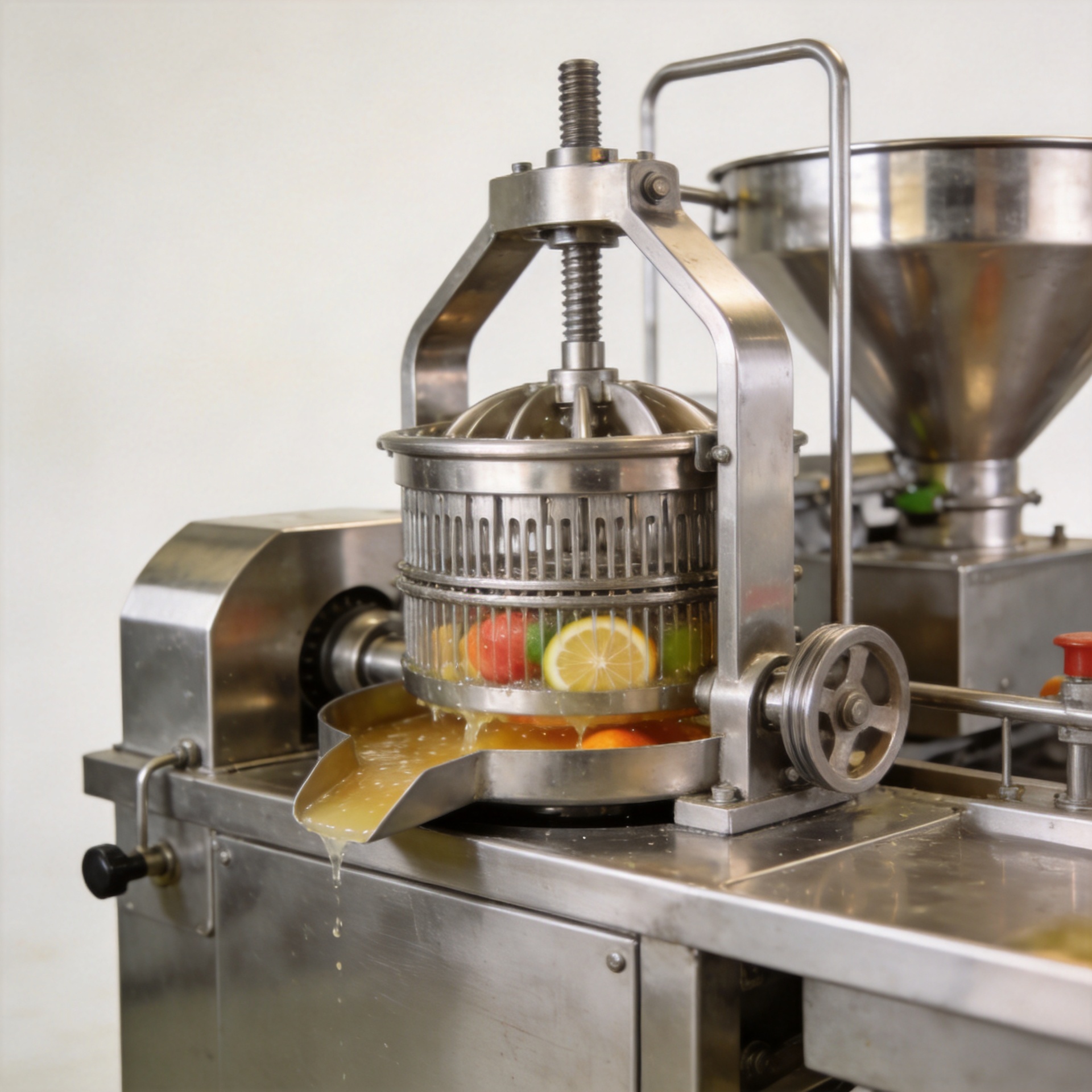
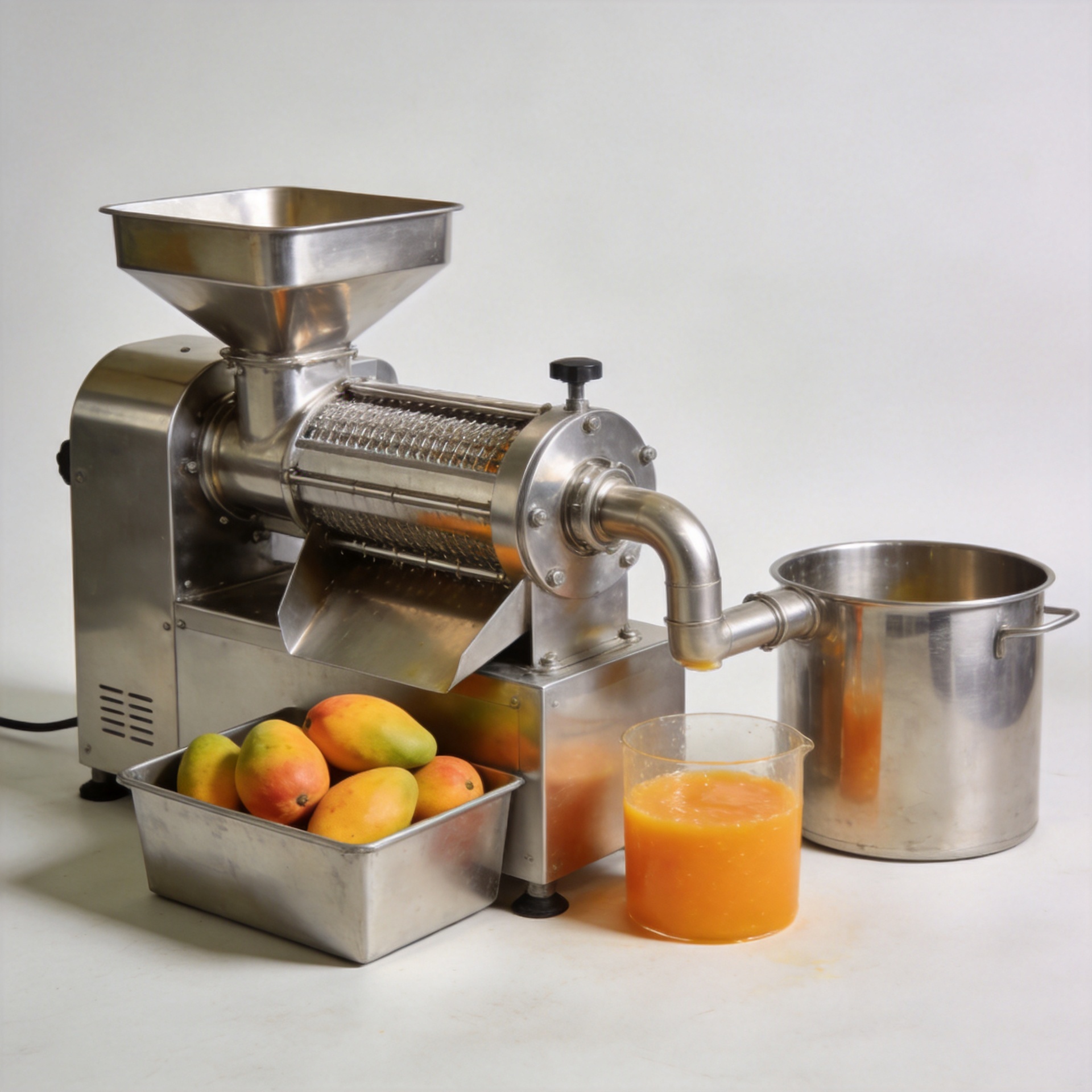
The mango pulper separates usable fruit flesh from non-pulp fractions through a controlled feeding and screening action. A line layout should therefore protect both the inlet and the discharge. Allow room to inspect the feed, access covers or screens according to the machine design, and remove residue during cleaning. Do not position the mango pulper tightly against a wall simply to reduce the building footprint.
Arrange the inlet so prepared mangoes enter steadily rather than in irregular surges. Arrange the outlet so pulp can move by the shortest practical hygienic route to the next process. Long open transfers add handling points and make cleaning more complicated. If a second refining step is specified, locate it as a continuation of the mango pulper zone rather than across an operator aisle.
Utility routing matters here as well. Confirm where power, water, drainage, and cleaning connections will be located before installation. Access around the mango pulper should support safe inspection, routine cleaning, and replacement of normal wear parts. This is one area where a procurement team should look beyond the equipment specification sheet.
Protect the clean-pulp side after extraction
Once pulp leaves the mango pulper, treat the route as a cleaner process zone. Avoid routing raw-fruit bins, peel containers, or wash-down traffic through it. The next equipment may include refining, a balance tank, thermal processing, or filling depending on the product plan, but the layout objective is consistent: keep transfer short, enclosed where the process design requires it, and easy to clean.
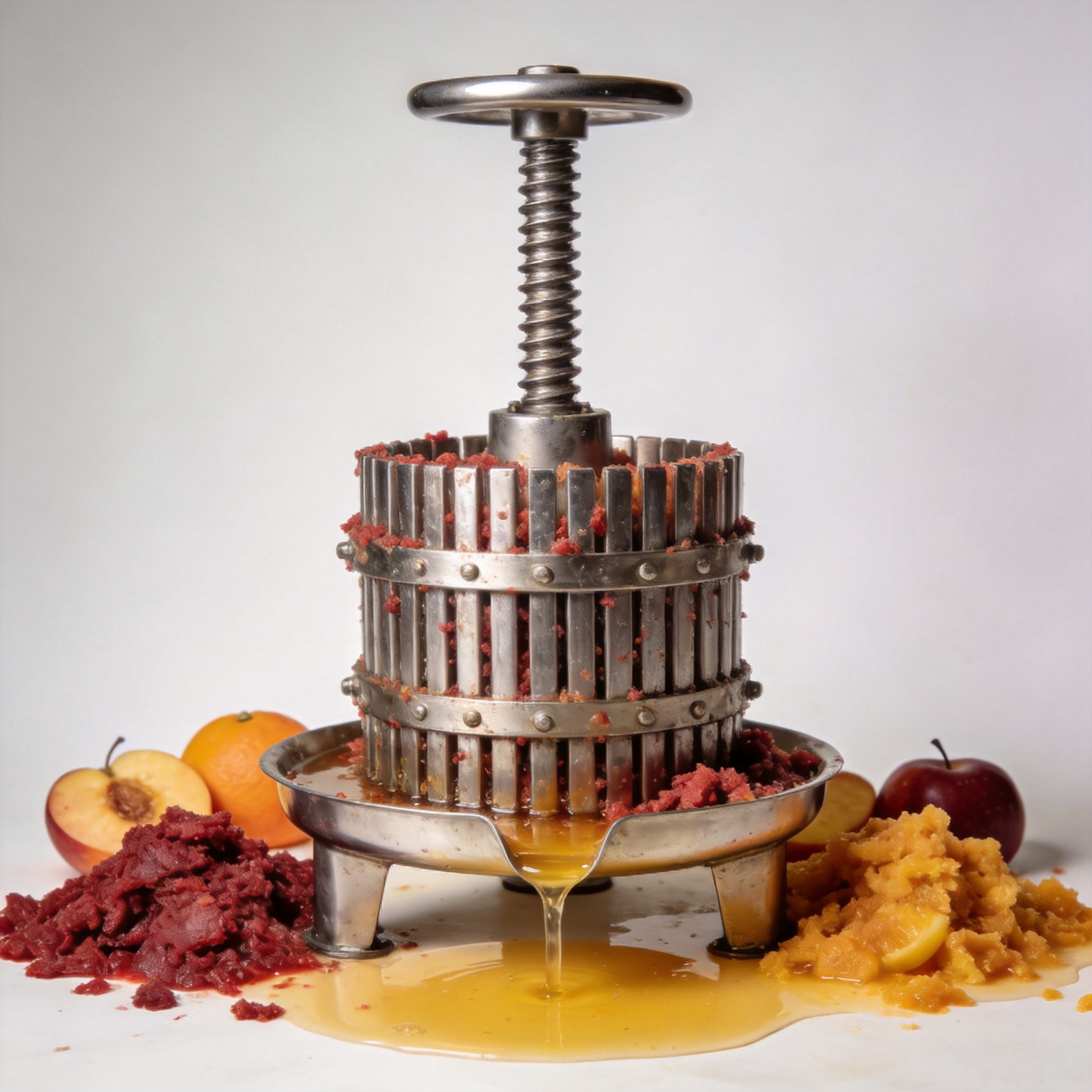
For buyers comparing supporting fruit-processing equipment, a confirmed product page such as Food-Grade Screw Press for Fruit & Vegetable Processing can be reviewed as part of a broader equipment discussion. The correct configuration still depends on the mango recipe, required preparation, and final product process; do not assume a component title alone defines a complete mango-pulp solution.
A buyer checklist before approving the mango pulper layout
- Is there a one-way path from receiving to the mango pulper and onward to clean pulp?
- Can raw fruit, rejects, wash water, and extracted pulp move without crossing each other?
- Does each machine have realistic cleaning, inspection, and maintenance access?
- Is the preparation section sized to feed the mango pulper steadily rather than intermittently?
- Are drainage, electrical controls, utilities, and waste collection planned before equipment is fixed in place?
- Has the supplier explained which decisions depend on fruit condition, capacity target, and downstream product requirements?
Turn a layout sketch into an implementation brief
A good mango pulper layout is a connected operating plan, not a row of machines. Begin with the actual fruit route, reserve space for sanitation and service, and protect the pulp route after extraction. Zhengzhou HongLe Machinery Equipment Co., Ltd. can discuss line-planning considerations based on capacity targets and site conditions, alongside remote technical guidance, operating documentation, and spare-parts support for export projects. Share your fruit condition, target process, available floor space, and downstream handling needs to turn the first sketch into a more useful equipment brief.