EN
EN


Heat Pump Dryer vs. Belt Dryer vs. Microwave Dryer: Which Is Right for Commercial Food Processing?
When I was helping a mid-scale fruit processing factory evaluate their drying line upgrade, the first thing their operations manager said was: "Everyone tells me a different machine is the right one." I understand that frustration. Drying is one of the most energy-intensive operations in food processing, often accounting for 15–25% of total plant energy use — so the wrong choice doesn't just affect product quality; it shows up in your electricity bill every single month.
This guide compares three industrial dryer technologies — heat pump tumble dryer units, belt dryers, and microwave dryers — across five dimensions that matter most for mid-scale commercial food processors: energy consumption, drying uniformity, material suitability, initial investment, and maintenance costs.
Understanding the Three Dryer Types
A quick overview of each technology before the comparison:
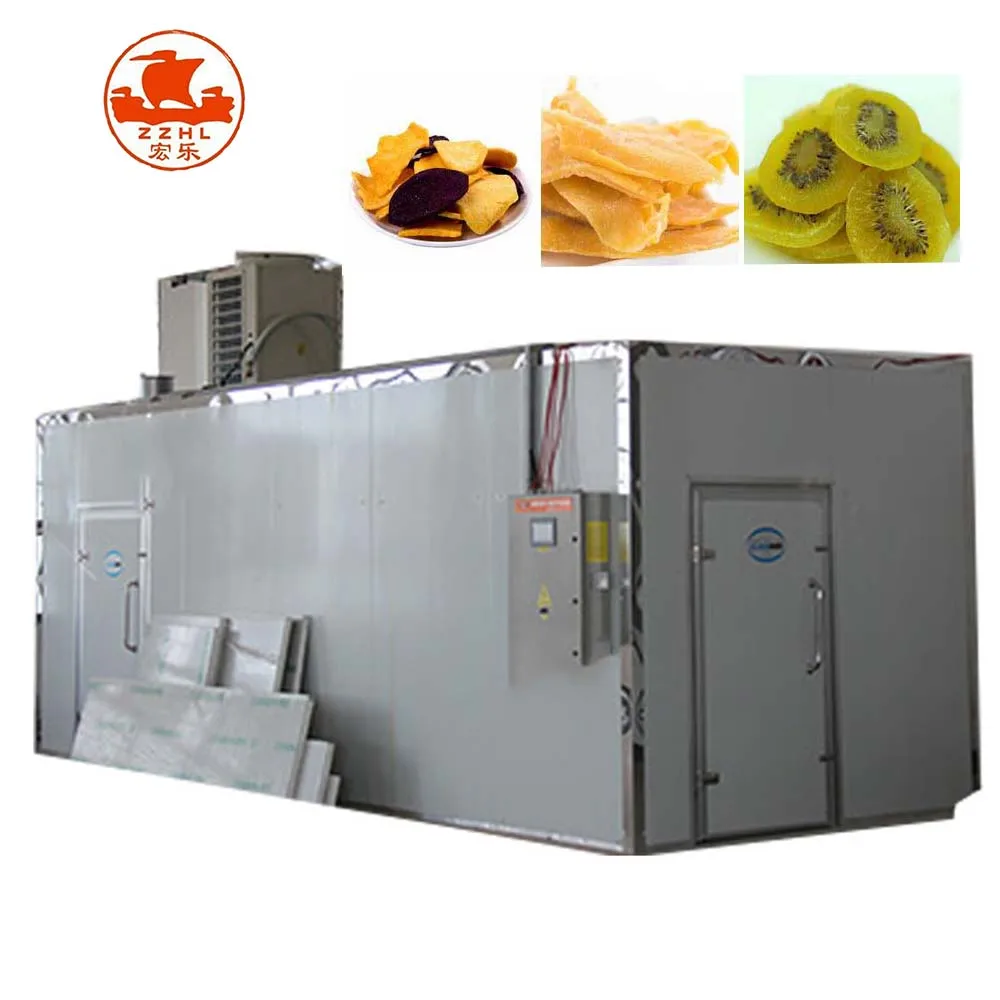
- Heat pump tumble dryer: Recycles heat energy through a refrigeration cycle, drying at lower temperatures while consuming significantly less electricity than conventional hot-air systems. Well-suited to temperature-sensitive food products.
- Belt dryer: A continuous conveyor system that moves product through temperature-controlled drying zones. Widely used for high-throughput vegetable, fruit, and agricultural product dehydration.
- Microwave dryer: Uses electromagnetic energy to heat product from the inside out, enabling very fast drying cycles for specific applications, though with higher upfront complexity.
Energy Consumption: Where Heat Pump Dryers Have the Edge
If operating cost is your primary concern, the heat pump tumble dryer has a clear structural advantage. Research on commercial fruit and vegetable drying shows that a heat pump tumble dryer consumes approximately one-half to one-third of the electricity required by conventional hot-air condenser systems. For food manufacturers, this typically translates to energy savings of 45–65% per tonne of product dried when replacing electric hot-air dryers with a heat pump tumble dryer — meaningful savings when you consider that drying can represent 15–25% of total plant energy consumption.
If your priority is throughput rather than per-unit energy cost, however, the picture shifts. Belt dryers run continuously at scale — production capacities typically ranging from 500 kg/hr to 3,000+ kg/hr — which means the energy cost per unit of output can remain competitive even when hourly consumption is higher. The key variable is your actual production volume and daily operating hours.
Microwave dryers tend to carry the highest energy cost per unit for standalone food drying operation, though hybrid configurations — such as microwave-assisted finish drying after a belt pre-drying stage — can change the economics significantly.
Drying Uniformity and Product Quality
Drying uniformity directly affects product consistency, color, texture, and shelf life — all of which matter when you're supplying retail, export, or food ingredient buyers.
- Heat pump tumble dryer: Low-temperature operation (typically 35–65°C) preserves color, aroma, and nutritional content better than high-heat systems. Batch uniformity is generally reliable for sliced or small whole-piece products.
- Belt dryers: Multi-zone temperature control allows staged drying, which is well-suited to products with high initial moisture content. Uniformity depends on product bed depth and even distribution across the belt width.
- Microwave dryers: Speed is the primary advantage — combined microwave techniques have demonstrated drying time reductions approaching 98% compared to conventional hot-air methods in laboratory settings. However, heating uniformity remains a genuine engineering challenge, particularly for products with irregular shapes or varying moisture distribution. Recent designs report measurable improvements in uniformity, but field performance still varies by product type.
For most mid-scale processors handling fruits, vegetables, or meat products, heat pump dryers and multi-zone belt dryers tend to deliver more predictable quality outcomes across production batches.
Material and Product Suitability
The most important — and often underestimated — selection factor is whether the dryer matches your specific product's moisture profile and heat tolerance. I've seen facilities invest in a fruit dehydrator machine based on price alone, only to discover the drying behavior doesn't work for their core product. Here's a practical summary:
| Product Type | Heat Pump Dryer | Belt Dryer | Microwave Dryer |
|---|---|---|---|
| Sliced fruits & vegetables | Excellent (low temp, color preservation) | Good (high throughput, adjustable) | Limited (uniformity issues with thin slices) |
| Herbs & spices | Excellent (aroma and volatile retention) | Good (multi-zone temperature control) | Moderate (risk of localized overheating) |
| Meat & fish products | Good (sanitary, temperature-controlled) | Good (continuous, high capacity) | Limited (irregular density, safety concerns) |
| Cassava & root vegetables | Good (handles extended drying cycles) | Excellent (high moisture volume, continuous flow) | Not recommended (high moisture, uneven heating) |
| Powders & granules | Moderate (batch size limitations) | Good (continuous flow processing) | Good (volumetric heating works well) |
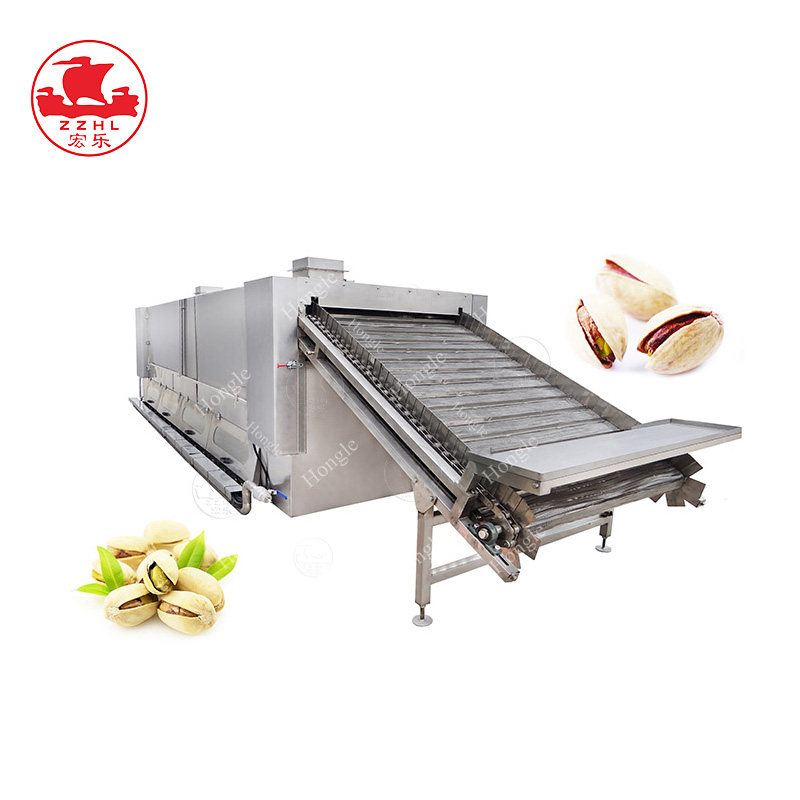
For facilities processing cassava, root vegetables, or high-volume agricultural products requiring continuous flow, a belt dryer aligns better with your production requirements. For temperature-sensitive products where color, aroma, or nutrient content are key quality attributes, the heat pump tumble dryer's low-temperature operation offers better protection. You can explore HongLe's belt drying machine for fruit, vegetable, and agricultural product dehydration or the heat pump dryer for cassava, fruit, vegetable, meat, and fish dehydration for configuration reference.
Initial Investment and Total Cost of Ownership
Equipment unit price is only part of the investment picture. A more useful question: what does each dryer actually cost per tonne of product dried over a three-to-five-year period?
- Heat pump tumble dryer: Higher initial equipment cost compared to comparable belt dryers in most capacity configurations. The heat pump tumble dryer's structural offset is significantly lower electricity consumption, which typically recovers the price premium within two to four years depending on local energy rates and daily operating hours.
- Belt dryers: The global belt drying system market is valued at approximately $1.5 billion (2026), reflecting the technology's maturity — competitive pricing and a wide supply base. Initial equipment cost is moderate, but total installation cost includes drying hall footprint, air handling systems, ducting, and multi-zone control infrastructure.
- Microwave dryers: Typically the highest upfront cost among the three types, with proprietary components that also increase long-term parts replacement costs. For applications where processing speed is genuinely critical — such as rapid moisture reduction in a hybrid line — the ROI case exists. For general food dehydration at commercial scale, the premium is harder to justify unless a specific product or speed requirement makes it necessary.
Maintenance Complexity and Operational Stability
For a commercial food processing facility, downtime means lost output and potential food safety complications if product is interrupted mid-drying cycle.
Belt dryers have the simplest day-to-day maintenance profile: belt replacement, bearing inspections, and periodic mesh or perforated belt cleaning. A heat pump tumble dryer adds refrigerant circuit maintenance — compressors, heat exchangers, and condensate drainage systems — which is manageable with a trained technician or service contract. Microwave dryers carry the most complex maintenance requirements: magnetron component replacement, high-voltage system checks, and electromagnetic shielding integrity verification.
If your facility operates in a market where specialized technical support is limited, this factor alone can make belt dryers or heat pump dryers a more practical operational choice over microwave systems.
Choosing the Right Dryer for Your Processing Facility
No single dryer type wins across all criteria — the right choice depends on your product portfolio, production scale, energy cost environment, and service access. That said, a few scenarios have clearer answers:
- Energy cost reduction as the primary driver: A heat pump tumble dryer, particularly for batch processing of fruits, vegetables, meat, or fish, delivers strong long-term operating economics in most mid-scale facility contexts.
- High-throughput continuous production: If you're processing 500 kg/hr or more of agricultural products with high initial moisture content, a continuous belt dryer aligns better with your production flow and capacity needs.
- Speed-critical niche applications: Microwave drying as a secondary stage in a hybrid line can add value for specific products. As a standalone primary dryer for general food dehydration at commercial scale, the economics and uniformity challenges typically don't favor it over the other two options.
Before finalizing a selection, it's worth running a simple comparison: calculate your monthly energy cost projection for each option against your actual production hours and product volume. For most mid-scale commercial food processing operations, the decision between a heat pump tumble dryer and a multi-zone belt dryer will come down to batch vs. continuous production needs — and how much your buyers value quality attributes like color retention, aroma preservation, and consistent texture across batches.