EN
EN


How a Commercial Juicer Machine Works: Juice Extraction Methods for Food Factories
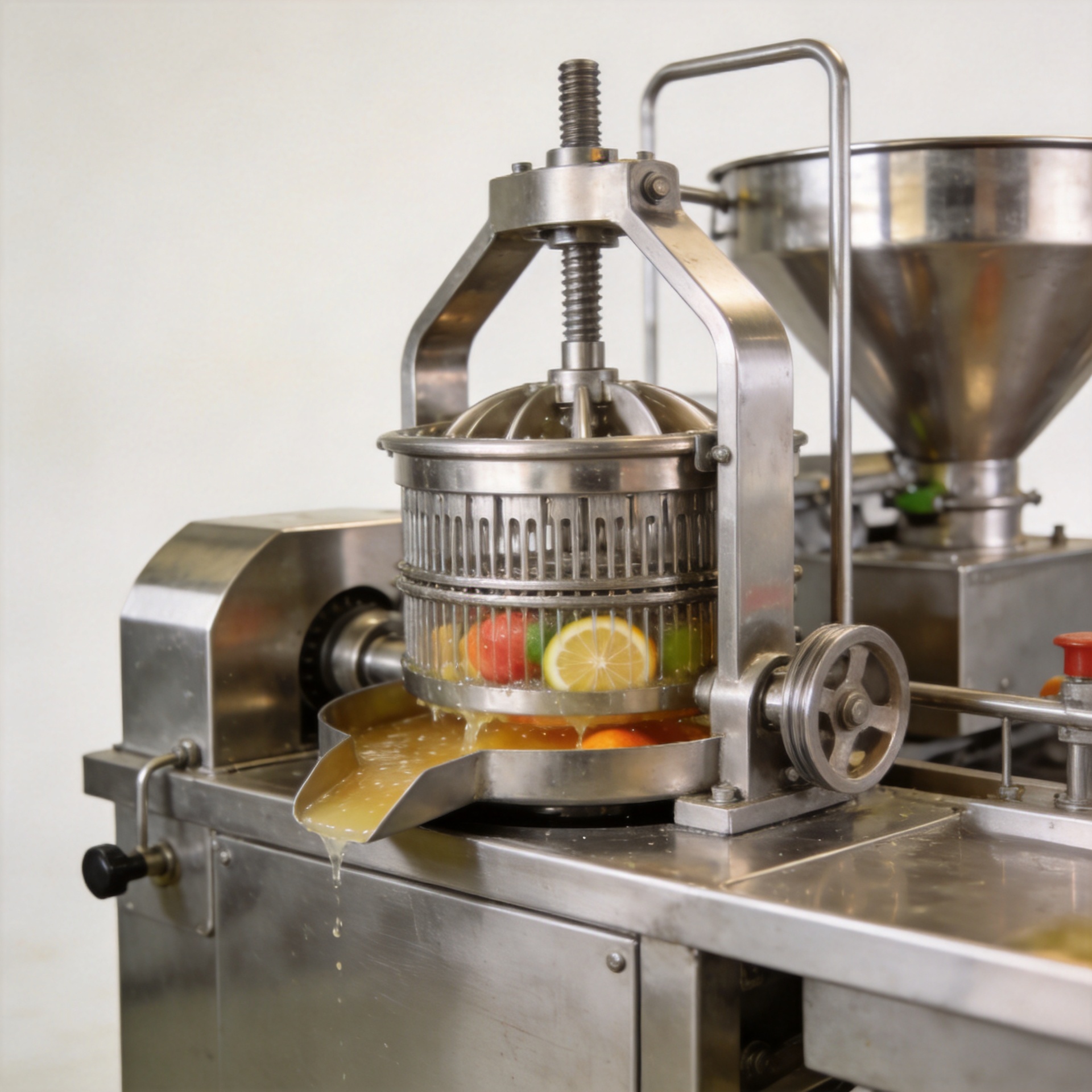
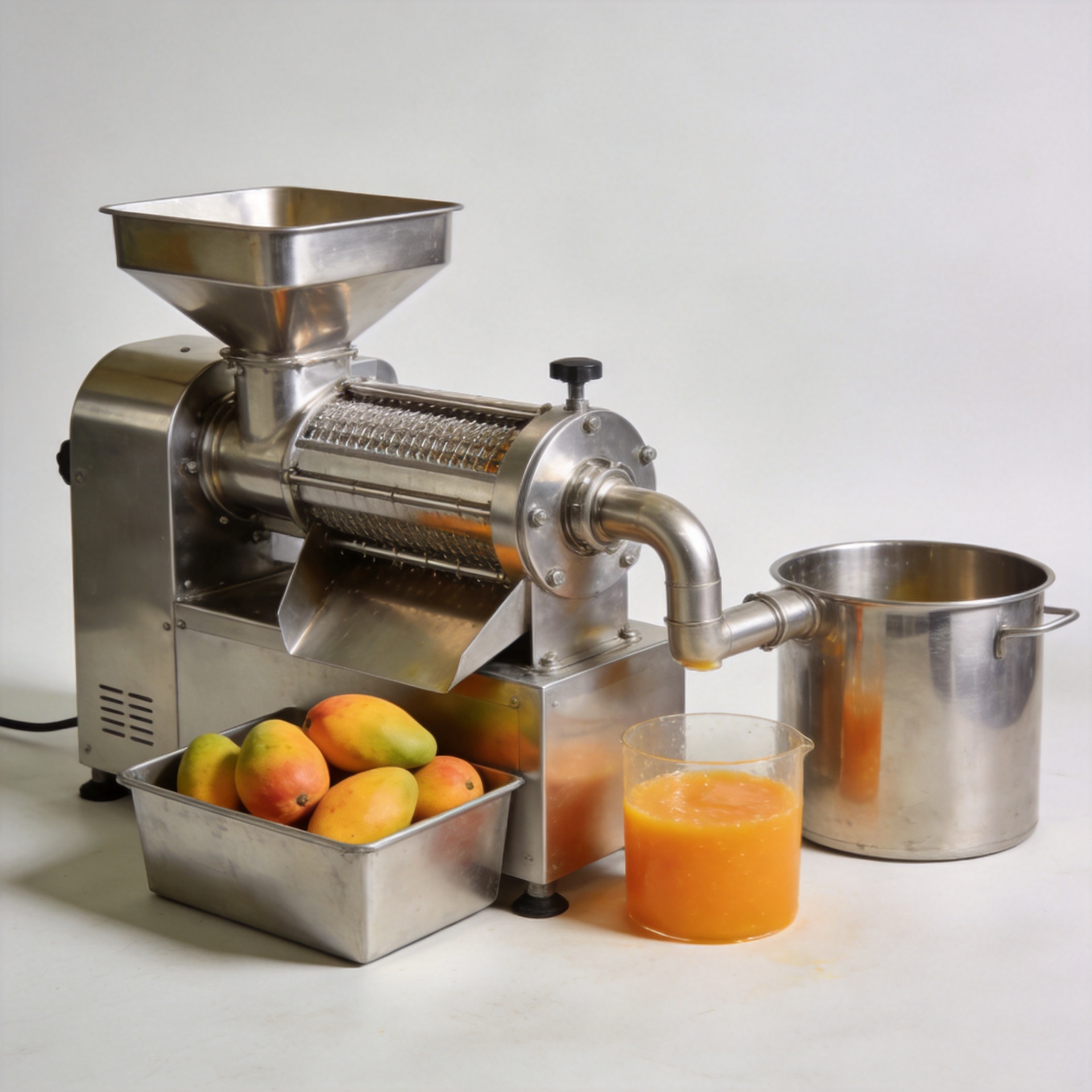
If you're setting up or scaling a juice production line, one of the first decisions you'll face is which juicer machine to invest in. After working with food processing companies on equipment selection for years, I know firsthand that the working principle of a juicer machine has a direct, measurable impact on your juice yield, nutrient content, and long-term operating costs.
This article breaks down the three main juice extraction methods used in commercial food factories — centrifugal, cold press (masticating), and hydraulic press — so you can build a working knowledge of each before making any sourcing decisions.
The Three Main Types of Commercial Juicer Machines
Commercial juice extraction falls into three primary categories, each with distinct working mechanisms and production characteristics:
- Centrifugal juice extractors: suited to high-volume citrus and soft produce processing
- Cold press (masticating) juicers: slower extraction that preserves more juice yield and nutrients
- Hydraulic press juicers: direct-pressure extraction used in premium juice operations
Knowing how each extraction method works makes it easier to match the right juicer machine to your fruit materials, production targets, and quality requirements.
How Centrifugal Juice Extractors Work
Centrifugal juice extractors use a high-speed rotating blade basket — typically operating at 3,000 to 16,000 RPM — to shred produce into fine pulp. Centrifugal force then pushes the juice through a fine mesh screen while the separated pulp is discharged into a collection bin.
The primary advantage of centrifugal machines is throughput speed. Commercial models can handle 165–275 lbs of produce per hour, making them well-suited for citrus fruits and softer produce where processing volume is the priority. However, the high-speed friction generates heat during extraction, which can reduce some heat-sensitive vitamins and accelerate oxidation — factors that matter more for some juice categories than others.
One thing I regularly see buyers overlook: a machine rated for higher RPM doesn't automatically outperform a lower-spec cold press unit when processing fibrous tropical fruits like mango or guava. The physical properties of your raw material change the performance equation entirely.
How Cold Press Juicer Machines Work
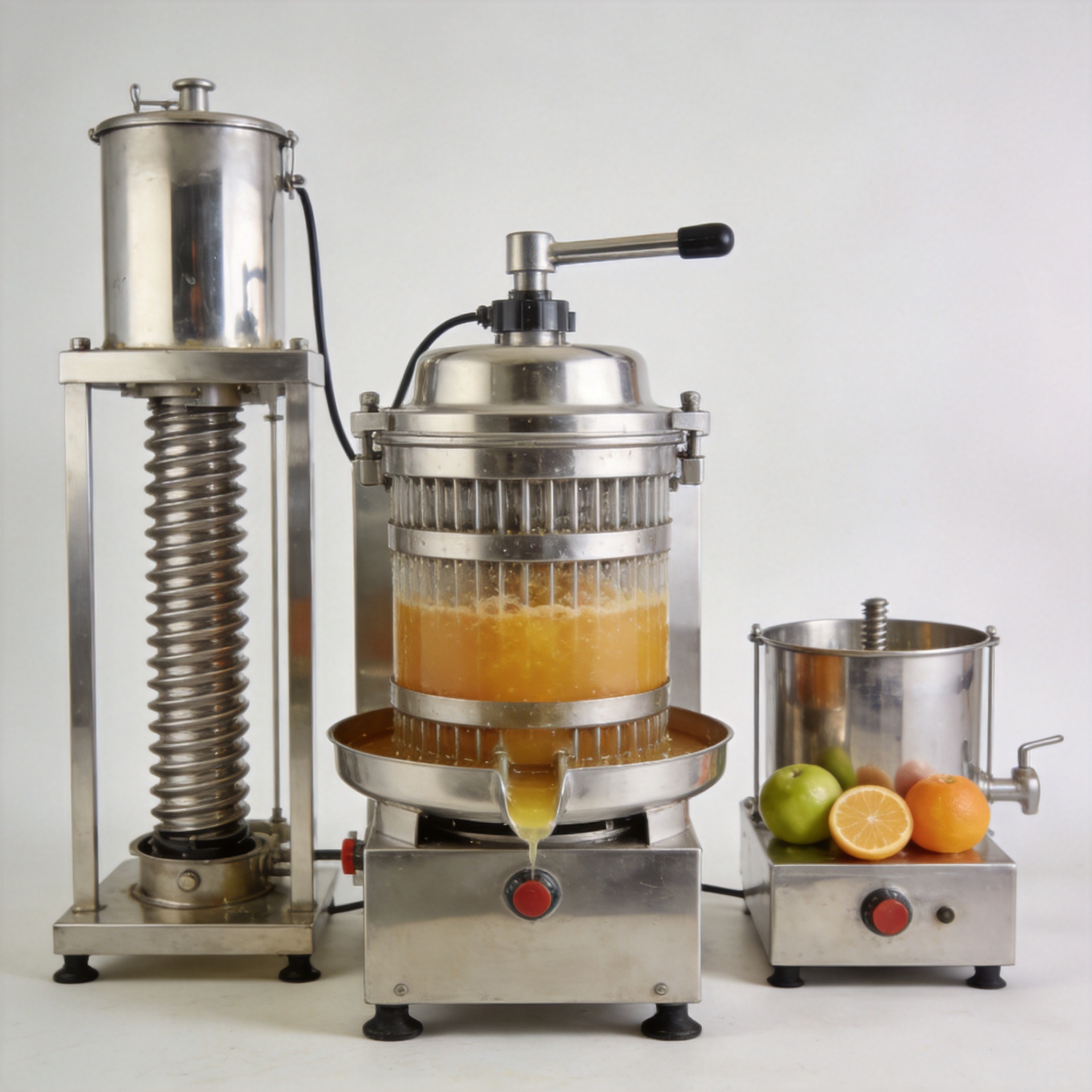
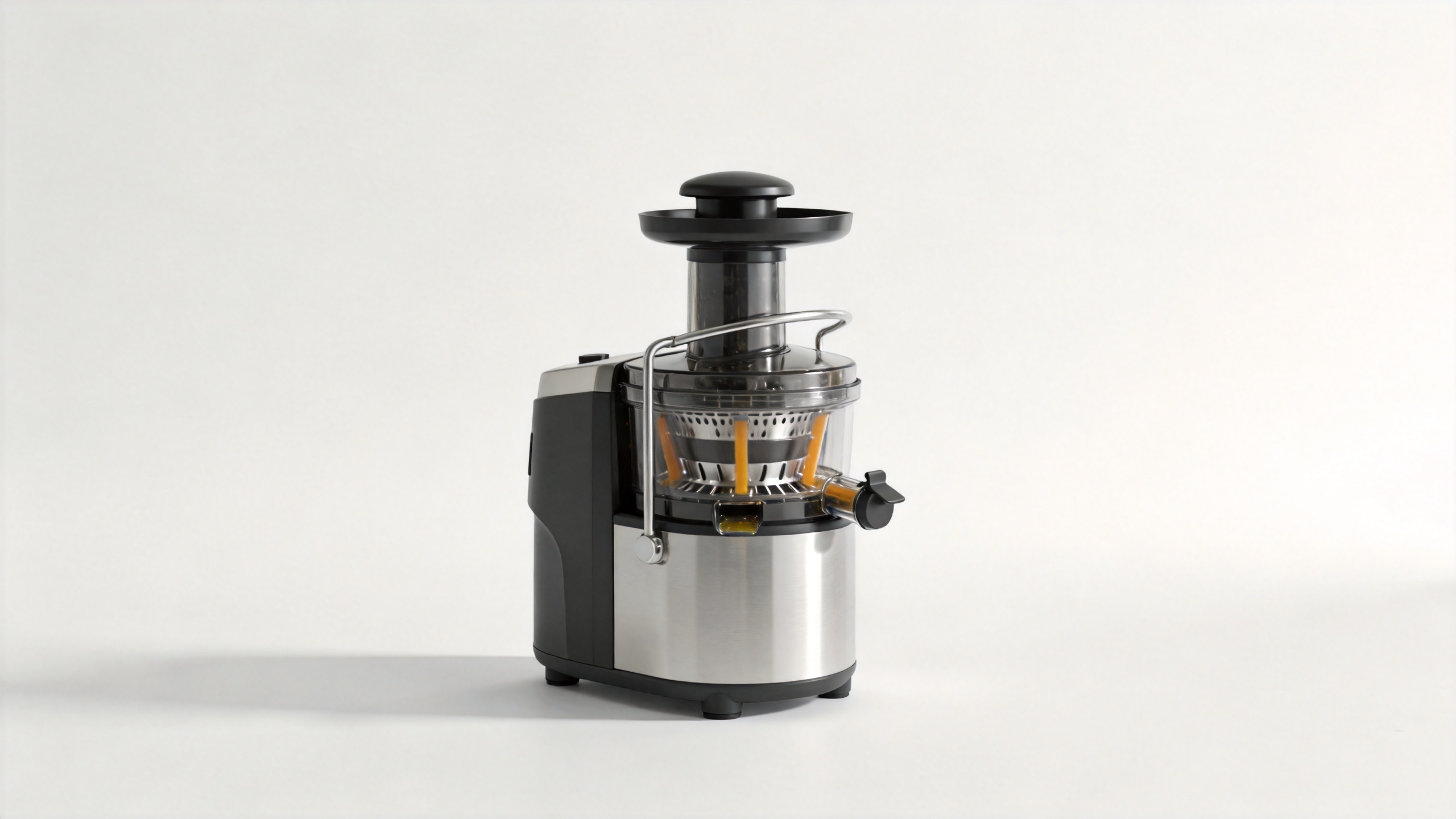
Cold press juicers — also called masticating or slow juicers — use a rotating auger to crush and squeeze produce against a juicing screen at slow speeds, typically 40–100 RPM. The low-speed mechanism generates minimal heat during extraction, which preserves heat-sensitive nutrients and produces juice with a noticeably longer shelf life compared to centrifugally extracted juice.
The yield difference is significant and measurable. Comparative testing on pineapple found cold press extraction achieving approximately 92% juice yield, versus around 47% for centrifugal extraction. For operations processing high volumes of tropical fruits like mango, this yield gap directly reduces your raw material cost per liter of finished juice — often more than enough to offset the higher equipment cost over time.
Industrial cold press juicer machines handle 0.5–3 tons of raw material per hour, depending on configuration. If you're evaluating equipment based on nameplate capacity alone, make sure you're comparing machines designed for your actual production scale, not café-grade commercial units marketed with similar terminology.
Hydraulic Press Juicer Machines for Specialty Applications
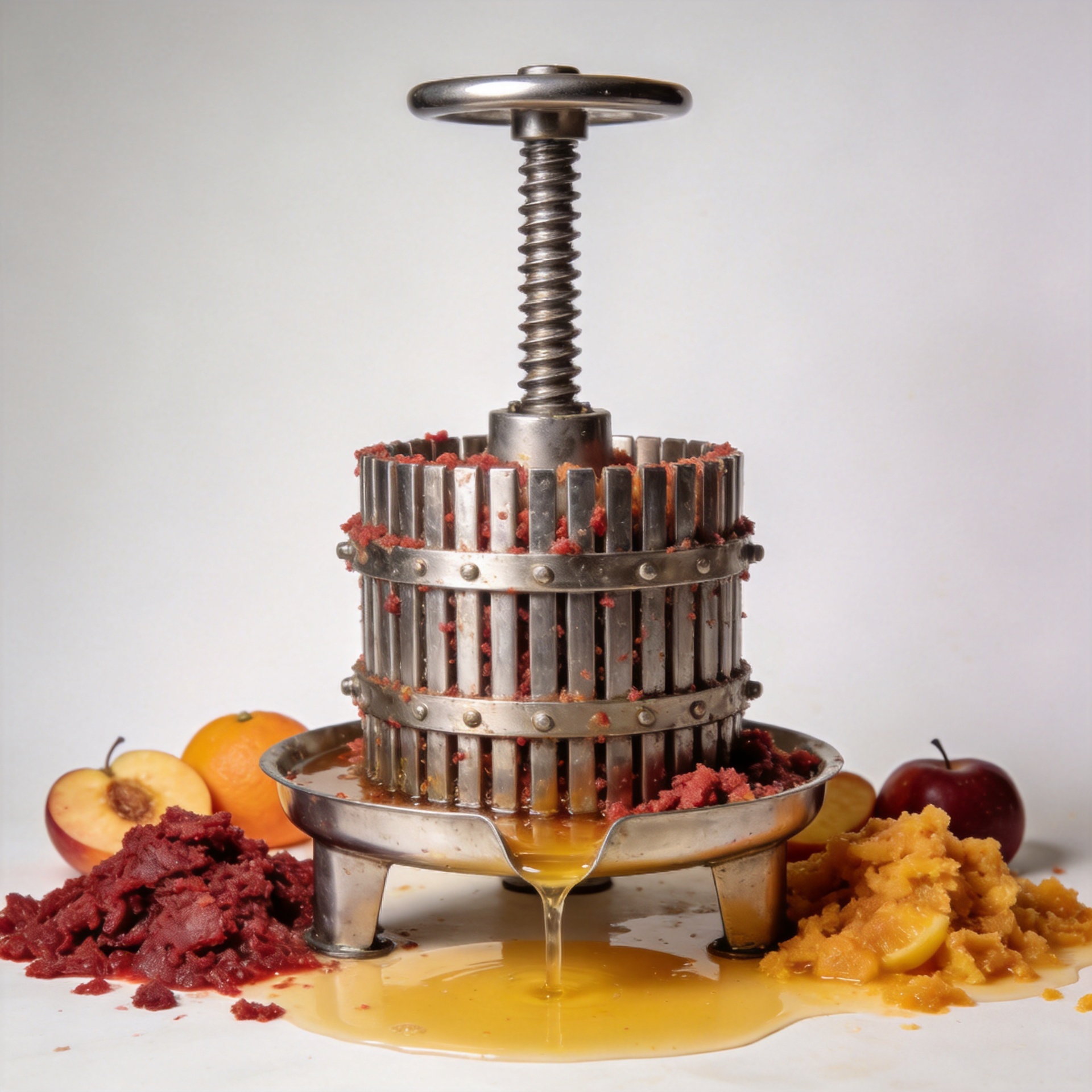
A hydraulic press juicer machine applies direct mechanical pressure to pre-shredded produce loaded into pressing cloths or bags. These machines are used in premium cold-pressed juice facilities and specialty applications where maximum extraction efficiency and minimal heat exposure are both critical.
The pressing cycle takes longer than centrifugal or auger-based methods, but the resulting juice typically has excellent clarity, minimal foaming, and a clean flavor profile. For food factories working with stone fruits, berries, or vegetables where juice quality and purity are premium requirements, hydraulic systems are worth evaluating even given their higher upfront investment.
Juice Yield and Nutrient Retention: A Practical Comparison
Before selecting a juicer machine, it helps to see the three methods side by side across the dimensions that matter most to food factory operations:
| Method | Operating Speed | Typical Juice Yield (fibrous fruit) | Nutrient Retention | Best Suited For |
|---|---|---|---|---|
| Centrifugal | 3,000–16,000 RPM | Moderate (40–65%) | Moderate (heat effect) | Citrus, apples, volume-first production |
| Cold Press / Masticating | 40–100 RPM | High (75–92%) | High (minimal heat) | Mango, tropical fruits, leafy greens |
| Hydraulic Press | Pressure-based | Very high | High (no heat) | Premium cold-pressed, specialty applications |
Matching Your Juicer Machine to Your Fruit Type
Fruit characteristics — fiber content, seed density, skin toughness, water content — determine which extraction method delivers the highest yield and juice quality for your line. This is where purchasing decisions most often go wrong: selecting a juicer machine based on price or nameplate specs without accounting for the actual produce being processed.
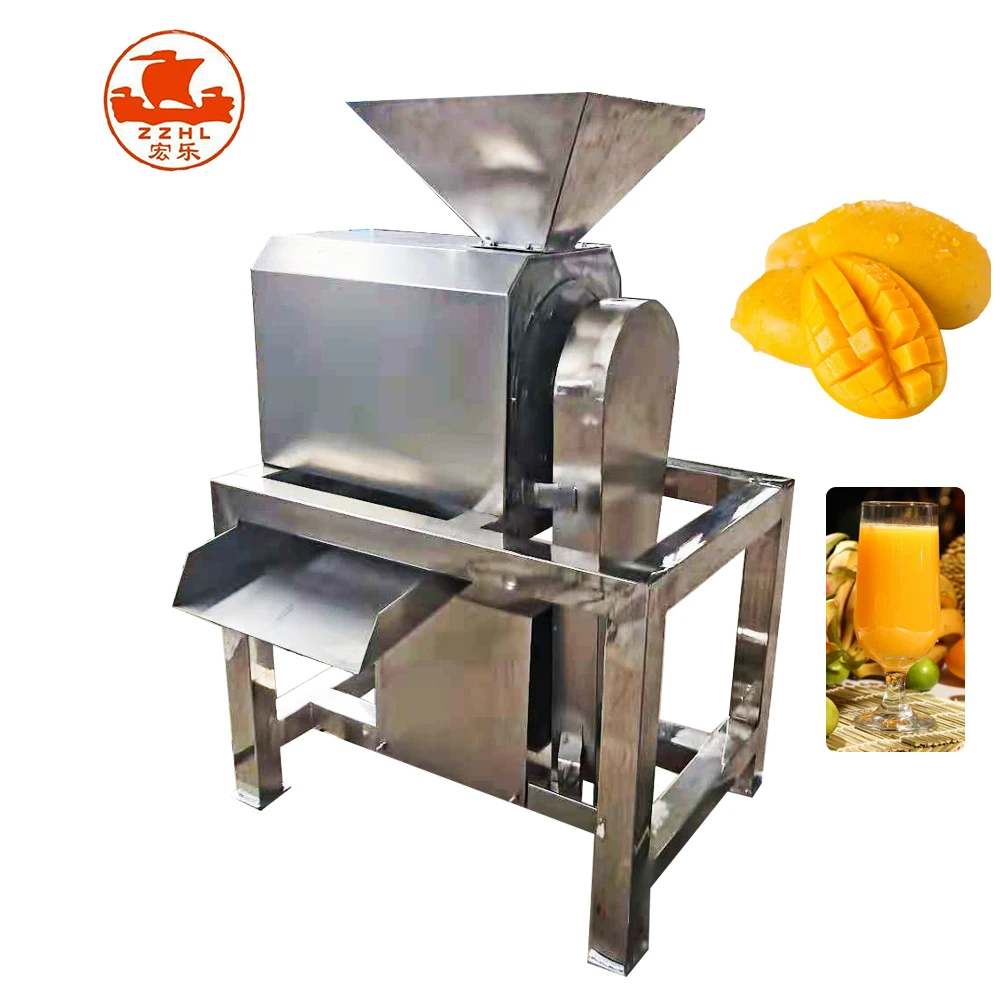
For mango and cherry processing at factory scale, a system that handles peel separation and seed removal before extraction gives you cleaner output and better yield. A purpose-built mango juice extractor and peeling machine integrates peeling, seed removal, and pulp extraction as a single workflow, which reduces manual handling and keeps the process consistent across production shifts.
For juice lines processing oranges, mangoes, and calamansi at commercial volume, a multi-fruit capable extractor with adjustable pressing parameters is typically the right fit. A commercial fruit juice making machine for orange, mango, and calamansi handles these fruit types with consistent throughput and adapts to the varying fiber content across different citrus and tropical varieties.
Key Considerations Before Selecting a Juicer Machine for Your Factory
A few patterns come up repeatedly when I work through equipment selection with juice factory operators:
- Nameplate capacity vs. real-world output: Most juicer machines are rated under ideal conditions with a specific reference material. Actual throughput with your fruit mix, loading temperature, and line configuration will differ. Request throughput data validated for your target fruit type before committing to a spec sheet.
- High specs don't guarantee high output for every material: A high-RPM centrifugal machine may be the wrong fit for a fibrous tropical fruit line even when its rated volume exceeds that of a cold press alternative. The working principle has to match the material.
- Downstream compatibility: Your juicer machine needs to integrate with the full processing line — pasteurization, filtration, filling — without creating a bottleneck at the extraction stage. Align extraction capacity with downstream throughput when planning the line layout.
- Sanitation and maintenance requirements: Commercial juice production operates under food safety standards. Understand the Clean-in-Place (CIP) capability, disassembly access, and scheduled maintenance intervals of any machine before making a sourcing decision.
Getting the extraction method right at the start is one of the most direct ways to protect the economics of a juice production operation. The type of juicer machine that suits a mango processing facility in Southeast Asia may look very different from one that serves a citrus factory in South America — and understanding how each method actually works is the starting point for making that call with any confidence.
If you're sourcing a commercial juicer machine for an upcoming production line or expansion project, we work with food factories across Africa, Southeast Asia, and the Americas and can discuss specific equipment configurations for your fruit types, volume targets, and site conditions.