EN
EN

How Food Manufacturers Evaluate Freeze-Drying Capacity for New Product Lines
For a freeze dried food manufacturer, capacity is not simply the number printed on a machine specification. A new snack, ingredient, or meal line has its own water content, piece size, loading depth, packaging plan, and release requirements. Those variables determine how much saleable product can move through the process each week.
Procurement teams often make a stronger decision when they treat freeze-drying capacity as a system question: What can the line prepare, freeze, dry, inspect, pack, and release without shifting the bottleneck to another department? This article gives a practical framework for evaluating that question before a production commitment.
Start With the Product and the Commercial Forecast
A freeze dried food manufacturer should begin with the commercial plan rather than an equipment category. List the target SKUs, forecasted monthly volume, intended pack sizes, and the share of capacity reserved for trials or seasonal demand. Then translate finished-product demand back to fresh raw-material input using the validated yield for each recipe.
Freeze-drying combines freezing with drying under reduced pressure, so loading behavior matters as much as the chamber size. Fruit slices, diced vegetables, cooked meal components, and powdered ingredients can have very different freezing and drying responses. The right planning number is therefore a validated batch output for the actual product—not a generic maximum.
- Define kilograms of fresh feed per batch for each priority SKU.
- Record expected finished yield and allowable moisture or water-activity target.
- Set the weekly output required after planned maintenance, changeovers, and quality holds.
- Reserve pilot capacity for formulation changes and customer samples.
Convert Batch Capacity Into Realistic Daily Throughput
The key calculation for a freeze dried food manufacturer is not “How many trays fit?” but “How many qualified batches can be completed in a normal operating day?” Drying cycles can vary widely with product thickness, solids content, tray loading, and endpoint requirements. A planning range of roughly 24–48 hours is often used as an initial screen, but trials should replace assumptions before an order is finalized.
Use a conservative production model:
Weekly finished output = fresh load per batch × validated finished yield × qualified batches per week.
Build the batch count from the full cycle: preparation, loading, freezing, primary and secondary drying, unloading, cleaning, and any hold time before packaging. If one slow product occupies the chamber longer than forecast, the effect multiplies across the weekly schedule.
| Capacity question | What to validate | Why it matters |
|---|---|---|
| Tray loading | Product depth, piece spacing, and load uniformity | Uneven loading can extend drying time and create variable endpoints. |
| Cycle duration | Full qualified cycle by SKU | It determines how many batches fit into the real production calendar. |
| Finished yield | Mass balance from fresh input to packed output | It connects production capacity to revenue-volume planning. |
| Changeover time | Cleaning, allergen control, and setup steps | It protects the forecast from overly optimistic utilization assumptions. |
Check the Whole Line, Not Only the Freeze-Dryer
A capable chamber does not create a capable line if washing, cutting, pre-treatment, freezing, sorting, or packing cannot keep pace. For a freeze dried food manufacturer, the production constraint may appear upstream in raw-material preparation or downstream in moisture-sensitive packaging.
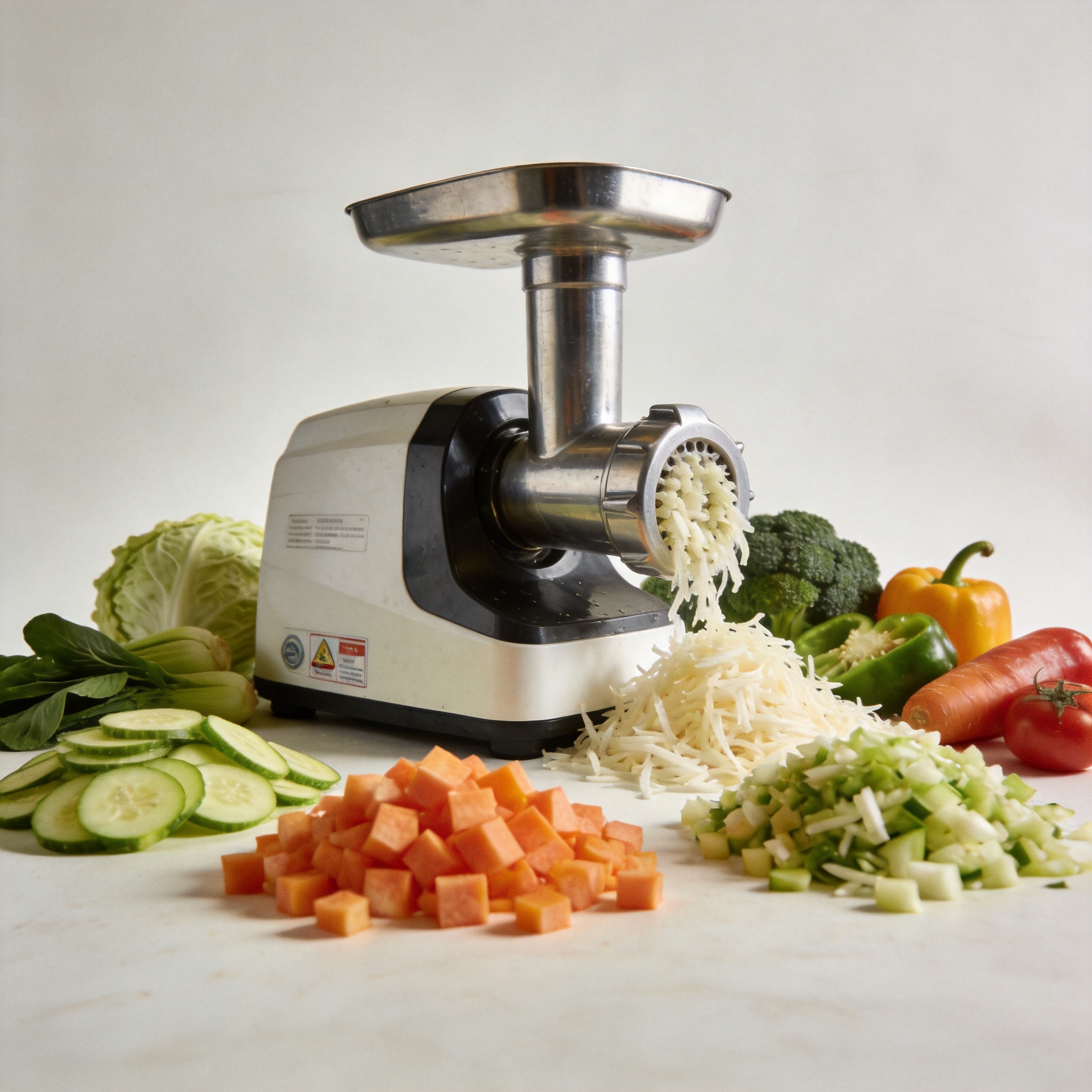
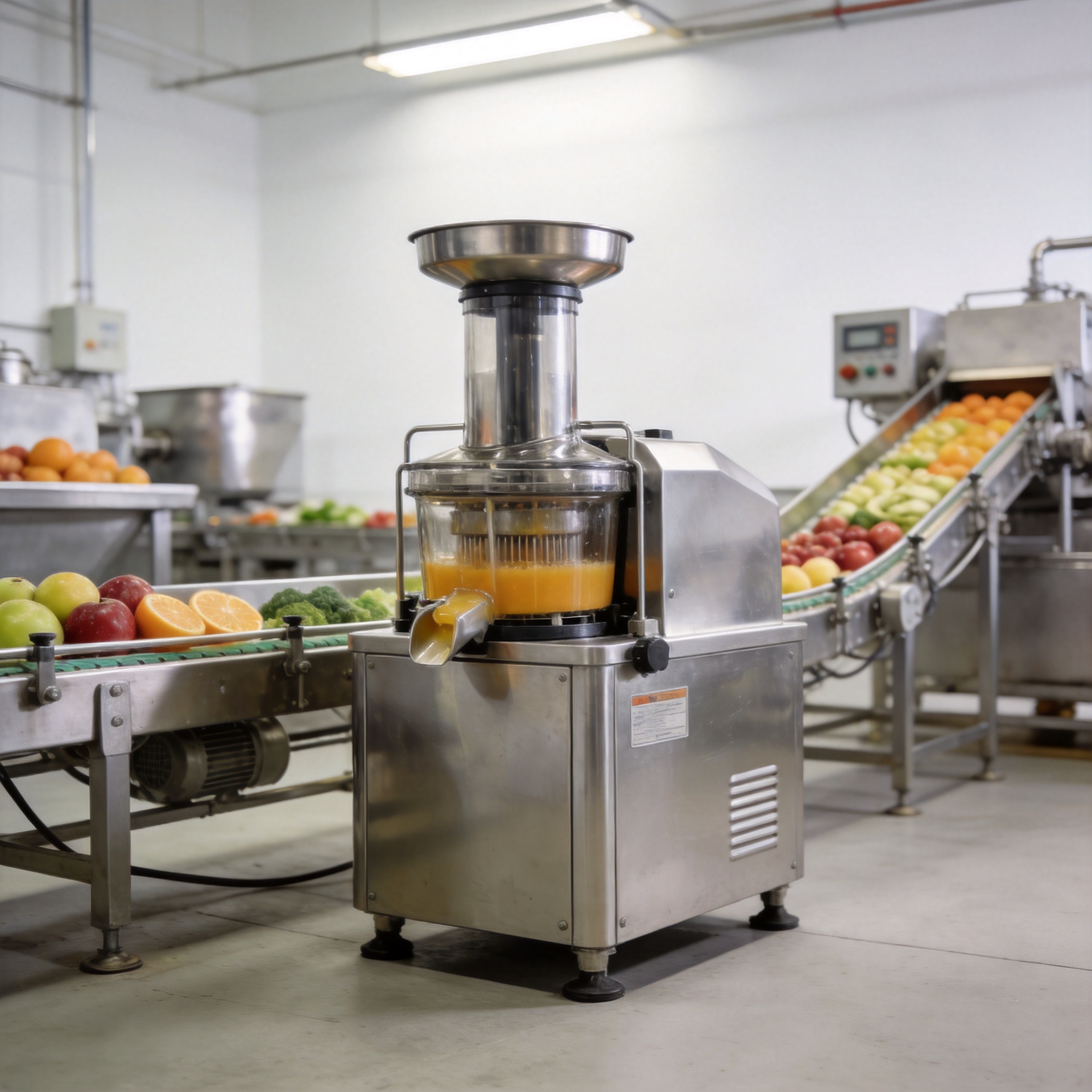
Map the line from incoming material to sealed carton. Identify the hourly capacity of each step, the buffer space available, and where product is exposed to ambient humidity. A new line may need fruit or vegetable preparation, conveying, freezing, drying, metal detection, weighing, and packaging to be designed as one operating flow.
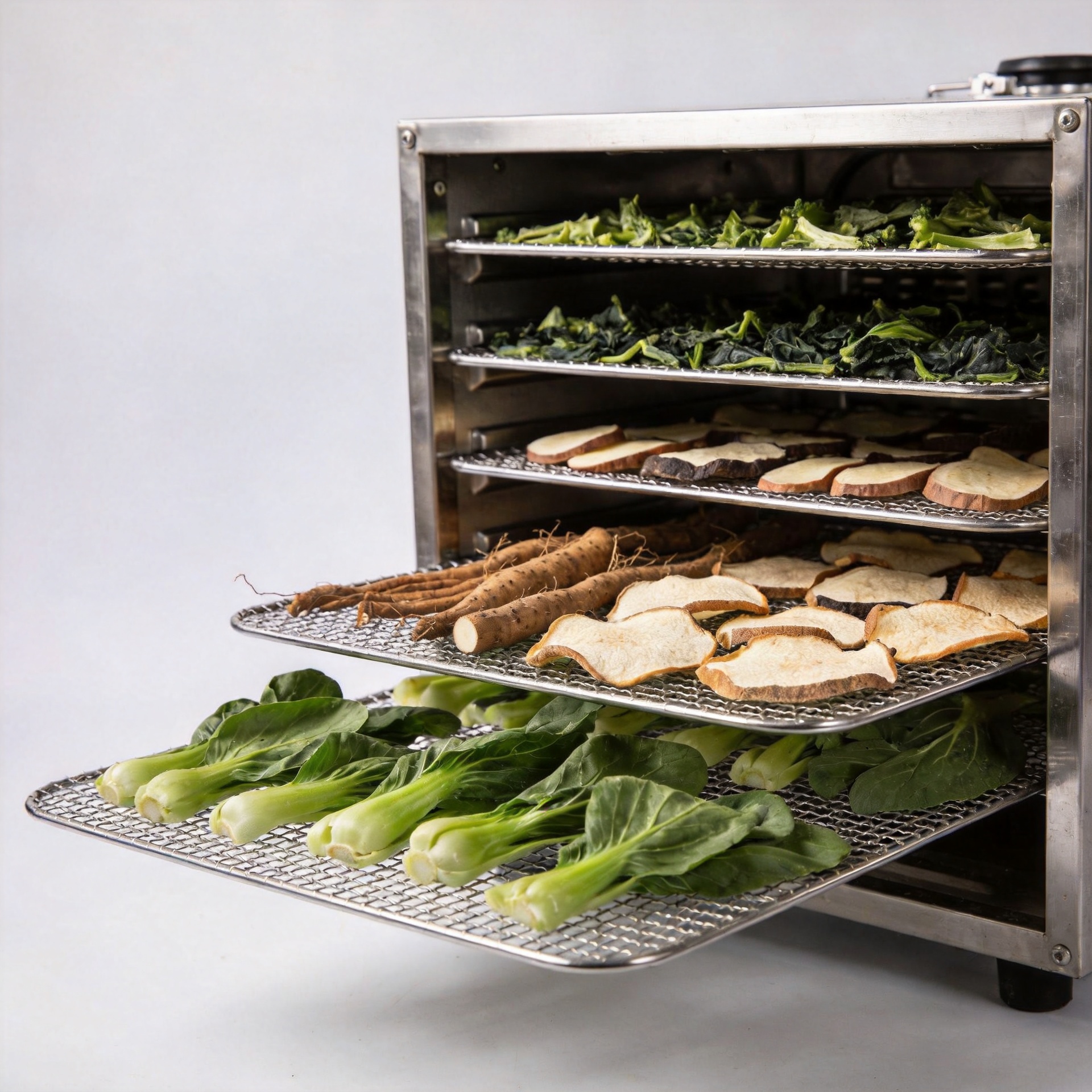
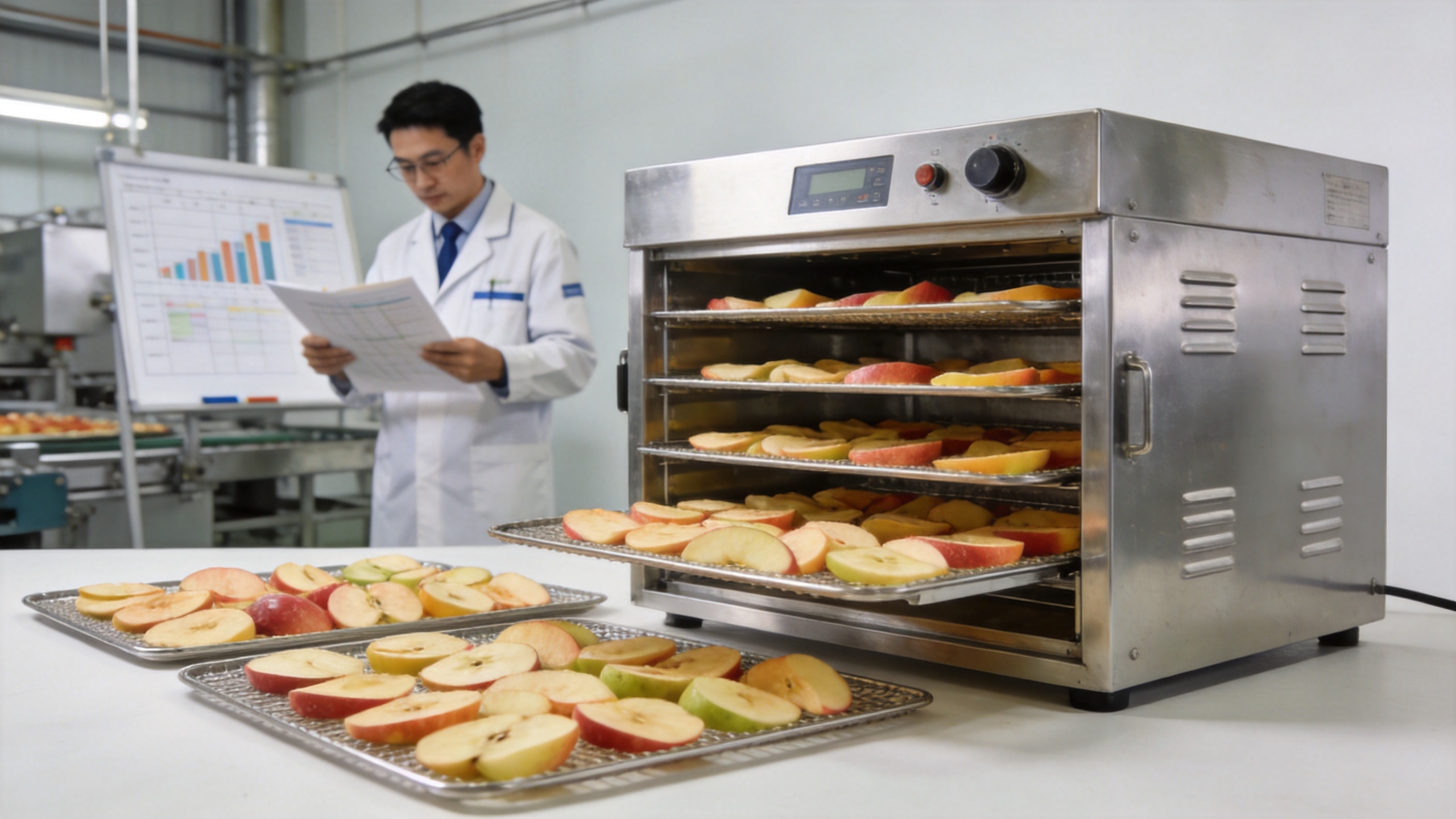
Where the project also includes conventional dehydration or pre-drying steps, teams can review equipment such as an industrial vegetable and fruit dehydrator as part of the broader process discussion. The confirmed product page should be evaluated against the product’s own process requirements; this article does not assume unverified specifications.
Evaluate Utilities, Hygiene, and Packaging Readiness
Decision-stage evaluation should include the operating conditions around the machine. Confirm electrical demand, refrigeration approach, vacuum-system capacity, compressed air, water, drainage, and the footprint needed for safe access and maintenance. Ask suppliers for the assumptions behind each utility figure and compare them with the site’s available infrastructure.
Food safety also belongs in the capacity conversation. Low-moisture ready-to-eat foods may require sanitation and preventive-control planning appropriate to the market and product. For example, U.S. FDA materials discuss low-moisture ready-to-eat foods in the context of 21 CFR Part 117, and water activity of 0.85 or below is commonly used in that context. Your food-safety team should establish the applicable product controls, environmental monitoring, cleaning validation, and release criteria for the intended market.
Packaging must protect the work done in the dryer. Verify the sequence from unload to seal, the maximum acceptable exposure time, pack barrier requirements, and inspection steps. A line that dries product successfully but cannot package it consistently will not deliver stable commercial capacity.
Run a Pilot Before You Commit to the Nameplate
The most useful procurement evidence is a documented pilot using representative ingredients, cut sizes, recipe solids, and loading depth. During the trial, a freeze dried food manufacturer should track:
- Fresh input, finished output, and product loss at each stage.
- Time for freezing, drying, unloading, cleaning, and restart.
- Moisture or water-activity results, texture, color, and rehydration performance.
- Energy and utility observations under the actual load profile.
- Packaging performance and product condition after a defined storage check.
Use those results to update the capacity model and establish acceptance criteria in the purchase specification. This also gives operations, engineering, quality, and finance a shared basis for reviewing the investment.
A Procurement Checklist for New Freeze-Dried Lines
- Can the proposed configuration meet the forecast using validated, not theoretical, cycles?
- Does tray area, loading method, and material flow suit the priority products?
- Are preparation, freezing, drying, packing, and inspection balanced at the same planned rate?
- Are utilities, sanitation access, operator safety, maintenance access, and spare parts planned?
- Does the supplier scope define commissioning, training, documentation, and trial acceptance?
- Can the line expand with demand without disrupting current products?
Use a Cross-Functional Capacity Review
A freeze dried food manufacturer gains a clearer investment decision when operations, quality, engineering, purchasing, and commercial planning review the same model. For the freeze dried food manufacturer, each function owns a different capacity assumption: operations owns labor and changeover time; quality owns release and sanitation controls; engineering owns utilities and maintenance; purchasing owns supplier scope; and sales owns the demand profile.
At each gate, the freeze dried food manufacturer should ask whether the line can meet the required output with the target recipe, not merely with a favorable test load. The freeze dried food manufacturer should document the expected cycle, loading condition, yield, downtime allowance, and pack-out result. This gives a freeze dried food manufacturer a traceable basis for comparing proposals.
Before approval, the freeze dried food manufacturer can run an optimistic, expected, and constrained operating schedule. That comparison helps the freeze dried food manufacturer decide whether to add tray area, improve preparation capacity, change the pack format, or phase the launch. It also helps a freeze dried food manufacturer explain the investment logic to finance and downstream customers.
During supplier discussions, a freeze dried food manufacturer should request written assumptions for throughput, utilities, cleaning, commissioning, and acceptance testing. A disciplined freeze dried food manufacturer will then reconcile those assumptions with site measurements. For a growing freeze dried food manufacturer, this process prevents a nameplate figure from becoming an unplanned production constraint.
Make Capacity a Validated Operating Commitment
For a freeze dried food manufacturer, a new product line succeeds when capacity is translated from an equipment claim into a validated operating commitment. Start with the product forecast, model the complete batch cycle, test the critical SKUs, and verify the surrounding preparation, packaging, and food-safety controls.
Zhengzhou HongLe Machinery Equipment Co., Ltd. supports food-processing equipment discussions for international buyers. When reviewing drying and dehydration stages within a broader line, share your product format, target output, available utilities, and layout constraints so the technical conversation can focus on a workable process plan.