EN
EN


How Industrial Orange Juicer Machines Work: Key Features for High-Volume Citrus Processing
Having worked on the manufacturing side of juice processing equipment for a number of years, I've noticed a recurring pattern: factory buyers often arrive with the same question — why does the orange juicer machine specification sheet list a production rate that rarely matches what actually comes out of the line? The answer lies not in the numbers, but in understanding how these machines actually work — and which design features matter most when you are running high-volume citrus operations.
This article breaks down the working principles behind industrial orange juicer machines, explains the key differences between extraction types, and outlines what really drives juice yield, flavor quality, and food safety compliance in a factory setting. If you are evaluating equipment for a juice plant or comparing configurations for a citrus-producing region operation, understanding the mechanics first will give you a far more reliable basis for decision-making than relying on rated capacity figures alone.
The Core Mechanics: How an Orange Juicer Machine Extracts Juice
In practical terms, every orange juicer machine operates on the same physical principle: applying compressive force to rupture the juice cells inside the fruit, releasing liquid from the pulp. What differs between machine types is how that force is applied, at what pressure, and — critically — how the extraction process separates juice from peel.
That separation matters for two interconnected reasons. First, it directly determines juice yield: how much usable liquid you recover from each orange. Second, it controls how much of the bitter compounds naturally present in the peel — primarily limonin and naringin — migrate into the juice stream. FDA HACCP guidelines for juice production specifically require that commercial extraction processes limit juice-to-peel contact during the extraction step, because managing this contact point is the foundation of both flavor control and regulatory compliance. Industrial equipment designed with this in mind is built differently from commercial-grade machines meant for lower daily throughputs.
Three Extraction Types and How Each One Works
Industrial orange juicer machines are generally built around one of three extraction mechanisms. Understanding the working principle of each helps clarify why they suit different production requirements and why choosing between them is not simply a matter of capacity.
Hemispherical (Bowl-Type) Extractors
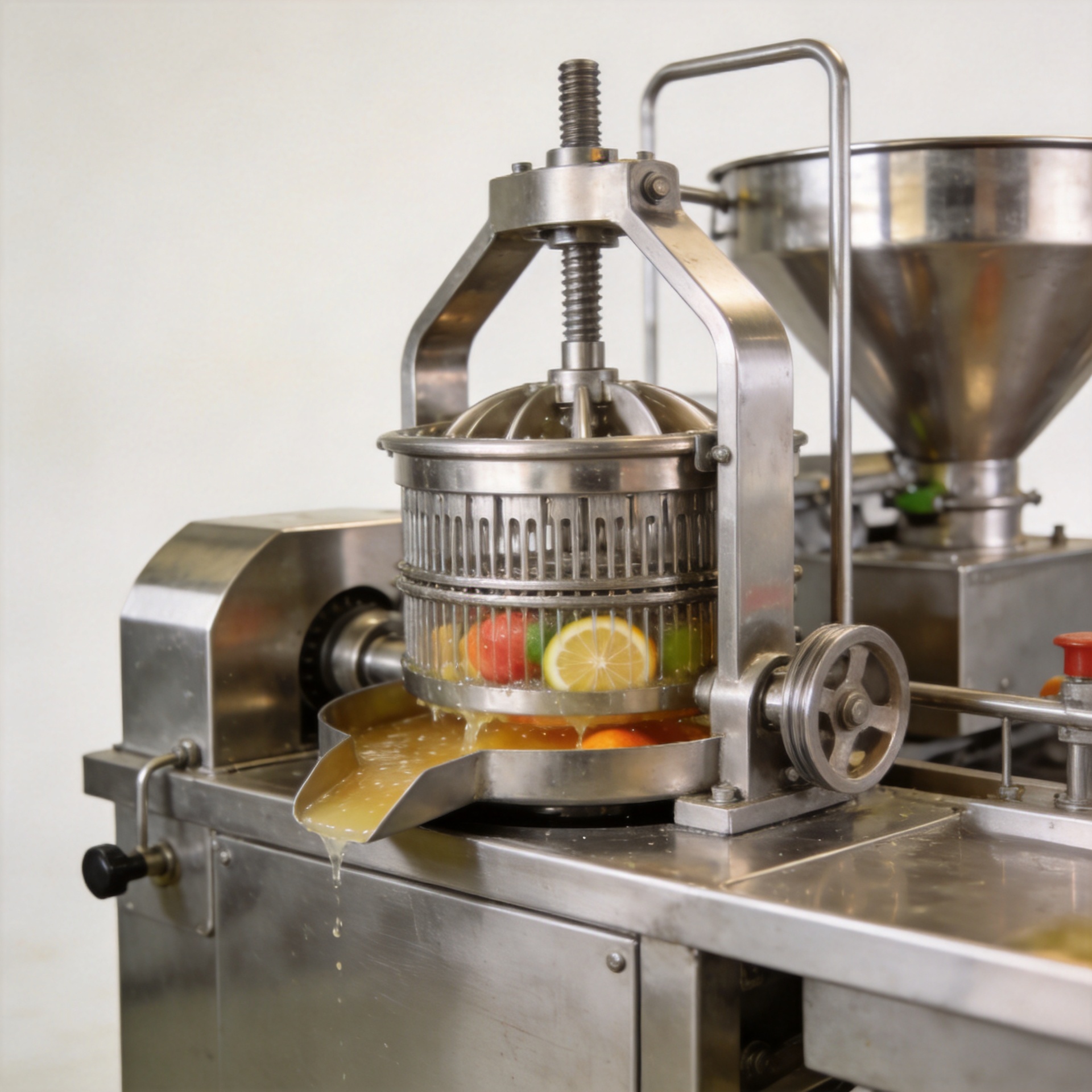
The hemispherical extractor is the most familiar design in citrus processing. The orange is cut in half, and each half is pressed onto a rotating reaming cone. The cone's spiral ridges break up the pulp and drive juice toward a central drainage channel, while a filter basket separates the juice from seeds and coarse pulp fragments. Pressing pressure and rotation speed are directly adjustable, which gives operators a practical lever for balancing yield against peel contact. This design is well-suited for operations that process oranges of variable sizing, since each half is handled individually. If your production context includes frequent variety changes or mixed citrus runs, the hemispherical type typically offers the most operational flexibility.
Screw (Auger) Type Extractors
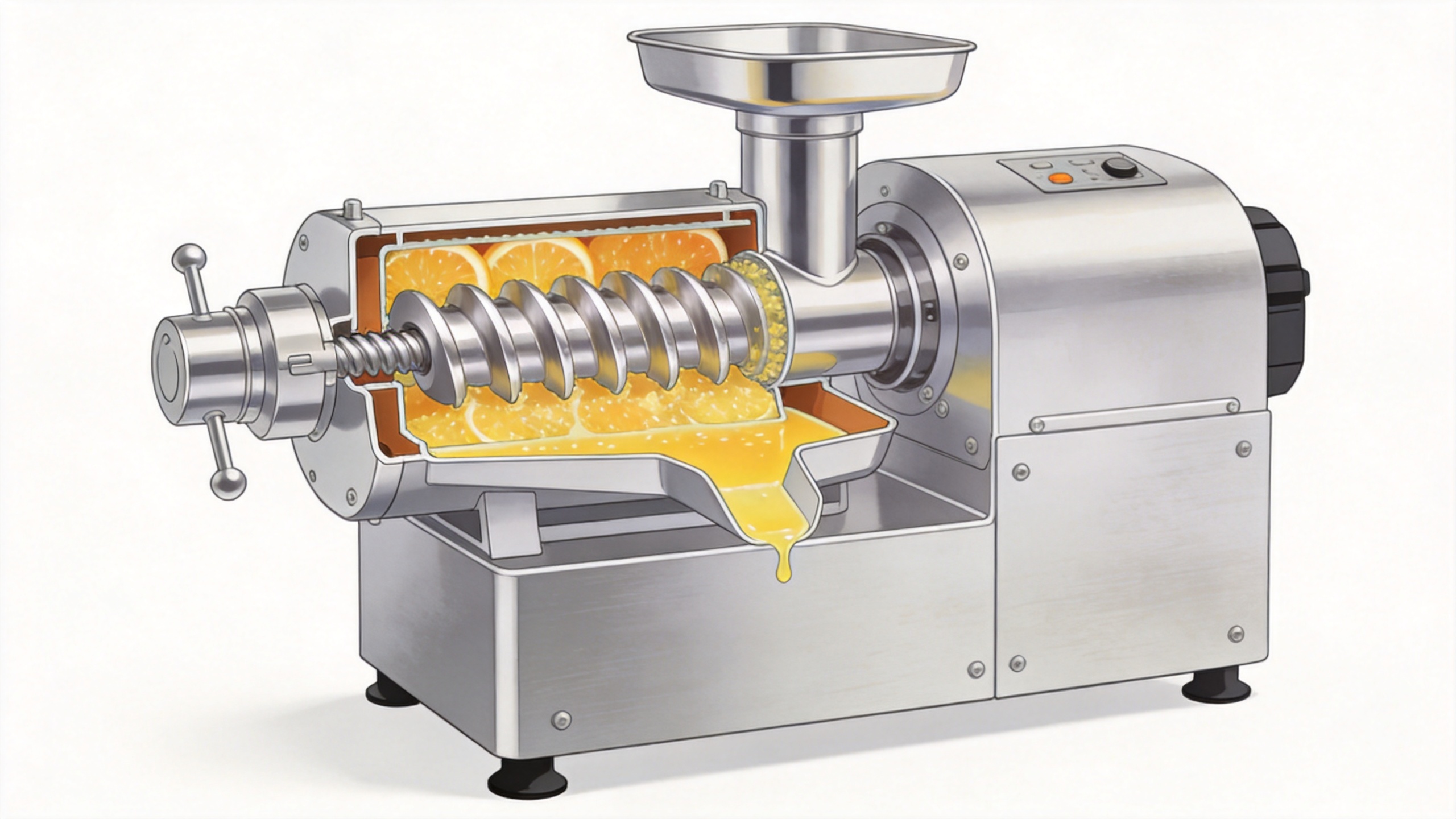
Screw-type extractors feed whole or pre-cut fruit through a conical pressing chamber driven by a helical auger. The engineering principle here is straightforward but consequential: the auger's root diameter increases progressively along the discharge direction, which creates a continuously narrowing gap between the auger and the barrel wall as the fruit advances. This translates into a gradual, controlled build-up of compressive pressure — juice exits through perforations in the barrel wall while the spent pulp and peel discharge as a semi-dry cake at the end of the chamber. Because this is a continuous-feed process, screw extractors are particularly well-suited for high-throughput lines where loading cycles would create bottlenecks. The main variable to manage is fruit size consistency: uneven sizing reduces the predictability of the pressure gradient and affects both yield and peel contact.
Hydraulic Press Extractors
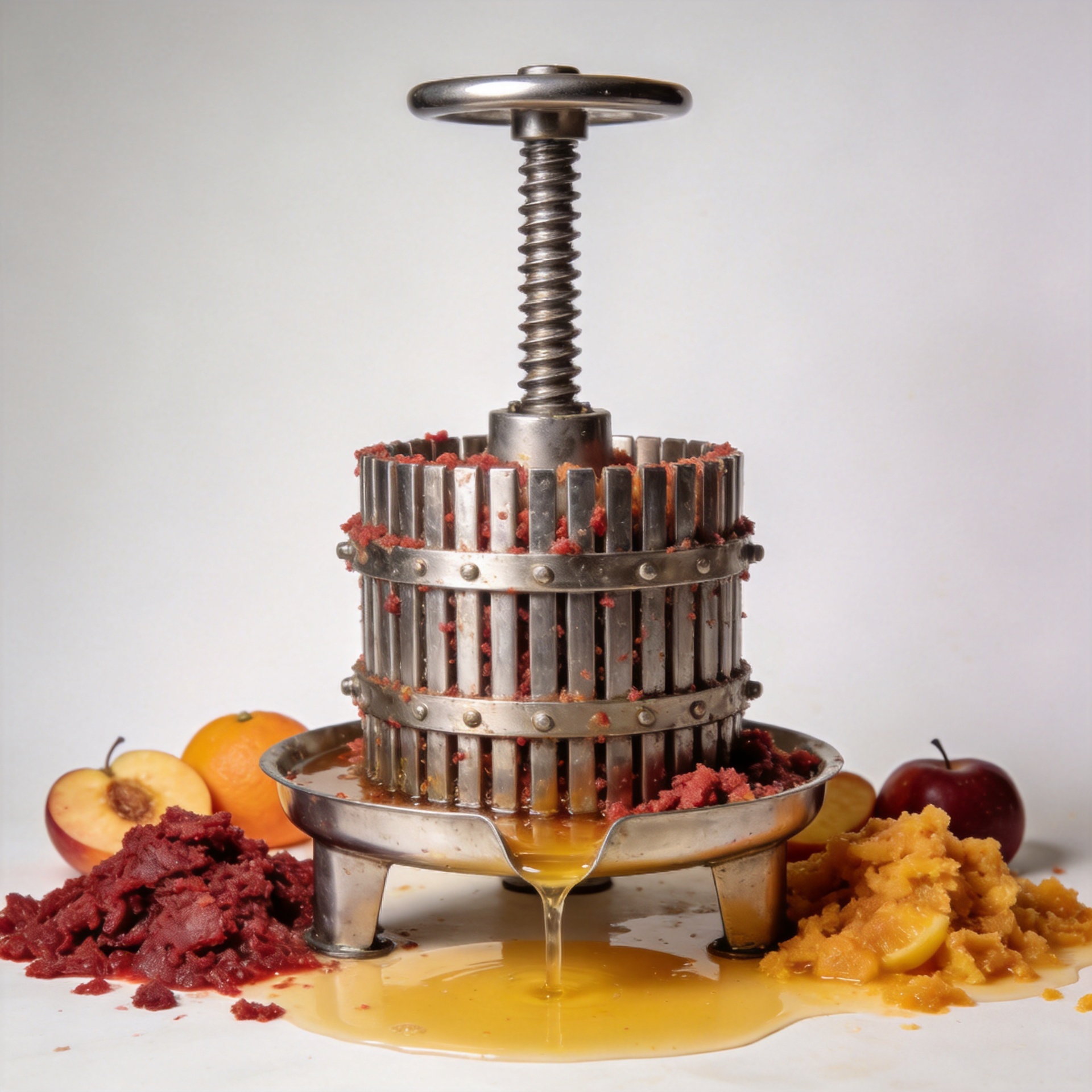
Hydraulic press systems apply high, precisely controlled pressure to batches of pre-cut or whole citrus in an enclosed chamber. Because the pressing happens in a single, measured stroke, operators can specify both dwell time and peak pressure — which matters significantly when processing citrus varieties with thick, oil-rich peels, where over-pressing translates quickly into flavor contamination from essential oil compounds. Hydraulic systems tend to appear in specialty and premium cold-press juice applications rather than in continuous high-volume factory lines, but they represent an important design option when product flavor specification requirements are particularly strict.
Yield Optimization: Why Rated Capacity Is Only Part of the Picture
Most industrial orange juicer machines are calibrated to achieve a juice yield in the range of 45–55% of fruit weight under standard processing conditions. However — and this is important for anyone building a production capacity plan — that figure assumes consistent fruit sizing, optimal ripeness, and stable ambient temperature. In real factory environments, batch variation in orange water content and seasonal shifts in fruit maturity can shift actual yield by 5–10 percentage points. Build that adjustment into your throughput calculations before finalizing your equipment selection.
Maximizing yield and minimizing bitter compound extraction also pull in opposite directions — a trade-off that rarely appears in specification sheets. Applying higher pressure recovers more juice, but it also increases the risk of pressing peel oils and bitter glycosides into the juice stream. The practical target in high-volume factory settings is not to push extraction to its mechanical limit, but to identify the repeatable pressure point where yield meets commercial specification and flavor stays within acceptable range. That calibration point will differ by orange variety — navel, Valencia, blood orange, and calamansi all have different peel structures and juice cell distributions, which means a machine optimized for one type will require parameter adjustment to deliver consistent results with another.
Food Safety by Design: What Matters Beyond Material Grade
Most buyers rightly expect food-contact surfaces to be constructed from 304 or 316 stainless steel. That is a baseline for any industrial food equipment, not a differentiating feature. What matters more for a factory running multiple shifts is how the machine is designed for cleaning between production runs. Industrial orange processing creates warm, acidic, pulp-rich conditions that support microbial growth if the extraction pathway is not thoroughly flushed and sanitized. The practical questions to ask: Do the juice collection channels have accessible drainage points? Can the reaming assembly or auger be removed without specialized tools? Does the internal geometry avoid recesses where pulp can accumulate and become a biofilm source over time?
HACCP compliance in juice production also requires a documented critical control point around the extraction step — specifically, evidence that the extraction process is designed and operated to limit peel-juice contact to within specified parameters. For buyers who supply branded juice processors or export to markets with formal food safety audit requirements, having a supplier who can provide documentation on extraction pressure parameters and CIP procedures is increasingly a procurement requirement, not a bonus.
Selecting the Right Orange Juicer Machine for Your Factory
Equipment selection for an industrial orange juicer machine hinges on three factors: extraction mechanism matched to fruit type and production volume, food safety design suited to your market's regulatory context, and real yield range — not rated capacity — matched to your factory's actual output requirements.
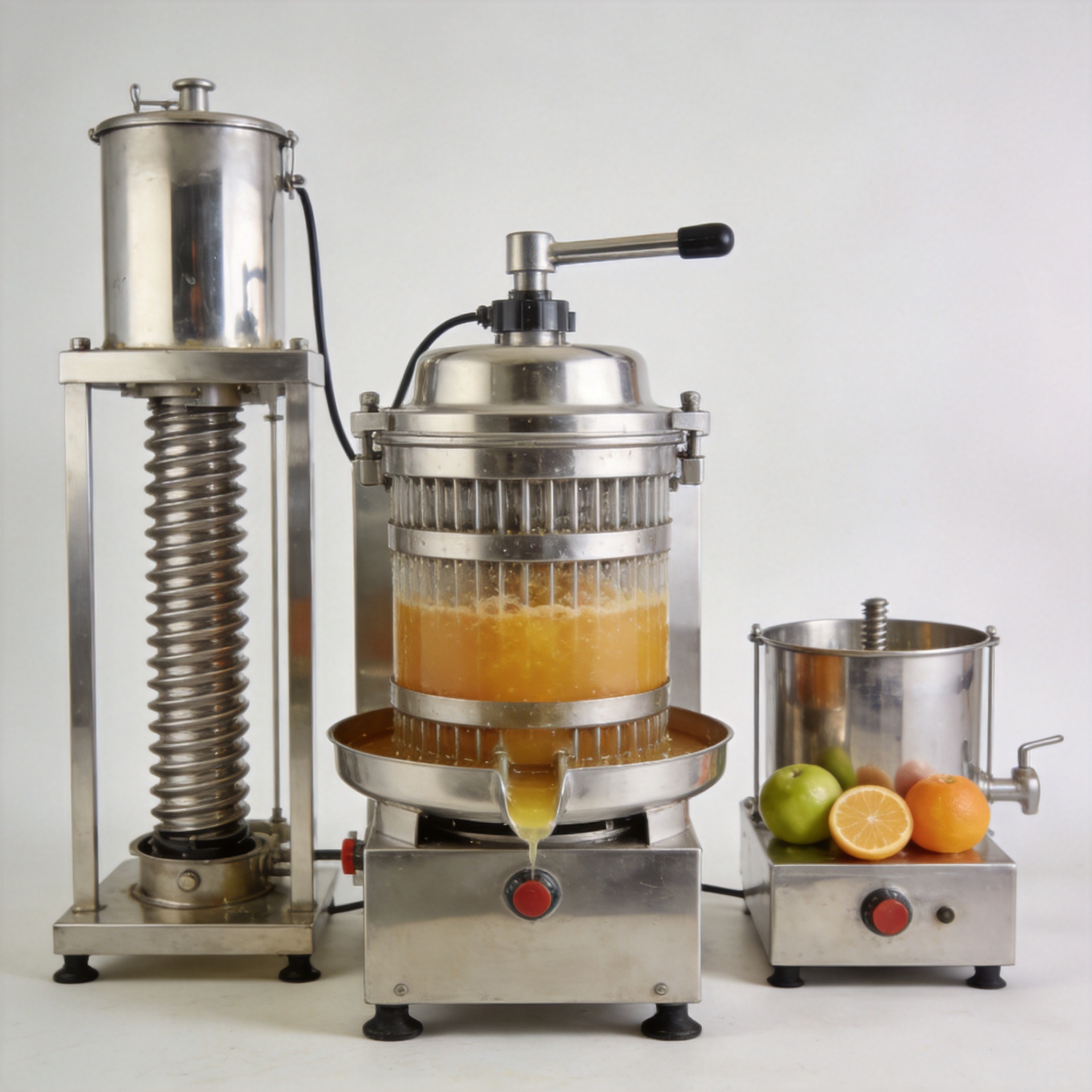
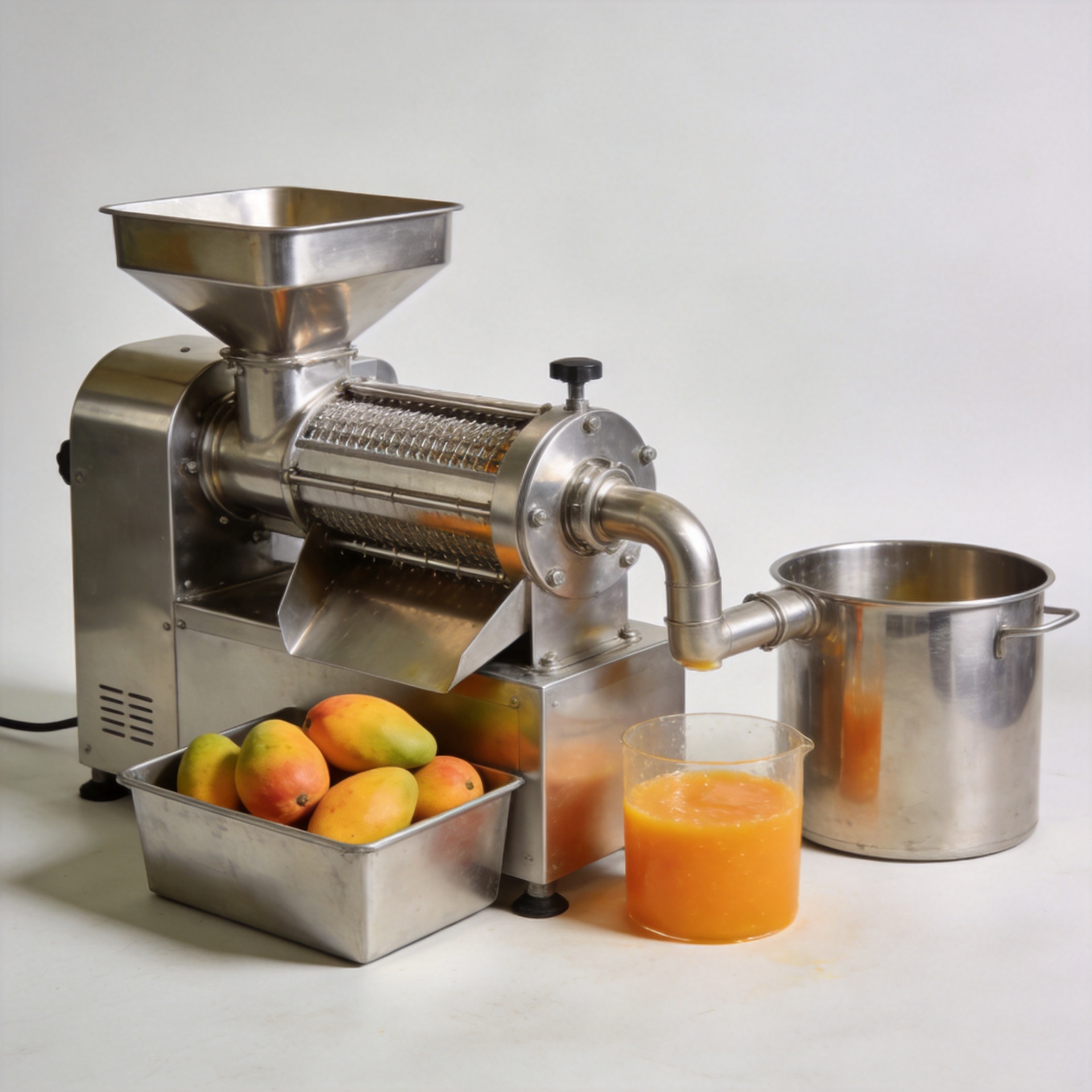
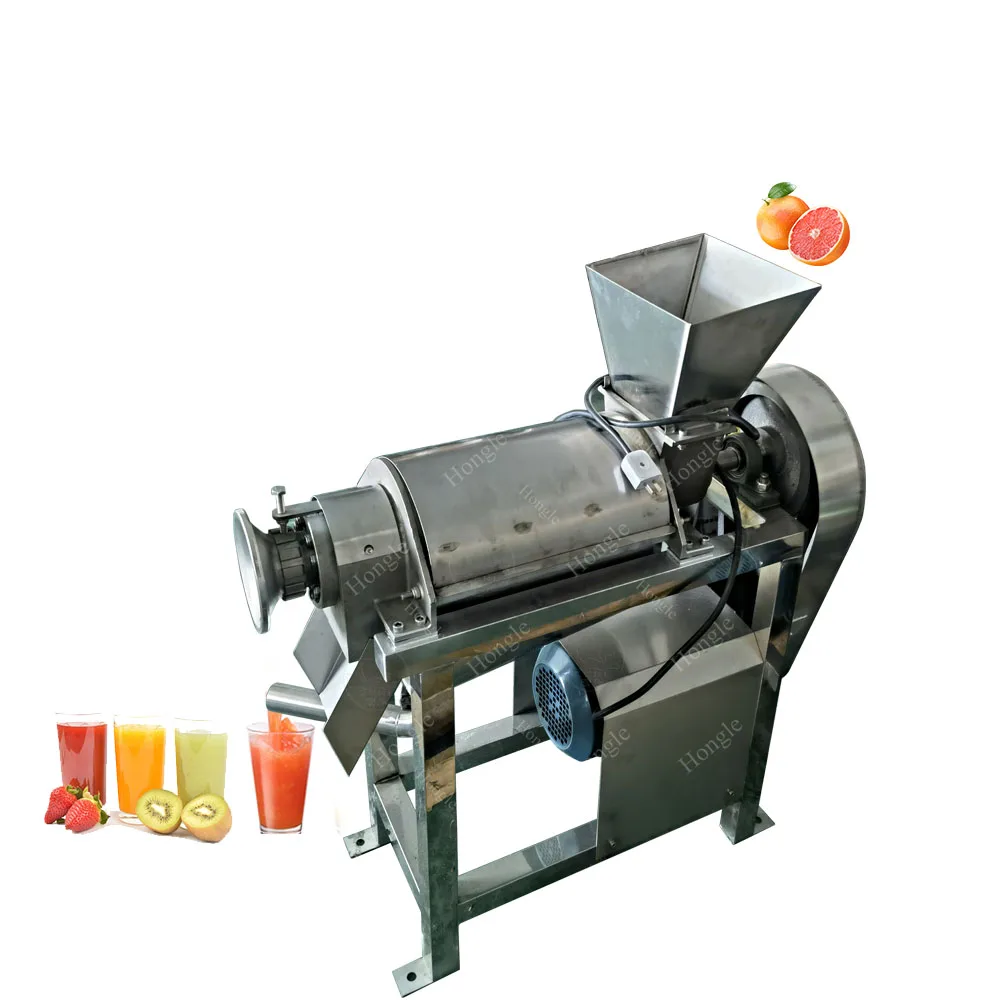
For juice factories and citrus-region procurement teams evaluating commercial-scale juice extractor options, Hongle Machinery offers a Commercial Fruit Juice Making Machine designed for multiple citrus varieties including orange, mango, and calamansi, with stainless steel food-contact construction and a configuration adaptable to different production scales. When comparing equipment, focus on the extraction mechanism and design details — that is where the difference between a machine that performs to specification and one that falls short of it is actually built in.