EN


Mango Pulper Machine Supplier Checklist for Food Processing Projects
Buying a mango pulper machine is not simply a matter of comparing quotations. For a food-processing project, the supplier must show how the machine fits the fruit condition, required throughput, sanitation routine, and downstream process. A disciplined supplier review helps the project team avoid a unit that looks suitable on paper but becomes difficult to clean, tune, or support after installation.
This checklist is intended for project owners, procurement teams, and processors evaluating a mango pulper machine for mango puree, juice base, or mixed-fruit processing. Use it before issuing an RFQ and again before releasing a purchase order.
1. Confirm the Process Scope Before Comparing a Mango Pulper Machine
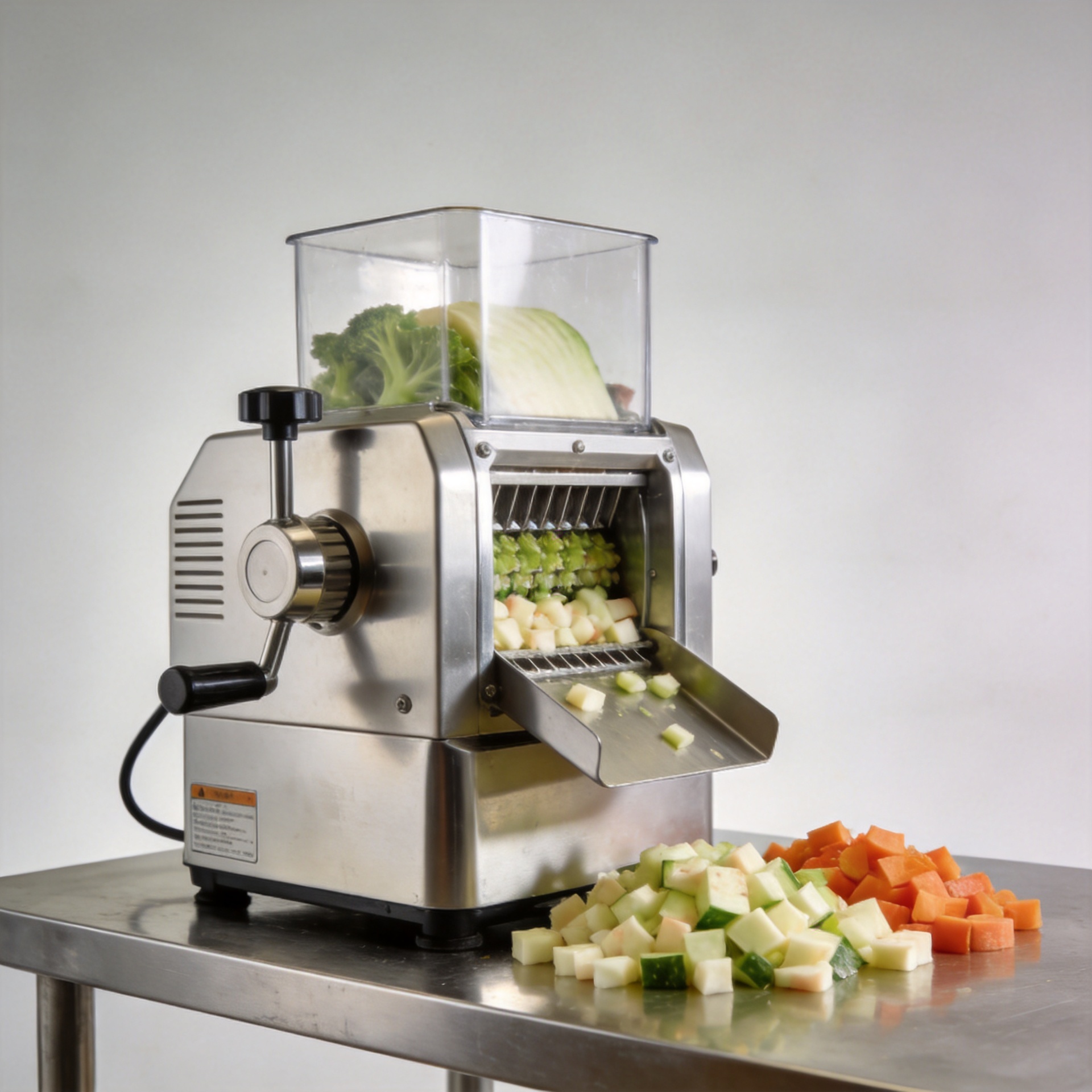
Start with the material flow, not the machine name. Ask the supplier to map the proposed mango pulper machine into the line: receiving, washing, sorting, crushing or destoning where required, pulping, screening, transfer, and cleaning. Mango maturity, fiber level, stone size, inlet preparation, and the intended end product all affect the right configuration.
- What fruit condition and preparation does the proposed machine assume?
- Is the offer for pulping only, or does it include crushing, destoning, or a feeding solution?
- Which sieve or screen options are available, and how are they selected for the target product?
- How will the supplier verify yield, pulp texture, and seed separation during a test?
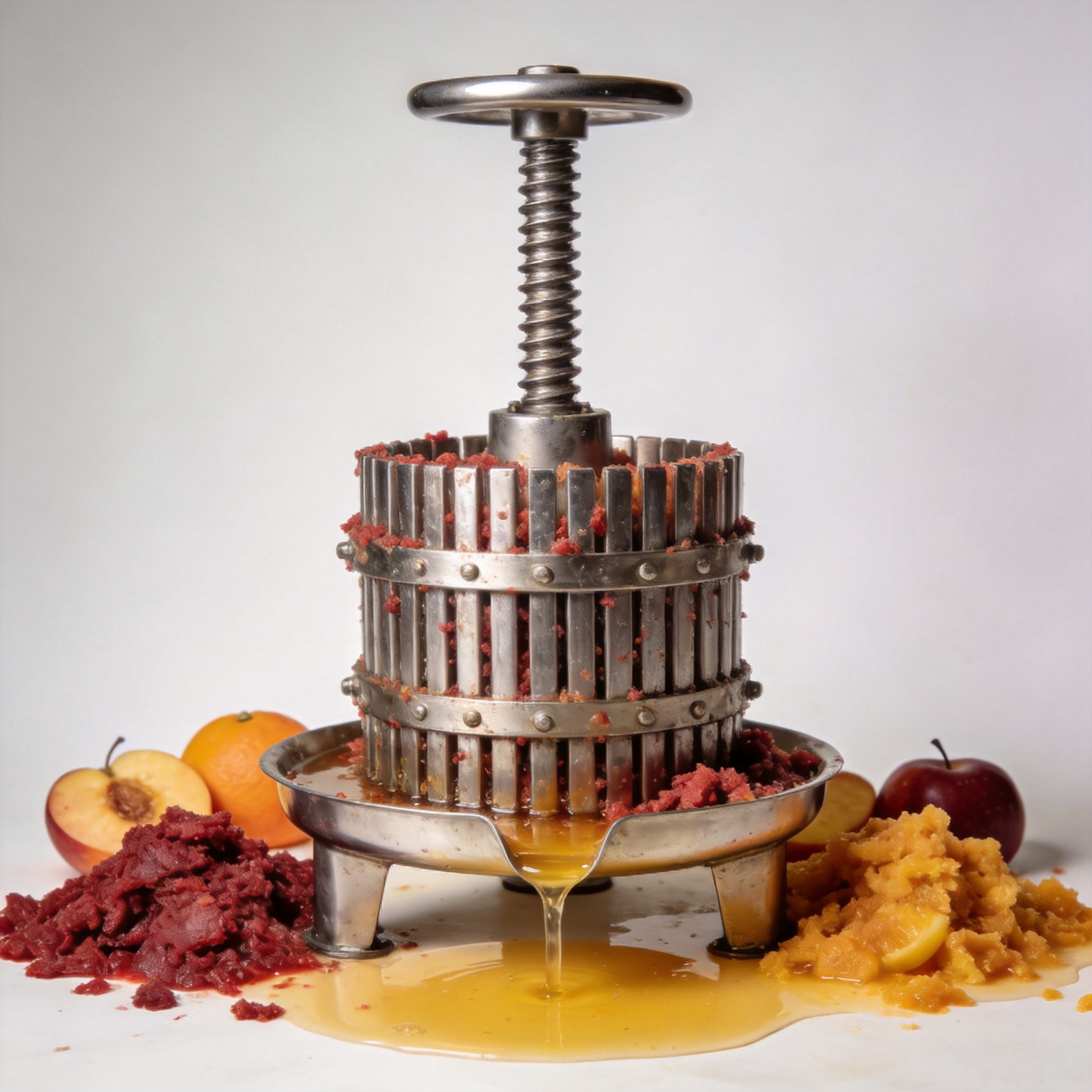
A supplier that can explain the process boundary can also identify interfaces with conveyors, tanks, pumps, and the apple pulper or other fruit-pulping equipment used elsewhere in a multiproduct plant. Do not assume one configuration serves every fruit without a documented process rationale.
2. Put Capacity Claims Into Testable Terms
Capacity is meaningful only when the supplier defines the feed condition and operating basis. Request a written capacity statement that identifies the fruit type, preparation method, hours of operation, expected feed rate, and the product quality target. Ask whether the figure is a nominal equipment capacity or an output verified after separation and screening.
| RFQ question | Why it matters |
|---|---|
| What material and preparation basis supports the stated capacity? | It prevents comparing unlike claims. |
| What acceptance test will be used? | It creates a shared basis for commissioning. |
| Which wear parts affect throughput? | It reveals routine operating dependencies. |
| What utilities and controls are required? | It helps the project team plan integration. |
For a project with future product expansion, ask whether the proposed mango pulper machine can be reviewed alongside other fruit applications. The answer may identify interchangeable screens or may show that separate process settings are needed; either outcome is more useful than an unsupported universal-capacity claim.
3. Audit Cleanability and Food-Contact Design
Cleanability should be a purchasing criterion, not an afterthought. Hygienic-design guidance for food machinery emphasizes accessible product-contact areas and surfaces that can be cleaned without difficult crevices, sharp corners, or hidden zones. Ask the supplier to provide drawings, a cleaning sequence, and photographs or video of the machine opened for inspection.
- Which product-contact parts can be reached during routine cleaning?
- How are screens, covers, seals, and discharge areas removed and reinstalled?
- Where can pulp accumulate, and how is each location inspected?
- What cleaning chemicals, water pressure, or cleaning-in-place provisions does the supplier specify?
- Can the supplier explain how the design supports the hygiene requirements relevant to the destination market?
These questions are especially important where mango pulp will move into tanks or filling equipment. The supplier should not merely say that a mango pulper machine is easy to clean; they should show the access points and define the operator steps.
4. Review the Supplier’s Documentation and Project Support
A credible supplier provides more than a price and a product photo. Request a documentation package early: general arrangement drawing, electrical information, utility requirements, recommended spare parts, operating manual scope, and a proposed factory acceptance or pre-shipment inspection plan.
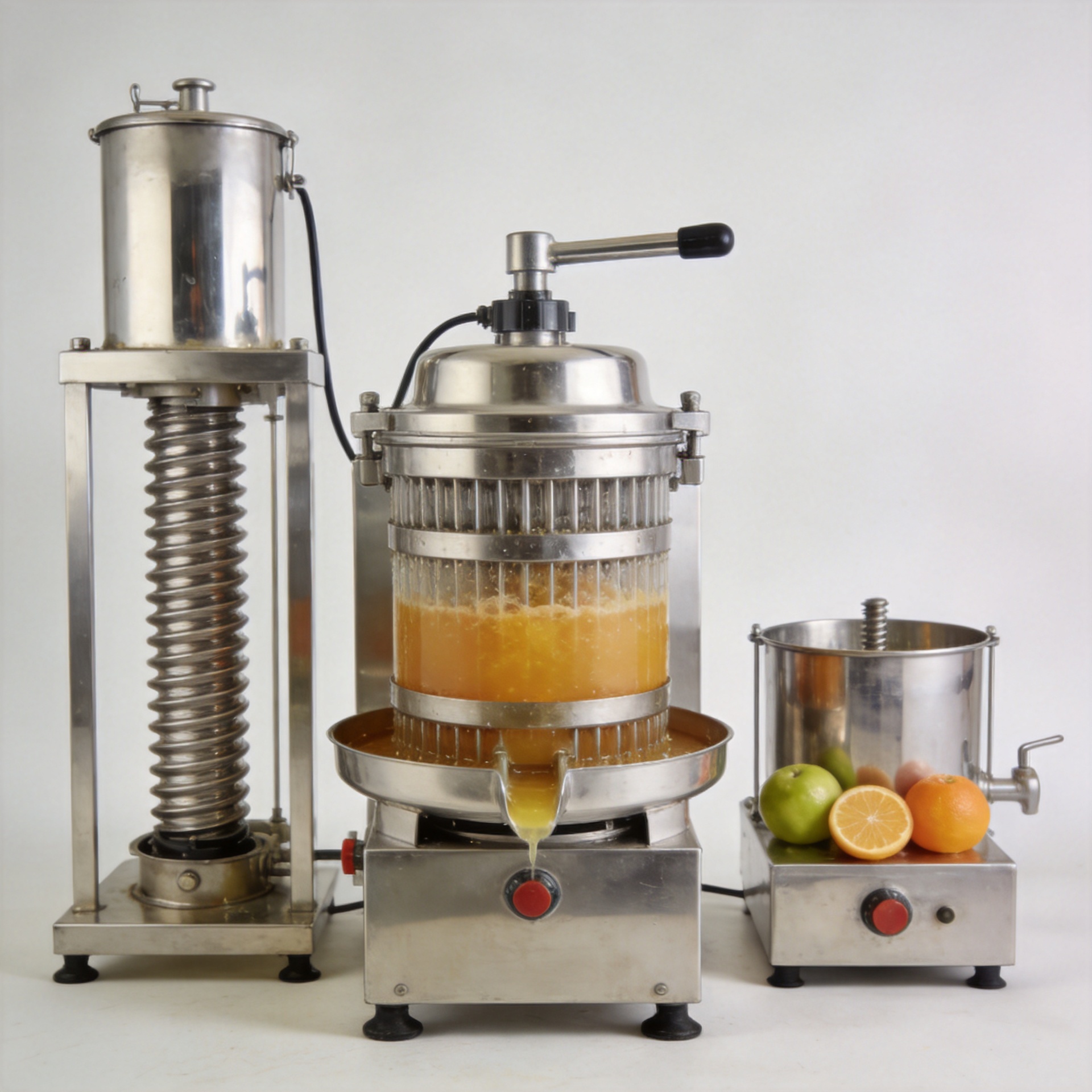
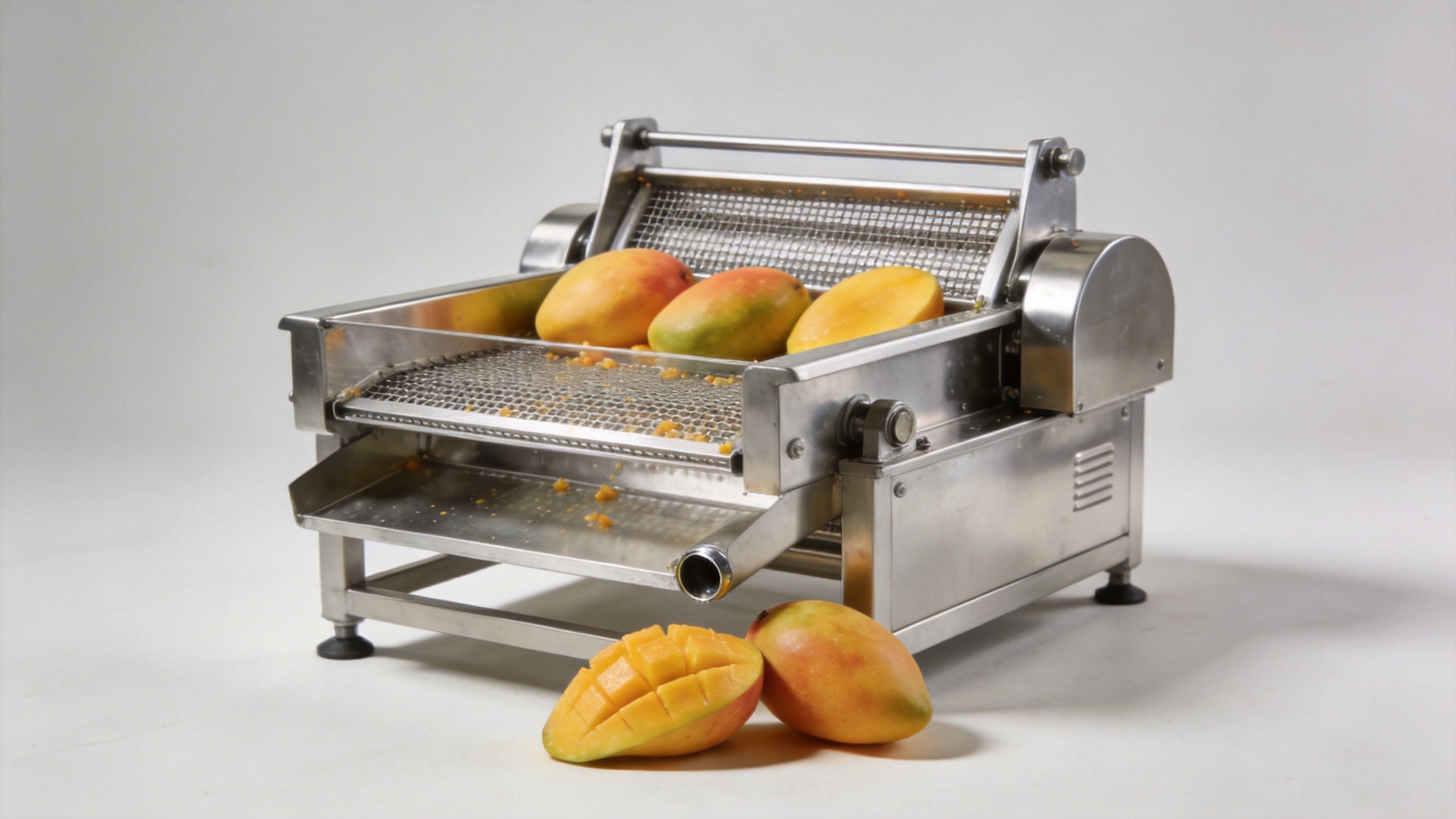
For buyers considering an integrated fruit-pulping solution, review the supplier’s ability to discuss the interface between each machine rather than treating every item as a stand-alone purchase. Zhengzhou HongLe Machinery Equipment Co., Ltd. supplies food-processing machinery and can be contacted through its product page for a project-specific discussion of the fruit pulper machine for mango, tomato, apricot, and passion fruit processing. Confirm the final configuration and project scope directly in the quotation and technical documents.
5. Check Service, Spares, and Commissioning Before Award
Service planning belongs in the purchasing decision. Ask who will support installation, which documents are supplied for operators, how remote technical guidance is arranged, and which spare parts should be held before startup. For export projects, clarify packaging, delivery responsibilities, electrical compatibility, and the communication route for commissioning questions.
- Ask for a recommended startup spare-parts list and replacement intervals.
- Define the acceptance criteria for the mango pulper machine before payment milestones are finalized.
- Assign responsibility for line interfaces, utilities, and operator training.
- Keep approved drawings, manuals, and test records with the project file.
Final Supplier Verification Checklist
Before selecting a mango pulper machine supplier, verify that the proposal answers these points: the process boundary is clear; capacity assumptions are documented; cleaning access is demonstrable; food-contact design questions are addressed; acceptance testing is defined; and service plus spare-parts support are specified. A strong quotation converts these questions into evidence the project team can review, rather than relying only on the initial price.