EN
EN


Vegetable Chopper Machine Types: Dicing, Slicing, Shredding, and Chopping
A vegetable chopper machine is not one universal tool. In a commercial kitchen or food-preparation line, the right machine depends on the cut you need, the ingredients you process, and how often operators must change products. A diced potato for a frozen-food line, a sliced cucumber for salad packing, and shredded cabbage for coleslaw all place different demands on the cutting system.
As a practical starting point, separate the required finished cut from the machine name. This makes it easier to compare a vegetable chopper machine by output consistency, cleaning access, safety features, and fit with downstream mixing, cooking, packing, or freezing steps.
What a vegetable chopper machine does in commercial preparation
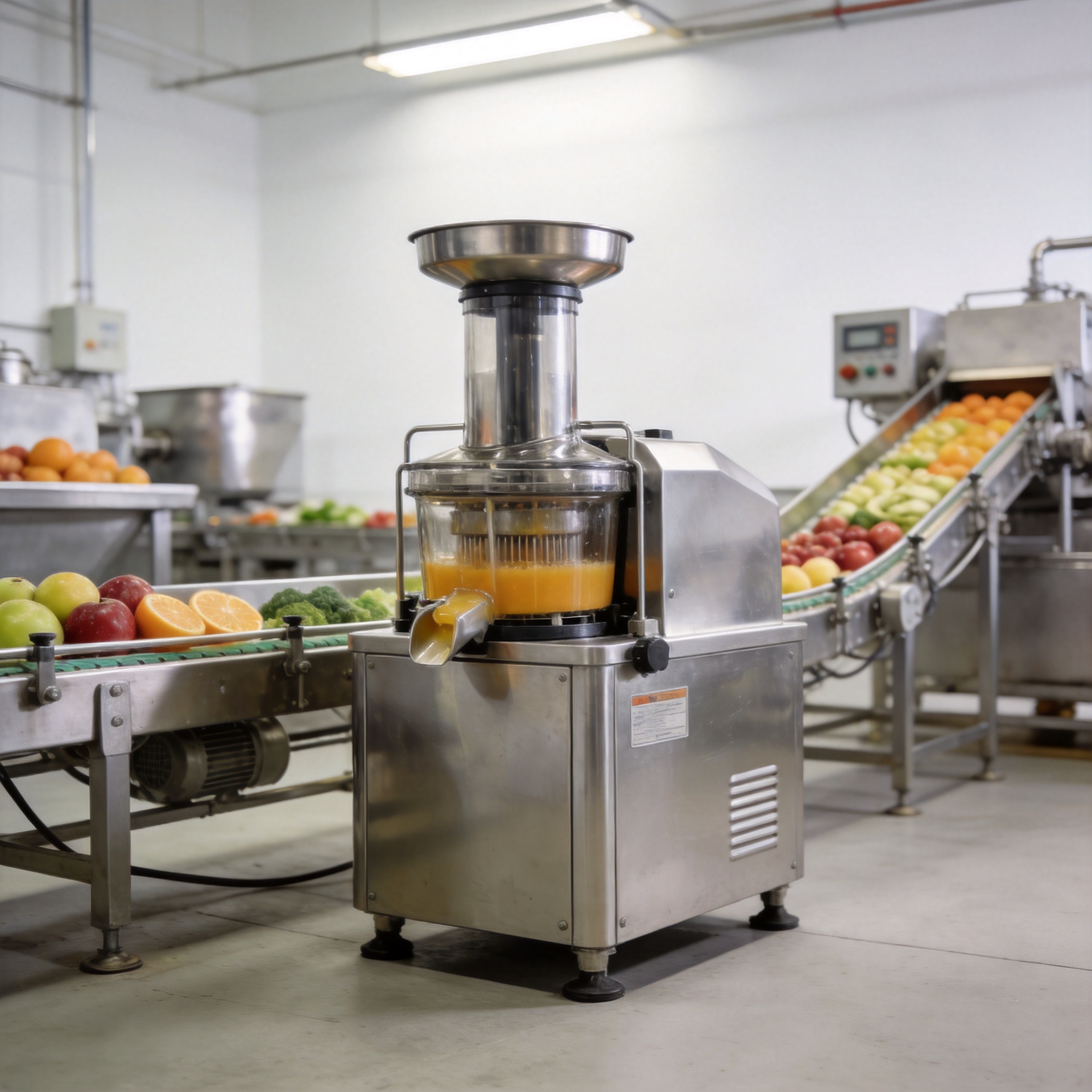
A commercial vegetable chopper machine reduces manual knife work by feeding washed produce through a controlled cutting zone. Depending on the cutter head or blade set, it can produce cubes, slices, strips, shreds, or irregular chopped pieces. The goal is not simply faster cutting; it is repeatable size, a more predictable workflow, and less variation between batches.
For buyers moving from manual preparation, the decision changes once daily volume makes consistency and labor coordination harder to manage. The useful question becomes: which cut shape supports the menu or processing line without creating difficult changeovers or cleaning delays?
Dicing: uniform cubes for cooking and portion control
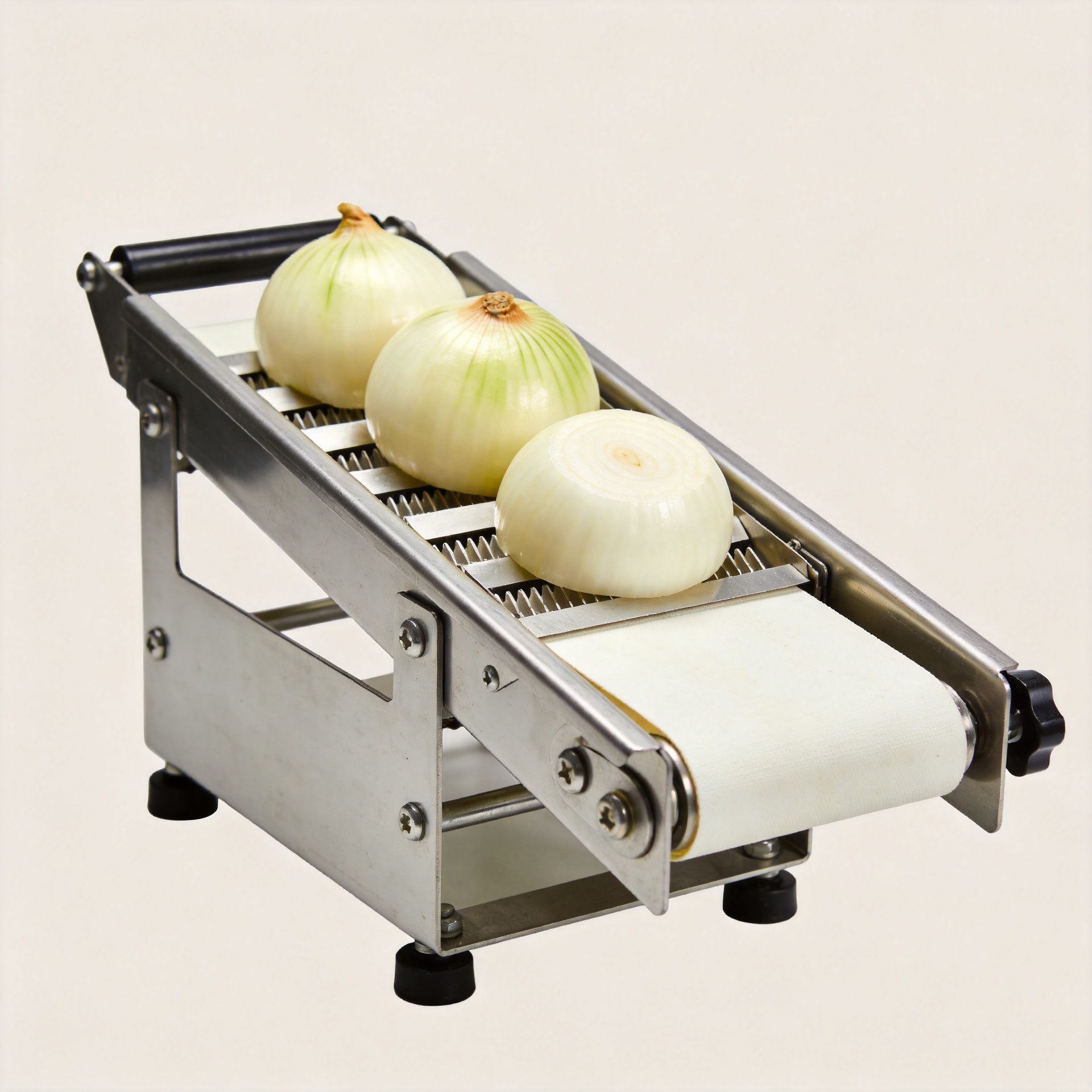
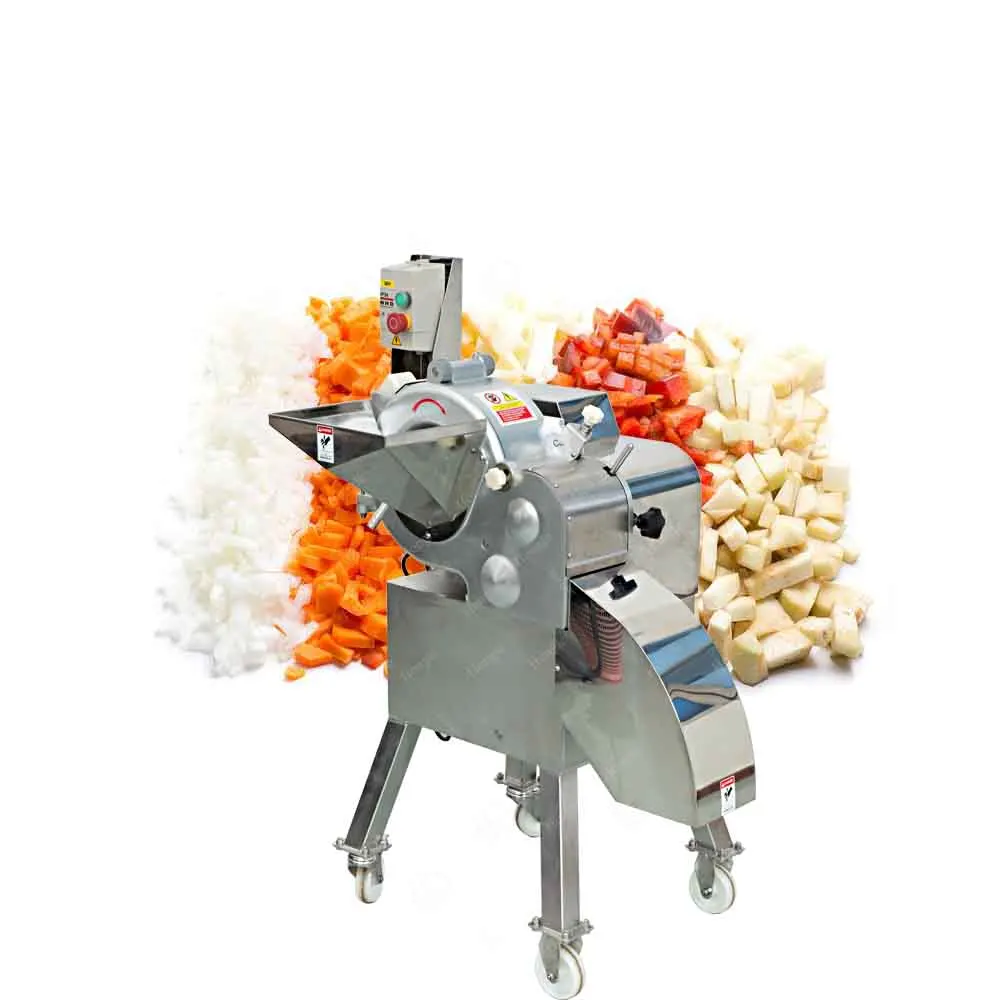
Dicing is used when vegetables need a cube-like shape with relatively even dimensions. Potatoes, carrots, onions, and some fruits are common examples. A dicing-capable vegetable chopper machine is often considered for soup bases, prepared meals, fillings, frozen vegetables, and central-kitchen production.
Evaluate dicing by the usable size range, how cleanly the machine handles firm versus soft produce, and whether the feed opening matches the ingredient’s pre-cut preparation. Very soft or overripe materials may not hold a sharp cube as well as firm, chilled produce. If your recipe depends on even cooking or filling weight, test the actual ingredient rather than judging only from a specification sheet.
Slicing: controlled thickness for salads, chips, and layered products
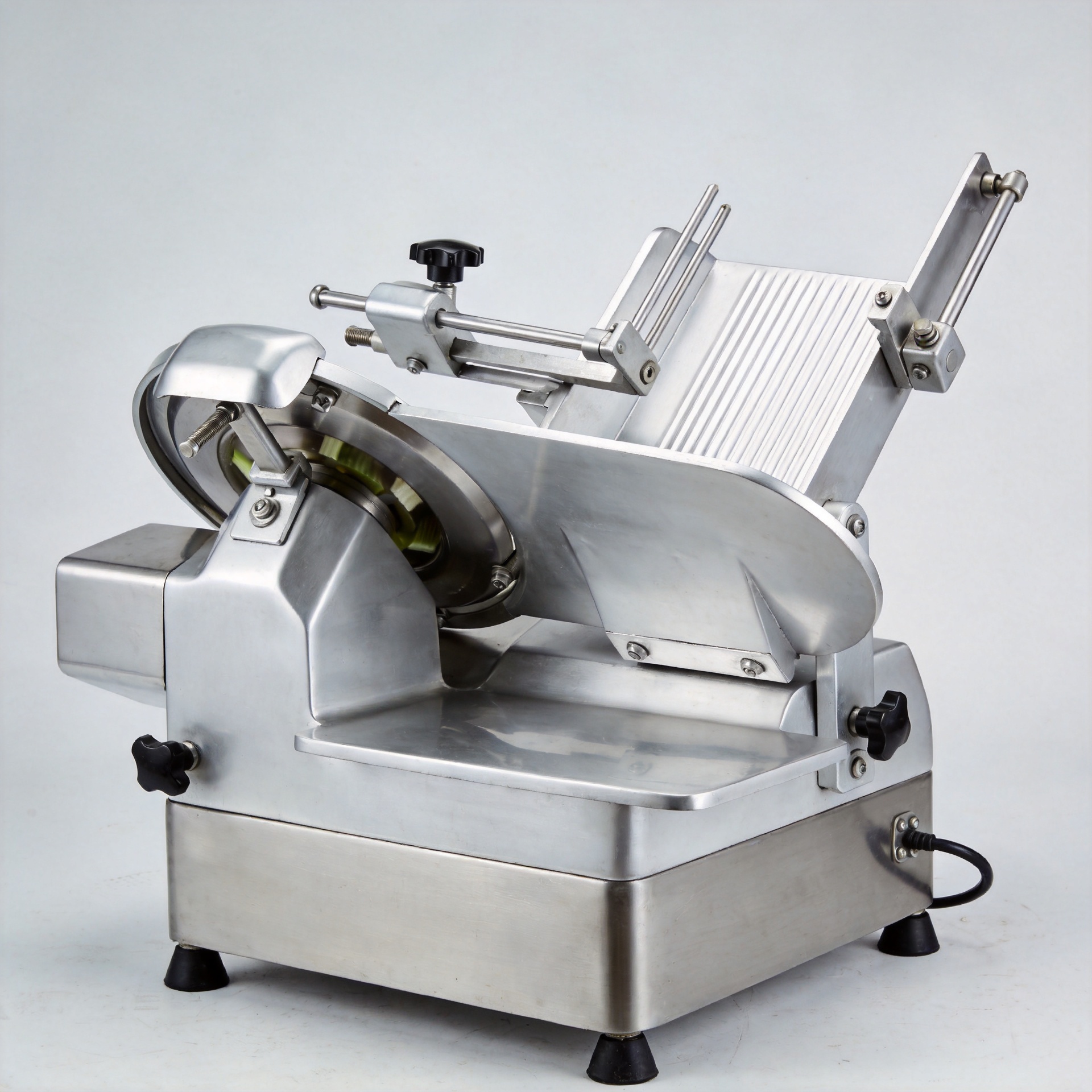
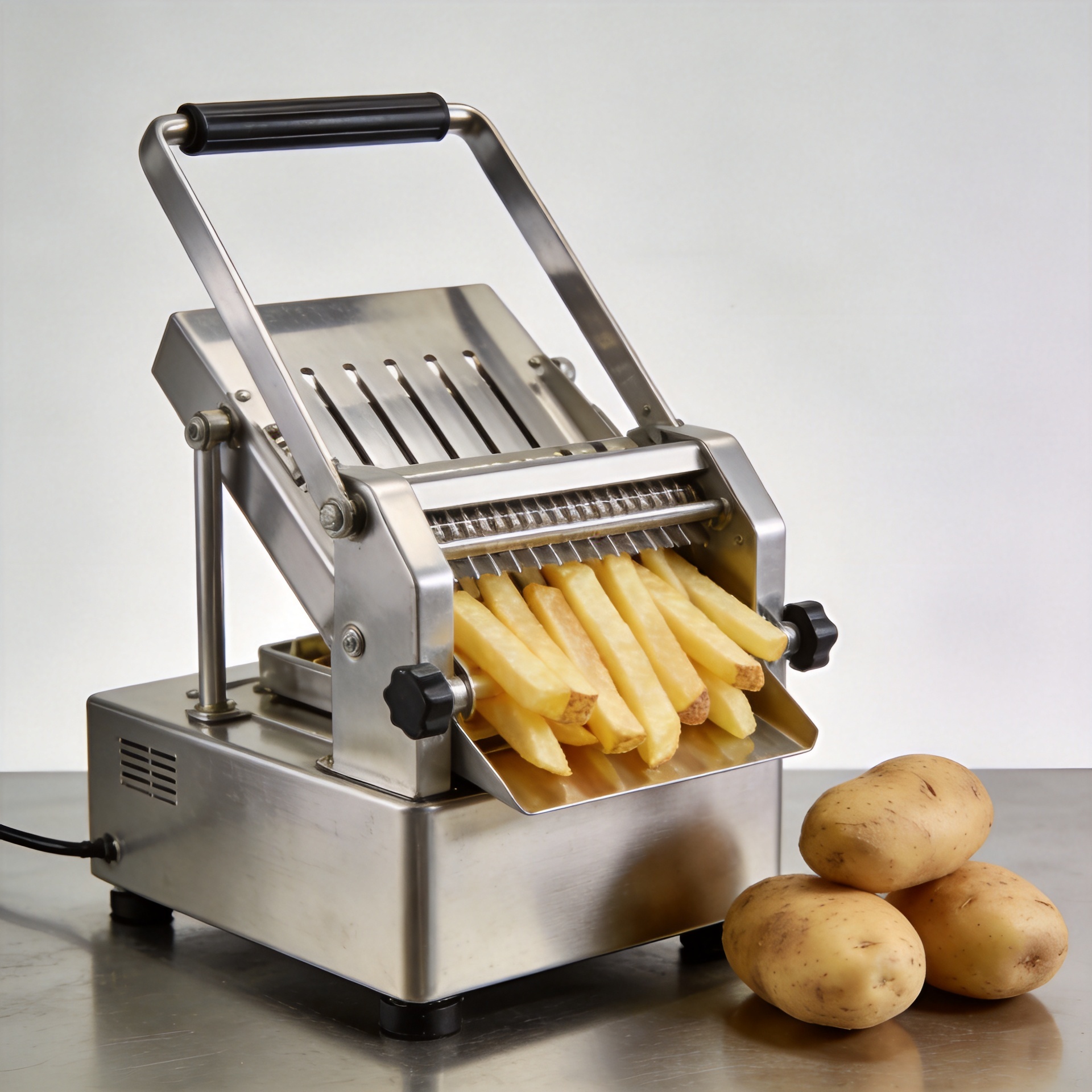
Slicing produces flat pieces and is useful for cucumber, potato, onion, carrot, and similar ingredients. In commercial work, the critical variables are slice thickness, thickness consistency, and whether the ingredient is supported properly during feeding. A vegetable chopper machine with interchangeable slicing discs can help operations serve several recipes, but each disc change should be assessed for time, sanitation, and storage.
Thin slicing can improve marinating, frying, or dehydration behavior, while thicker slicing may better preserve texture in cooked dishes. The appropriate thickness depends on the finished product, rather than one universal setting.
Shredding: strips for slaws, fillings, and toppings
Shredding turns vegetables into narrow strips. Cabbage, carrots, radish, cheese, and some leafy materials are typical applications. For a vegetable chopper machine used for shredding, check whether the cut remains open and separate instead of becoming compressed or bruised. This matters for salad appearance, moisture release, and mixing performance.
Shredding applications can create more residue than simple slicing, especially with high-moisture vegetables. Easy access to food-contact parts is therefore as important as throughput. Operators should be able to remove, wash, inspect, and reinstall cutting parts according to the manufacturer’s instructions.
Chopping: flexible pieces when exact geometry is not required
Chopping generally creates less regular pieces than dicing or slicing. It can suit onion bases, mixed vegetables, herbs, sauces, and prepared fillings where a natural, varied appearance is acceptable. The advantage of a chopping-style vegetable chopper machine is flexibility; the trade-off is that it may not suit operations where every piece must meet a strict size specification.
Ask for a sample run using your target ingredients and moisture condition. A machine that chops onions well may behave differently with fibrous celery, dense root vegetables, or leafy produce.
How to choose the right cutting type
- Start with the finished product: define cube size, slice thickness, strip width, or acceptable chop variation.
- Map ingredients by firmness and moisture: one cutter may need different tools or feed practices for potatoes, tomatoes, cabbage, and onions.
- Plan volume realistically: use peak-hour demand, not only average daily quantity.
- Check changeover needs: multiple cut styles are valuable only if discs and parts can be changed, stored, and cleaned efficiently.
- Review safety and sanitation: guards, power isolation, removable food-contact parts, and cleaning instructions must fit the operating routine.
Cleaning and safe operation belong in the buying decision
A vegetable chopper machine should be evaluated as part of a sanitation routine, not just as a cutting device. The FDA notes that commercial deli slicers should be cleaned and sanitized according to manufacturer instructions at least every four hours during continuous use; while that guidance is for slicers, it reinforces the need to build cleaning access and documented procedures into any food-contact equipment decision.
Before cleaning, stop the machine and follow the supplier’s instructions for isolation, blade handling, disassembly, detergents, and reassembly checks. Do not treat a quick wipe of visible debris as a replacement for thorough cleaning and sanitizing of relevant food-contact surfaces.
A practical commercial option to review
For buyers comparing dicing-oriented equipment, review the intended application and available documentation for the Commercial Industrial Electric Vegetable Cutter Dicing Machine for Potato, Fruit & Green Onion. Confirm the cut style, ingredient compatibility, cleaning procedure, and site-specific electrical and safety requirements with the supplier before purchase.
Final takeaway
The right vegetable chopper machine matches the cut your product needs and the way your team actually works. Dicing supports uniform cubes, slicing controls thickness, shredding creates strips, and chopping prioritizes flexible preparation. Compare real ingredient samples, cleaning access, cut-tool changeovers, and production flow before making a final choice.