EN


What Is a Fruit Pulper Machine and When Is It Needed?
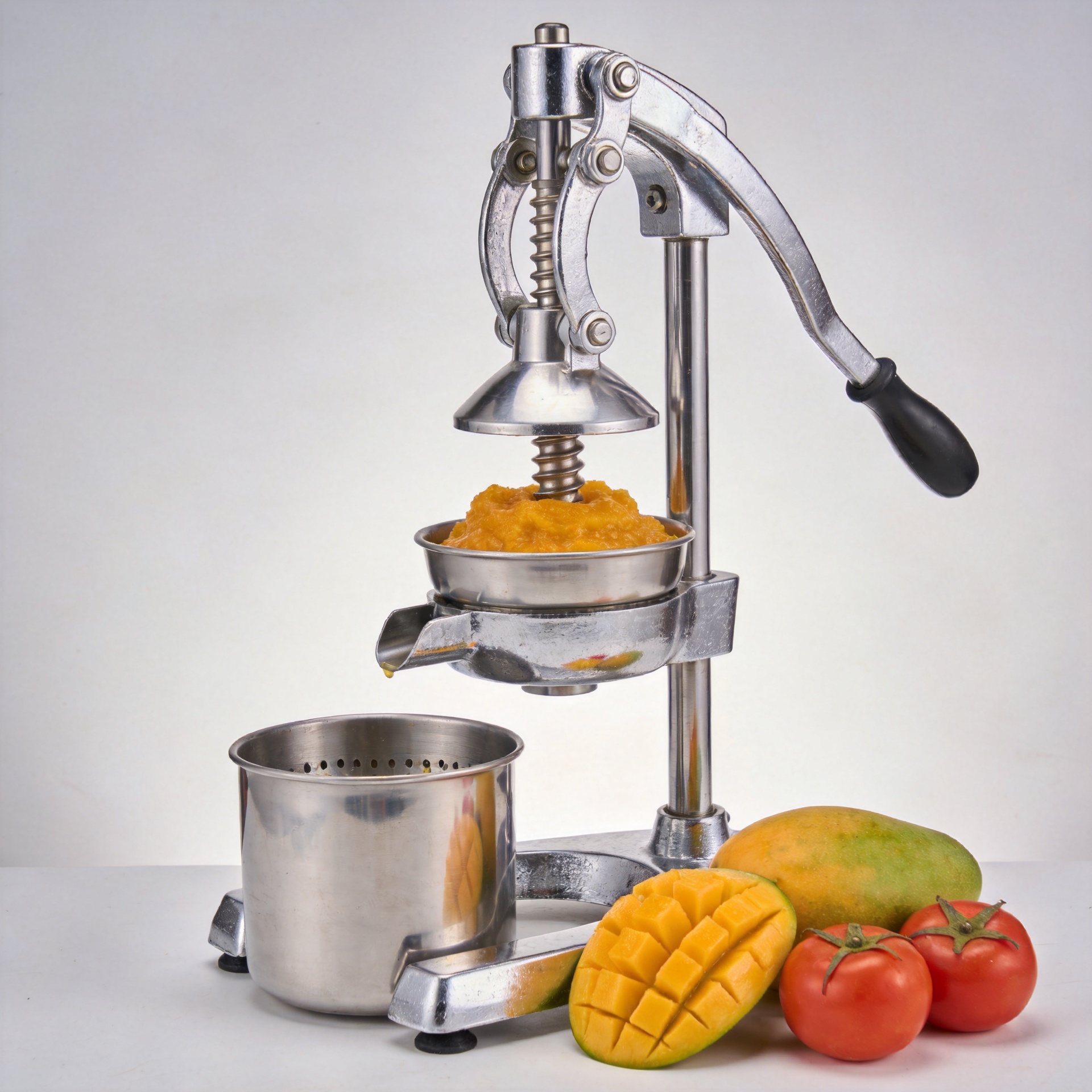
A fruit pulper is a food-processing machine that turns prepared fruit into a usable pulp or puree while helping separate the soft edible portion from skins, seeds, fibers, or pits. It is not simply a crusher. Crushing breaks fruit into smaller pieces; pulping controls the separation step so the output can move more consistently into juice, puree, concentrate, jam, sauce, or filling production.
For a small test batch, a blender or manual sieve may be enough. Once a processor needs repeatable texture, cleaner separation, or a steady feed for downstream equipment, a fruit pulper becomes much more relevant. The right time to add one depends on the fruit, the finished product, and the production flow—not just on daily volume.
What a fruit pulper does in a processing line
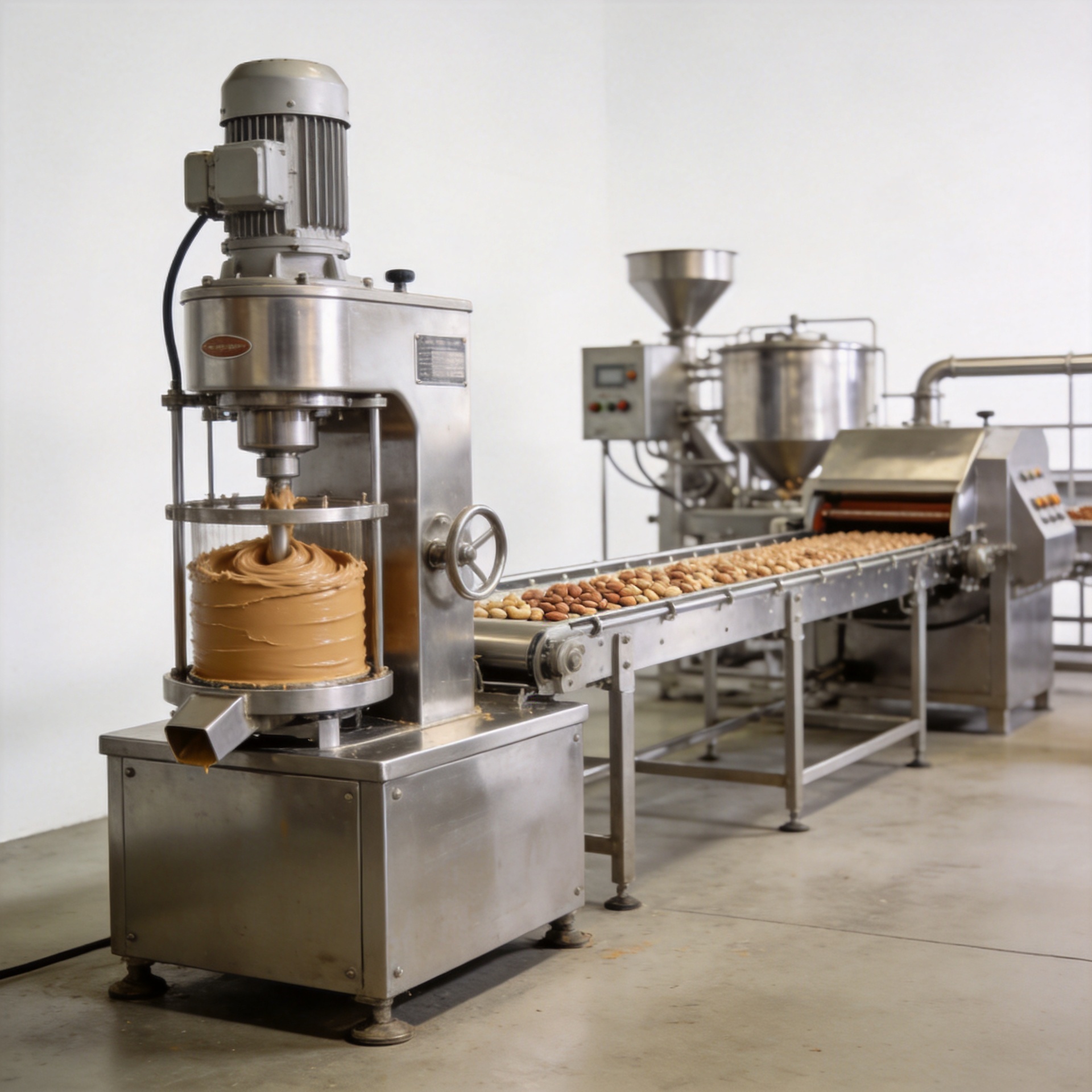
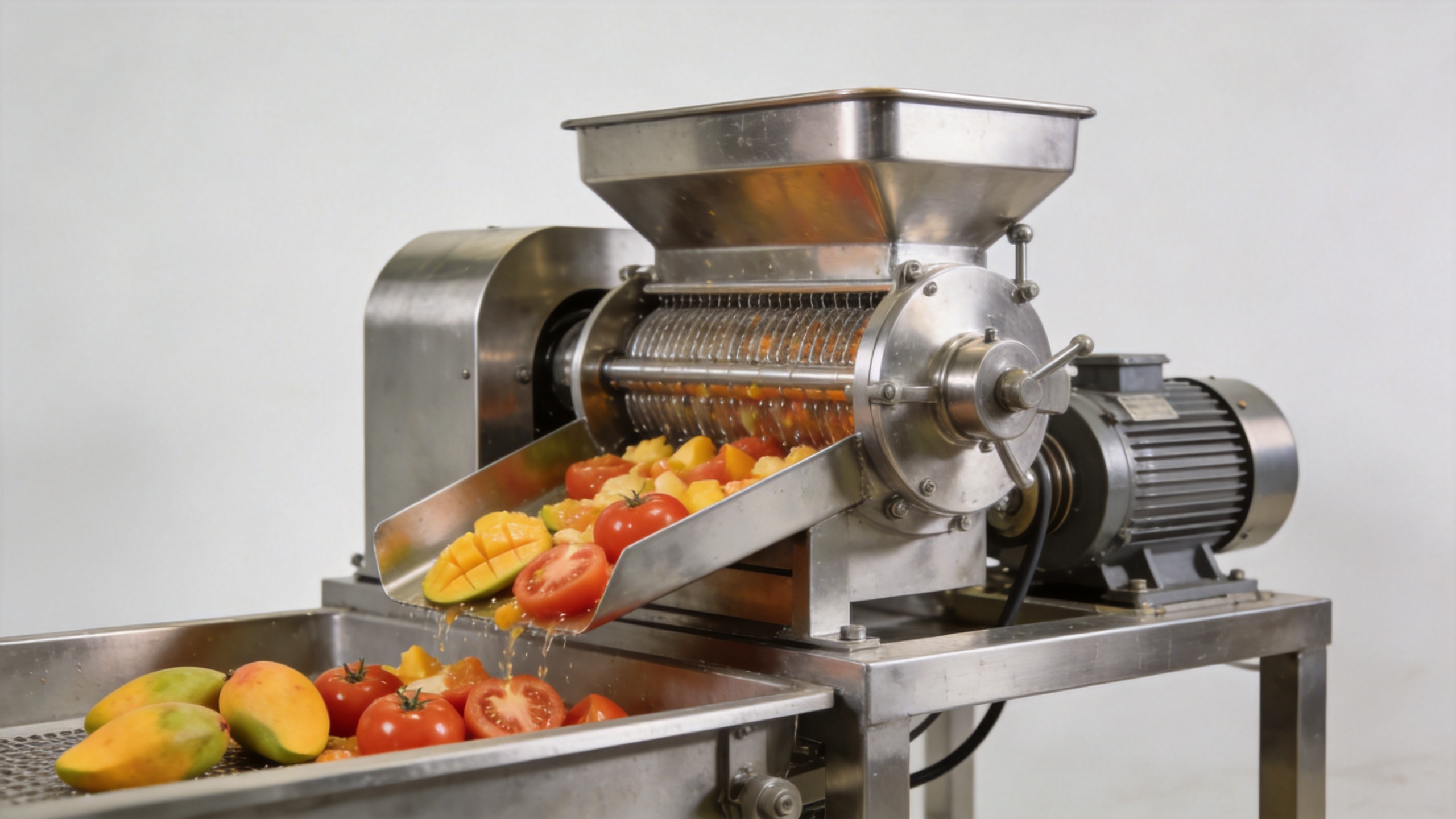
In a typical fruit-processing flow, fruit is received, washed, sorted, and sometimes crushed or heated before it reaches the fruit pulper. Inside the machine, a rotor or other working assembly moves softened or broken fruit against a perforated screen. The desired pulp passes through the screen, while larger particles and unwanted material are discharged separately.
This operation matters because downstream equipment usually needs a more uniform feed. A filling machine, evaporator, pasteurizer, or mixing tank cannot solve every inconsistency created upstream. A pulper helps create a controlled pulp stream before those later steps. Depending on the fruit and the equipment configuration, the machine may focus on pulp extraction, skin-and-seed separation, or pit removal followed by pulping.
A useful boundary: not every fruit needs the same treatment. Soft mango or tomato pulp behaves differently from fibrous guava, seeded passion fruit, or stone fruit. Screen selection, pre-crushing, heating, and the number of pulping stages should be matched to the material rather than assumed from a brochure.
Fruit pulper versus fruit crusher: why the distinction matters
A crusher is usually an upstream size-reduction machine. It breaks whole or large fruit into smaller pieces so later processing is easier. A fruit pulper is the separation-focused step that helps turn those pieces into a smoother pulp. In some compact lines the operations are combined, but the production objective is still different.
| Process step | Main purpose | Typical output |
|---|---|---|
| Washing and sorting | Remove surface contamination and unsuitable fruit | Prepared raw fruit |
| Crushing | Reduce fruit size | Broken fruit pieces |
| Pulping | Extract pulp and separate unwanted fractions | More uniform pulp plus residue |
| Finishing or refining | Further improve texture when required | Finer puree or juice base |
That distinction prevents a common mismatch. If the real issue is pits, tough skins, or inconsistent pulp texture, buying only a crusher may leave the critical problem unsolved. Conversely, a processor making rustic cider from clean, crushed apples may not need a full pulping stage.
When do you need a fruit pulper?
You are likely to need a fruit pulper when your process has one or more of the following requirements:
- You need a smoother, more consistent pulp. This is common for bottled juice bases, puree, sauce, nectar, jam, and fruit fillings.
- You need to separate skins, seeds, fibers, or pits. The exact capability depends on the fruit and machine design, so this must be confirmed during selection.
- You are moving from manual sieving to repeatable production. Manual methods can work at very low output, but they often create variable texture and labor bottlenecks.
- You need to connect preparation with later equipment. A pulper can become the controlled handoff between washing/crushing and tanks, pasteurizers, or filling equipment.
- You process several fruit varieties. A suitable screen and operating setup can make changeovers more manageable, although cleaning procedures need equal attention.
Think about a producer handling mango, tomato, apricot, or passion fruit. The decision is not merely whether the fruit can be crushed. The practical question is whether the line needs pulp that is clean enough and consistent enough for the intended product. That is where a fruit pulper belongs in the production flow.
Typical applications for fruit pulping
Fruit pulp is used across a broad range of products, including juice and nectar bases, puree, jams, sauces, baby-food ingredients, frozen pulp, confectionery fillings, and beverage blends. A sitafal pulp machine, for example, is typically considered when processors need to recover the soft custard-apple pulp while managing seeds and fibrous material. The same general principle applies to other fruits, but the process settings and separation requirements differ.
Stone fruits often need pit-aware preparation before the pulp stage. Fruits with many small seeds may need screen choices that balance pulp yield with finished-product texture. For highly fibrous fruits, a processor may need to consider whether a second refining stage is appropriate. There is no universal screen size or line arrangement that fits every product.
How to decide where it fits in your line
Before selecting a fruit pulper, map the entire material flow. Start with the raw fruit condition: Is it fresh, ripe, frozen, washed, peeled, pitted, or preheated? Then define the finished product: Is the target a coarse pulp, smooth puree, clarified juice base, or a product with some natural fiber retained?
- List the fruit varieties and their difficult components: skins, seeds, pits, or fibers.
- Define the desired pulp texture and acceptable residue level.
- Check whether crushing, destoning, heating, or refining is needed before or after pulping.
- Match the machine feed and discharge to upstream washing and downstream tanks or filling equipment.
- Plan cleaning access and changeover procedures before committing to a layout.
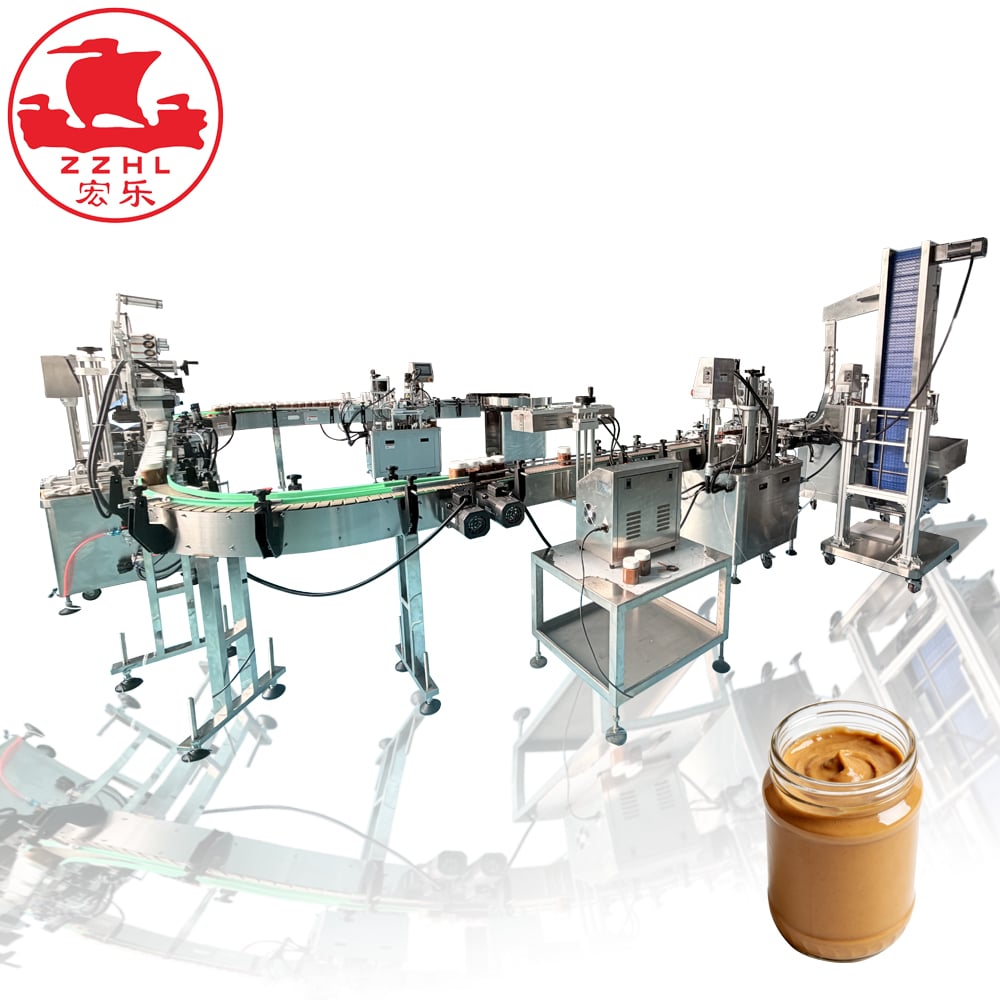
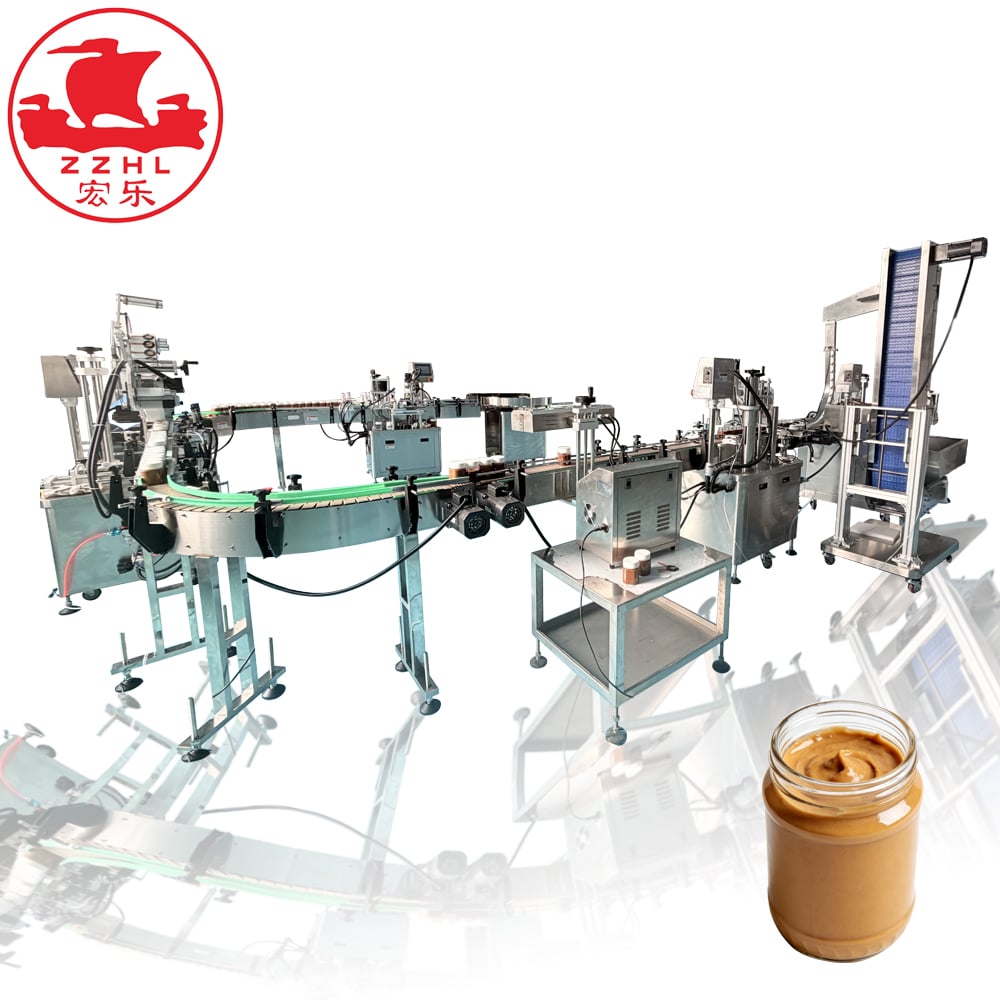
At Zhengzhou HongLe Machinery Equipment Co., Ltd., a relevant option is the Apricot, Tomato, Passion Fruit Crusher, Mango Destoner and Pulping Machine. It should be evaluated as part of a complete fruit-processing flow: confirm the raw material, required separation result, and connection points before specifying the configuration.
The practical takeaway
A fruit pulper is needed when a fruit-processing operation must do more than break fruit apart. It helps convert prepared fruit into a more controlled pulp stream and, where the configuration allows, separates unwanted skins, seeds, fibers, or pits. If your final product depends on uniform texture, cleaner pulp, or reliable integration with a larger line, pulping is usually a core processing step.
Start with the fruit and the finished product, then work backward through the line. That approach makes it easier to decide whether you need crushing only, pulping, destoning plus pulping, or an additional refining stage.